


Workhorse Secures More Orders for W56 Step Vans
Following the FedEx Forward event, Workhorse is experiencing increased parcel delivery fleet interest, including recent orders for seven W56 electric step vans for immediate delivery upon completion of upfit.

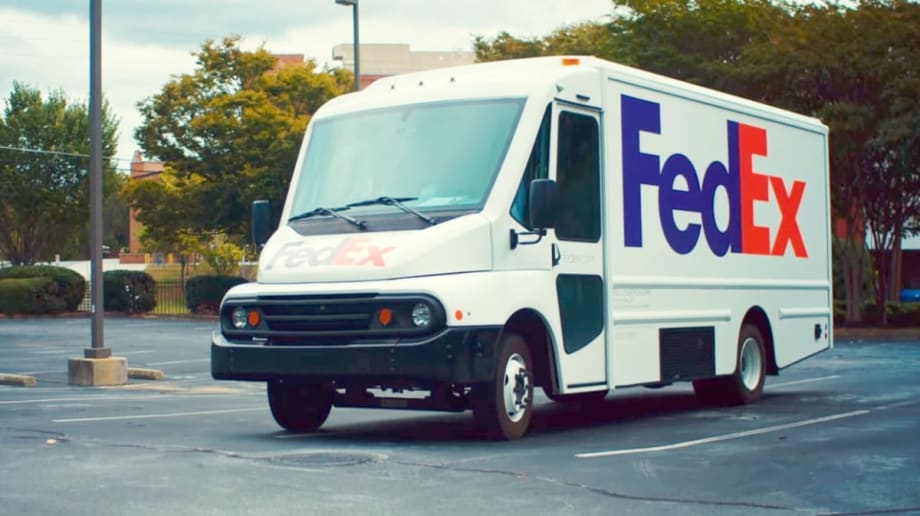
Workhorse received orders for seven W56 electric step vans after exhibiting at FedEx Forward Service Provider Summit.
Photo: Screenshot of Workhorse video
Workhorse Group has secured purchase orders from three parcel delivery independent service providers for its W56 step vans. The new orders, received in the 30 days following the company’s participation at FedEx Forward Service Provider Summit, are for seven W56 electric trucks for parcel delivery.
The orders include both the standard 178-inch wheelbase with 1,000 cubic feet of cargo space and the new 208-inch extended wheelbase with 1,200 cubic feet of cargo space. All vehicles are scheduled for delivery by the end of the year.
“As parcel delivery fleets transition to zero-emission vehicles, we believe the W56 is an ideal fit,” said Ryan Gaul, president of commercial vehicles at Workhorse. “We understand the importance of uptime for parcel operators, especially during the busy holiday season. That’s why we back our vehicles with a robust service and support network through our certified dealers and national service partners, which helps keep trucks on the road and deliveries on time. Our W56 models are built for the real-world demands of last-mile delivery, offering effective range, cargo capacity flexibility, durability, and reliability in every configuration.”
With a marked increase in fleet interest, Workhorse’s third quarter was active, with demos performed at multiple parcel delivery terminal depots across California, where FedEx has installed and connected electric charging systems.
Additional potential truck orders are now in the quoting process, the company said. Workhorse said fleet operators recognize the W56 as a reliable, zero-emission vehicle for high-density urban routes, rural routes or routes that require increased cargo capacity needs.
Details of the Workhorse W56
Designed, engineered, and built in the US at the Workhorse Ranch in Union City, Indiana, the W56 provides fleet operators with options tailored to specific operational requirements. Workhorse said its approach to quality and support ensures that fleet operators have a dependable partner in their transition to electrification.
The W56 1,000- and 1,200-cubic-foot models deliver the essential cargo capacity and uncompromising reliability that today’s parcel delivery fleets demand, ensuring Workhorse is ready to drive the future of last-mile logistics.
Workhorse said the W56 step van is meticulously engineered to meet the demanding needs of commercial last-mile delivery operations.
With its efficient eAxle electric drivetrain and extended range aided by highly efficient regenerative braking, the W56 delivers efficiency, lower operational costs, and a reduced environmental footprint. This makes it perfectly suited for stop-and-go delivery routes and an ideal choice for last-mile delivery, the company said.
Originally posted on Work Truck Online
More Electric Vehicles
EV Charging Use Is Outpacing Infrastructure Growth
ChargePoint’s 2026 Charging Forward Report points to rising charger use, higher-powered charging, commercial vehicle electrification, and energy-management technology. Here’s what fleets should know.
Read More →
EV Realty Names Henrik Holland President as Charging Platform Expands
The former Prologis Mobility and Shell executive will help expand EV Realty’s truck charging business and move its power-first infrastructure model into autonomous vehicle depots and other fleet sectors.
Read More →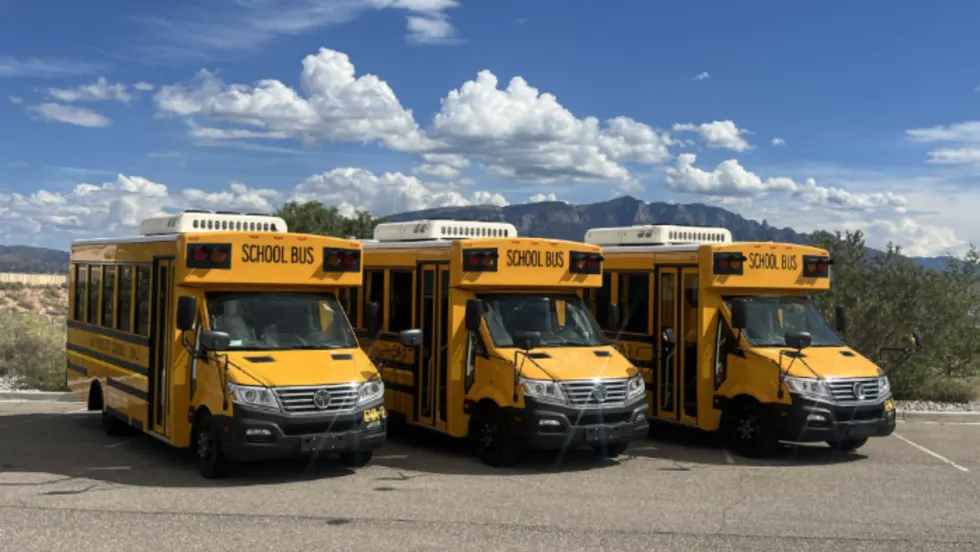
GreenPower Expands New Mexico EV Pilot With Larger Buses, V2G Testing
After logging more than 17,000 electric miles in the first year, New Mexico’s statewide pilot is moving into its second phase with larger vehicles, continued charging evaluations, and more.
Read More →
Can EV-as-a-Service Help Fleets Scale Electrification?
Sustainability Partners CEO Adam Cain explains how matching EVs, charging infrastructure, and duty cycles can help fleets scale electrification.
Read More →
How EV-as-a-Service Is Moving Fleets Beyond Pilots
Adam Cain, president and CEO of Sustainability Partners, explains how EV-as-a-service can help fleets scale deployments by addressing duty-cycle requirements and charging challenges.
Read More →
PowerFlex, The Mobility House Join Forces to Advance Fleet Electrification
Two EV charging providers are joining forces to deliver a broader portfolio of energy management and fleet electrification solutions.
Read More →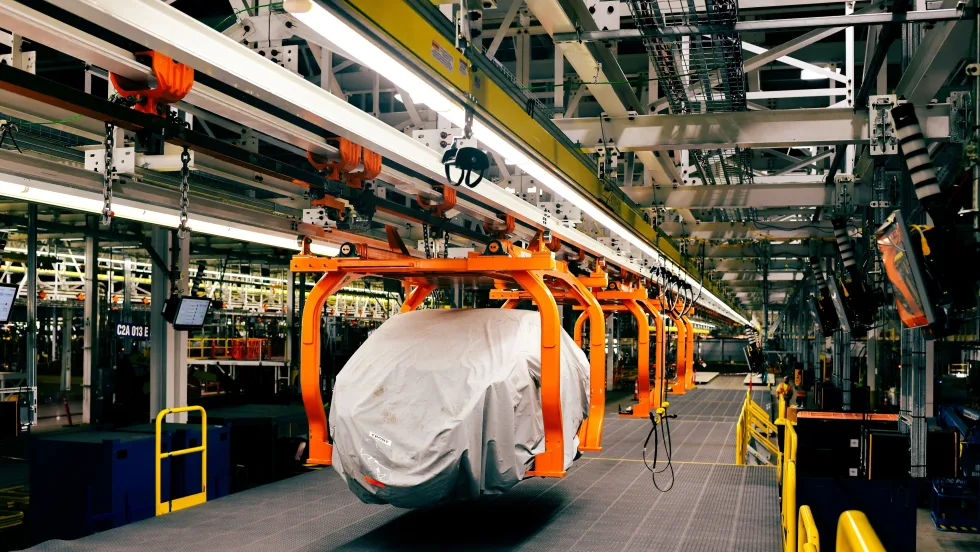
Ford Retools Louisville Plant for Fathom Electric Truck Production
Ford's $2 billion Louisville Assembly Plant overhaul introduces a three-part assembly process for the Fathom midsize electric truck, with production scheduled to begin in 2027.
Read More →
Merchants Fleet Reports 290M EV Miles as Fleets Navigate Changing Electrification Market
From millions in operating savings to hundreds of millions of EV miles, Merchants Fleet’s latest report reveals what’s working and what’s changing in fleet electrification.
Read More →
California District Commits to Electrify 25% of School Bus Fleet by 2028
One of the nation's largest school bus electrification projects to date demonstrates how grants, charging infrastructure, and public-private partnerships can help fleets transition to EVs at scale.
Read More →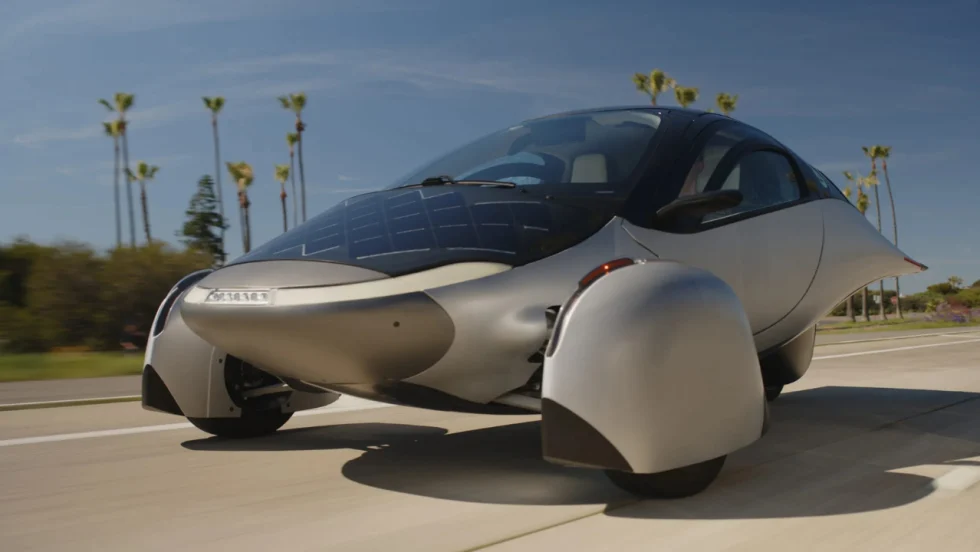
Aptera Orders Bodies and Chassis for Its First 40 Production Vehicles
Aptera Motors Corp. has issued purchase orders for the major structural components of its first 40 vehicles, and body and chassis components are expected to begin arriving in October.
Read More →