



More News: Electric Volvos Gain Access to 12,000 Tesla Superchargers
Volvo Updates 2024 Electric Vehicle Models
For the first time in 25 years, Volvo Car USA is offering a rear-wheel drive variant that provides improved range while maintaining the safety and secure driving dynamics of Volvo cars.
July 24, 2023
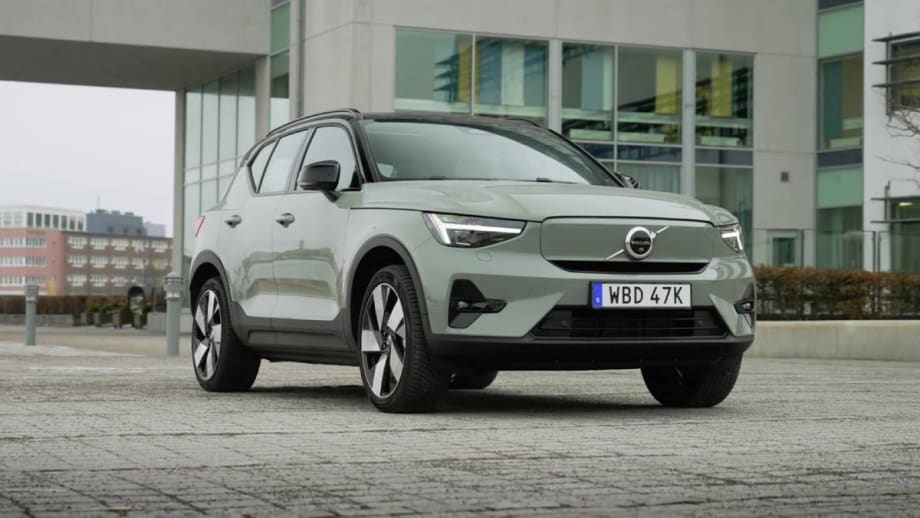
The fully electric Volvo C40 Recharge and XC40 Recharge both come with magnetic electric motors, developed in-house, driving the rear axles.
Photo: Volvo
3 min to read
The fully electric Volvo C40 Recharge and XC40 Recharge models have been updated for the 2024 model year to offer increased close to 300 miles, thanks to two new power trains offered on the C40 Recharge and XC40 Recharge.
The addition of rear-wheel drive variants – the first time in 25 years that Volvo Car USA is offering a rear-wheel drive product – provides improved range while maintaining the safe and secure driving dynamics typical of Volvo cars.
Another first for Volvo Cars is that the second-generation permanent magnet electric motor driving the rear axles for the fully electric C40 and XC40 models has been developed in-house at Volvo Cars.
“These updates are another big step in our work towards becoming a fully electric car maker by 2030,” said Javier Varela, chief operating officer and deputy chief executive at Volvo Cars, in a recent news release. “Range and charging times are new key factors for more and more of our customers, and these improvements make our fully electric models even more attractive than they already were.”
The Return of Rear-Wheel Power
With the weight of the battery and motors more evenly distributed throughout the vehicle, traction for the rear wheels is greatly improved when compared with a traditional front-engine ICE car.
The new single motor extended range C40 Recharge and XC40 Recharge feature a powerful 185 kW (248 hp) permanent magnet e-motor on the rear axle and an 82kWh battery pack. This combination of a more energy-dense battery and efficient motor allows the C40 Recharge and XC40 Recharge to achieve up to 297 and 293 miles of range, respectively on the combined EPA test cycle.
Charging power has improved as the uprated 82 kWh battery pack allows for charging at a top rate of 200 kW DC. Charging the car from 10% to 80% state-of-charge takes about 28 minutes.
An Updated All-Wheel Drive Variant
The twin motor all-wheel drive variants also benefit from these updates, providing them with additional range.
The previous set-up of two 150 kW electric motors on both front and rear axles has been replaced by Volvo's in-house developed 255 hp electric motor on the rear axle and a new 147 hp asynchronous electric motor on the front axle.
As the asynchronous motor does not require a constant electrical charge, the twin motor conserves energy by engaging the front-axle drive only when it’s needed, contributing to the improvements in range.
The twin motor variants of the C40 Recharge and XC40 Recharge retain the 78kWh battery pack with a top charging rate of 150 kW DC. This means the XC40 Recharge twin motor AWD can now drive up to 254 miles, a 31-mile boost over the previous iteration.
The range of the C40 Recharge twin motor has improved up to 257 miles from 226 miles (combined EPA cycle).
Exterior updates also help contribute to efficiency gains. For example, a new 19-inch alloy wheel for the C40 and XC40 Recharge not only boosts the overall look of the models, but it also helps to reduce drag through its aerodynamic design.
Additional changes across the Volvo line-up of cars and SUVs include new exterior paint colors and updates to available exterior themes.
Originally posted on Automotive Fleet
More Electric Vehicles
EV Charging Use Is Outpacing Infrastructure Growth
ChargePoint’s 2026 Charging Forward Report points to rising charger use, higher-powered charging, commercial vehicle electrification, and energy-management technology. Here’s what fleets should know.
Read More →
EV Realty Names Henrik Holland President as Charging Platform Expands
The former Prologis Mobility and Shell executive will help expand EV Realty’s truck charging business and move its power-first infrastructure model into autonomous vehicle depots and other fleet sectors.
Read More →
GreenPower Expands New Mexico EV Pilot With Larger Buses, V2G Testing
After logging more than 17,000 electric miles in the first year, New Mexico’s statewide pilot is moving into its second phase with larger vehicles, continued charging evaluations, and more.
Read More →
Can EV-as-a-Service Help Fleets Scale Electrification?
Sustainability Partners CEO Adam Cain explains how matching EVs, charging infrastructure, and duty cycles can help fleets scale electrification.
Read More →
How EV-as-a-Service Is Moving Fleets Beyond Pilots
Adam Cain, president and CEO of Sustainability Partners, explains how EV-as-a-service can help fleets scale deployments by addressing duty-cycle requirements and charging challenges.
Read More →
PowerFlex, The Mobility House Join Forces to Advance Fleet Electrification
Two EV charging providers are joining forces to deliver a broader portfolio of energy management and fleet electrification solutions.
Read More →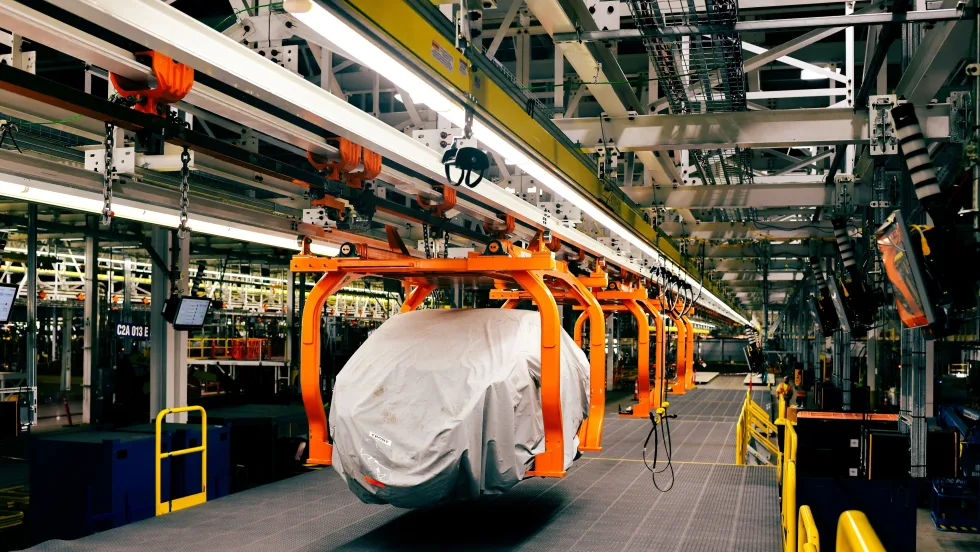
Ford Retools Louisville Plant for Fathom Electric Truck Production
Ford's $2 billion Louisville Assembly Plant overhaul introduces a three-part assembly process for the Fathom midsize electric truck, with production scheduled to begin in 2027.
Read More →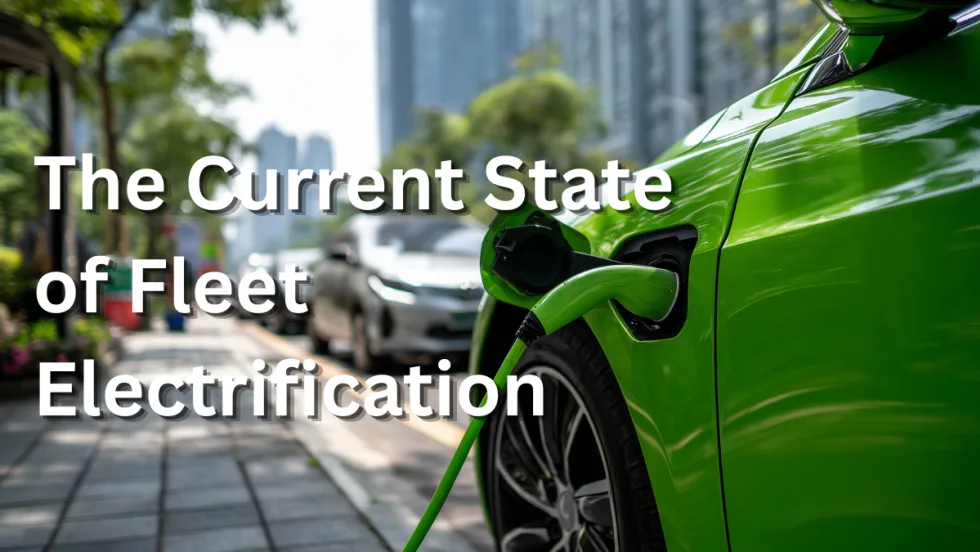
Merchants Fleet Reports 290M EV Miles as Fleets Navigate Changing Electrification Market
From millions in operating savings to hundreds of millions of EV miles, Merchants Fleet’s latest report reveals what’s working and what’s changing in fleet electrification.
Read More →
California District Commits to Electrify 25% of School Bus Fleet by 2028
One of the nation's largest school bus electrification projects to date demonstrates how grants, charging infrastructure, and public-private partnerships can help fleets transition to EVs at scale.
Read More →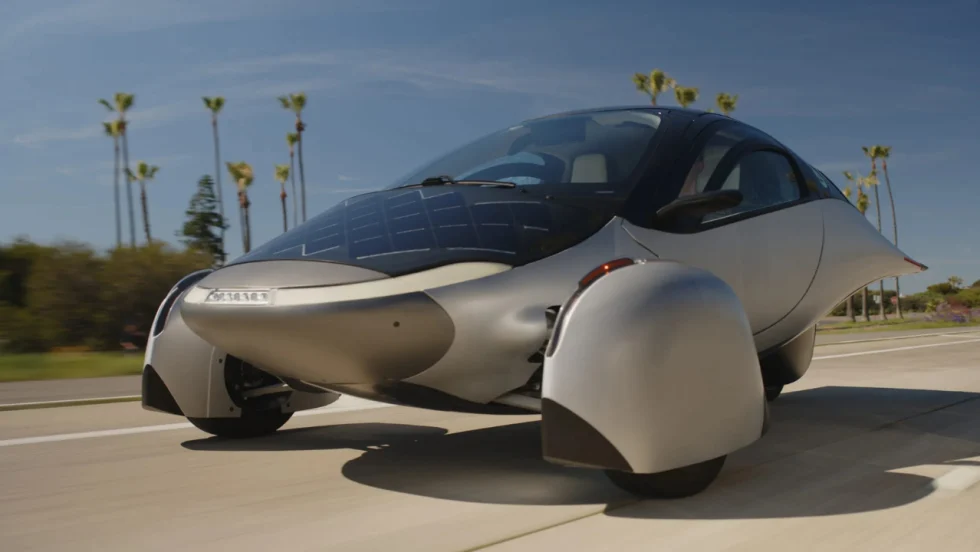
Aptera Orders Bodies and Chassis for Its First 40 Production Vehicles
Aptera Motors Corp. has issued purchase orders for the major structural components of its first 40 vehicles, and body and chassis components are expected to begin arriving in October.
Read More →