


Related: Fleet Electrification: Level 2 or DC Fast Charging?
Tritium Unveils Scalable Electric Vehicle Charging Platform
The Modular Scalable Charging hardware platform provides customers with the flexibility to increase the power level of their charger as EV charging capabilities advance, and “pay as you grow.”
by Staff
November 18, 2020
As part of the launch, the company also revealed the first charger built on the platform with the unveiling of its next-gen RTM75 DC Fast Charger, allowing drivers to add 75 km (46 mi) of range to an electric vehicle in 10 minutes of charging.
Photo via Tritium.
2 min to read
Tritium, a global provider of DC fast charging technology for electric vehicles, has unveiled the first platform to enable scalable electric vehicle charging networks with the launch of its MSC hardware platform.
The Modular Scalable Charging (MSC) hardware platform provides customers with the flexibility to increase the power level of their charger as EV charging capabilities advance, and “pay as you grow.” Charger power can be increased in 25kW increments, starting at 25kW and increasing to 350kW and beyond.
As part of the launch, the company also revealed the first charger built on the platform with the unveiling of its next-gen RTM75 DC Fast Charger, allowing drivers to add 75 km (46 mi) of range to an electric vehicle in 10 minutes of charging. The slim charger also allows for simultaneous charging of two vehicles at once and is built with urban, retail, fleet, and public environments in mind.
“This has been something the industry and our customers have asked for over the years, and we are the first company in the world to deliver it,” Jane Hunter, CEO of Tritium, said in a statement. “With our MSC platform, 50kW DC chargers can quickly be upgraded to 75kW, 100kW, and beyond, without a rip-and-replace required. This solution is future-proofing governments and network operators across the globe, something they have been crying out for. No longer is a charger just a charger; instead, it’s a first step to meet the needs of both today’s and tomorrow’s electric vehicles.”
Previously, network operators were required to pre-order and install chargers from a set of prefabricated charging options; often set at 50kW (fast or rapid chargers), 175kW, or 350kW (high power or ultra-fast chargers).
However, the MSC hardware platform allows for the quick installation of additional power electronics modules within each MSC-designed charger.
“The MSC hardware platform provides the next level of capital efficiency and scalability while still providing all the great attributes Tritium’s products have become known for: design, slimness, and low maintenance,” “The electrification of transportation is at tipping point, so our customers want to know how they can easily extend their charging site capacity over the coming years,” Dr. David Finn, chief growth officer and founder of Tritium, said in a statement. “They want no regrets and capital efficient scaling of their charging sites. Tritium’s MSC Hardware Platform allows our customers to scale their charging sites for half the price and configure their charging sites for a desired reliability.”
Originally posted on Automotive Fleet
More Vehicle Research
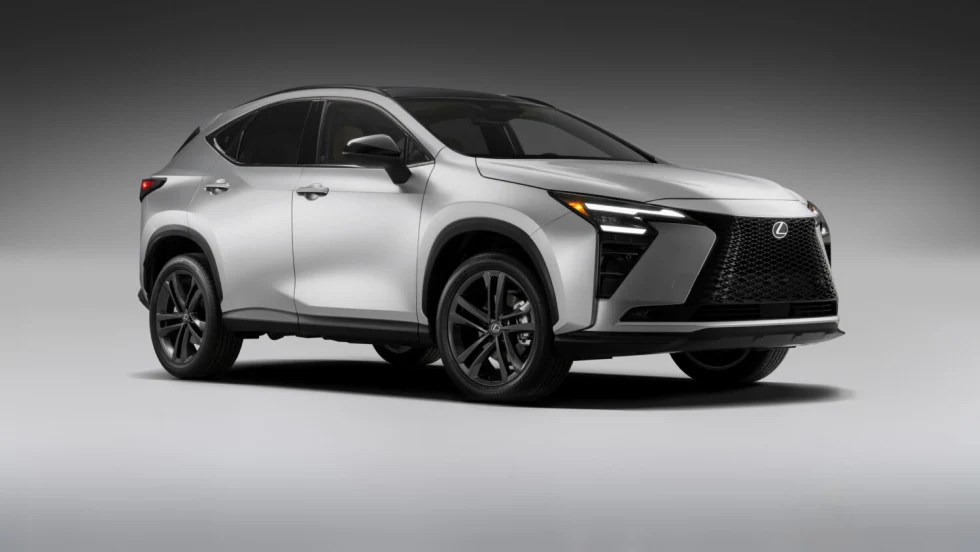
2027 Lexus NX Moves to Fully Electrified Lineup
For 2027, the NX moves to an entirely electrified lineup, with either hybrid or plug-in hybrid powertrains.
Read More →
2027 Mitsubishi Eclipse Sportback Named Green SUV of the Year
Green Car Journal recognized Mitsubishi’s new battery-electric crossover, which offers NACS compatibility and DC fast charging at up to 150 kW.
Read More →
Dave Carroll Named President of Ford Energy
Carroll succeeds Lisa Drake, who will remain with Ford through Dec. 31 to support the leadership transition.
Read More →
City of Long Beach Named No. 1 Green Fleet of 2026
NAFA's 2026 Green Fleet Awards recognized fleets for sustainability efforts spanning alternative fuels, technology, facilities, workplace culture and fleet operations.
Read More →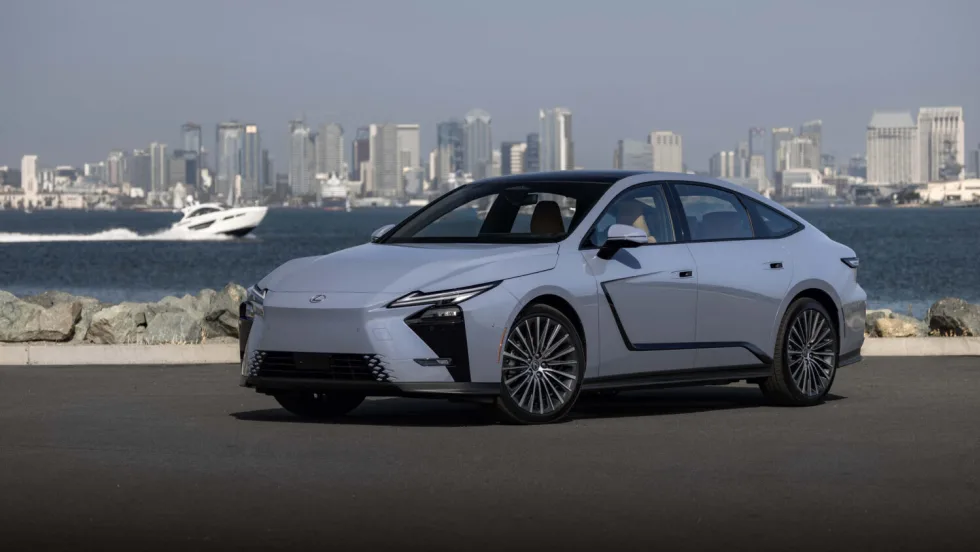
2027 Lexus ES Adds First Battery-Electric Models
The ES 350e and ES 500e join the hybrid ES lineup with up to 338 hp, an EPA-estimated 307 miles of range and standard NACS charging capability.
Read More →
EV Fleet Reality Check: What Operators Wish They Knew Before Electrifying Their Work Vans
Electric work truck upfits bring new compatibility questions. Learn how parts availability, OEM guidance, power demands, and route planning can affect fleet performance.
Read More →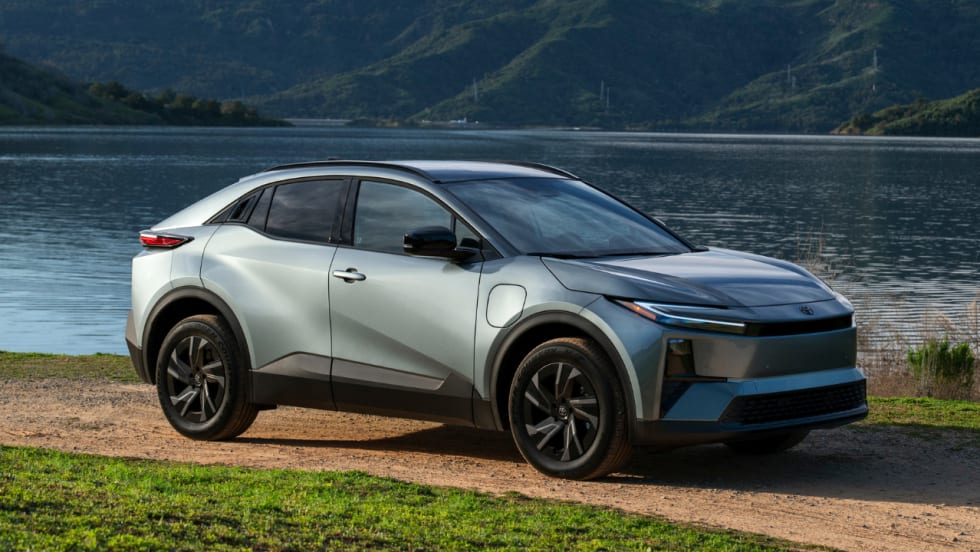
2027 Toyota C-HR Offers 287-Mile Range and Standard AWD
Toyota’s 2027 C-HR brings 287 miles of estimated range, standard all-wheel drive, and NACS fast-charging capability to the compact EV market. See what its mix of performance, cargo space, and everyday technology could offer business users.
Read More →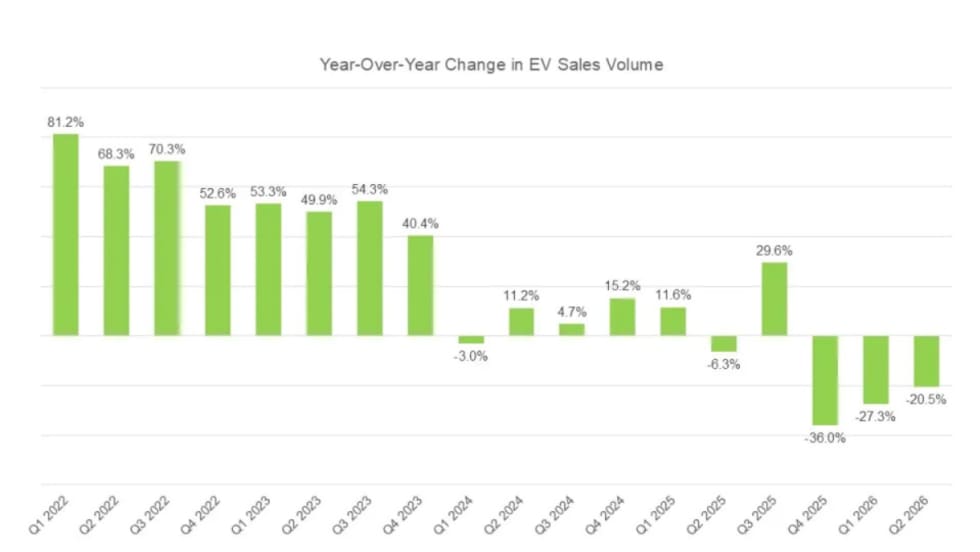
New Vehicle Models Stabilize Electrified Market In Q2
But more credit goes to hybrids than to all-electric vehicles, as more buyers look for fuel-efficient alternatives amid high gas prices.
Read More →
Slate Debuts Colorful, Unique EV Models
A recent media and client event, studded with electric vehicles dressed up on platforms, planted a new position for the manufacturer in the wider EV market. Fleets will find cost-saving advantages.
Read More →
Slate Electric SUV, Pickup Switchable Model Aims For Light-Duty Fleets
Everything about this EV is counterintuitive and understated, making it stand out from the crowd.
Read More →