


Toyota, Oncor Join to Advance Smart EV Charging Network
The companies aim to offer seamless electrified mobility through a vehicle-to-grid pilot project.


The results from the research will allow Toyota and Oncor to better support the broader EV charging infrastructure in the U.S. It is designed to provide more reliable charging for Toyota's EV customers.
Photo: Toyota
If America wants to maximize electric vehicle charging, then the transmission needs to be a two-way plug-in street.
To that end, Toyota Motor North America and Oncor Electric Delivery, a Texas-based electric transmission and distribution company, agreed recently to launch a joint test project offering vehicle-to-grid (V2G) services. With this technology, EVs can flow power from their battery backs onto the electric grid.
The effort will be led by Toyota's Electric Vehicle Charging Solutions (EVCS) team, marking a first collaboration with a public utility for Toyota in the U.S. centered on battery electric vehicles.
What the EV Charging Project Will Show
The results from the research will allow Toyota and Oncor to better support the broader EV charging infrastructure in the U.S. It is designed to provide more reliable charging for Toyota's EV customers.
"We envision a future where Toyota BEVs can be used by our customer to power their homes, their communities or even power back the electric grid in times of need," said Christopher Yang, group vice president of the Toyota EVCS team, in a news release.
"Our collaboration with Oncor is an important step for us to understand the needs of utilities, as we plan to work closely with them to ensure every community can embrace Toyota's shift to electrified vehicles."
Jim Greer, Oncor executive vice president and COO, said Toyota will help Oncor better understand how the electric grid can enable V2G transactions across its service territory. "We look forward to someday implementing the lessons learned from this pilot project in benefit of the many communities we serve."
How the V2G Research Will Work
Initially, the two companies have agreed to a research project that will use Oncor's research and testing microgrid at its System Operating Services Facility (SOSF) in south Dallas, located just south of Toyota's nearby national headquarters.
The SOSF microgrid is composed of four interconnected microgrids that can be controlled independently, but also operated in parallel, tandem or combined into a single, larger system.
The microgrid and its subsystems also include a "V2G" charger, solar panels and battery storage for testing and evaluation.
Toyota and Oncor plan to use a BEV along with the system to better understand the interconnectivity between BEVs and utilities.
Phase 2 EV Connections
A second phase of the project slated for 2023 will include a V2G pilot where testing will be conducted with BEVs connected at homes or businesses within Oncor's service territory, pursuant to all standard interconnection processes and agreements.
The collaboration will help provide both Oncor and Toyota insight into the current and future needs of its customers.
Then it will provide Oncor with additional insight into the infrastructure needed to enable the rapid growth of EVs and EV charging infrastructure, meet their needs and support electric vehicles and better understand the effects of V2G on the electric grid.
Toyota's first mass-market BEV, the bZ4X, went on sale this past year in the U.S. and Canada. The first Lexus BEV, the RZ 450e, is scheduled to go on sale in early 2023.
More Charging
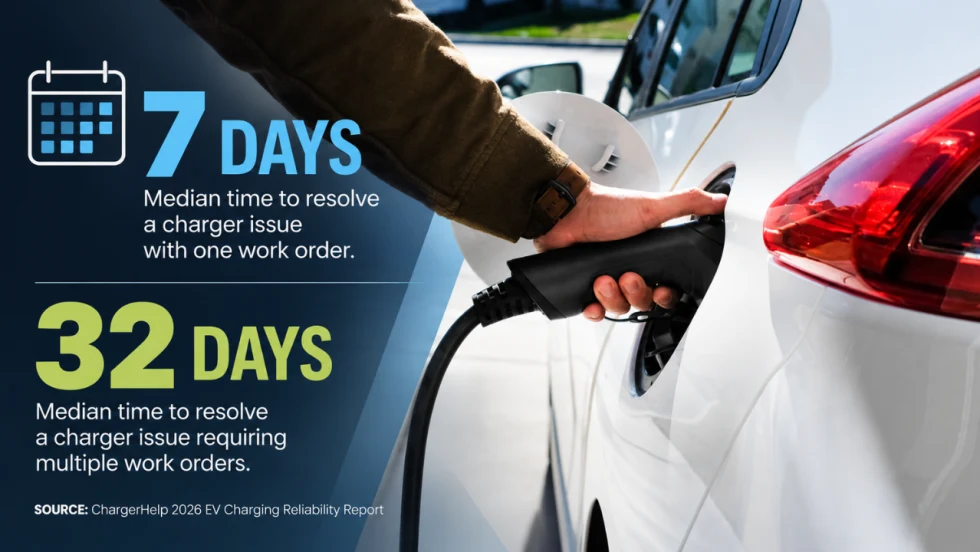
What Happens When an EV Charger Goes Down at Your Fleet Depot?
A failed EV charger can disrupt routes, delay vehicles, and create unexpected costs. Here's how fleets can troubleshoot problems, arrange backup charging, and minimize downtime.
Read More →
California Opens $28 Million in EV Fast-Charging Incentives
The Fast Charge California Project offers up to $100,000 per charging port for eligible, ready-to-build public charging projects, with applications open through Jan. 14, 2027.
Read More →
Honda Develops In-Motion Wireless EV Charging Technology for Commercial Vehicles
Honda, Taisei and Taisei Rotec are developing a road-embedded wireless charging system capable of transferring up to 150 kW, with public-road testing planned in Japan beginning in fiscal 2027.
Read More →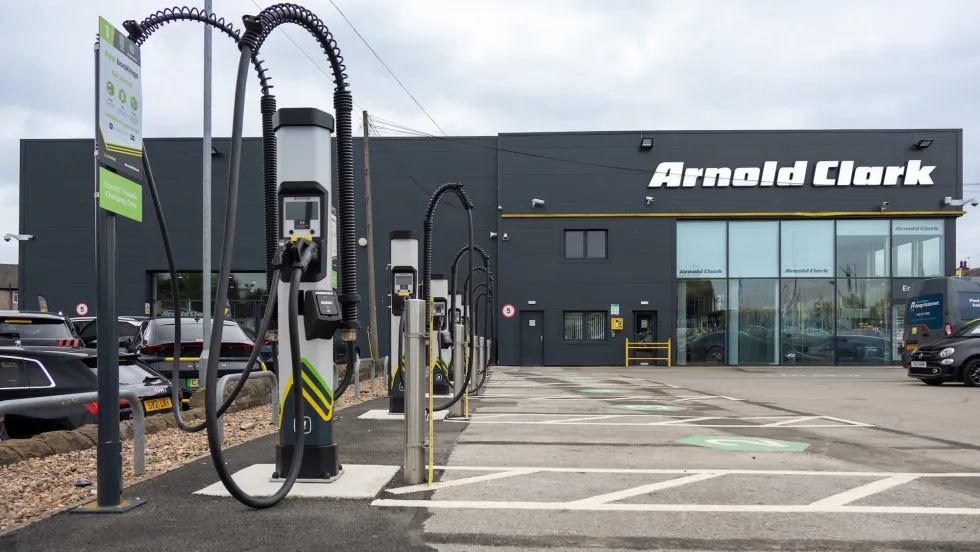
Arnold Clark Charge Opens Six Ultra-Rapid EV Chargers in Huddersfield
The new public charging site brings the Arnold Clark Charge network to 63 locations across the U.K., with charging priced at 55 pence per kWh.
Read More →
ChargerHelp Report Finds EV Charger Recovery Delays Can Stretch Beyond a Month
An analysis of approximately 500 million data points found charging issues requiring multiple work orders took a median of 32 days to resolve, highlighting the operational impact of diagnostics and repair coordination.
Read More →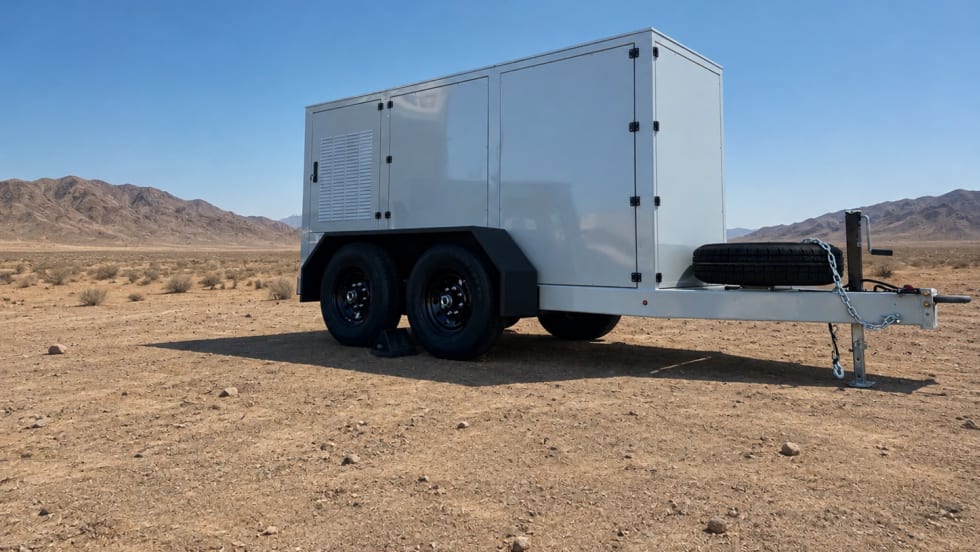
Xos Mobile Charging Hub Surpasses 1 GWh of Energy Delivered
As fleets electrify, charging capacity does not always arrive on the same timeline as the vehicles. Operating data from one Xos Hub shows how mobile, grid-independent charging can support vehicles when permanent infrastructure or utility upgrades aren't available.
Read More →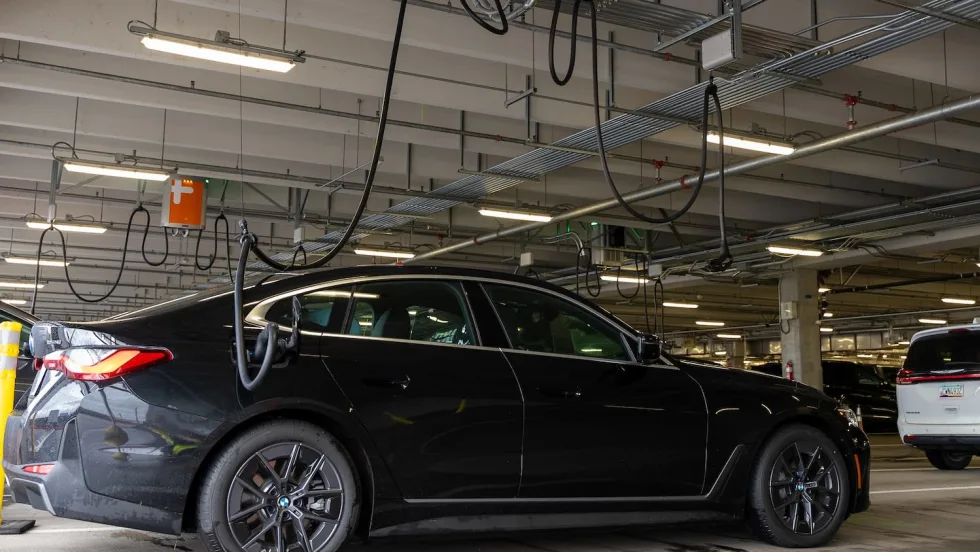
ChargePoint Adds Overhead EV Fast Charging at Portland International Airport
The installation can charge up to 20 rental vehicles simultaneously and uses overhead equipment to preserve ground-level space at the airport's Quick Turnaround Facility.
Read More →
Octopus Energy Launches Public EV Charging App in U.S.
Octopus Charge allows EV drivers to locate and access public charging stations through a single app, building on the company's Electroverse platform in Europe.
Read More →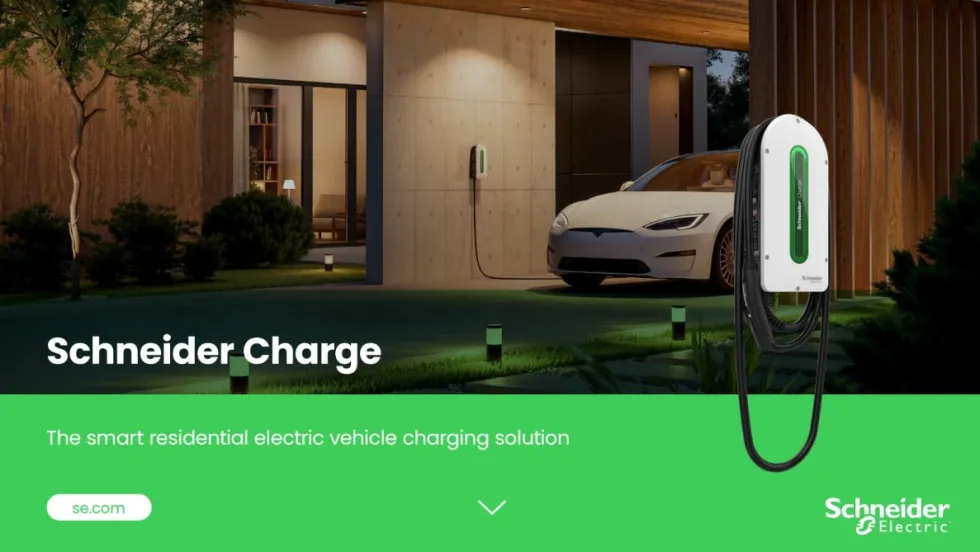
Schneider Electric Launches Level 2 Home EV Charger With Integrated Load Management
Schneider Charge uses integrated SmartAmp technology to adjust charging output based on household electrical demand and is available with NACS or J1772 connectors.
Read More →
Why EV Charging Reliability Is More Complicated Than It Looks
GridLink CEO Josh Silets explains what causes EV chargers to fail, why fleet operators often struggle to identify the source, and what questions they should ask charging vendors.
Read More →