



See More: Autonomous Technology: The Future Is Now
Tesla Plans to Mass Produce Robotaxis by 2024
During Tesla’s first quarter 2022 earnings call, CEO Elon Musk predicted that Tesla would start its robotaxi production by 2024.
April 28, 2022
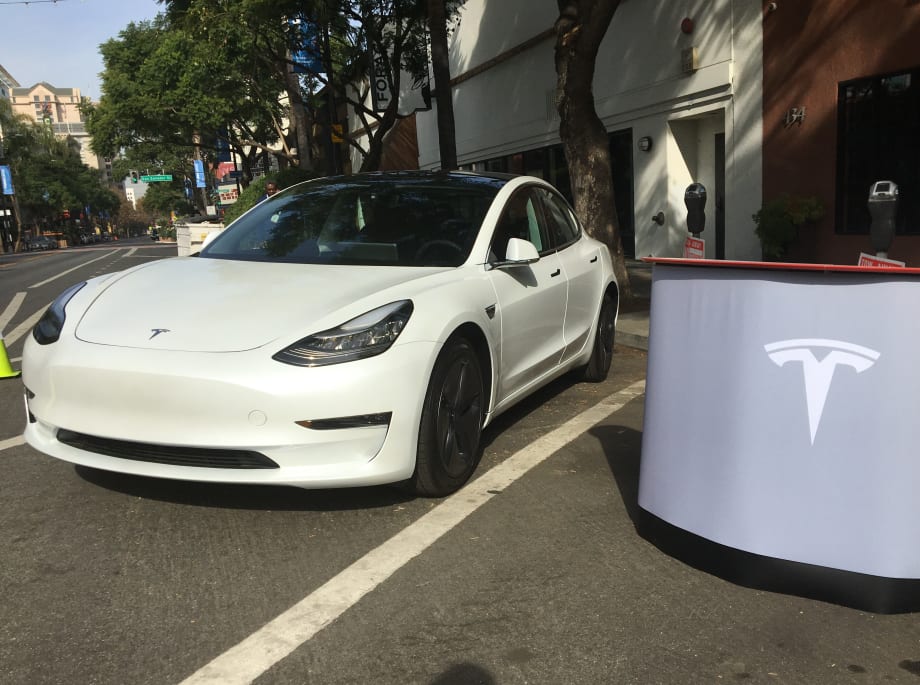
A Tesla Model 3 awaits attendees of the 2019 Fleet Forward Conference in San Jose. Today, Tesla owners can buy the full self-driving software (FSD), but it’s not yet capable of driving on its own.
Photo: Tesla
2 min to read
Tesla plans to mass produce a dedicated robotaxi by 2024. Elon Musk, CEO of Tesla, made this announcement during Tesla’s first quarter 2022 earnings call.
The robotaxi wouldn’t have a steering wheel or pedals. In two years, Tesla would need to develop, test, produce at volume, and commercially launch a robotaxi service that meets regulations, according to a report by Tech Crunch.
“I think it can be a very powerful product where we aspire to reach volume production in 2024,” Musk said in the earnings call. “I think [the robotaxi] really will be a massive driver of Tesla’s growth.”
This is the first time that Musk has mentioned the robotaxi as a stand-alone product, according to the report. In the past, he has talked about turning the Tesla vehicles (owned by people today) into their own robotaxi via an upgraded advanced driving assistance system called Full Self-Driving software, which currently costs $12,000.
Tesla owners can buy the full self-driving software (FSD), but it’s not capable of driving on its own, according to the report. Currently, it’s a level 2 advanced driving-assistance system and still needs a human driver to take control.
During the Tesla call, Musk mentioned that the robotaxis would provide customers with a lower cost option. “Looking at some of our projections, it would appear that a robotaxi ride will cost less than a bus ticket, a subsidized bus ticket, or a subsidized subway ticket,” said Musk.
During the call, Musk also talked about the difficulties of reaching actual full self-driving.
“With respect to full self-driving, of any technology development I’ve been involved in, I’ve never really seen more false dawns or where it seems like we’re going to break through, but we don’t, as I’ve seen in self-driving,” said Musk. “And ultimately what it comes down to is that to sell full self-driving, you actually have to solve real-world artificial intelligence, which nobody has solved. And so actually, when you think about it, in order to solve driving, we have to solve neural nets and cameras to a degree of capability that is on par with, or really exceeds humans. And I think we will achieve that this year.”
Originally posted on Automotive Fleet
More Electric Vehicles
EV Charging Use Is Outpacing Infrastructure Growth
ChargePoint’s 2026 Charging Forward Report points to rising charger use, higher-powered charging, commercial vehicle electrification, and energy-management technology. Here’s what fleets should know.
Read More →
EV Realty Names Henrik Holland President as Charging Platform Expands
The former Prologis Mobility and Shell executive will help expand EV Realty’s truck charging business and move its power-first infrastructure model into autonomous vehicle depots and other fleet sectors.
Read More →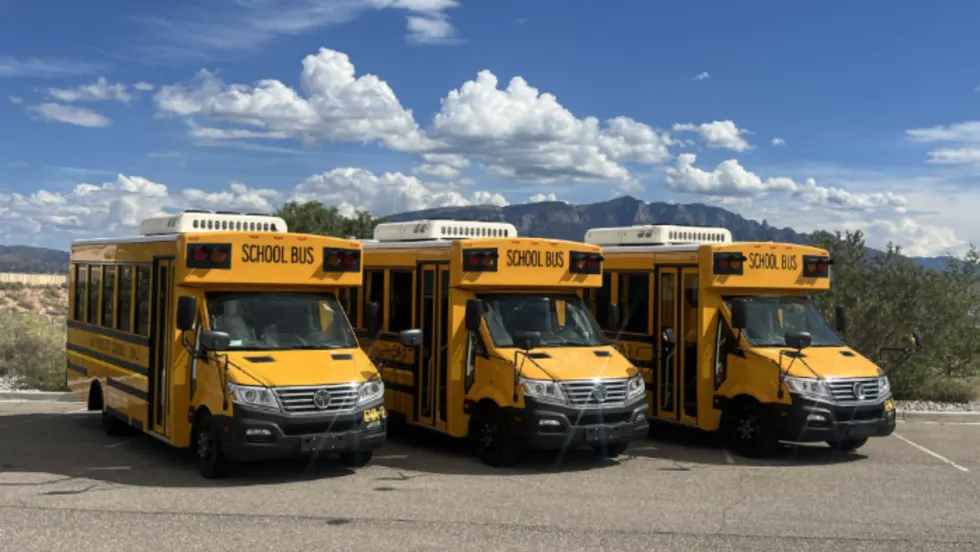
GreenPower Expands New Mexico EV Pilot With Larger Buses, V2G Testing
After logging more than 17,000 electric miles in the first year, New Mexico’s statewide pilot is moving into its second phase with larger vehicles, continued charging evaluations, and more.
Read More →
Can EV-as-a-Service Help Fleets Scale Electrification?
Sustainability Partners CEO Adam Cain explains how matching EVs, charging infrastructure, and duty cycles can help fleets scale electrification.
Read More →
How EV-as-a-Service Is Moving Fleets Beyond Pilots
Adam Cain, president and CEO of Sustainability Partners, explains how EV-as-a-service can help fleets scale deployments by addressing duty-cycle requirements and charging challenges.
Read More →
PowerFlex, The Mobility House Join Forces to Advance Fleet Electrification
Two EV charging providers are joining forces to deliver a broader portfolio of energy management and fleet electrification solutions.
Read More →
Ford Retools Louisville Plant for Fathom Electric Truck Production
Ford's $2 billion Louisville Assembly Plant overhaul introduces a three-part assembly process for the Fathom midsize electric truck, with production scheduled to begin in 2027.
Read More →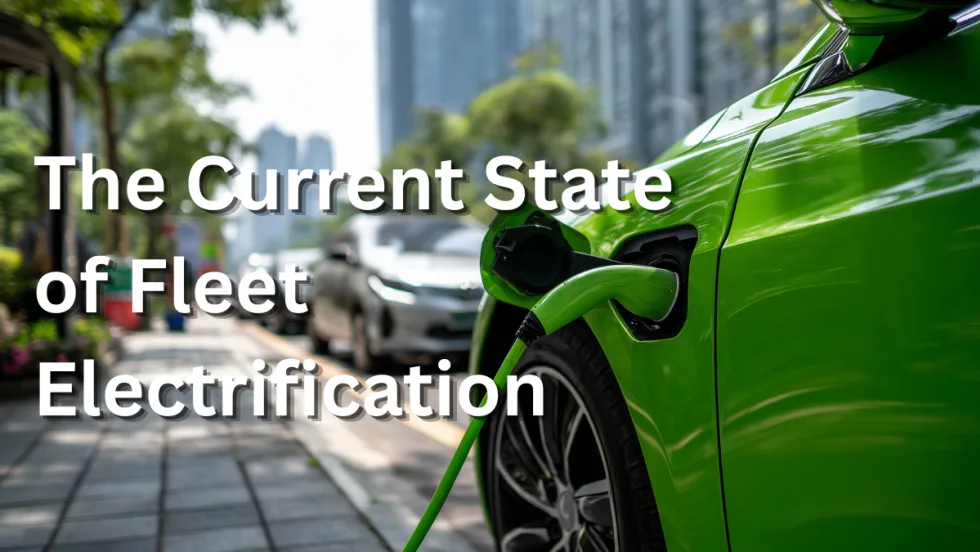
Merchants Fleet Reports 290M EV Miles as Fleets Navigate Changing Electrification Market
From millions in operating savings to hundreds of millions of EV miles, Merchants Fleet’s latest report reveals what’s working and what’s changing in fleet electrification.
Read More →
California District Commits to Electrify 25% of School Bus Fleet by 2028
One of the nation's largest school bus electrification projects to date demonstrates how grants, charging infrastructure, and public-private partnerships can help fleets transition to EVs at scale.
Read More →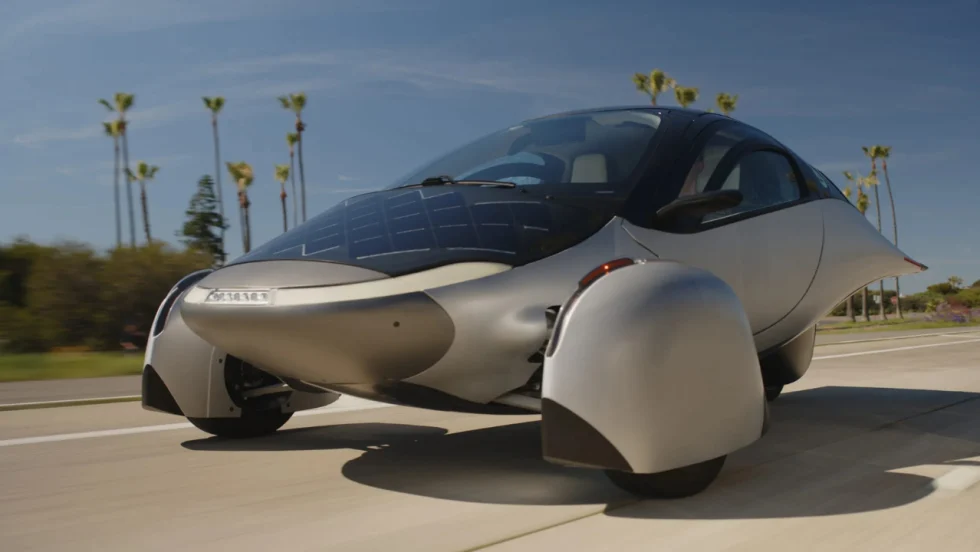
Aptera Orders Bodies and Chassis for Its First 40 Production Vehicles
Aptera Motors Corp. has issued purchase orders for the major structural components of its first 40 vehicles, and body and chassis components are expected to begin arriving in October.
Read More →