


SDG&E Launches Charging Infrastructure for Trucks & More
San Diego Gas & Electric (SDG&E) launched Power Your Drive for Fleets, a program to enable charging infrastructure to support the transition to zero-emission buses, trucks, forklifts, and other medium- and heavy-duty vehicles and equipment.


The SDG&E medium- and heavy-duty electric vehicle charging infrastructure process follows a few basic steps over a several month timeline.
Photo: SDG&E
As part of its commitment to support California’s climate action goals and help build a clean energy economy, San Diego Gas & Electric (SDG&E) announced the launch of Power Your Drive for Fleets, a large-scale program that will enable charging infrastructure to support the transition to zero-emission buses, trucks, forklifts, and other medium- and heavy-duty vehicles and equipment.
At the same time, SDG&E announced its goal to transition its own entire operations fleet – including pickup trucks and bucket trucks – to zero emission vehicles (ZEV) by 2040.
Power Your Drive for Fleets will install charging infrastructure to support a minimum of 300 locations and facilitate the deployment of at least 3,000 medium- and heavy-duty electric vehicles in the San Diego region over the next five years.
“One of the most impactful ways to tackle climate change and air pollution is to reimagine our transportation sector as it is the single largest source of harmful emissions in our region and throughout California,” said Estela de Llanos, SDG&E’s vice president of clean transportation, sustainability and chief environmental officer. “As we support local businesses and organizations to electrify their fleets, it’s important that we live by example and are working simultaneously to transition our own fleet of about 1,700 vehicles to zero-emission vehicles.”
By 2030, SDG&E aims to electrify 100% of its light-duty fleet vehicles and transition 30% of its overall fleet to ZEVs by 2030. And by 2040, the company aims to have a 100% zero-emission fleet. Since 2010, SDG&E has replaced 17% of its fleet with low-emission vehicles.
Transitioning to a zero-emission fleet can result in significant financial and environmental benefits. Aside from eliminating tailpipe emissions, fleet owners may be able to reduce total cost of ownership over the long term and simplify vehicle maintenance, as electric and other zero emission vehicles have fewer moving parts than conventional vehicles. However, installing the electrical infrastructure required to power a zero-emission fleet can be time- and cost-intensive because it may require upgrading transformers and other underlying infrastructure due to the amount of power that larger vehicles and equipment draw from the grid.
To minimize or eliminate these up-front costs, SDG&E’s Power Your Drive for Fleets program makes it easier and more cost-effective for organizations with fleets to install electric vehicle charging infrastructure. Power Your Drive for Fleets connects fleets with reduced electricity pricing plans, financial incentives, and rebates, as well as site design, permitting, construction, activation, maintenance, and upgrade support.
The program also offers additional rebates on charging equipment for schools, transit agencies, and eligible sites located in communities that struggle with socio-economic disadvantages, including air pollution due to proximity to traffic or large commercial/industrial facilities.
Originally posted on Work Truck Online
More Charging
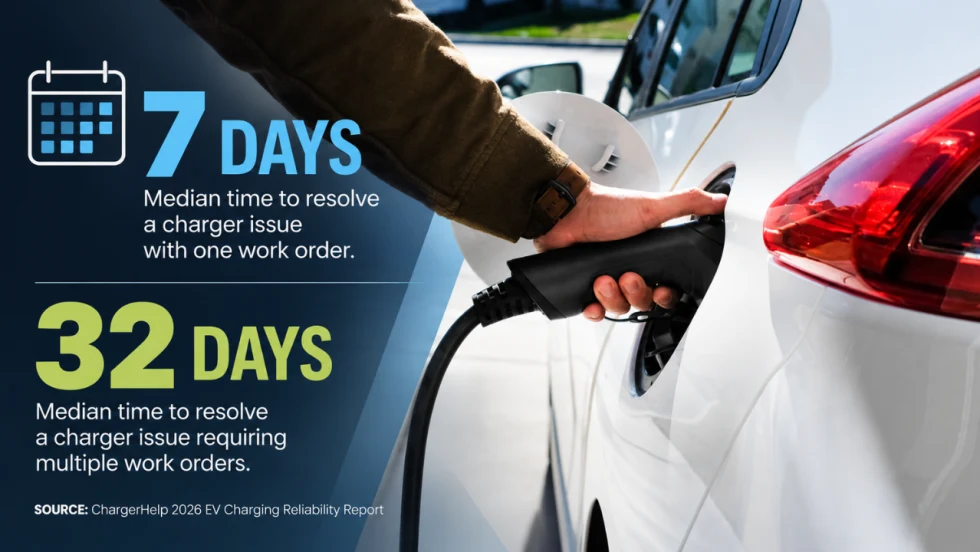
What Happens When an EV Charger Goes Down at Your Fleet Depot?
A failed EV charger can disrupt routes, delay vehicles, and create unexpected costs. Here's how fleets can troubleshoot problems, arrange backup charging, and minimize downtime.
Read More →
California Opens $28 Million in EV Fast-Charging Incentives
The Fast Charge California Project offers up to $100,000 per charging port for eligible, ready-to-build public charging projects, with applications open through Jan. 14, 2027.
Read More →
Honda Develops In-Motion Wireless EV Charging Technology for Commercial Vehicles
Honda, Taisei and Taisei Rotec are developing a road-embedded wireless charging system capable of transferring up to 150 kW, with public-road testing planned in Japan beginning in fiscal 2027.
Read More →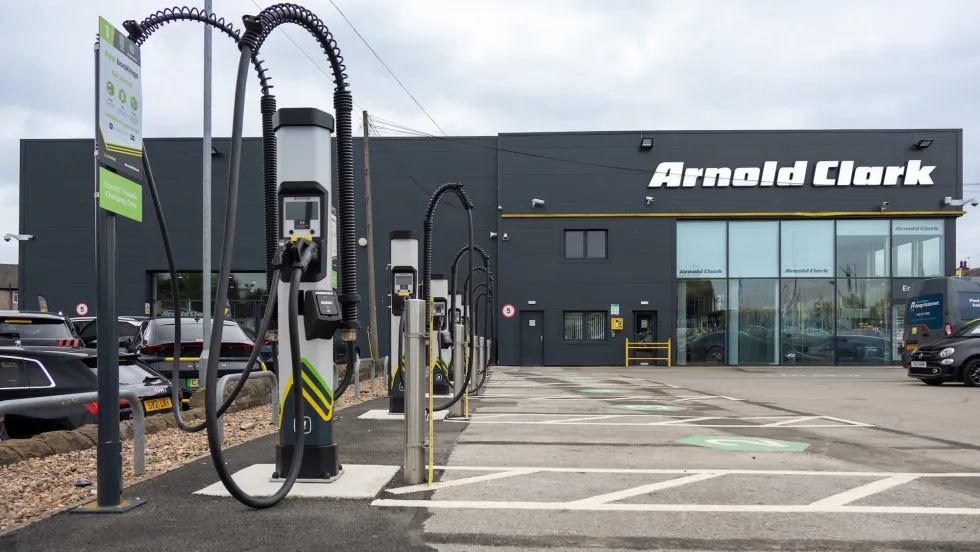
Arnold Clark Charge Opens Six Ultra-Rapid EV Chargers in Huddersfield
The new public charging site brings the Arnold Clark Charge network to 63 locations across the U.K., with charging priced at 55 pence per kWh.
Read More →
ChargerHelp Report Finds EV Charger Recovery Delays Can Stretch Beyond a Month
An analysis of approximately 500 million data points found charging issues requiring multiple work orders took a median of 32 days to resolve, highlighting the operational impact of diagnostics and repair coordination.
Read More →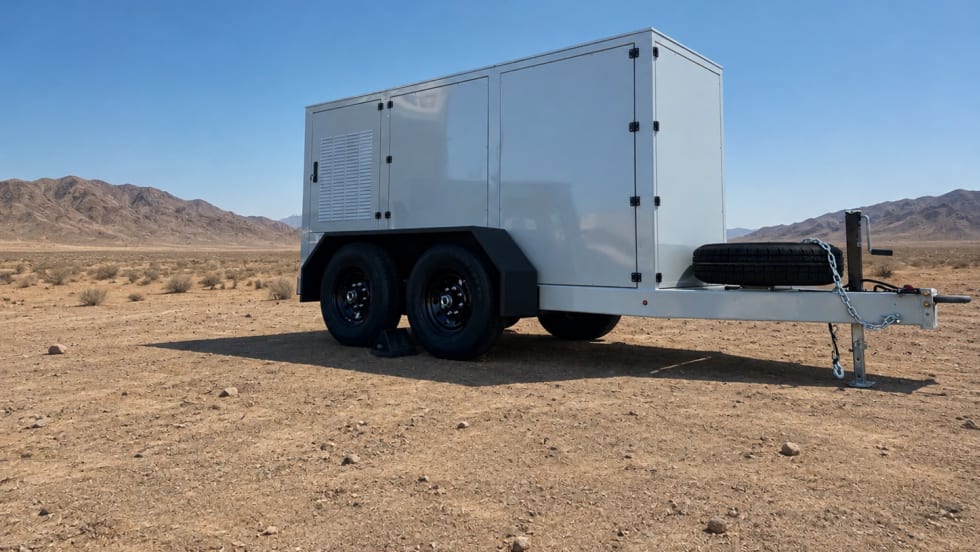
Xos Mobile Charging Hub Surpasses 1 GWh of Energy Delivered
As fleets electrify, charging capacity does not always arrive on the same timeline as the vehicles. Operating data from one Xos Hub shows how mobile, grid-independent charging can support vehicles when permanent infrastructure or utility upgrades aren't available.
Read More →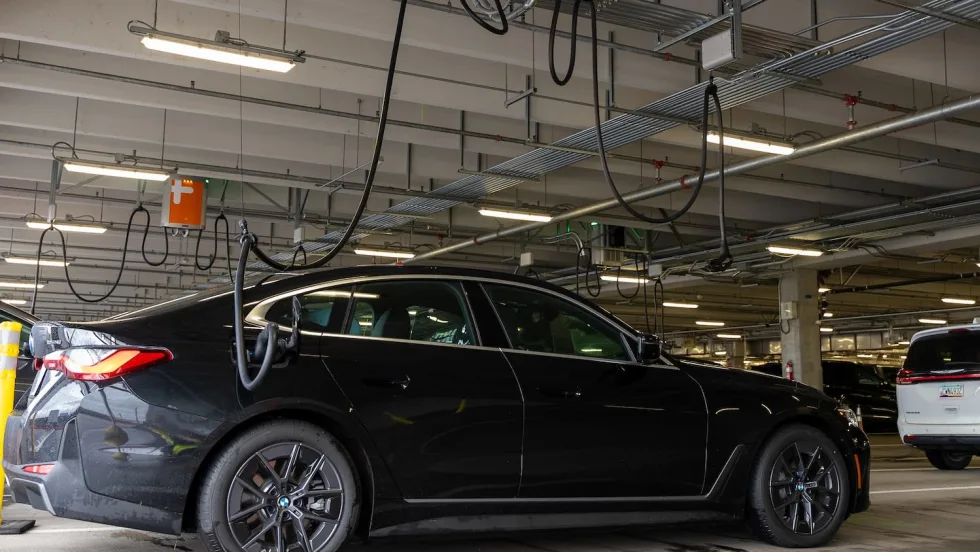
ChargePoint Adds Overhead EV Fast Charging at Portland International Airport
The installation can charge up to 20 rental vehicles simultaneously and uses overhead equipment to preserve ground-level space at the airport's Quick Turnaround Facility.
Read More →
Octopus Energy Launches Public EV Charging App in U.S.
Octopus Charge allows EV drivers to locate and access public charging stations through a single app, building on the company's Electroverse platform in Europe.
Read More →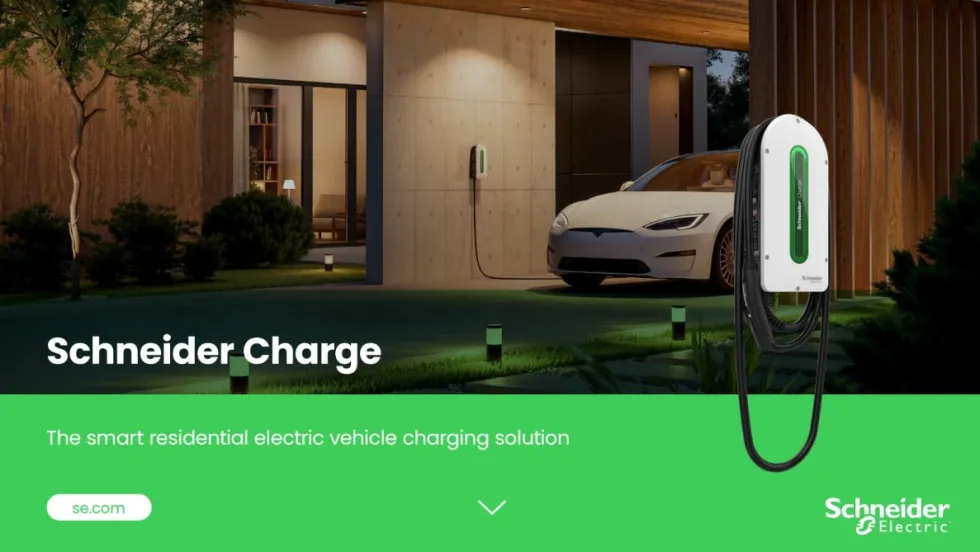
Schneider Electric Launches Level 2 Home EV Charger With Integrated Load Management
Schneider Charge uses integrated SmartAmp technology to adjust charging output based on household electrical demand and is available with NACS or J1772 connectors.
Read More →
Why EV Charging Reliability Is More Complicated Than It Looks
GridLink CEO Josh Silets explains what causes EV chargers to fail, why fleet operators often struggle to identify the source, and what questions they should ask charging vendors.
Read More →