



Big Picture: Auto Market Likely Returns to Old Normal in 2024
Record 1.2 Million EVs Sold in U.S. Last Year
While sales reached all-time highs, the oft-reported slowdown in the pace of growth is real as electric vehicles still remain too expensive for many average car buyers.
January 10, 2024

The German luxury brands have all lost share to Tesla over the past five years, but new products are certainly attracting luxury EV buyers back to the traditional Bavarian nameplates. Last year, 12.5% of BMW sales were EVs. Audi and Mercedes also increased their EV sales, which now account for 11% and 11.5% of total brand sales, respectively.
Graphic: Cox Automotive
3 min to read
A record 1.2 million U.S. vehicle buyers chose to go electric last year, according to estimates from Kelley Blue Book released Jan. 9.
Specifically, 1,189,051 new electric vehicles (EVs) were put into service as the slow shift to an electrified future continued unabated. In 2023, the EV share of the total U.S. vehicle market was 7.6%, according to Kelley Blue Book estimates. That is up from 5.9% in 2022.
Digging into the EV Data
EV sales in the fourth quarter set a record for both volume and share: 317,168 and 8.1%, respectively. And while records were set, the oft-reported slowdown is real. Q4 EV sales increased year over year by 40% – a strong result by any measure, except when compared to the growth the industry saw in previous quarters. The market posted a 49% gain in Q3, and EV sales were up 52% year over year in Q4 2022. By volume, EV sales in Q4 were higher than in Q3 by about 5,000 units. The EV market in the U.S. is still growing, but not growing as fast.
The Cox Automotive Economic and Industry Insights team is calling 2024 “the Year of More” when it comes to EVs. More new product, more incentives, more inventory, more leasing, more infrastructure – all the more will combine to push EV sales higher in the year ahead. The team forecasts EV share of the U.S. market in 2024 will reach 10%.
According to December transaction price data shared during the Cox Automotive Industry Insights Webcast early in January, transaction price parity between internal combustion engine vehicles and EVs looks more realistic in the coming years.
Still, EVs remain expensive. Last month, the average price paid for a new EV was $50,789, according to Kelley Blue Book estimates. Shifts in tax incentives will both help and hurt buyers in the year ahead – fewer vehicles now qualify, but the ability for dealers to apply any tax credits at the point of sale will help. Generally speaking, shoppers are still hard-pressed to find a new EV with a manufacturer’s suggested retail price below $40,000. In fact, there were two last month: The Chevy Bolt and Nissan Leaf.
Tesla remains the undisputed champion of EV sales in the U.S., capturing 55% of the EV market in 2023. That’s down from 65% in 2022, but lower prices are clearly fortifying the company’s position. Tesla’s share increased in Q4 after falling to an all-time low in Q3. Notably, the Model Y accounted for 33% of all EVs sold in 2023. Tesla’s share of the total U.S. market reached an all-time high of 4.2% in calendar year 2023, a number that was not lost on Tesla boss Elon Musk and his humor. Tesla outsold VW, Subaru and others in 2023.
The German luxury brands have all lost share to Tesla over the past five years, but new products are certainly attracting luxury EV buyers back to the traditional Bavarian nameplates. Last year, 12.5% of BMW sales were EVs. Audi and Mercedes also increased their EV sales, which now account for 11% and 11.5% of total brand sales, respectively. Nearly all automakers should see their share of EV sales increase in the year ahead, and those not currently in the game will jump in.
Still, in the automobile business, nothing happens quickly. EV growth will continue to slow, and in the year ahead, we may even report the first quarter-over-quarter sales decline in more than three years. Regardless, the Cox Automotive Industry Insights team is forecasting more growth in the EV market. The momentum is there and is not going away.
Originally posted on Automotive Fleet
More Electric Vehicles

EV Charging Use Is Outpacing Infrastructure Growth
ChargePoint’s 2026 Charging Forward Report points to rising charger use, higher-powered charging, commercial vehicle electrification, and energy-management technology. Here’s what fleets should know.
Read More →
EV Realty Names Henrik Holland President as Charging Platform Expands
The former Prologis Mobility and Shell executive will help expand EV Realty’s truck charging business and move its power-first infrastructure model into autonomous vehicle depots and other fleet sectors.
Read More →
GreenPower Expands New Mexico EV Pilot With Larger Buses, V2G Testing
After logging more than 17,000 electric miles in the first year, New Mexico’s statewide pilot is moving into its second phase with larger vehicles, continued charging evaluations, and more.
Read More →
Can EV-as-a-Service Help Fleets Scale Electrification?
Sustainability Partners CEO Adam Cain explains how matching EVs, charging infrastructure, and duty cycles can help fleets scale electrification.
Read More →
How EV-as-a-Service Is Moving Fleets Beyond Pilots
Adam Cain, president and CEO of Sustainability Partners, explains how EV-as-a-service can help fleets scale deployments by addressing duty-cycle requirements and charging challenges.
Read More →
PowerFlex, The Mobility House Join Forces to Advance Fleet Electrification
Two EV charging providers are joining forces to deliver a broader portfolio of energy management and fleet electrification solutions.
Read More →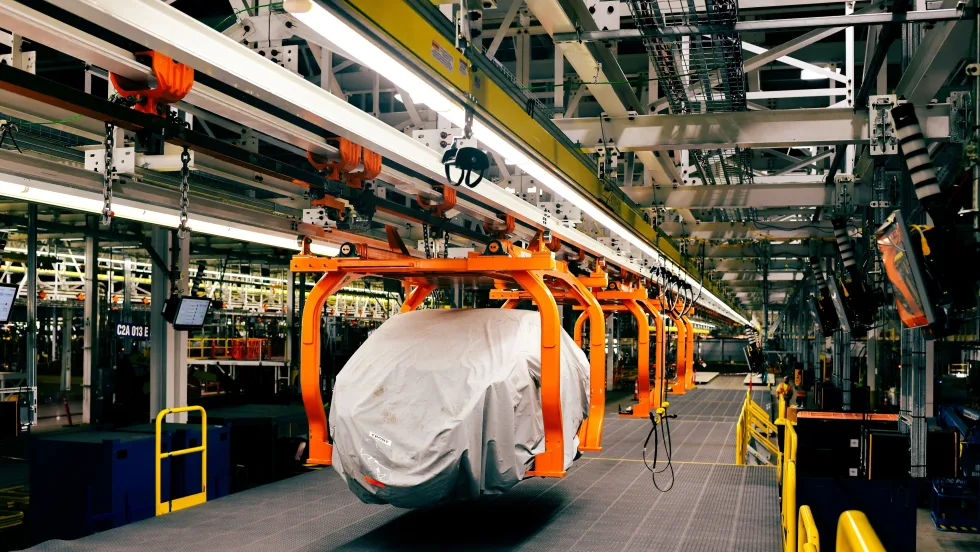
Ford Retools Louisville Plant for Fathom Electric Truck Production
Ford's $2 billion Louisville Assembly Plant overhaul introduces a three-part assembly process for the Fathom midsize electric truck, with production scheduled to begin in 2027.
Read More →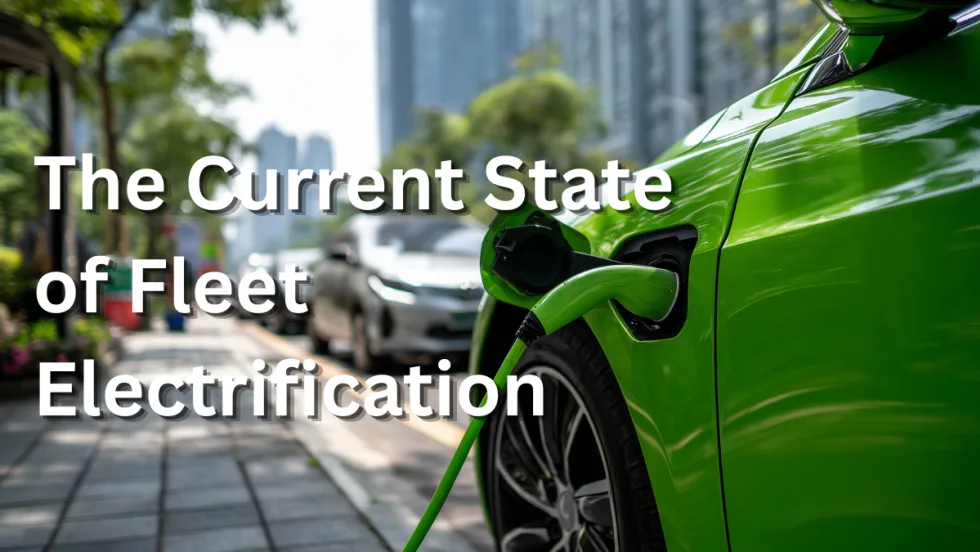
Merchants Fleet Reports 290M EV Miles as Fleets Navigate Changing Electrification Market
From millions in operating savings to hundreds of millions of EV miles, Merchants Fleet’s latest report reveals what’s working and what’s changing in fleet electrification.
Read More →
California District Commits to Electrify 25% of School Bus Fleet by 2028
One of the nation's largest school bus electrification projects to date demonstrates how grants, charging infrastructure, and public-private partnerships can help fleets transition to EVs at scale.
Read More →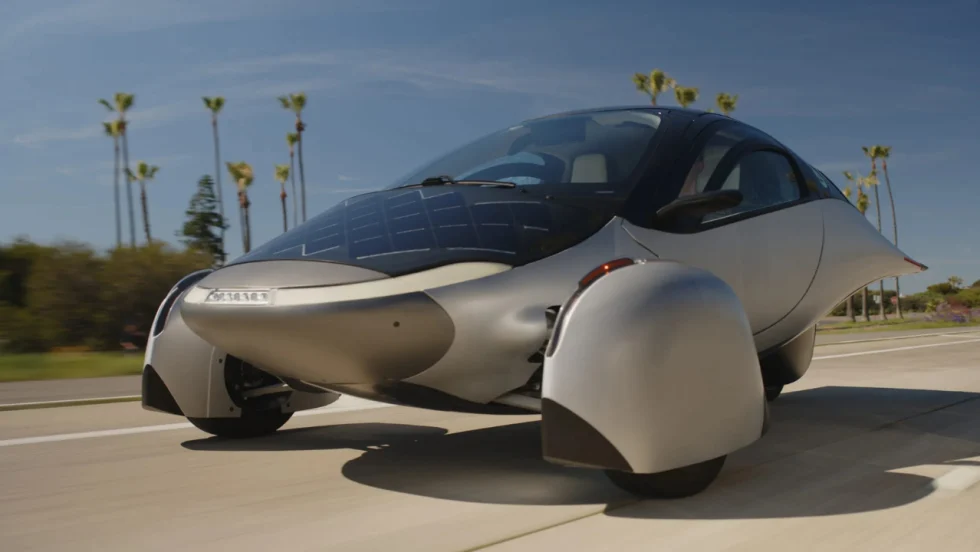
Aptera Orders Bodies and Chassis for Its First 40 Production Vehicles
Aptera Motors Corp. has issued purchase orders for the major structural components of its first 40 vehicles, and body and chassis components are expected to begin arriving in October.
Read More →