



It's Time to Instill Urgency with CARB's Advanced Clean Fleets Rule
NTEA and SEMA File Lawsuit to Halt California’s EV Truck Mandates
Industry associations challenge CARB’s Advanced Clean Fleets regulations in federal court.
October 9, 2024
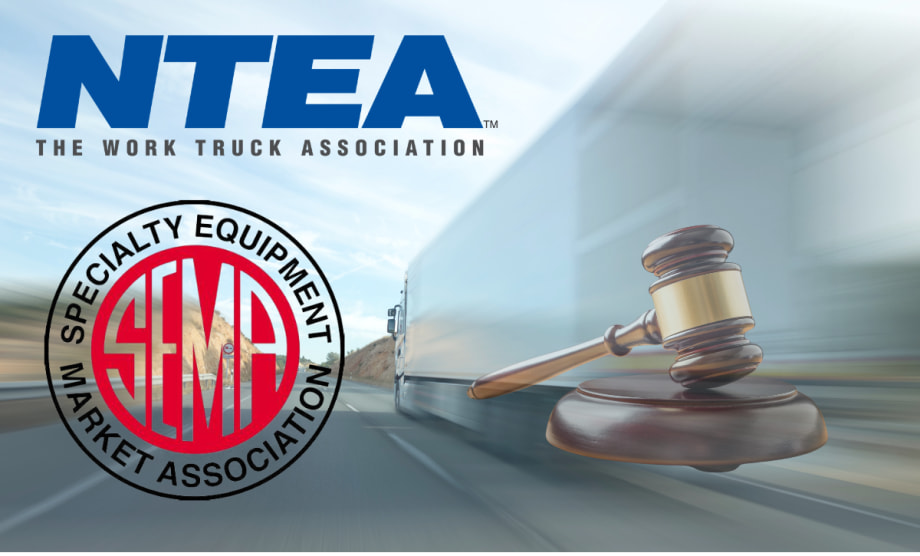
The plaintiffs contend that CARB’s mandates would force fleet operators and vehicle manufacturers to adopt costly zero-emission technologies, leaving ICE and alt-fuel vehicles obsolete.
Photo: Automotive Fleet
3 min to read
NTEA–The Work Truck Association and the Specialty Equipment Market Association (SEMA) have jointly filed a lawsuit in the U.S. District Court for the Eastern District of California, challenging the California Air Resources Board (CARB) over its Advanced Clean Fleets (ACF) regulations.
These regulations mandate the use of electric vehicles (EVs) across a wide range of fleet vehicles, including heavy-duty tractors, work trucks, and package delivery vehicles.
The lawsuit seeks immediate declaratory and injunctive relief to halt the implementation of CARB's mandates, which the associations argue exceed California’s legal authority.
CARB’s Zero-Emission Mandates
CARB’s ACF regulations require an aggressive timeline to phase in zero-emission vehicles (ZEVs) that operate within California, affecting vehicles regardless of their state of purchase or registration.
NTEA and SEMA argue that these regulations “will have a dire effect on an industry that historically has led the way toward cleaner, safer vehicles through innovation and American ingenuity — particularly through alternative-fuel innovations, replacing older engine technologies with newer, cleaner versions, and converting older internal-combustion-engine (ICE) vehicles to new electric or hydrogen-powered vehicles.”
The plaintiffs contend that CARB’s mandates would force fleet operators and vehicle manufacturers to adopt costly zero-emission technologies, leaving existing internal combustion engine (ICE) and alternative-fuel vehicles obsolete.
"Ultimately, work trucks must be available, capable, and affordable," said NTEA President and CEO Steve Carey. "Left unchecked, the current suite of California regulations will severely curtail the ability of work truck users to obtain the vehicles they need to carry out vital missions in industries like public works, utilities, and emergency response."
Legal Grounds for the Lawsuit
According to the plaintiffs, the lawsuit is built on several legal arguments, including:
Ripeness: NTEA and SEMA members must comply with the ACF regulations even before the U.S. Environmental Protection Agency (EPA) has granted approval. California reserves the right to retroactively enforce these provisions, potentially forcing fleets to remove newly added vehicles.
Preemption: The plaintiffs argue that CARB’s ACF regulations are preempted by federal laws such as the Clean Air Act and the Federal Aviation Administration Authorization Act, which govern interstate commerce and emissions standards.
State Law Prohibition: California’s legislature has previously prohibited CARB from enacting regulations similar to the ACF, a key point in the lawsuit’s challenge to the mandate’s legality.
Constitutional Violations: The suit also alleges that the ACF regulations violate the Dormant Commerce Clause and the Equal Protection Clause by disproportionately burdening out-of-state businesses and organizations with additional compliance requirements.
Due Process: Certain ACF provisions are described as unconstitutionally vague, making compliance difficult and raising concerns about due process.
Industry Concerns Over California's Mandates
SEMA President & CEO Mike Spagnola criticized California's mandates, emphasizing the negative impact on the automotive aftermarket sector, which generates $337 billion in economic activity annually.
“The overreach of California has forced the hand of the automotive industry, making this legal action necessary to protect the interests of thousands of small businesses,” said Spagnola.
He added that CARB's single-technology focus could stifle innovation and alternative solutions that might better serve the state’s goals for reducing emissions.
NTEA and SEMA argue that the most practical and effective strategy is a technology-neutral approach that allows for multiple pathways to cleaner transportation.
CARB's Ongoing Legal Battles Over Fleet Regulations
This legal battle underscores the broader tension between regulatory bodies and industries grappling with the transition to a zero-emission future, particularly as CARB continues to push aggressive environmental mandates affecting fleets across the country.
Multiple lawsuits challenge the state's legal authority to set stricter emission standards than the federal government under its Clean Air Act exemption.
Plaintiffs include 17 states, two trucking associations, and business groups. Recent court rulings have dismissed some claims based on lack of standing, but several lawsuits remain, including ones from the California Trucking Association and the Western States Trucking Association challenging California’s truck emissions regulations.
Originally posted on Automotive Fleet
More Electric Vehicles
EV Charging Use Is Outpacing Infrastructure Growth
ChargePoint’s 2026 Charging Forward Report points to rising charger use, higher-powered charging, commercial vehicle electrification, and energy-management technology. Here’s what fleets should know.
Read More →
EV Realty Names Henrik Holland President as Charging Platform Expands
The former Prologis Mobility and Shell executive will help expand EV Realty’s truck charging business and move its power-first infrastructure model into autonomous vehicle depots and other fleet sectors.
Read More →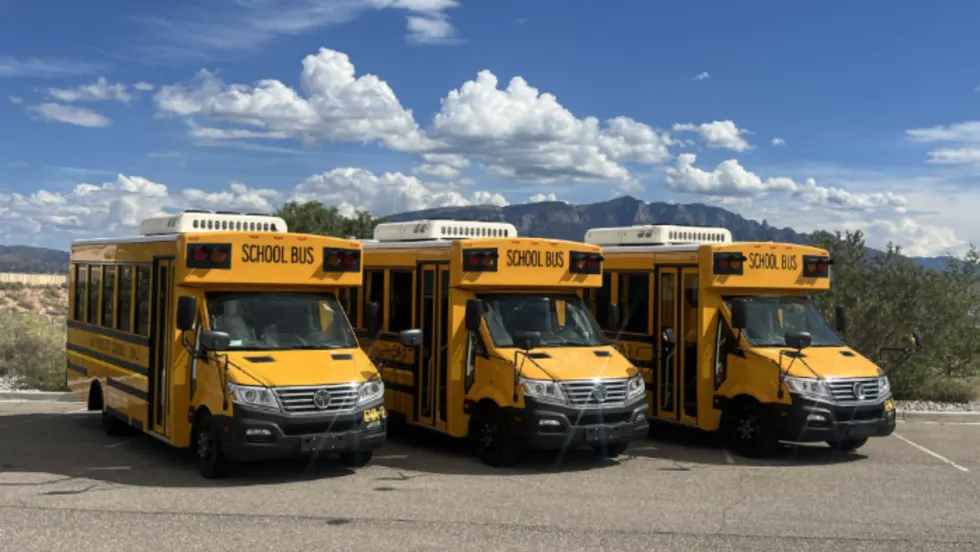
GreenPower Expands New Mexico EV Pilot With Larger Buses, V2G Testing
After logging more than 17,000 electric miles in the first year, New Mexico’s statewide pilot is moving into its second phase with larger vehicles, continued charging evaluations, and more.
Read More →
Can EV-as-a-Service Help Fleets Scale Electrification?
Sustainability Partners CEO Adam Cain explains how matching EVs, charging infrastructure, and duty cycles can help fleets scale electrification.
Read More →
How EV-as-a-Service Is Moving Fleets Beyond Pilots
Adam Cain, president and CEO of Sustainability Partners, explains how EV-as-a-service can help fleets scale deployments by addressing duty-cycle requirements and charging challenges.
Read More →
PowerFlex, The Mobility House Join Forces to Advance Fleet Electrification
Two EV charging providers are joining forces to deliver a broader portfolio of energy management and fleet electrification solutions.
Read More →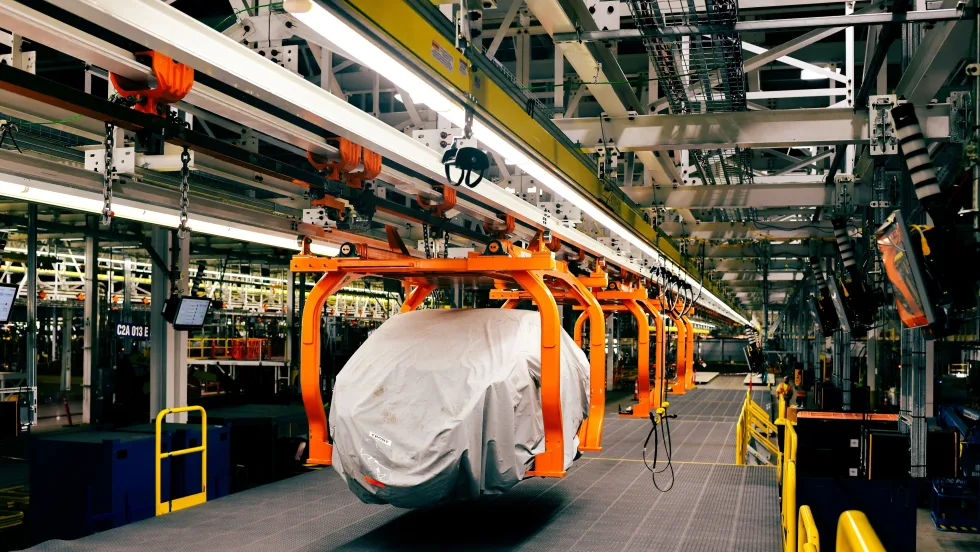
Ford Retools Louisville Plant for Fathom Electric Truck Production
Ford's $2 billion Louisville Assembly Plant overhaul introduces a three-part assembly process for the Fathom midsize electric truck, with production scheduled to begin in 2027.
Read More →
Merchants Fleet Reports 290M EV Miles as Fleets Navigate Changing Electrification Market
From millions in operating savings to hundreds of millions of EV miles, Merchants Fleet’s latest report reveals what’s working and what’s changing in fleet electrification.
Read More →
California District Commits to Electrify 25% of School Bus Fleet by 2028
One of the nation's largest school bus electrification projects to date demonstrates how grants, charging infrastructure, and public-private partnerships can help fleets transition to EVs at scale.
Read More →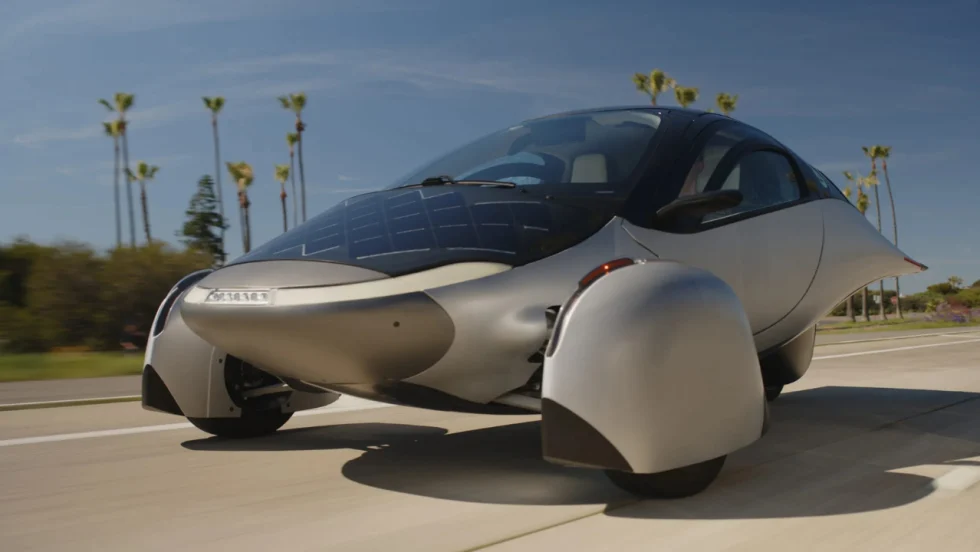
Aptera Orders Bodies and Chassis for Its First 40 Production Vehicles
Aptera Motors Corp. has issued purchase orders for the major structural components of its first 40 vehicles, and body and chassis components are expected to begin arriving in October.
Read More →