



Learn More: Pushing to Reach 100% Zero-Emission Truck and Bus Sales by 2050
NTEA Adopts Climate Change Policy
A new climate change policy provides work-truck-industry association NTEA the opportunity to educate the public, regulators, and legislators about how the industry is addressing society’s environmental concerns.
January 5, 2021

The transportation sector generates the largest share of greenhouse gas emissions (28.2% of total GHG emissions in 2018).
Photo: Pixabay
3 min to read
NTEA – The Association for the Work Truck Industry has adopted a climate change policy to highlight how the industry is addressing climate-change concerns through advancing the use of alternative fuels and advanced technologies for commercial vehicles.
The new policy explains the work truck industry represents a positive force in reducing greenhouse gas emissions. The move gives NTEA the opportunity to educate the public, regulators, and legislators about how the industry is already putting in place solutions to society’s environmental concerns.
“The work truck industry is at the forefront of alternative fuels and advanced technologies, and plays a key role as part of the solution to the environmental challenges we face,” said Peter Miller, NTEA chair, in a news release. “NTEA’s policy emphasizes the importance of multiple technology and fuel options on the path to zero emissions, as work trucks do not represent a one-size-fits-all situation.”
Work trucks come in many sizes and configurations. One may make last-mile deliveries, while another stays at the jobsite with an aerial bucket repairing utility lines. The fuels and advanced technologies that make one vehicle efficient and clean may not make sense for another truck doing a different type of work.
NTEA has created a community umbrella under which manufacturers, designers and users can gather to learn about all the options that can make a work truck both efficient and environmentally responsible. Green Truck Summit has been held annually in conjunction with Work Truck Week since 2008. Green Truck Association, an NTEA affiliate division, was formed in 2010 as a resource for legislative and regulatory updates, market data, technical, and engineering solutions.
“Climate change is a serious global challenge that requires long-term commitments — and every industry has a role to play,” said Mike Kastner, NTEA’s managing director, who leads legislative and regulatory lobbying efforts across United States and Canada. “NTEA recognizes the work truck industry is well-positioned to make a significant difference through continued development of innovative new technologies to reduce fuel consumption and vehicle greenhouse gas emissions. The industry will produce vocational trucks for the future that both increase overall vehicle efficiency and reduce GHGs on the path to zero emissions.”
Based on this policy, NTEA’s principles include:
We support evidence-based, scientifically grounded policy solutions that are fuel- and technology-agnostic. We believe there are multiple paths to a zero-emission future.
Solutions should be data-driven.
Industry has an important role to play in driving new technological solutions, and government policy can help create the enabling environment for such innovation.
In the new policy, NTEA reiterates it’s imperative that work trucks are included in the national discussion. Commercial vehicles play a vital role in our economy and represent an opportunity to deploy alternative fuels and advanced technologies.
According to the Environmental Protection Agency, “The transportation sector generates the largest share of greenhouse gas emissions (28.2% of total GHG emissions in 2018). Greenhouse gas emissions from transportation primarily come from burning fossil fuel for our cars, trucks, ships, trains, and planes. Some 90% of the fuel used for transportation is petroleum-based, which includes primarily gasoline and diesel.”
“NTEA is dedicated to building knowledge and acceptance of technologies that will reduce GHG emissions,” said Steve Carey, NTEA president and CEO. “Further, we support and develop driver training and vehicle purchasing education to enhance vehicle efficiency.”
Topics:Reducing EmissionsZero-Emissions VehiclesNTEAClimate ChangeElectric VehiclesLegal/Legislative
Originally posted on Work Truck Online
More Electric Vehicles
EV Charging Use Is Outpacing Infrastructure Growth
ChargePoint’s 2026 Charging Forward Report points to rising charger use, higher-powered charging, commercial vehicle electrification, and energy-management technology. Here’s what fleets should know.
Read More →
EV Realty Names Henrik Holland President as Charging Platform Expands
The former Prologis Mobility and Shell executive will help expand EV Realty’s truck charging business and move its power-first infrastructure model into autonomous vehicle depots and other fleet sectors.
Read More →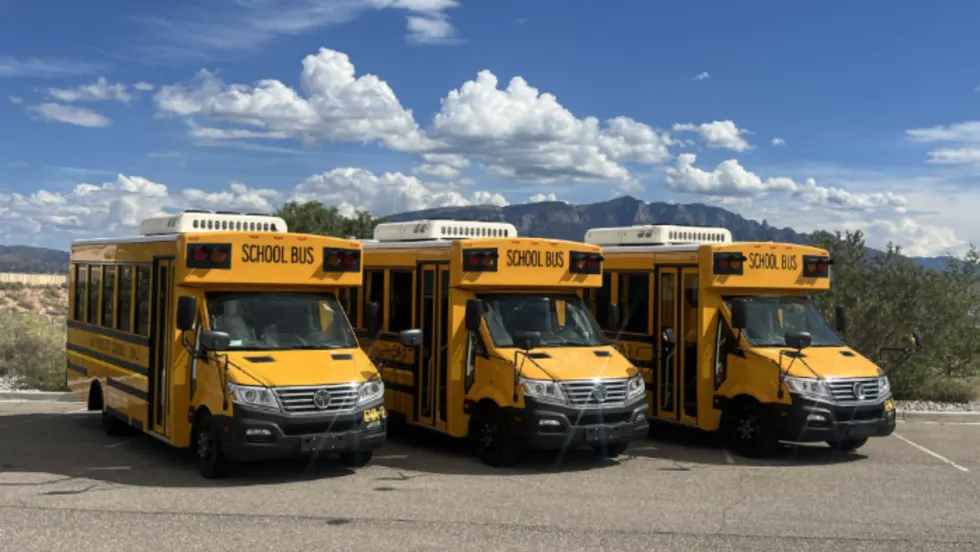
GreenPower Expands New Mexico EV Pilot With Larger Buses, V2G Testing
After logging more than 17,000 electric miles in the first year, New Mexico’s statewide pilot is moving into its second phase with larger vehicles, continued charging evaluations, and more.
Read More →
Can EV-as-a-Service Help Fleets Scale Electrification?
Sustainability Partners CEO Adam Cain explains how matching EVs, charging infrastructure, and duty cycles can help fleets scale electrification.
Read More →
How EV-as-a-Service Is Moving Fleets Beyond Pilots
Adam Cain, president and CEO of Sustainability Partners, explains how EV-as-a-service can help fleets scale deployments by addressing duty-cycle requirements and charging challenges.
Read More →
PowerFlex, The Mobility House Join Forces to Advance Fleet Electrification
Two EV charging providers are joining forces to deliver a broader portfolio of energy management and fleet electrification solutions.
Read More →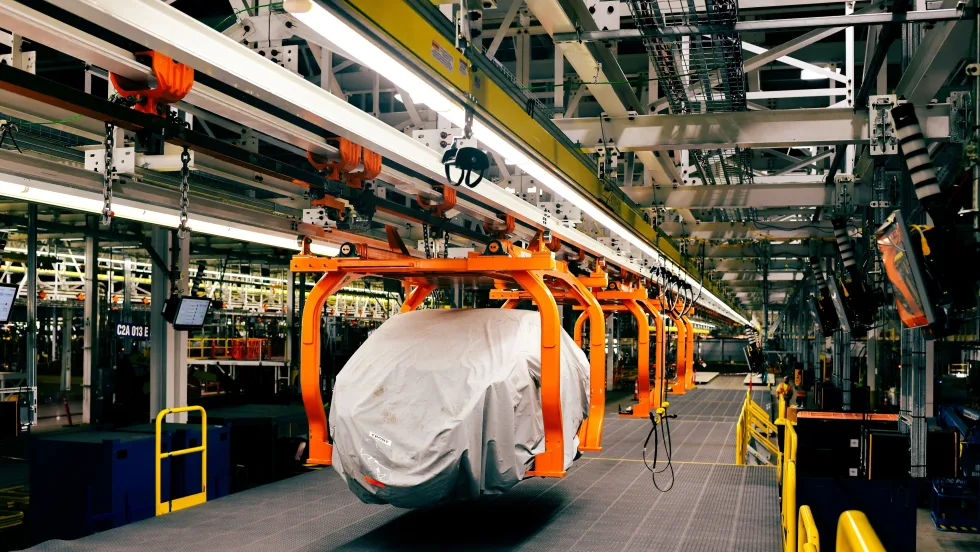
Ford Retools Louisville Plant for Fathom Electric Truck Production
Ford's $2 billion Louisville Assembly Plant overhaul introduces a three-part assembly process for the Fathom midsize electric truck, with production scheduled to begin in 2027.
Read More →
Merchants Fleet Reports 290M EV Miles as Fleets Navigate Changing Electrification Market
From millions in operating savings to hundreds of millions of EV miles, Merchants Fleet’s latest report reveals what’s working and what’s changing in fleet electrification.
Read More →
California District Commits to Electrify 25% of School Bus Fleet by 2028
One of the nation's largest school bus electrification projects to date demonstrates how grants, charging infrastructure, and public-private partnerships can help fleets transition to EVs at scale.
Read More →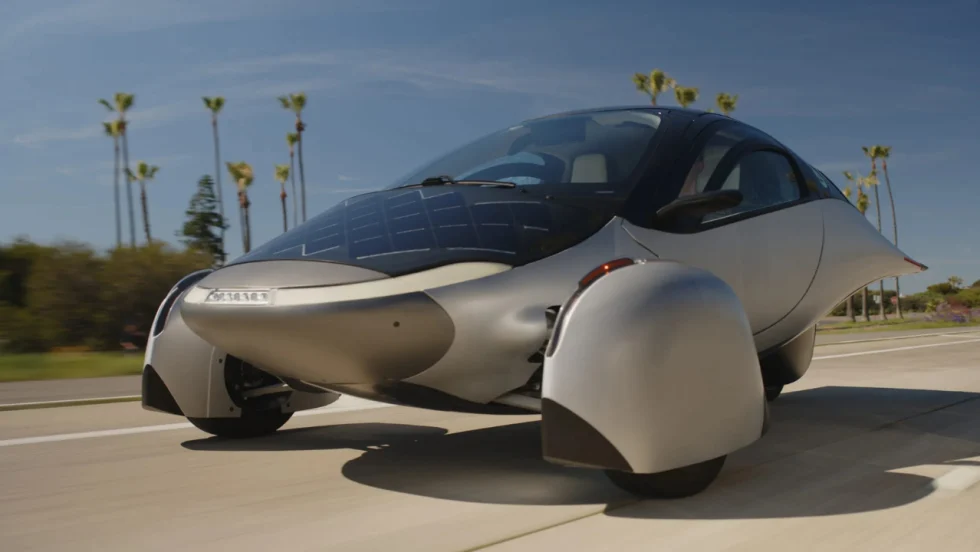
Aptera Orders Bodies and Chassis for Its First 40 Production Vehicles
Aptera Motors Corp. has issued purchase orders for the major structural components of its first 40 vehicles, and body and chassis components are expected to begin arriving in October.
Read More →