


New Study Decodes the Human Mindsets Driving Electric Vehicle Adoption in Fleets
The report by Accenture covers the current state and future of the electric vehicle market, revealing important insights into fleet market trends and strategies for automakers.


Accenture's findings show a need for automakers to reform their EV strategies so that they break into mainstream markets where some consumers and fleets are still uncertain about EVs.
Photo: Elmir Jafarov via Pexels
A new survey from Accenture shows that over half of drivers in major automotive markets are likely to purchase an electric vehicle (EV) within the next 10 years.
Today, many non-EV drivers are also considering electric alternatives for their next vehicle purchase.
According to Accenture, the study was based on in-depth interviews and surveys with 6,000 car drivers across the United States, Germany, Italy, France, China, and Japan.
“The Automotive industry is in a critical stage in its race to net carbon zero and its transformation towards sustainable mobility," Juergen Reers, global automotive and mobility lead at Accenture, said.
"The transition to EVs is facing challenges that demand a deeper understanding of the needs and expectations from car buyers to accelerate the adoption in key markets still lagging behind,” Reers continued.
Overall, the survey’s results reveal the human mindset behind EV adoption, including EV buyers’ unique motivations, values, and priorities, and categorizes them into five “mindsonas”. Respondents were classified into five segments that think differently about eMobility: Strategist, Individualist, Carer, Conservative, and Frugal.
The report’s findings show a need for automakers to reform their EV strategies so that they break into mainstream markets where some fleets and consumers are still uncertain about EVs.
Shifting Perceptions on Future Electric Vehicle Adoption
Accenture’s research shows that despite uncertainty and negative perspectives about the future of electric vehicles, 57% of people worldwide expect to have an electric car within the next 10 years. Only 10% said they would never buy an electric vehicle. The rest are open to an EV — not for their next car, but potentially the one after that.
Some results indicate automakers need to adopt a life-centric approach to understand the next wave of EV buyers, their individual values in life, their expectations of an EV, and the related services and features.
While early-market adopters are driven by sustainability and technology enthusiasm, the critical mainstream market for EVs prioritizes reliability (83%), safety (82%), and value for money (82%), showing that these buyers evaluate EVs with similar criteria as traditional internal combustion engine (ICE) vehicles.
With current EV offerings, only 23% of non-EV drivers see an EV as a realistic purchase within the next five years.
Varying Outlooks and Adoption Timelines In Global Markets
EV mass adoption faces a longer timeline, between 5–20 years, depending on the geographic location.
The report includes findings on EV uptake in China, general skepticism toward EVs in Germany and France, and the shifting priorities of potential EV customers compared to early adopters, particularly around reliability, safety, and overall value. For example:
65% of drivers in China believe that the future belongs to electric cars, and 44% of non-EV owners in China plan to buy an EV in the next 5 years.
Germany (37%) and France (36%) are skeptical about an EV-dominated future.
Guiding Automakers Through the Next Phase of EV Adoption
To get more people to buy electric vehicles, Accenture encourages companies to take a life-centric approach that fully understands future EV buyers’ values and expectations, including concerns from fleets across the industry.
Automakers should prioritize smart features, charging comfort, and the flexibility of owning an EV on top of reliability, safety, and value for money. Automakers can manage this transition by fully understanding the different mindsets behind EV adoption and developing products and experiences that align with core customer and commercial fleet desires.
“The future of mobility is electric, with EVs being the most viable solution for sustainable transportation. Backed by ongoing developments in energy infrastructure and regulations, the automotive industry should maintain its strategic shift to cross the ‘early adoption chasm’ and reach all market segments,” Reers said.
Automakers should keep their long-term commitment to the EV market, focusing on traditional car features and improving battery performance to mitigate range concerns.
Originally posted on Automotive Fleet
More Electric Vehicles
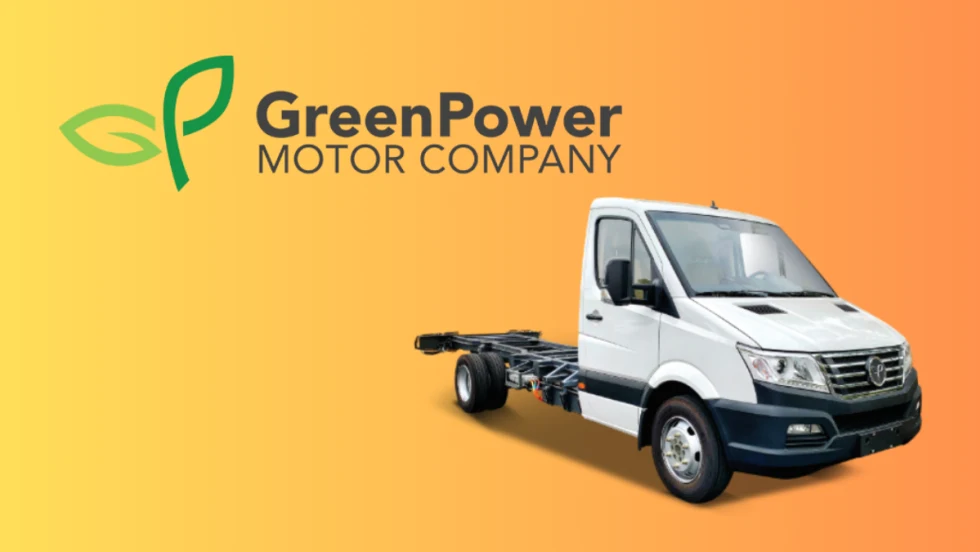
GreenPower Plans 50 Electric Shuttle Buses for Mexico
GreenPower plans to build 50 electric shuttle buses for Mexico using its EV Star Cab & Chassis platform, partnering with local body builders to expand its market reach.
Read More →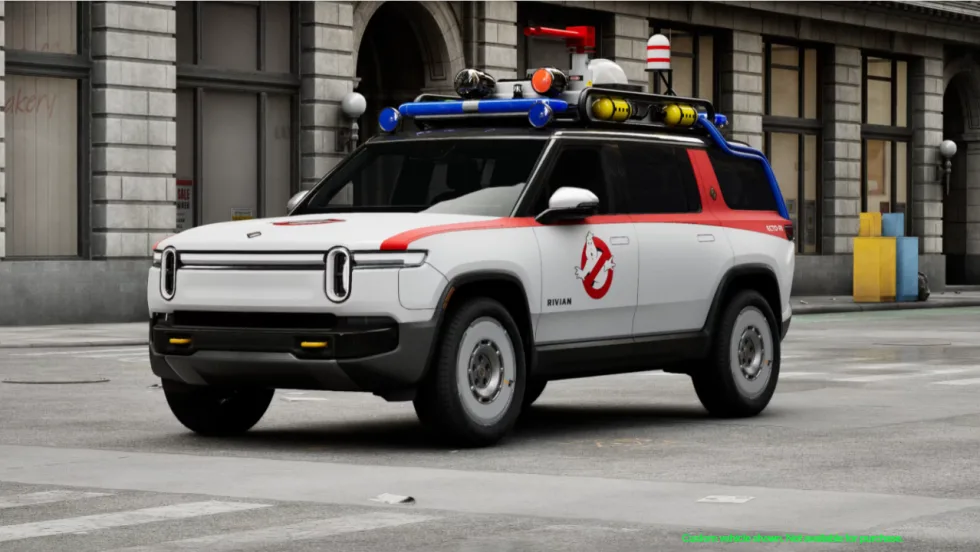
Who You Gonna Call? Rivian Turns Electric Vehicles Into Ghostbusters Rides
Rivian teams up with Sony Pictures for a Ghostbusters-inspired Halloween software update, complete with custom sounds, lighting effects, and a special Ecto-R1.
Read More →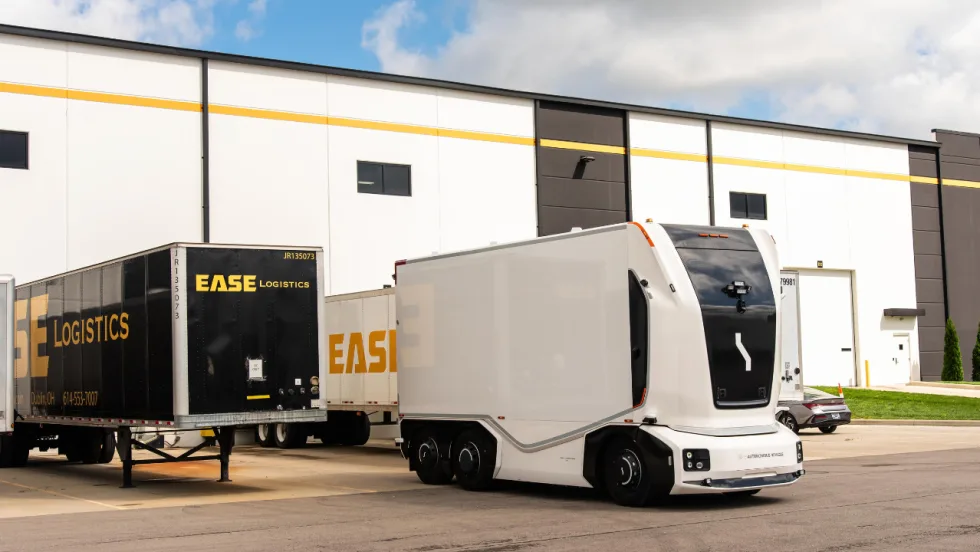
Einride Electric Driverless Trucks Begin Daily Freight Operations in Ohio
Two cabless electric trucks are now moving freight between EASE Logistics facilities, putting autonomous EV technology into daily commercial operations.
Read More →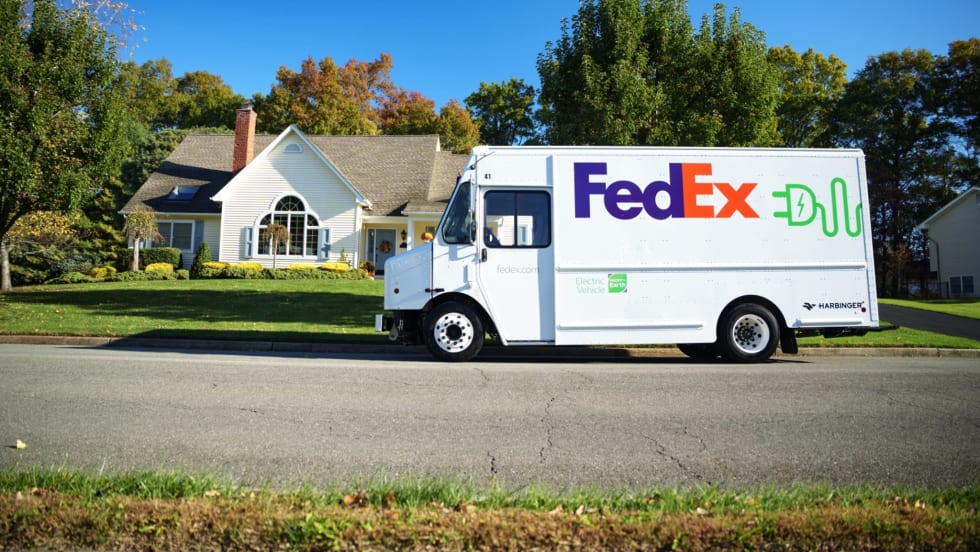
FedEx Orders 2,000 Harbinger Electric Trucks in $300 Million Deal
The Class 5 and 6 electric trucks are planned for delivery by the end of 2027 and will be deployed in FedEx pickup and delivery operations across the U.S. and Canada.
Read More →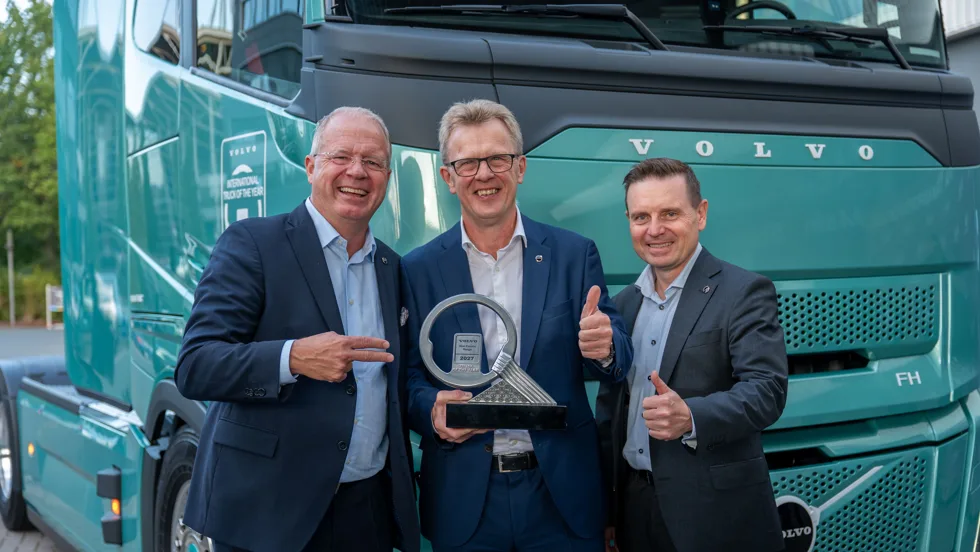
Volvo Trucks’ Electric Range Named International Truck of the Year 2027
The award recognizes Volvo’s global heavy-duty electric lineup, while more than 750 VNR Electric trucks have accumulated nearly 37 million miles in U.S. and Canadian fleet operations.
Read More →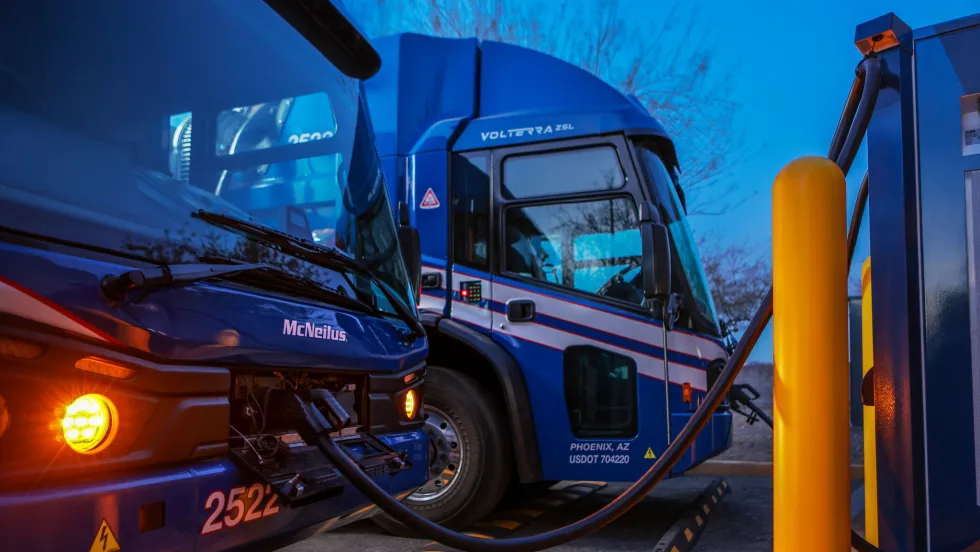
How Republic Services Decides Where Its Next Electric Trucks Can Go
With 250 electric collection trucks now in service, Republic Services is learning that scaling electrification depends less on proving the vehicle and more on whether each site can support what comes next.
Read More →
EV Charging Use Is Outpacing Infrastructure Growth
ChargePoint’s 2026 Charging Forward Report points to rising charger use, higher-powered charging, commercial vehicle electrification, and energy-management technology. Here’s what fleets should know.
Read More →
EV Realty Names Henrik Holland President as Charging Platform Expands
The former Prologis Mobility and Shell executive will help expand EV Realty’s truck charging business and move its power-first infrastructure model into autonomous vehicle depots and other fleet sectors.
Read More →
GreenPower Expands New Mexico EV Pilot With Larger Buses, V2G Testing
After logging more than 17,000 electric miles in the first year, New Mexico’s statewide pilot is moving into its second phase with larger vehicles, continued charging evaluations, and more.
Read More →
Can EV-as-a-Service Help Fleets Scale Electrification?
Sustainability Partners CEO Adam Cain explains how matching EVs, charging infrastructure, and duty cycles can help fleets scale electrification.
Read More →