



Related: 4 Myths About Renewable Diesel
NC Water Utility Runs Renewable Diesel Pilot
Charlotte Water (N.C.) reduced its greenhouse gas emissions by approximately 75 tons during the first three months of a six-month renewable diesel pilot.
September 17, 2019
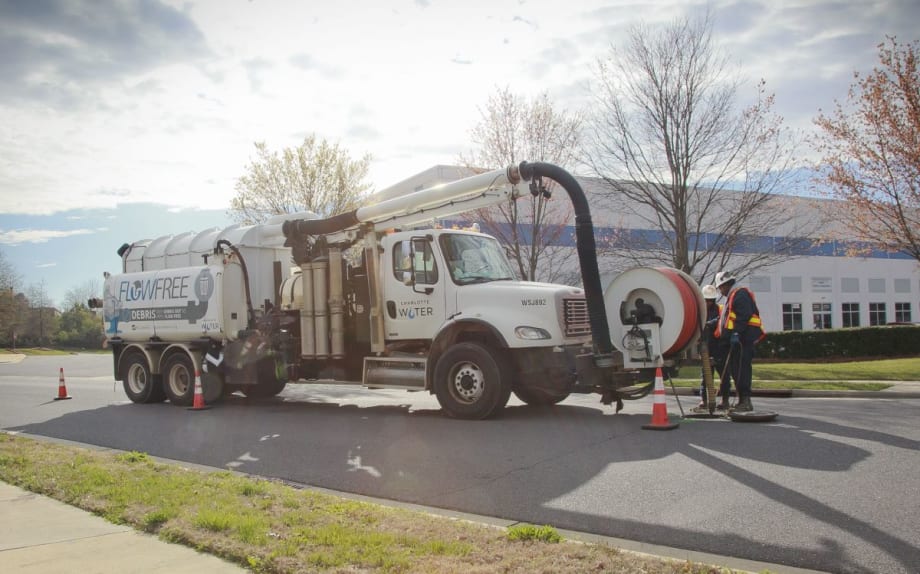
Charlotte Water is piloting renewable diesel in 34 of its fleet trucks.
Photo courtesy of REG
2 min to read
Charlotte Water reduced its greenhouse gas emissions by approximately 75 tons during the first three months of a six-month renewable diesel pilot. This is the equivalent to an average passenger vehicle driven for more than 183,000 miles.
Charlotte Water is the largest public water and wastewater utility in the Southwest U.S. The utility serves more than one million customers in the City of Charlotte and greater Mecklenberg County in North Carolina. During this pilot, 34 vehicles in the Charlotte Water fleet are running on renewable diesel from Renewable Energy Group (REG). No modifications were needed for the diesel vehicles to run on renewable diesel.
“As a public utility, we believe we have an obligation to protect the environment,” said Kathy Gibson, fleet manager for Charlotte Water. “Fueling diesel vehicles with 100 percent renewable diesel instead of petroleum diesel is a way to promote sustainability in the communities we serve, and the results have been very encouraging.”
Renewable diesel is an alternative to traditional diesel fuel that is made from renewable resources and helps users lower greenhouse gas and other emissions. Compared with ultra-low sulfur diesel, renewable diesel reduces particulate matter by nearly 40%, carbon monoxide by 25%, nitrogen oxides by 15% and total hydrocarbons by over 10%.
Data released by the California Air Resources Board (CARB) earlier this year found that biodiesel and renewable diesel fuel use eliminated 4.3 million tons of carbon dioxide in California in 2018, more than any other type of fuel, including ethanol and battery-electric power.
Charlotte Water’s pilot project is expected to last approximately six months. It will be evaluated before a decision is made on whether to continue or even expand the fleet’s use of renewable diesel.
Originally posted on Work Truck Online
More Electric Vehicles
EV Charging Use Is Outpacing Infrastructure Growth
ChargePoint’s 2026 Charging Forward Report points to rising charger use, higher-powered charging, commercial vehicle electrification, and energy-management technology. Here’s what fleets should know.
Read More →
EV Realty Names Henrik Holland President as Charging Platform Expands
The former Prologis Mobility and Shell executive will help expand EV Realty’s truck charging business and move its power-first infrastructure model into autonomous vehicle depots and other fleet sectors.
Read More →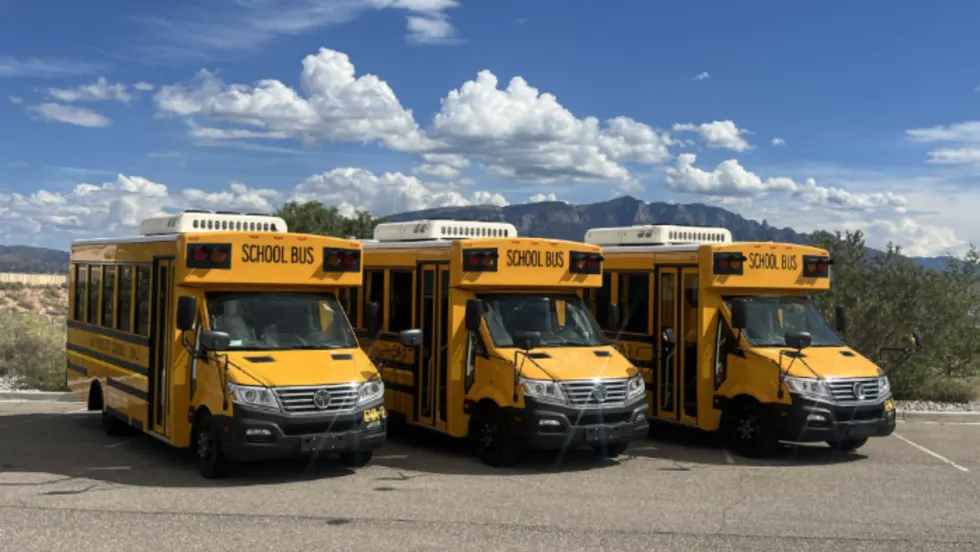
GreenPower Expands New Mexico EV Pilot With Larger Buses, V2G Testing
After logging more than 17,000 electric miles in the first year, New Mexico’s statewide pilot is moving into its second phase with larger vehicles, continued charging evaluations, and more.
Read More →
Can EV-as-a-Service Help Fleets Scale Electrification?
Sustainability Partners CEO Adam Cain explains how matching EVs, charging infrastructure, and duty cycles can help fleets scale electrification.
Read More →
How EV-as-a-Service Is Moving Fleets Beyond Pilots
Adam Cain, president and CEO of Sustainability Partners, explains how EV-as-a-service can help fleets scale deployments by addressing duty-cycle requirements and charging challenges.
Read More →
PowerFlex, The Mobility House Join Forces to Advance Fleet Electrification
Two EV charging providers are joining forces to deliver a broader portfolio of energy management and fleet electrification solutions.
Read More →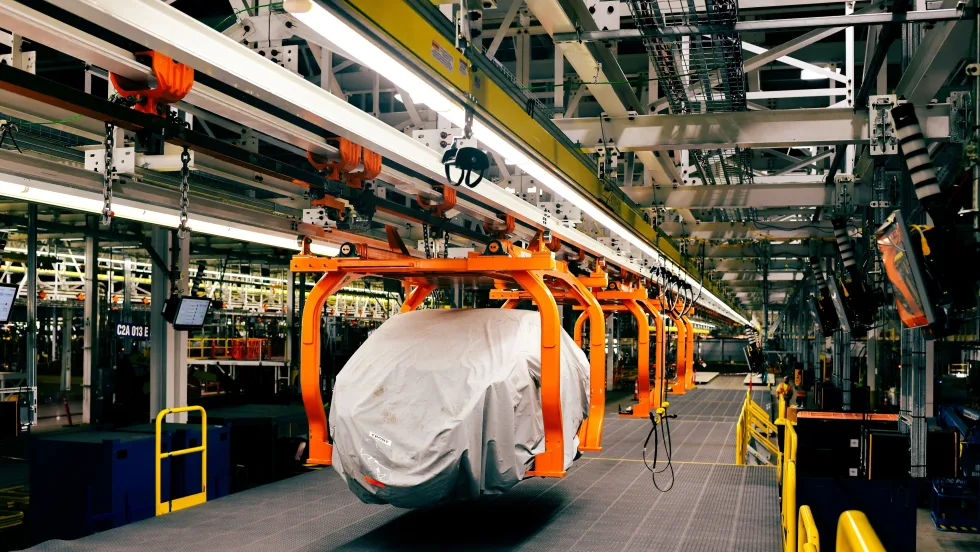
Ford Retools Louisville Plant for Fathom Electric Truck Production
Ford's $2 billion Louisville Assembly Plant overhaul introduces a three-part assembly process for the Fathom midsize electric truck, with production scheduled to begin in 2027.
Read More →
Merchants Fleet Reports 290M EV Miles as Fleets Navigate Changing Electrification Market
From millions in operating savings to hundreds of millions of EV miles, Merchants Fleet’s latest report reveals what’s working and what’s changing in fleet electrification.
Read More →
California District Commits to Electrify 25% of School Bus Fleet by 2028
One of the nation's largest school bus electrification projects to date demonstrates how grants, charging infrastructure, and public-private partnerships can help fleets transition to EVs at scale.
Read More →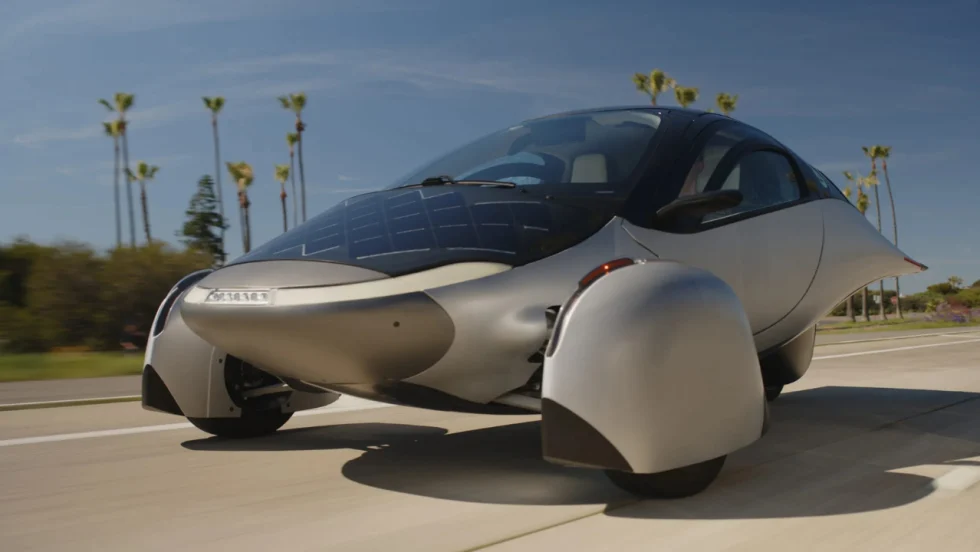
Aptera Orders Bodies and Chassis for Its First 40 Production Vehicles
Aptera Motors Corp. has issued purchase orders for the major structural components of its first 40 vehicles, and body and chassis components are expected to begin arriving in October.
Read More →