



See Also: Mercedes-Benz to Go All-Electric by 2025
Mercedes Partners with Sila on High Silicon Battery
Sila's silicon anode chemistry will be incorporated for the first time in batteries for the Mercedes electric G-Class.
May 18, 2022

The Sila team was the first to produce a next generation lithium-ion chemistry with dramatically higher energy density. This expertise results in a technology that will be able to power future Mercedes-Benz electric vehicles.
Photo: Mercedes-Benz
2 min to read
Mercedes-Benz announced in a statement that it will work with battery materials company, Sila to incorporate its silicon anode chemistry in batteries, available for the first time in the upcoming electric Mercedes-Benz G-Class.
The high-silicon anode material will increase the energy density of batteries without compromising safety or other performance parameters. Compared to today's commercially available cells with a comparable format, Sila's technology enables a 20-40% increase in energy density reaching about 800 Wh/l at cell level. This development enables Mercedes-Benz to store more energy within the same space, thus increasing the range.
The silicon anode materials will be manufactured using 100% renewable energy in Sila's new Washington state facility, making Mercedes-Benz the factory's first publicly announced automotive customer. Both companies are targeting mid-decade for a range-extended-version of the electric G-Class to be equipped with the new battery technology option.
Mercedes-Benz invested in Sila in 2019 as part of the company's research and development of advanced batteries for the automaker's future electric vehicles. The supply agreement announced in the statement is the natural next step for the partnership.
"Sila has come a long way since we established our strategic partnership in 2019," said Markus Schäfer, member of the board of management of Mercedes-Benz Group AG, chief technology officer, responsible for development and procurement. "They have been proving their ability to not only deliver scientific innovation at the highest level, but also their ability to manufacture high quality material.
"We're glad that in Sila we have a leading partner who will help us power our future generation of electric luxury vehicles with their highly innovative anode technology. Delivering such a high energy density is a true game changer and allows us to think in completely new directions when developing future electric cars. Our partnership with Sila is another essential step on our way to build the most desirable electric luxury cars."
"We're focused on delivering materials that are cost-efficient and capable of delivering on the promise of electric vehicles, working to ensure longer range energy, improved charge times, and lowering battery cost per kWh," added Gene Berdichevsky, co-founder and CEO, Sila. "To realize the potential of next-generation materials, scale up is a pivotal part of execution and we've been building towards automotive quality standards and scale since our start. With our new plant in Washington, we're ensuring we can meet the requirements of our auto partners like Mercedes-Benz as they transition to a fully electric future."
Originally posted on Automotive Fleet
More Charging
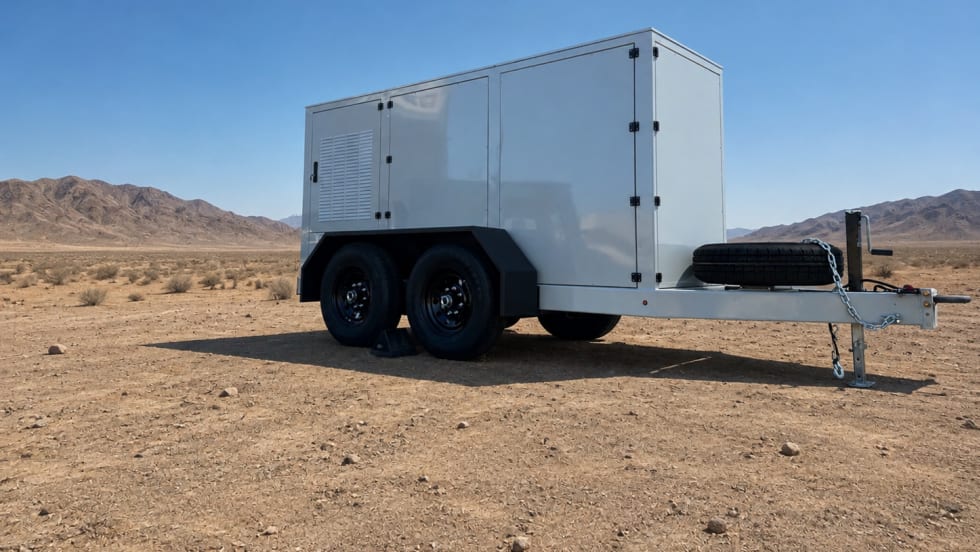
Xos Mobile Charging Hub Surpasses 1 GWh of Energy Delivered
As fleets electrify, charging capacity does not always arrive on the same timeline as the vehicles. Operating data from one Xos Hub shows how mobile, grid-independent charging can support vehicles when permanent infrastructure or utility upgrades aren't available.
Read More →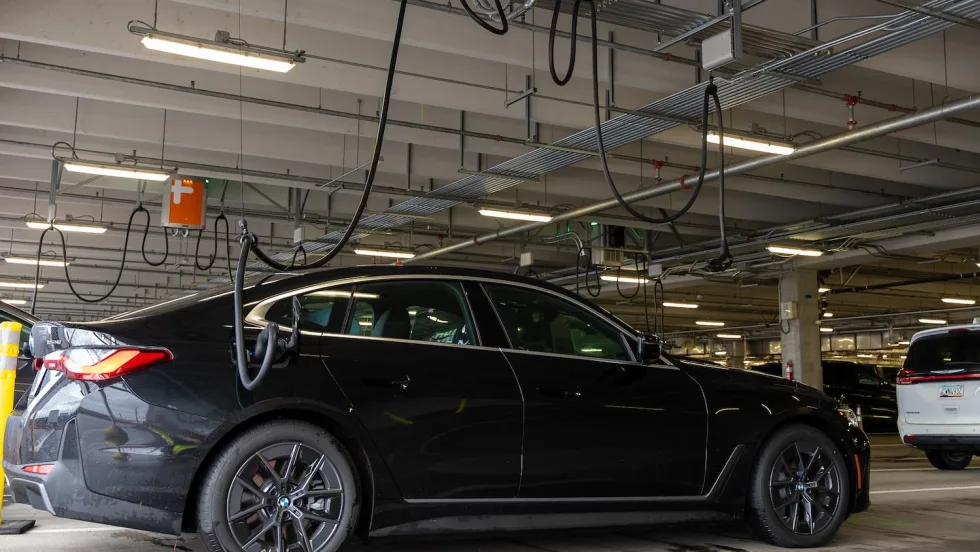
ChargePoint Adds Overhead EV Fast Charging at Portland International Airport
The installation can charge up to 20 rental vehicles simultaneously and uses overhead equipment to preserve ground-level space at the airport's Quick Turnaround Facility.
Read More →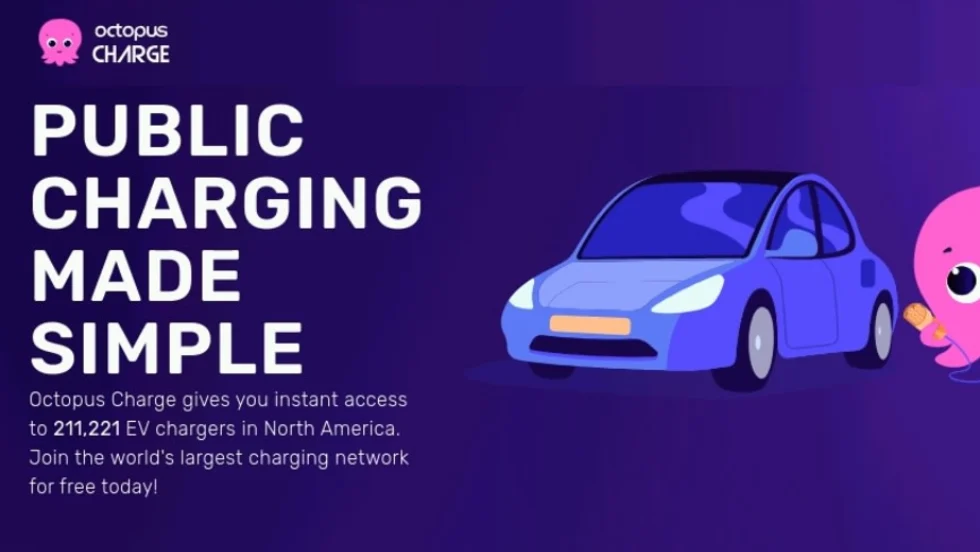
Octopus Energy Launches Public EV Charging App in U.S.
Octopus Charge allows EV drivers to locate and access public charging stations through a single app, building on the company's Electroverse platform in Europe.
Read More →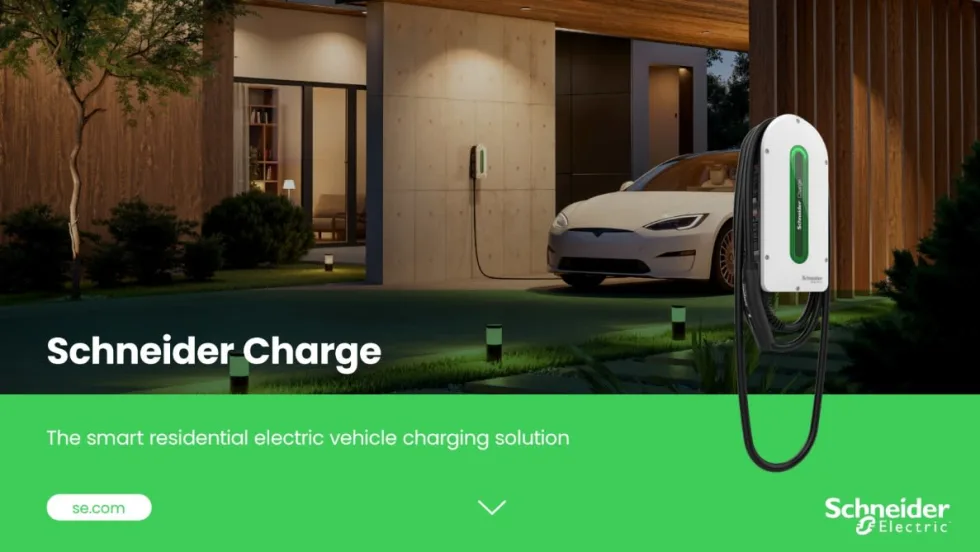
Schneider Electric Launches Level 2 Home EV Charger With Integrated Load Management
Schneider Charge uses integrated SmartAmp technology to adjust charging output based on household electrical demand and is available with NACS or J1772 connectors.
Read More →
Why EV Charging Reliability Is More Complicated Than It Looks
GridLink CEO Josh Silets explains what causes EV chargers to fail, why fleet operators often struggle to identify the source, and what questions they should ask charging vendors.
Read More →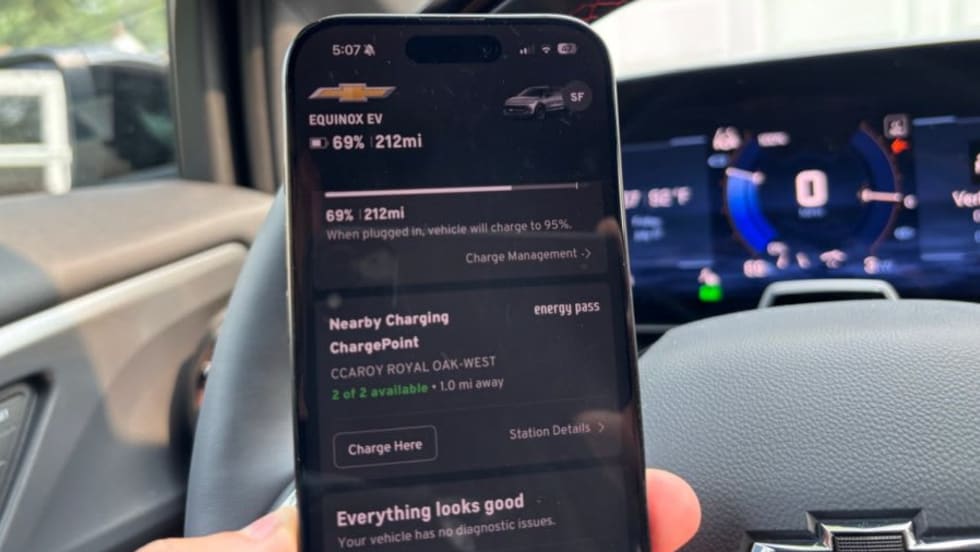
GM Adds ChargePoint Network to Energy Pass Platform
The integration gives GM EV drivers access to additional DC fast chargers and Level 2 stations through a single app while expanding the automaker's public charging ecosystem.
Read More →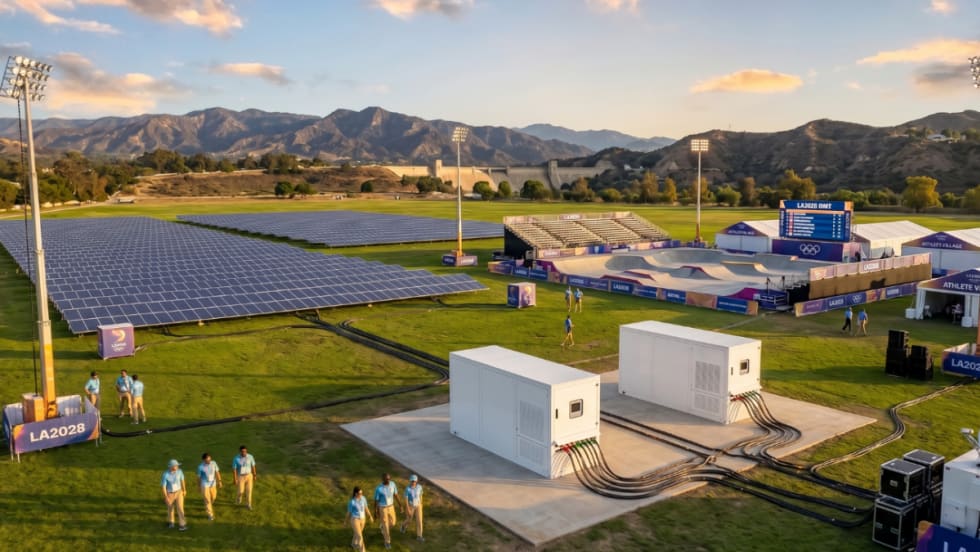
Xos White Paper Asserts LA Olympics Will Lack Enough EV Chargers
The commercial EV fleet company recommends some faster and more flexible remedies to relieve the anticipated shortfall.
Read More →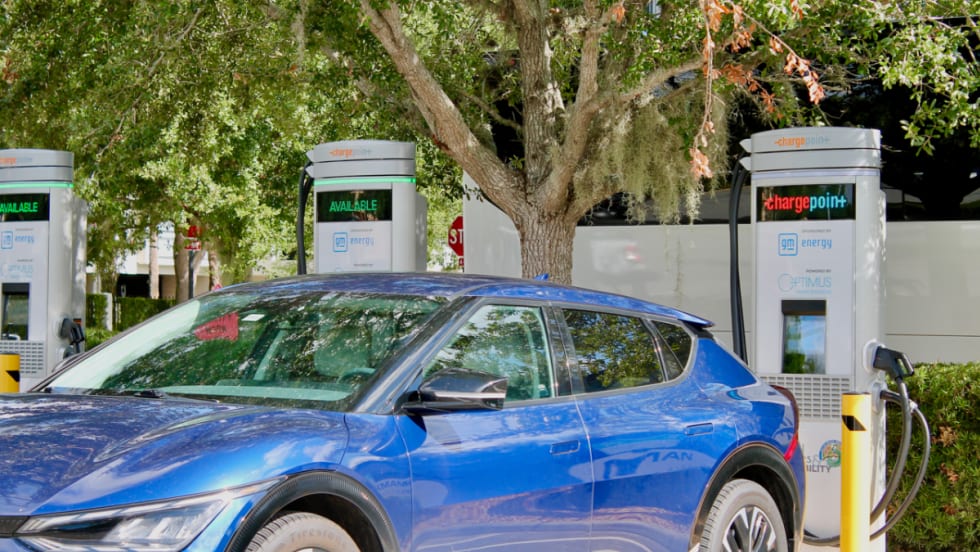
ChargePoint, Optimus Expand Fast-Charging Network Across Southeastern U.S.
ChargePoint will serve as the exclusive solutions provider, delivering hardware, software, and services to support Optimus’ growing charging network.
Read More →
Running A Profitable Electric Rental Fleet
How do you successfully operate an all-electric rental car fleet? Whether you manage a rental fleet or another commercial fleet, this conversation offers practical lessons on deploying, operating, and scaling electric vehicles.
Read More →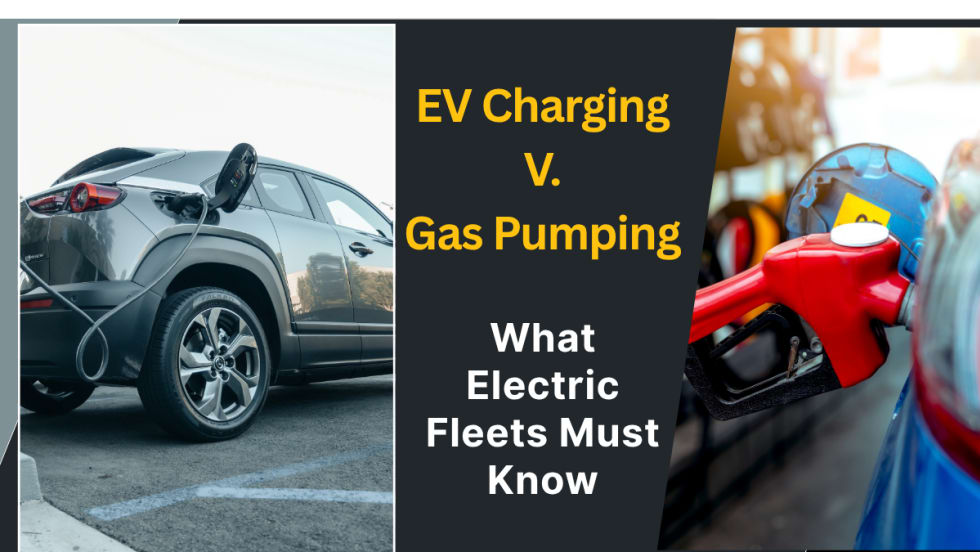
Why Charging May Never Be As Easy As Filling Up Gas
A seamless charge depends on a string of independent companies getting it right together, every time. How can electric fleets navigate the challenges to create a successful charging plan?
Read More →