


Mercedes eSprinter Headed to U.S.
The electric Sprinter will be available with three battery choices and multiple body configurations.
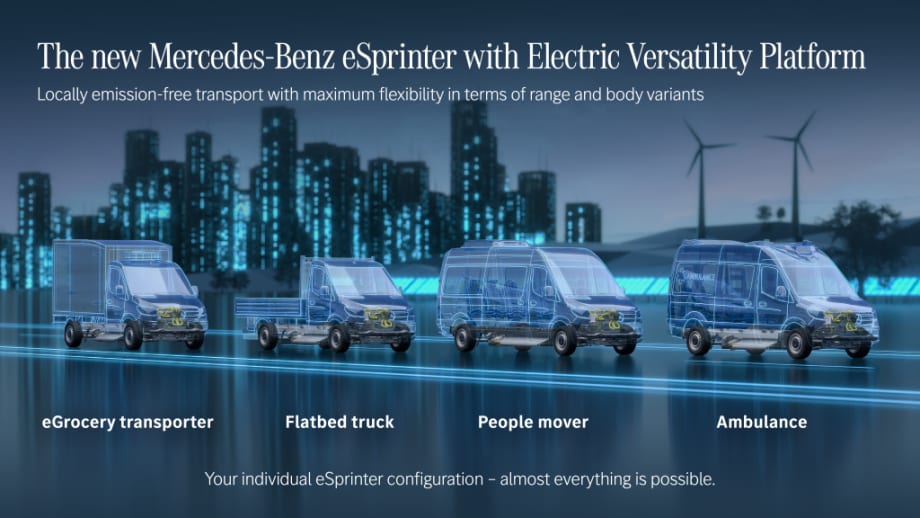
The eSprinter's new Electric Versatility Platform will allow for multiple body types, including cargo and passenger vans as well as chassis cab configurations.
Image courtesy of Mercedes-Benz.
The next-generation Mercedes-Benz Sprinter will get an eSprinter variant that will come to the U.S., the automaker said in a statement today. The new eSprinter will offer three battery choices and have three modules that allow for new eSprinter body configurations previously only available with combustion engines.
The eSprinter will be developed through Mercedes’ new Electric Versatility Platform for its large van segment. "The next generation eSprinter will enable us to make many more body variants available. This will ensure we meet the requirements of our customers across multiple sectors in the future, while offering the advantages of locally emission-free electric drive," said Marcus Breitschwerdt, head of Mercedes-Benz Vans.
Mercedes said its Vans division is fast-tracking development of the new platform. The eSprinter will be available in the U.S. and Canada, according to the statement, though a launch date was not mentioned. On Monday, Automotive News reported Mercedes plans on selling the eSprinter in the U.S. as early as the third quarter of 2023.
The eSprinter has been available for about six months in Europe as a delivery van. Amazon bought about 1,200 eSprinter and 600 eVito vans for its European delivery fleet this year.
No battery specs were available in the announcement. The current European eSprinter comes with a 114-hp electric motor powering the front wheels and a choice of either a 35- or 47-kWh battery pack.
Following the eSprinter and Metris-sized eVito, Mercedes is planning an electric version of the Citan urban delivery van, though not for the U.S. market.
Originally posted on Automotive Fleet
More Suppliers
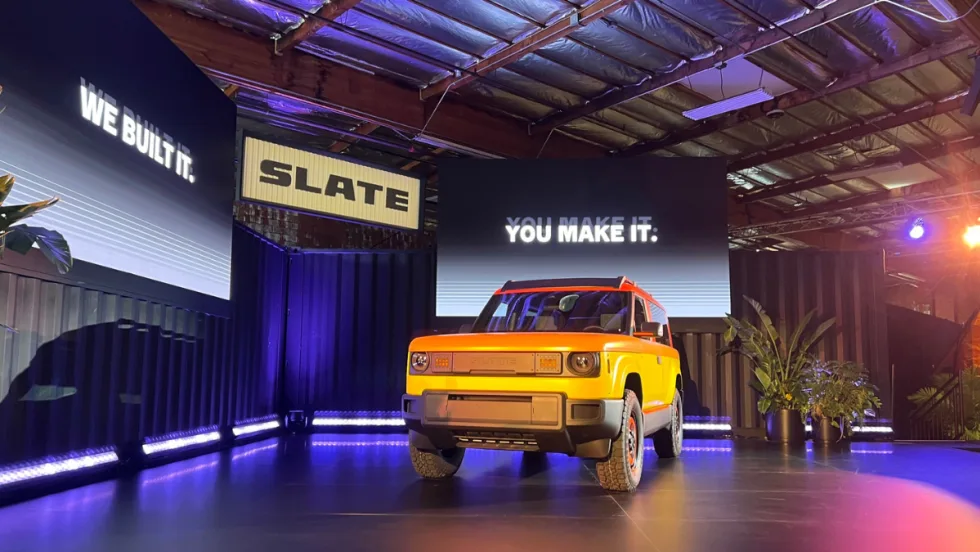
Slate Debuts Colorful, Unique EV Models
A recent media and client event, studded with electric vehicles dressed up on platforms, planted a new position for the manufacturer in the wider EV market. Fleets will find cost-saving advantages.
Read More →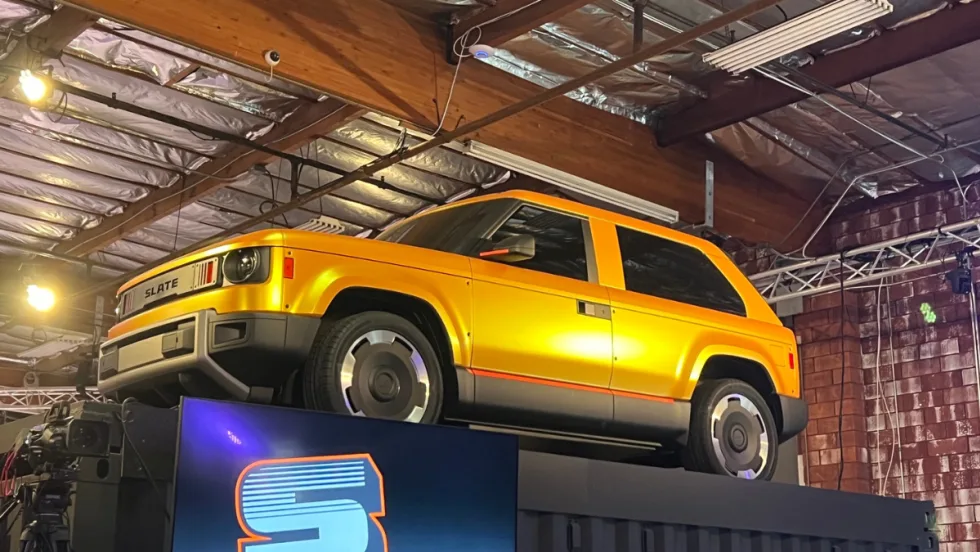
Slate Electric SUV, Pickup Switchable Model Aims For Light-Duty Fleets
Everything about this EV is counterintuitive and understated, making it stand out from the crowd.
Read More →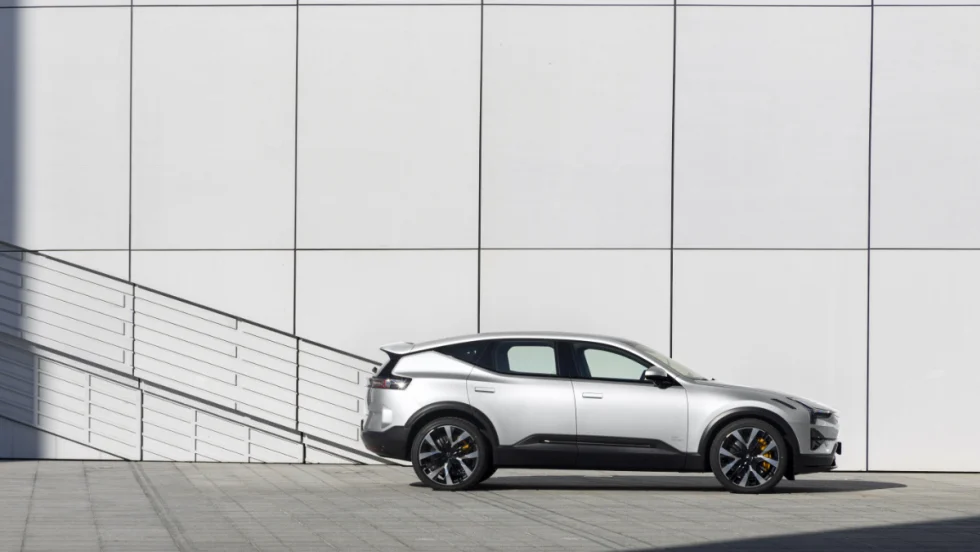
Polestar Barred from U.S. Market Under Connected Vehicle Rule
The automaker loses its authorization to sell new vehicles in the U.S., starting with the 2027 model year. Polestar owners will retain access to the brand's service network.
Read More →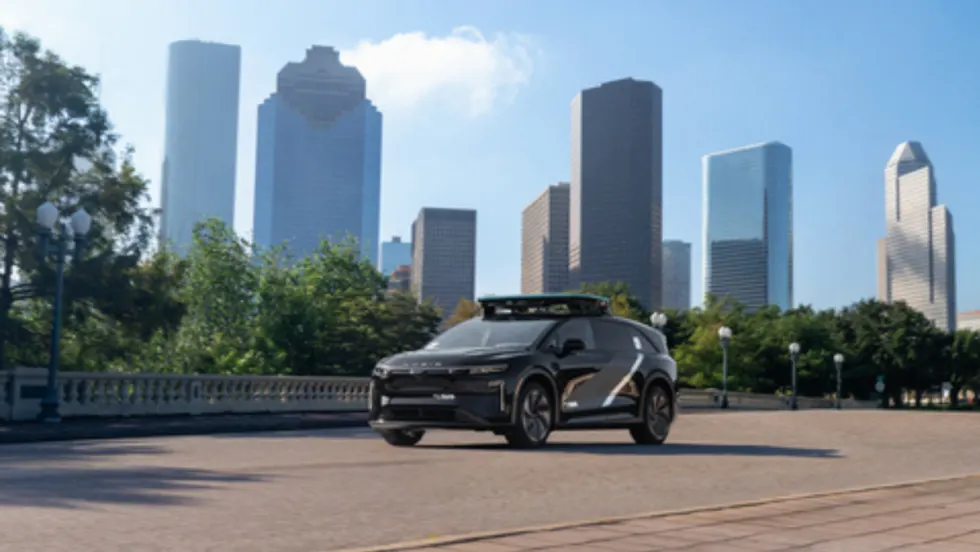
Uber, Nuro and Lucid Plan Houston Robotaxi Service in 2027
The tripartite venture brings out the combined advantages of electric vehicles, mobility, and autonomy into ground transportation.
Read More →
Electrify America Opens EV Fast Charging Station in Southern California
The large-format depot features 20 hyper-fast chargers capable of delivering 350 kilowatts and is backed by a powerful battery energy storage system.
Read More →
Inspiration Mobility Acquires Key Electrada Assets
Inspiration Mobility Group has acquired select assets of Electrada, adding the fleet electrification provider's team, technology, and charging infrastructure development capabilities to its energy management business.
Read More →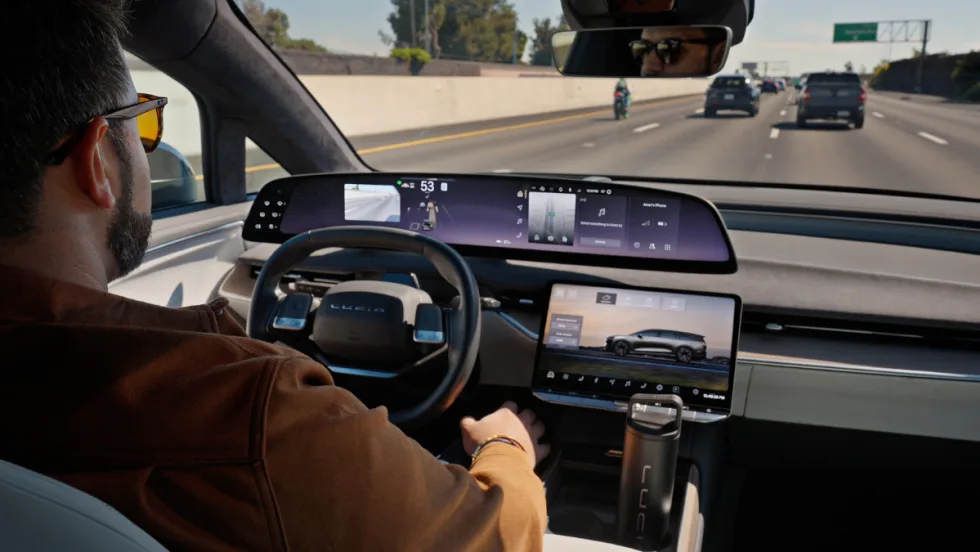
Lucid Adds Hands-Free Highway Driving, Software Updates To Gravity SUV
Hands-free drive assist makes highway driving more comfortable while keeping drivers attentive to the road.
Read More →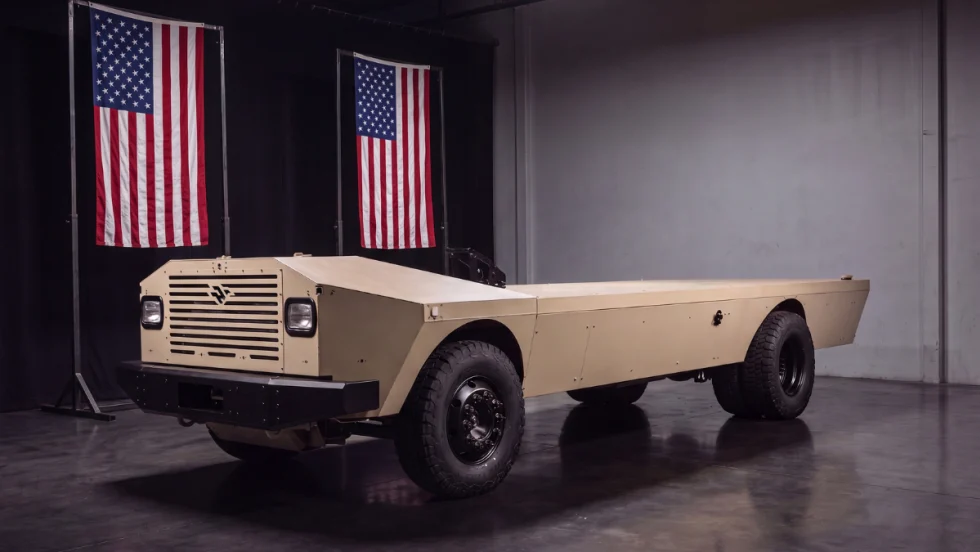
Harbinger Creates Hybrid-Electric Unmanned Vehicle Platform for Defense Use
The platform is based on the company's medium-duty plug-in hybrid chassis, which is also used in commercial vehicles.
Read More →
Mitsubishi To Debut All-Electric Eclipse Subcompact For North American Market
The 2027 Mitsubishi Eclipse Sportback is a small SUV that will go on sale by this fall.
Read More →
Stellantis To Build Smaller, Affordable EVs For European Market
Stellantis aims to expand access to urban EV mobility in Europe and address the decline in the smaller-vehicle segment.
Read More →