



Learn More: 7 Questions For Electric OEM Harbinger
Harbinger Creates Hybrid-Electric Unmanned Vehicle Platform for Defense Use
The platform is based on the company's medium-duty plug-in hybrid chassis, which is also used in commercial vehicles.
June 11, 2026
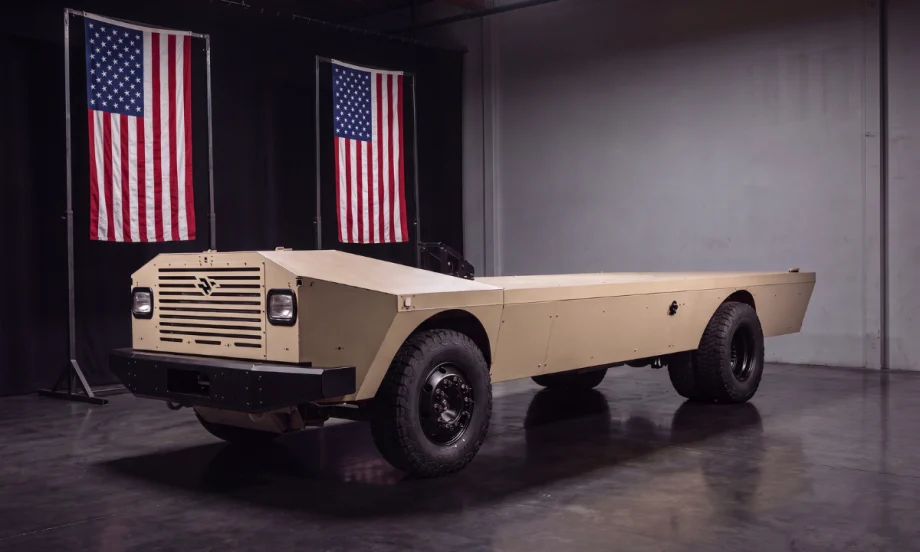
The vehicle is designed for remote operation and can be integrated into autonomous systems.
Credit:
Harbinger
3 min to read
- The hybrid-electric unmanned vehicle platform is designed for defense use, providing advanced operational capabilities and efficiency.
- The platform offers enhanced fuel efficiency and potentially lower operational costs
*Summarized by AI
Harbinger has introduced an unmanned hybrid-electric vehicle platform for military and government fleets while In-Q-Tel (IQT), the strategic investment organization supporting the U.S. national security industry and allied nations, is investing in the company.
The new platform will be marketed through Harbinger Praesidia, the company's defense business unit based in Garden Grove, California. Harbinger is working with government agencies and defense contractors to configure the vehicle for usages such as logistics, field communications, troop transport, perimeter security, and counter-drone operations.
The platform is based on the company's medium-duty plug-in hybrid chassis, which is also used in commercial vehicles. The vehicle is designed for remote operation and can be integrated into autonomous systems.
The chassis is available in 158-inch, 178-inch and 208-inch wheelbases. Gross vehicle weight ratings (GVWR) range from 16,000 to 26,000 pounds, with payload capacity of up to 18,000 pounds.
The vehicle uses a series-hybrid powertrain that combines an electric motor with a gasoline engine and generator. The system is designed to provide more than 500 miles of hybrid range and about 105 miles of all-electric range in the company's standard configuration.
The battery system can power vehicle propulsion and external equipment. The platform can export up to 350 kW of power to external systems and provide 48 kW of continuous power from the onboard gasoline engine. A 15-kW inverter supports split-phase AC power output.
Additional specifications include a top speed of 65 mph, a turning radius of 21 feet, more than 30% gradeability and more than 20% side-slope capability. The vehicle is designed to operate in temperatures from –22 degrees to 131 degrees Fahrenheit and at elevations up to 12,000 feet.
AC charging from 10% to 80% state of charge takes about four hours, while DC fast charging to the same level takes about one hour.
For remote operation, the platform includes steer-by-wire, brake-by-wire and accelerator-by-wire systems, redundant control systems and a six-camera 360-degree viewing system. Communications options include radio and satellite connectivity. The vehicle supports teleoperation at distances of up to 3.1 miles using mesh radio systems and can operate beyond line of sight through satellite communications.
Other features include a mode that disables exterior lighting, acoustic alerts and onboard power generation, as well as remote control of auxiliary functions such as pallet deployment, power export and liftgate operation.
Sara Jones, a principal at IQT, said in a June 10 news release that the investment was based on the platform's combination of energy storage, power generation, and vehicle capabilities, as well as its U.S.-based manufacturing.
Harbinger CEO and co-founder John Harris said the company developed the platform to support a range of government vehicle applications while maintaining payload capacity, driving range, power export capability, and durability.
Harbinger also noted its recently announced partnership with American Rheinmetall to develop and deliver robotic and unmanned ground vehicles for military applications.
More Electric Vehicles
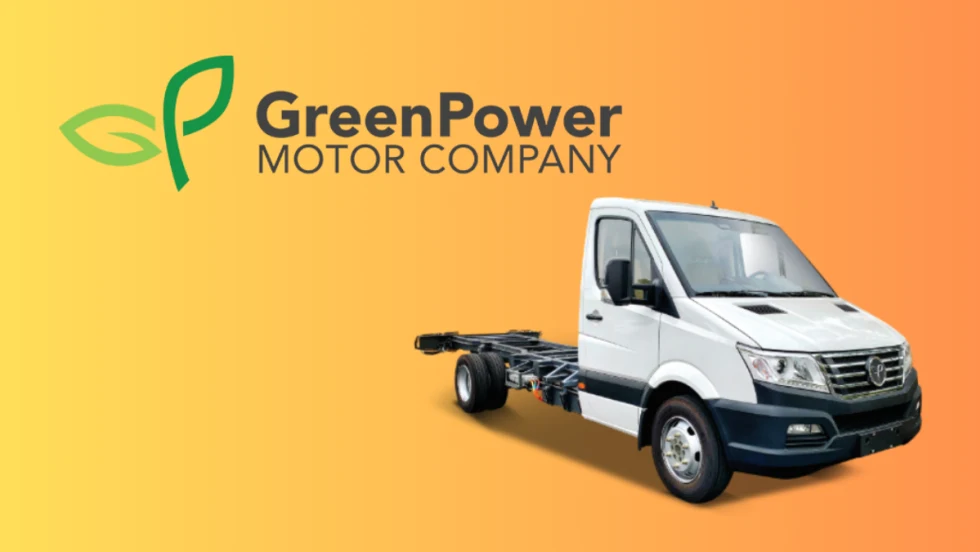
GreenPower Plans 50 Electric Shuttle Buses for Mexico
GreenPower plans to build 50 electric shuttle buses for Mexico using its EV Star Cab & Chassis platform, partnering with local body builders to expand its market reach.
Read More →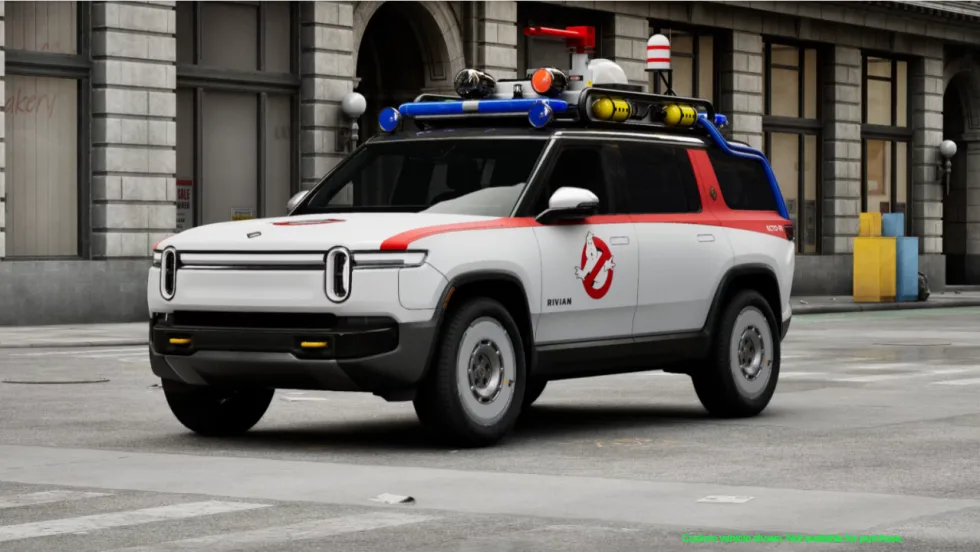
Who You Gonna Call? Rivian Turns Electric Vehicles Into Ghostbusters Rides
Rivian teams up with Sony Pictures for a Ghostbusters-inspired Halloween software update, complete with custom sounds, lighting effects, and a special Ecto-R1.
Read More →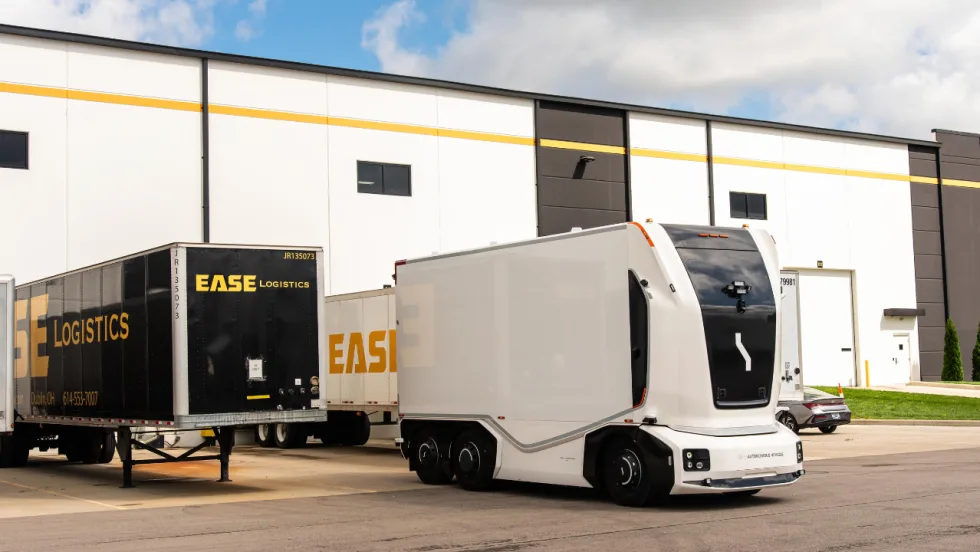
Einride Electric Driverless Trucks Begin Daily Freight Operations in Ohio
Two cabless electric trucks are now moving freight between EASE Logistics facilities, putting autonomous EV technology into daily commercial operations.
Read More →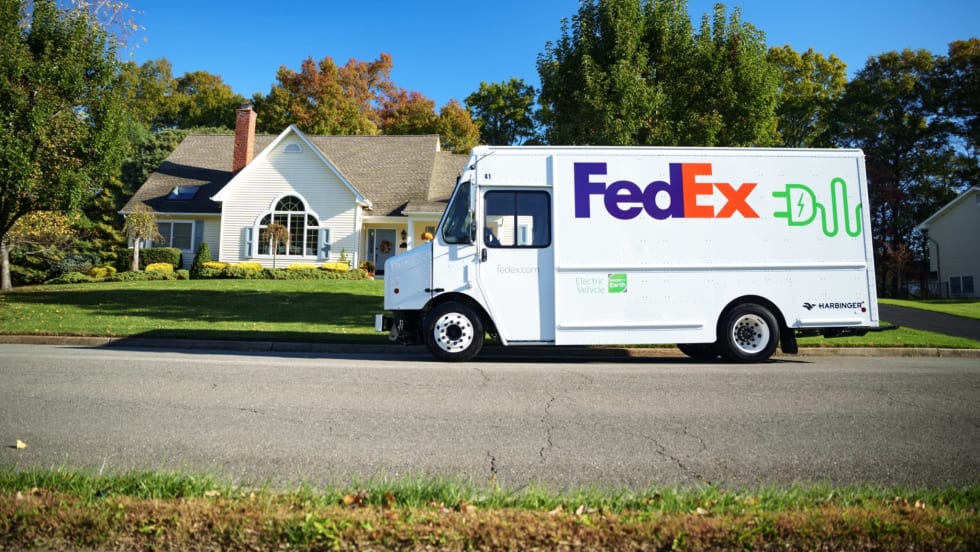
FedEx Orders 2,000 Harbinger Electric Trucks in $300 Million Deal
The Class 5 and 6 electric trucks are planned for delivery by the end of 2027 and will be deployed in FedEx pickup and delivery operations across the U.S. and Canada.
Read More →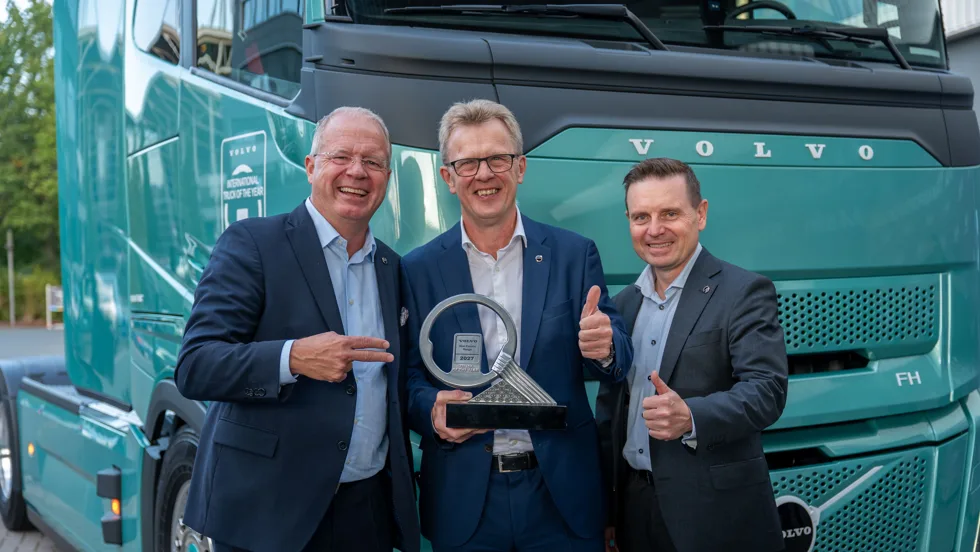
Volvo Trucks’ Electric Range Named International Truck of the Year 2027
The award recognizes Volvo’s global heavy-duty electric lineup, while more than 750 VNR Electric trucks have accumulated nearly 37 million miles in U.S. and Canadian fleet operations.
Read More →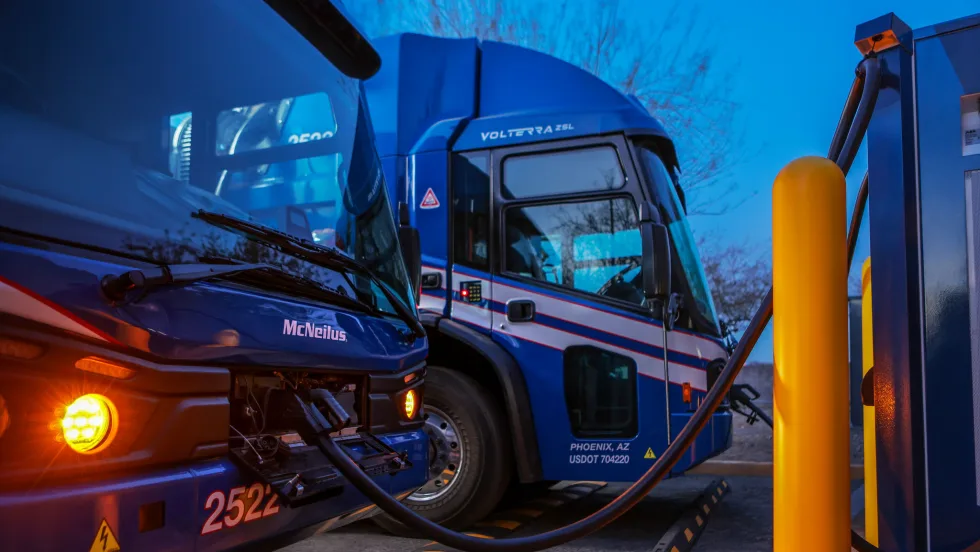
How Republic Services Decides Where Its Next Electric Trucks Can Go
With 250 electric collection trucks now in service, Republic Services is learning that scaling electrification depends less on proving the vehicle and more on whether each site can support what comes next.
Read More →
EV Charging Use Is Outpacing Infrastructure Growth
ChargePoint’s 2026 Charging Forward Report points to rising charger use, higher-powered charging, commercial vehicle electrification, and energy-management technology. Here’s what fleets should know.
Read More →
EV Realty Names Henrik Holland President as Charging Platform Expands
The former Prologis Mobility and Shell executive will help expand EV Realty’s truck charging business and move its power-first infrastructure model into autonomous vehicle depots and other fleet sectors.
Read More →
GreenPower Expands New Mexico EV Pilot With Larger Buses, V2G Testing
After logging more than 17,000 electric miles in the first year, New Mexico’s statewide pilot is moving into its second phase with larger vehicles, continued charging evaluations, and more.
Read More →
Can EV-as-a-Service Help Fleets Scale Electrification?
Sustainability Partners CEO Adam Cain explains how matching EVs, charging infrastructure, and duty cycles can help fleets scale electrification.
Read More →