


LeasePlan USA Releases Study of EV Readiness
The study finds that no state ranked as fully ready for electric vehicles at present; public charging infrastructure lags, and that climate suitability is crucial to EV readiness.

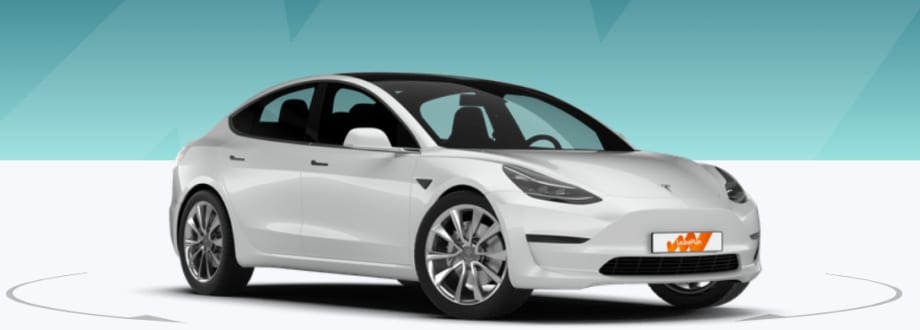
This first edition of the USA EV Readiness Index also includes an overview of electric mobility in 2022, anticipated EVs coming to market, available and soon-to-be available truck and heavy-duty EV models, and actionable insights into each market’s EV readiness.
Photo: LeasePlan USA
Fleet management and driver mobility company LeasePlan USA released the results of its first USA EV Readiness Index, a comprehensive analysis of the preparedness of all 50 states and the District of Columbia for electric vehicle transition. While LeasePlan has published an annual European version of the index since 2018, the USA index ranks states on a weighted scale based on five unique factors, including favorable state legislation and incentives, EV penetration, charger to vehicle ratio, public charger availability, and climate suitability.
LeasePlan USA assessed the balance of EVs and public chargers instead of evaluating cost of charging and cost parity between battery electric vehicles and internal combustion engine (ICE) vehicles. Forecasts for this cost equilibrium shorten yearly, and climate has proven to be an increasingly important factor in the EV transition. Also, this study clearly takes into consideration the driver experience as we have incorporated our learnings across many electric fleet drivers.
As part of the study, LeasePlan calculated a readiness score by state. In 2022, data showed that Nevada, Mississippi, and Hawaii are the best prepared states for electric vehicle transition. All three states have a welcoming climate for EVs, with Nevada and Mississippi also providing a reasonable amount of public charging stations, whereas Hawaii already has begun integrating EVs into its overall vehicle market.
“Although the states that rose to the top in this year’s index are surprising, it’s clear that individual states are making progress towards a greater adoption of electric vehicles,” said Matt Dyer, CEO of LeasePlan USA. “Public charging infrastructure and meaningful federal policies are critical to taking EV adoption from aspirational to attainable in the US.
“Although I’m excited to see so many new EVs in the pipeline, OEMs play a crucial role in developing electric models with sufficient battery ranges and adaptability for fleet customers, and they will need to ensure that production capacity and volume availability rises to the lifecycle requirements of our fleet customers. Furthermore, the onus lies with OEMs to develop efficient battery technology to fight the effects of colder climates.”
Key findings from the index include:
No state ranked as fully EV ready. No states are ranked in the top bracket for readiness, and the top three states crept into the second rating bracket of EV accepted. States that ranked highest are better prepared than others while in lower ranked states drivers might encounter more challenges. This study shows that there is ample room for improvement across the U.S. These rankings incorporate the fluidity of the transition to electric vehicles and growth of the market and will shift as the EV landscape evolves.
Climate suitability is crucial to EV readiness. Climate suitability plays a significant role in determining EV readiness. Cold environments are not yet ideal for EV operation due to the impact low temperatures have on driving range, charging speed, and duration. On average, states that experience colder weather need to take additional measures in their EV transition efforts to secure a successful transition. European countries like Norway have proven that cold climates are not impossible to overcome, but proactive measures must be taken to ensure EV readiness.
Public charging infrastructure lags. For the purpose of this index, only public charging was assessed. While it’s promising to see federal government commitments, such as the planned $7.5 billion to accelerate EV adoption from the Infrastructure Bill, developing this network of chargers will likely take years and make public-only charging solutions unfavorable in the near term.
Originally posted on Automotive Fleet
More Electric Vehicles
EV Charging Use Is Outpacing Infrastructure Growth
ChargePoint’s 2026 Charging Forward Report points to rising charger use, higher-powered charging, commercial vehicle electrification, and energy-management technology. Here’s what fleets should know.
Read More →
EV Realty Names Henrik Holland President as Charging Platform Expands
The former Prologis Mobility and Shell executive will help expand EV Realty’s truck charging business and move its power-first infrastructure model into autonomous vehicle depots and other fleet sectors.
Read More →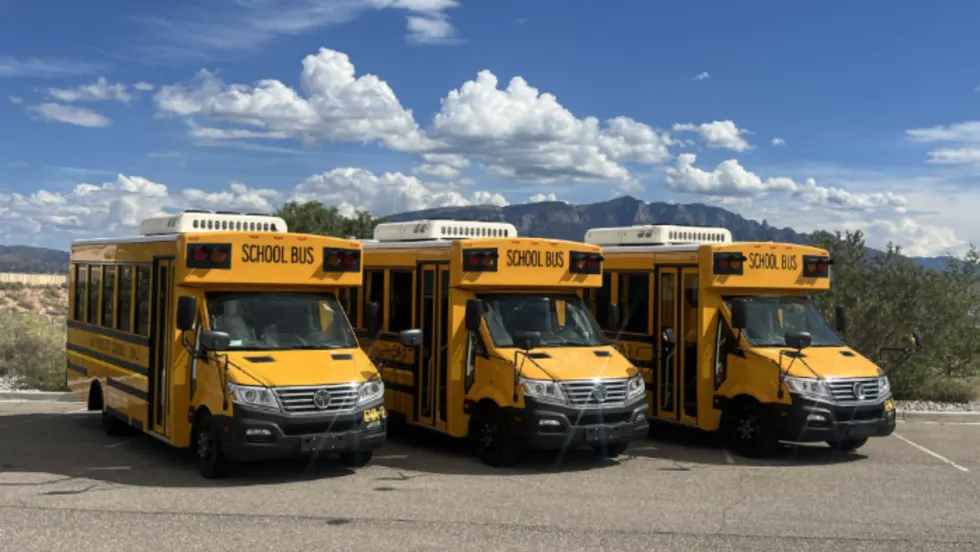
GreenPower Expands New Mexico EV Pilot With Larger Buses, V2G Testing
After logging more than 17,000 electric miles in the first year, New Mexico’s statewide pilot is moving into its second phase with larger vehicles, continued charging evaluations, and more.
Read More →
Can EV-as-a-Service Help Fleets Scale Electrification?
Sustainability Partners CEO Adam Cain explains how matching EVs, charging infrastructure, and duty cycles can help fleets scale electrification.
Read More →
How EV-as-a-Service Is Moving Fleets Beyond Pilots
Adam Cain, president and CEO of Sustainability Partners, explains how EV-as-a-service can help fleets scale deployments by addressing duty-cycle requirements and charging challenges.
Read More →
PowerFlex, The Mobility House Join Forces to Advance Fleet Electrification
Two EV charging providers are joining forces to deliver a broader portfolio of energy management and fleet electrification solutions.
Read More →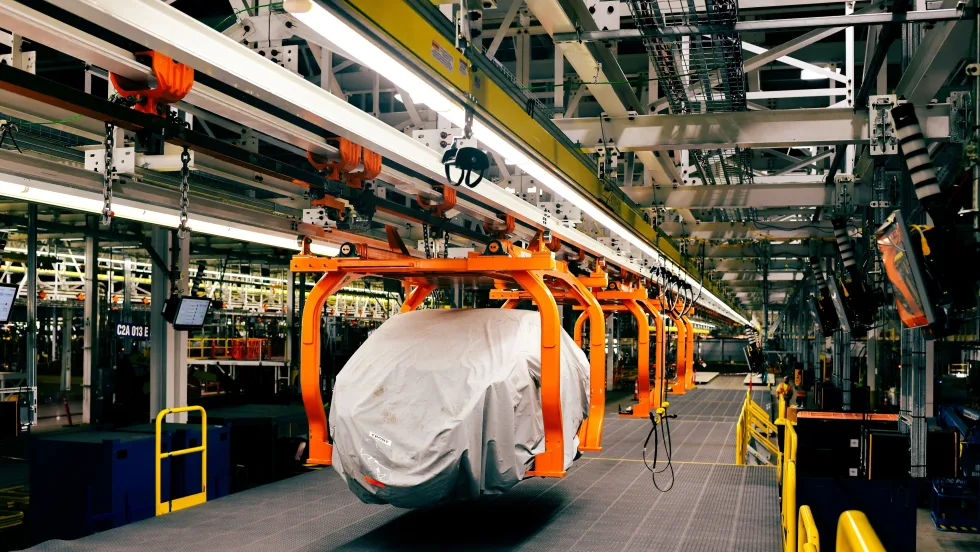
Ford Retools Louisville Plant for Fathom Electric Truck Production
Ford's $2 billion Louisville Assembly Plant overhaul introduces a three-part assembly process for the Fathom midsize electric truck, with production scheduled to begin in 2027.
Read More →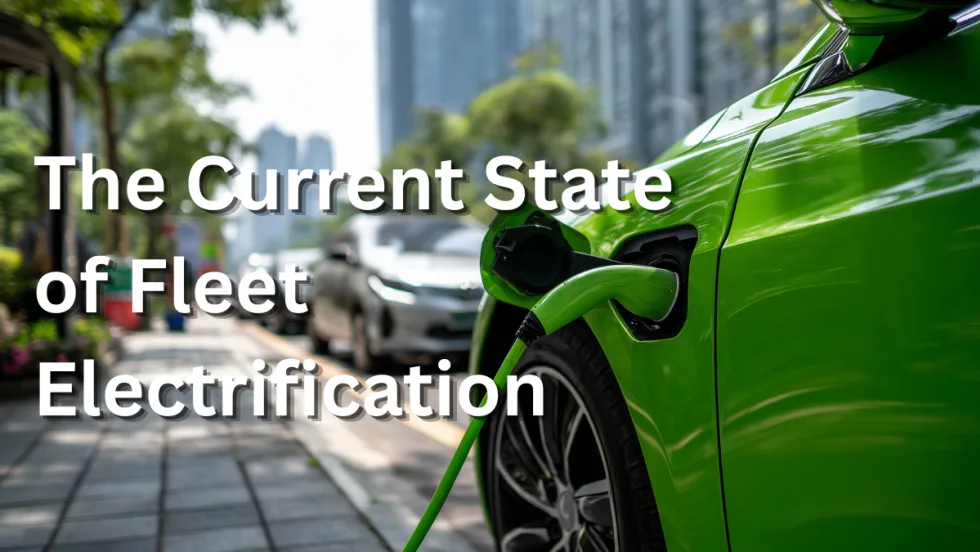
Merchants Fleet Reports 290M EV Miles as Fleets Navigate Changing Electrification Market
From millions in operating savings to hundreds of millions of EV miles, Merchants Fleet’s latest report reveals what’s working and what’s changing in fleet electrification.
Read More →
California District Commits to Electrify 25% of School Bus Fleet by 2028
One of the nation's largest school bus electrification projects to date demonstrates how grants, charging infrastructure, and public-private partnerships can help fleets transition to EVs at scale.
Read More →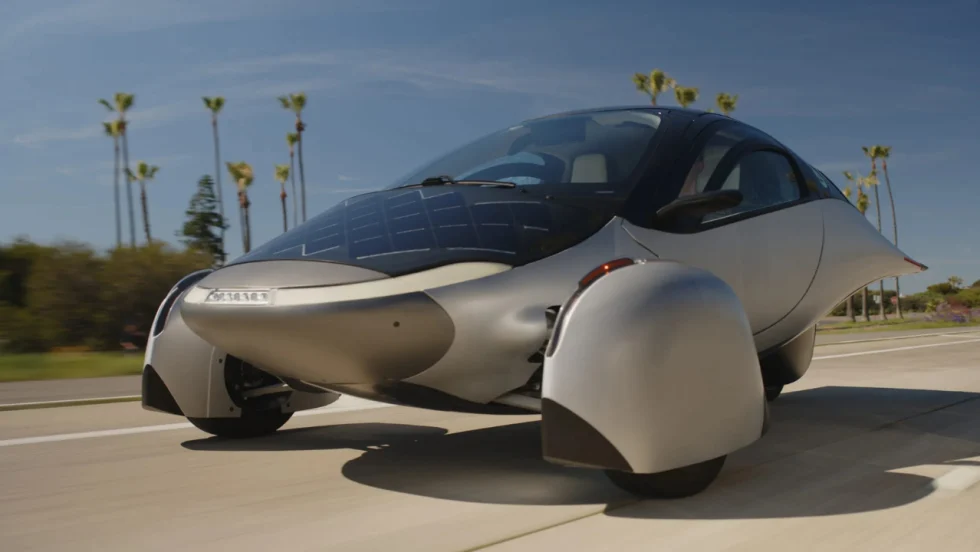
Aptera Orders Bodies and Chassis for Its First 40 Production Vehicles
Aptera Motors Corp. has issued purchase orders for the major structural components of its first 40 vehicles, and body and chassis components are expected to begin arriving in October.
Read More →