



Background News: The Realities Intruding on Mass Electrification
High Voltage Power Grid Vital for Future EV Charging Demand
A recent analysis of fast-charging needs provides a blueprint to ready the grid along major highways while mapping long-term charging demand will avoid duplicate infrastructure investments.
November 14, 2022
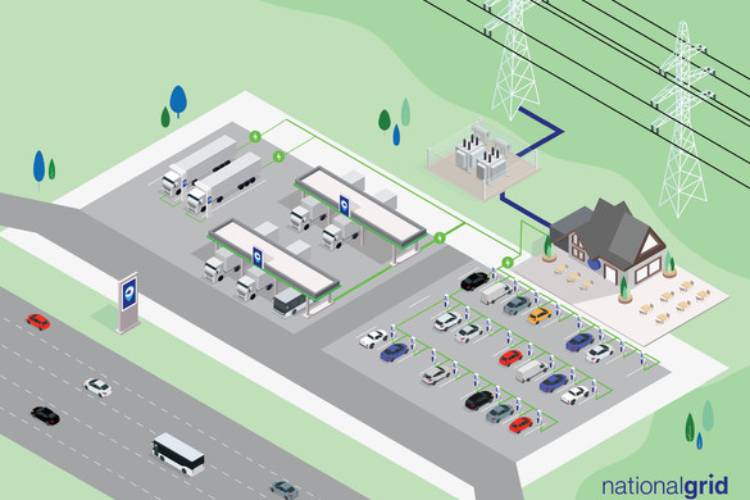
The Electric Highways Study provides a blueprint for the strategic buildout of fast-charging sites along highway corridors to meet an upcoming surge in demand from the electrification of passenger vehicles and commercial trucks.
Photo: National Grid
4 min to read
Electric vehicle (EV) charging needs along Massachusetts and New York highways will require interconnection to high-capacity transmission lines in the next decade, finds a first-in-the-nation study released Nov. 14.
The Electric Highways Study provides a blueprint for the strategic buildout of fast-charging sites along highway corridors to meet an upcoming surge in demand from the electrification of passenger vehicles and commercial trucks.
EV adoption is expected to accelerate nationwide due to market forces and federal policy changes driven by sweeping legislation. At the state level, New York's adoption of the Advanced Clean Cars II regulation and Massachusetts' passage of "An Act Driving Clean Energy and Offshore Wind" will ban the sale of gas-only passenger vehicles by 2035, following the lead of a ban in California for that same year.
National Grid, an electricity, natural gas, and clean energy delivery company serving more than 20 million people through networks in New York and Massachusetts, along with transportation analytics organizations CALSTART, RMI, Geotab, and Stable Auto, conducted the analysis to provide new insight into the future of EV highway charging in New York and Massachusetts and to better understand the effects of this transition on the grid.
The Electric Highways Study can help utilities and policymakers make smarter decisions about electric grid interconnections and infrastructure, avoiding repeated upgrades and ensuring grid readiness does not hinder the clean energy transition.
"This kind of holistic, long-term infrastructure planning will be critical to delivering a clean energy transition as efficiently as possible," said Brian Gemmell, Chief Operating Officer NY Electric, National Grid, in a news release. "We have a responsibility to make smart investments that get it right the first time and to make sure the electricity is there when drivers need it. This study will help us do that."
EV Fast-Charging Site Demand
The study examined current traffic patterns and expected charger use to forecast charging demand at 71 highway sites across New York and Massachusetts. The analysis included relevant electric vehicle sales goals and mandates in National Grid's home states — considering scenarios where all light-duty vehicle sales are electric by 2035 and all medium-and heavy-duty vehicle (MHDV) sales are electric by 2045.
According to the findings, in 10 years more than a quarter of sites studied will require the same amount of power as an outdoor sports stadium to meet charging demand, with some requiring the same power as a small town within the next two decades.
Existing transmission lines, which often mirror highway routes, provide a ready-made solution if highway charging sites can "plug-in" to the high-voltage transmission grid. Strategically future-proofing high-traffic sites will allow states to accelerate cost-effective charging deployment.
"As EV technology matures to suit more duty cycles, electrifying locations along major highways will be critical to ensuring a zero-emission transportation future, from passenger cars to long-haul trucks," said Ben Mandel, senior director for the Northeast Region, CALSTART. "Our study with National Grid and partners provides the clear insights policymakers will need to support an equitable and cost-efficient buildout of fast charging at the scale needed to meet the EV adoption targets in place for New York and Massachusetts."
Dave Mullaney, principal of Carbon Free Transportation, RM, said, "The biggest challenge to deploying those electric trucks will be finding the power to charge them. This study takes the first steps to overcoming that barrier and serves as a roadmap for the rest of the country to follow."
Added Stable co-founder and CEO Rohan Puri, "Sufficient highway charging infrastructure for light-duty vehicles is paramount to mass EV adoption in the US. Stable's predictive models use millions of geospatial data points mapped with true (usage) rates from thousands of chargers operating today to help understand today's demand and how it will grow. Forecasting future power needs informs planning and allows for the strategic deployment of charging infrastructure while maintaining a strong electric grid."
Electric Highways Study Details
To read the Electric Highways Study and learn more about the future of EV fast charging, visit nationalgrid.com/us/EVhighway. To learn more about National Grid programs which have already supported the installation of over 4,600 chargers in New York and Massachusetts, visit the EV Charging pages for New York and Massachusetts.
More Charging
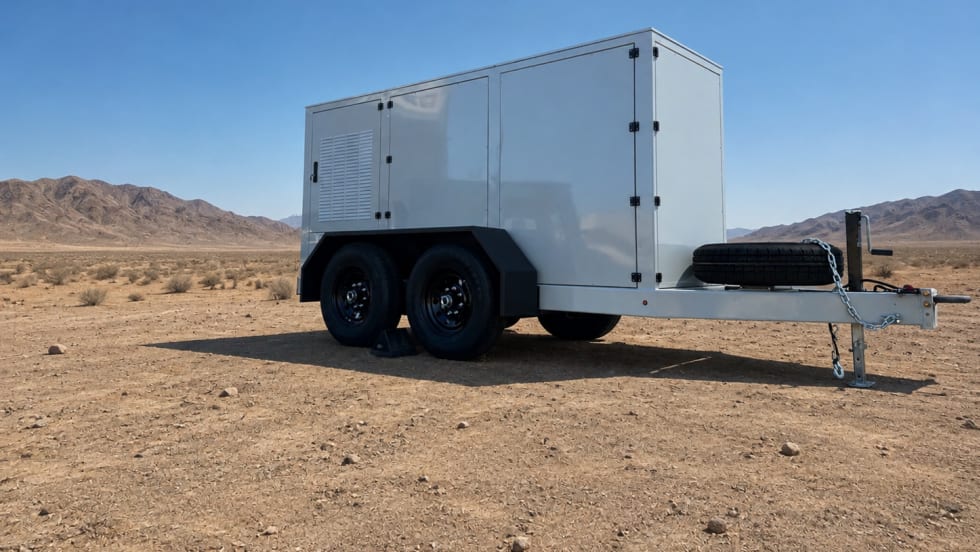
Xos Mobile Charging Hub Surpasses 1 GWh of Energy Delivered
As fleets electrify, charging capacity does not always arrive on the same timeline as the vehicles. Operating data from one Xos Hub shows how mobile, grid-independent charging can support vehicles when permanent infrastructure or utility upgrades aren't available.
Read More →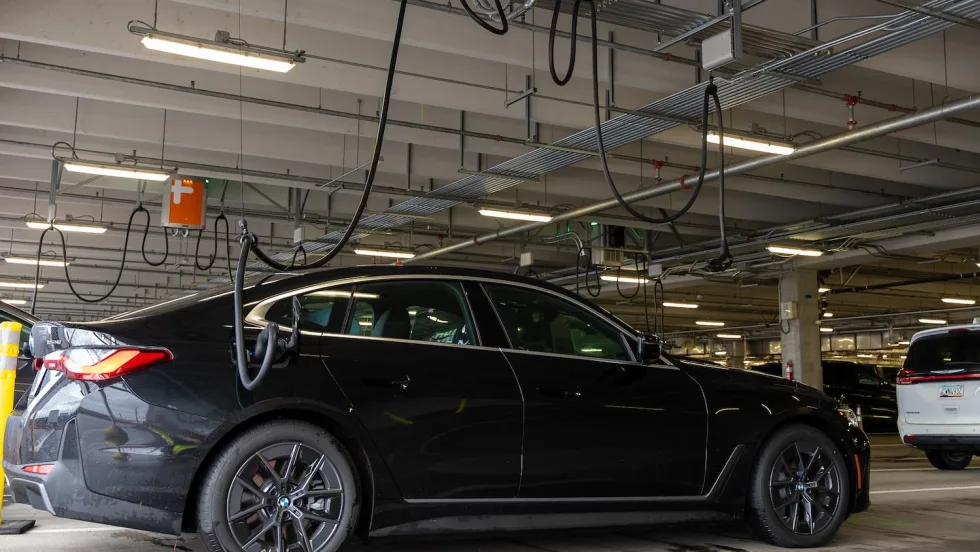
ChargePoint Adds Overhead EV Fast Charging at Portland International Airport
The installation can charge up to 20 rental vehicles simultaneously and uses overhead equipment to preserve ground-level space at the airport's Quick Turnaround Facility.
Read More →
Octopus Energy Launches Public EV Charging App in U.S.
Octopus Charge allows EV drivers to locate and access public charging stations through a single app, building on the company's Electroverse platform in Europe.
Read More →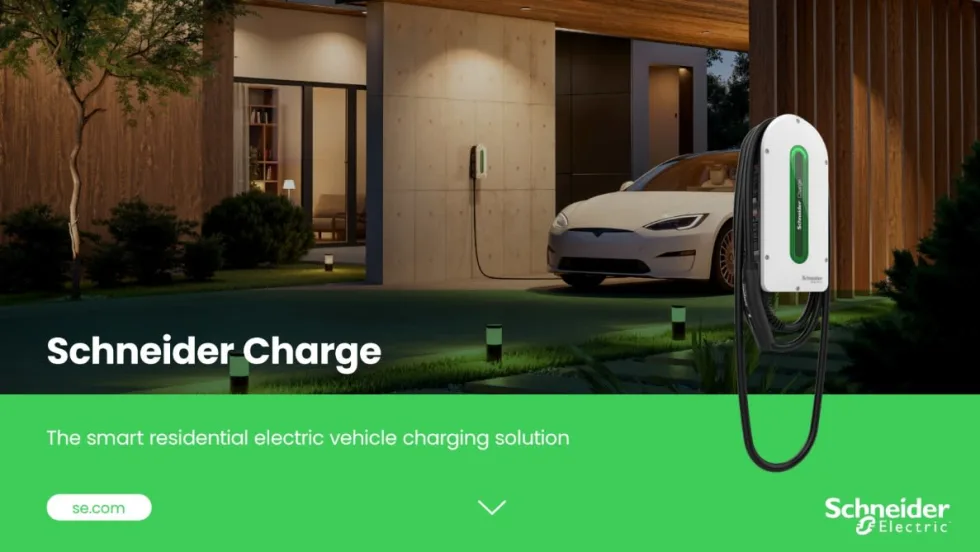
Schneider Electric Launches Level 2 Home EV Charger With Integrated Load Management
Schneider Charge uses integrated SmartAmp technology to adjust charging output based on household electrical demand and is available with NACS or J1772 connectors.
Read More →
Why EV Charging Reliability Is More Complicated Than It Looks
GridLink CEO Josh Silets explains what causes EV chargers to fail, why fleet operators often struggle to identify the source, and what questions they should ask charging vendors.
Read More →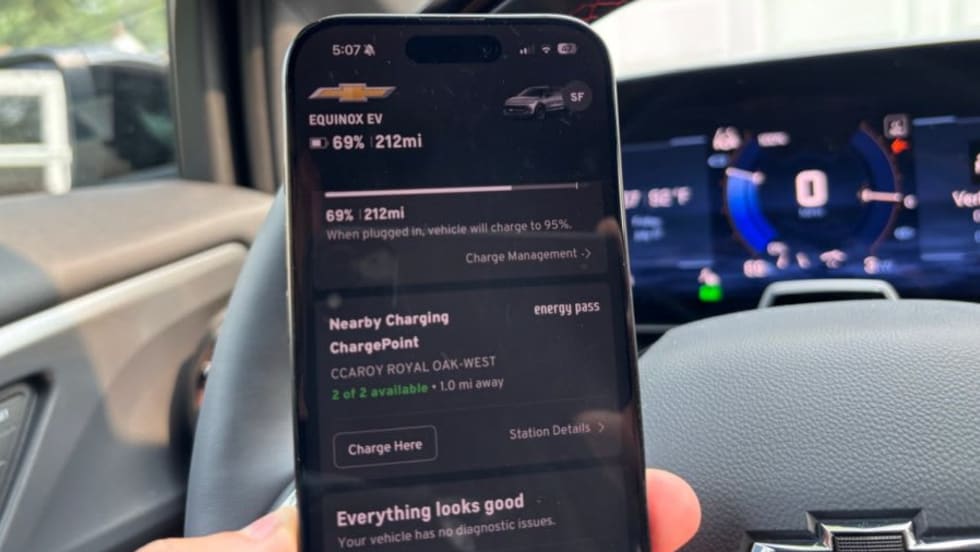
GM Adds ChargePoint Network to Energy Pass Platform
The integration gives GM EV drivers access to additional DC fast chargers and Level 2 stations through a single app while expanding the automaker's public charging ecosystem.
Read More →
Xos White Paper Asserts LA Olympics Will Lack Enough EV Chargers
The commercial EV fleet company recommends some faster and more flexible remedies to relieve the anticipated shortfall.
Read More →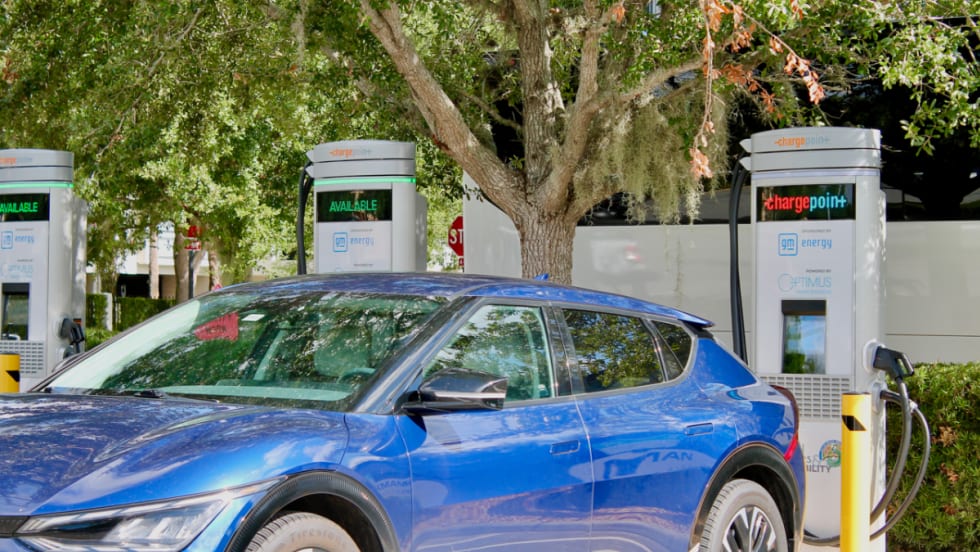
ChargePoint, Optimus Expand Fast-Charging Network Across Southeastern U.S.
ChargePoint will serve as the exclusive solutions provider, delivering hardware, software, and services to support Optimus’ growing charging network.
Read More →
Running A Profitable Electric Rental Fleet
How do you successfully operate an all-electric rental car fleet? Whether you manage a rental fleet or another commercial fleet, this conversation offers practical lessons on deploying, operating, and scaling electric vehicles.
Read More →
Why Charging May Never Be As Easy As Filling Up Gas
A seamless charge depends on a string of independent companies getting it right together, every time. How can electric fleets navigate the challenges to create a successful charging plan?
Read More →