


Geotab Introduces EV Battery Degradation Tool
Geotab has launched its Electric Vehicle Battery Degradation tool, a tool that offers a comparison and assessment of battery health in EVs over time.


Photo by Andy Lundin.
Geotab has launched its Electric Vehicle Battery Degradation tool, a tool that offers a comparison and assessment of battery health in EVs over time.
The tool, which the company announced at the Geotab Connect 2020 event, uses data collected from 6,400 vehicles across 64 makes, models, and years to showcase how real-world conditions influence battery health.
“Considering we are in the early stages of EV adoption, the health of the battery has been a top concern for fleet owners and individuals,” said Matt Stevens, VP electric vehicles at Geotab. “From a life-cycle perspective, battery health is key since it is the most expensive component in an EV and impacts vehicle range. With Geotab’s free EV Battery Degradation Tool, fleet operators, early EV adopters and those considering the purchase of an EV will have the information they need to make more informed driving, maintenance and buying decisions moving forward.”
In its analysis of the 6,400 vehicles, Geotab has found that if degradation rates remain constant, most batteries will outlast the usable life of a vehicle and go on to provide energy storage for many more years.
The company found that the average decline in energy storage is 2.3% every year. To put that into context, an EV with a 150-mile range will lose roughly 17 miles of accessible range after five years.
Geotab also found that not all batteries are created equal, as batteries with good thermal management show slower degradation, and battery-powered vehicles with bigger state-of-charge buffers result in a longer-lasting battery pack.
For fleets concerned that higher vehicle use will accelerate battery degradation, Geotab did not find a direct correlation to this claim.
One thing that does affect battery degradation is temperature, as vehicles driven in hot temperatures show a faster decline in battery health.
Charging an EV via DC fast charging also has a negative effect on degradation speed. However, there doesn’t appear much of a difference in battery health between Level 1 and Level 2 charging.
Originally posted on Automotive Fleet
More Electric Vehicles
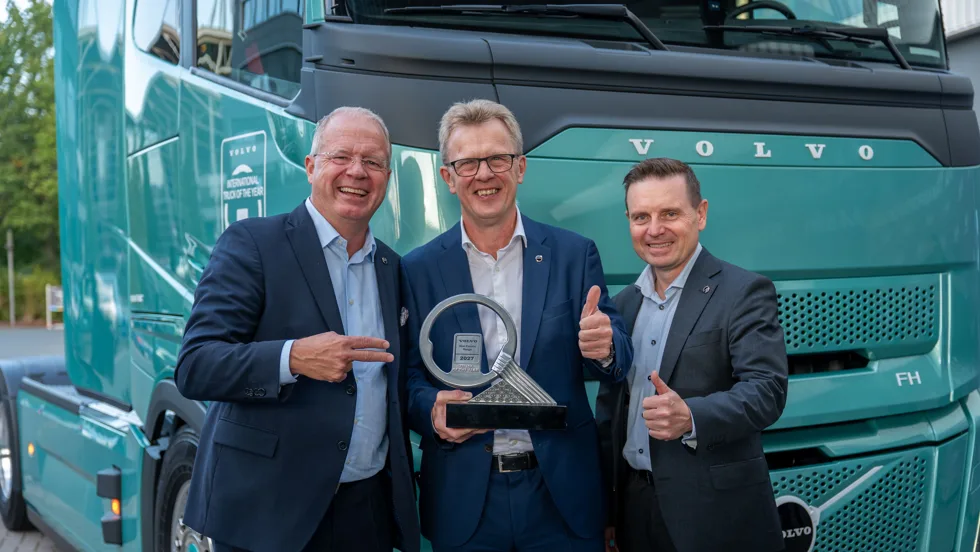
Volvo Trucks’ Electric Range Named International Truck of the Year 2027
The award recognizes Volvo’s global heavy-duty electric lineup, while more than 750 VNR Electric trucks have accumulated nearly 37 million miles in U.S. and Canadian fleet operations.
Read More →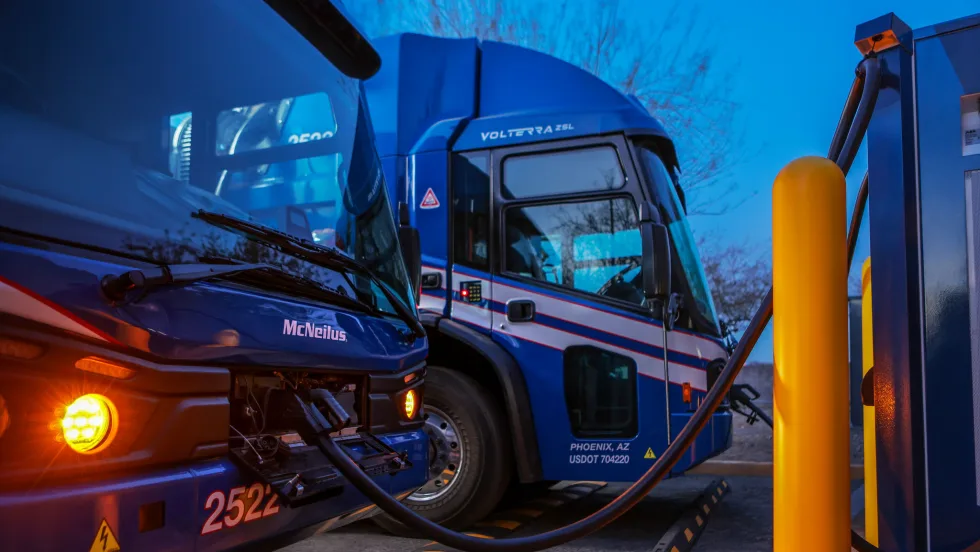
How Republic Services Decides Where Its Next Electric Trucks Can Go
With 250 electric collection trucks now in service, Republic Services is learning that scaling electrification depends less on proving the vehicle and more on whether each site can support what comes next.
Read More →
EV Charging Use Is Outpacing Infrastructure Growth
ChargePoint’s 2026 Charging Forward Report points to rising charger use, higher-powered charging, commercial vehicle electrification, and energy-management technology. Here’s what fleets should know.
Read More →
EV Realty Names Henrik Holland President as Charging Platform Expands
The former Prologis Mobility and Shell executive will help expand EV Realty’s truck charging business and move its power-first infrastructure model into autonomous vehicle depots and other fleet sectors.
Read More →
GreenPower Expands New Mexico EV Pilot With Larger Buses, V2G Testing
After logging more than 17,000 electric miles in the first year, New Mexico’s statewide pilot is moving into its second phase with larger vehicles, continued charging evaluations, and more.
Read More →
Can EV-as-a-Service Help Fleets Scale Electrification?
Sustainability Partners CEO Adam Cain explains how matching EVs, charging infrastructure, and duty cycles can help fleets scale electrification.
Read More →
How EV-as-a-Service Is Moving Fleets Beyond Pilots
Adam Cain, president and CEO of Sustainability Partners, explains how EV-as-a-service can help fleets scale deployments by addressing duty-cycle requirements and charging challenges.
Read More →
PowerFlex, The Mobility House Join Forces to Advance Fleet Electrification
Two EV charging providers are joining forces to deliver a broader portfolio of energy management and fleet electrification solutions.
Read More →
Ford Retools Louisville Plant for Fathom Electric Truck Production
Ford's $2 billion Louisville Assembly Plant overhaul introduces a three-part assembly process for the Fathom midsize electric truck, with production scheduled to begin in 2027.
Read More →
Merchants Fleet Reports 290M EV Miles as Fleets Navigate Changing Electrification Market
From millions in operating savings to hundreds of millions of EV miles, Merchants Fleet’s latest report reveals what’s working and what’s changing in fleet electrification.
Read More →