


Ford Pro e-Telematics Helps Fleet Track E-Transit Efficiency
Canadian electrical contractor Fize Electrique shares how it uses Ford Pro e-Telematics to drive and track efficiency in the battery-electric Fords in its fleet, mostly comprised of E-Transit vans, even in the brutal cold of winter.

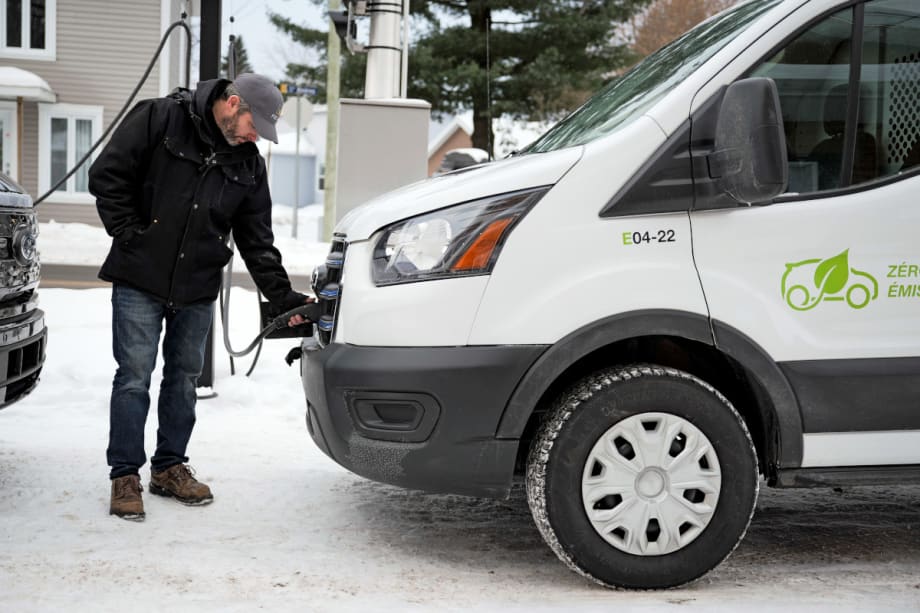
Fize Electrique’s EV fleet includes seven E-Transit vans.
Photo: Ford Pro
The electric vehicle market is growing in Canada, and Ford continues to play a big part in this transition with full-year battery-electric vehicle (BEV) sales up 30% year-over-year. Fize Electrique runs a completely zero-emission fleet with the support of data and analytics from Ford Pro e-Telematics and delivers year-round with 66kWh E-Transit vans.
Zero-Emissions Fleet
Based out of Lévis, electrical contractor Fize Electrique began transitioning its fleet to electric starting in 2018. Today, their fleet of more than 10 vehicles is fully zero-emissions, including seven E-Transit vans, an F-150 Lightning, and a Mustang Mach-E.
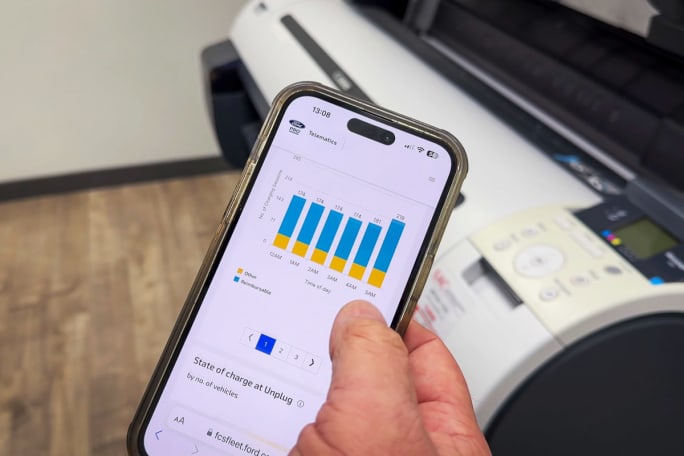
Ford Pro e-Telematics allows users to track charge status and other key metrics by smartphone.
Photo: Ford Pro
Ford Pro e-Telematics Subscription
Ford Pro e-Telematics is a subscription service for commercial customers that includes all Ford Pro Telematics features plus:
Real-time range status
Charge status
Remote preconditioning
Home-charging reimbursement for employees
Every Ford EV comes with a trial subscription to the service, meaning customers can manage all aspects of their fleet from the convenience of a smartphone or laptop, no matter where they are.
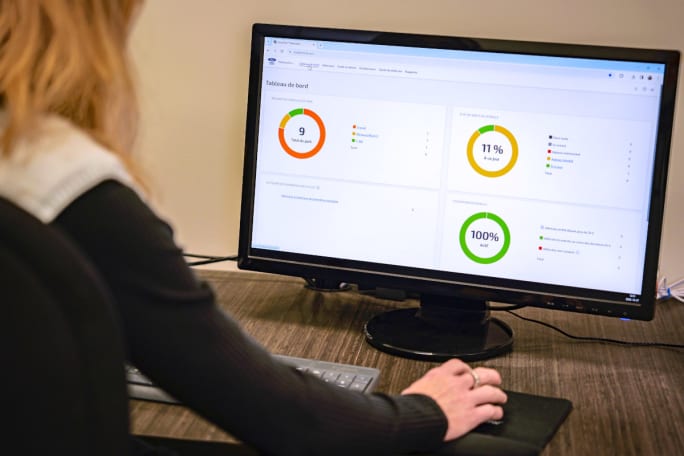
Ford Pro e-Telematics keeps Fize Electrique informed and provides data to drive efficiency in the electrical contractor’s battery-electric fleet.
Photo: Ford Pro
Tracking EV Fleet Efficiency
According to Alain Fiset, director of Smart Energy for Fize Electrique, data from Ford Pro e-Telematics shows that the Ford E-Transit — despite having a smaller battery and lower estimated range than the F-150 Lightning or Mustang Mach-E — has been a perfect fit for the company’s needs.
“Using Ford Pro e-Telematics, we’re able to track our range and efficiency at any moment, and even in the winter our E-Transit vans have plenty of capability to meet our needs,” said Fiset. “We put about 25,000 kilometers (15,534 miles) on our vans each year, or about 100 kilometers (62 miles) a day on average. For the work we do every day, the Ford E-Transit is a perfect mix of capability and efficiency.”
Preparing for EV Transition
Achieving this level of efficiency did not happen by chance, according to Fiset. It required research on available vehicles and services before transitioning their fleet, along with training their employees in good EV practices.
Key elements of the transition to zero-emissions for the fleet involved:
Understanding how its fleet of internal combustion engine vehicles was being utilized on an average day, and over the course of a year, helped Fiset and his team choose the right electric vehicle for each job and determine when it was right to make the transition.
Using Ford Pro e-Telematics, Fiset and his team have been able to track real-time range and charge status, calculate range averages by vehicle throughout the year, remotely precondition vehicles, and seamlessly reimburse employees for home charging costs.
Taking the e-Telematics data and training their employees on how to maximize vehicle efficiency, including vehicle preconditioning and responsible driving habits.
Ford Pro said this is another example of how customers are utilizing its vehicles and services to accelerate their business productivity.
Order banks for the enhanced-range version of the Ford E-Transit are now open.
Originally posted on Work Truck Online
More Operations

The EV Breakdown Nobody's Talking About: Why Most Electric Vehicle Roadside Calls Aren't Mechanical Failures
Here's why EV breakdowns are widely misunderstood.
Read More →
Xos White Paper Asserts LA Olympics Will Lack Enough EV Chargers
The commercial EV fleet company recommends some faster and more flexible remedies to relieve the anticipated shortfall.
Read More →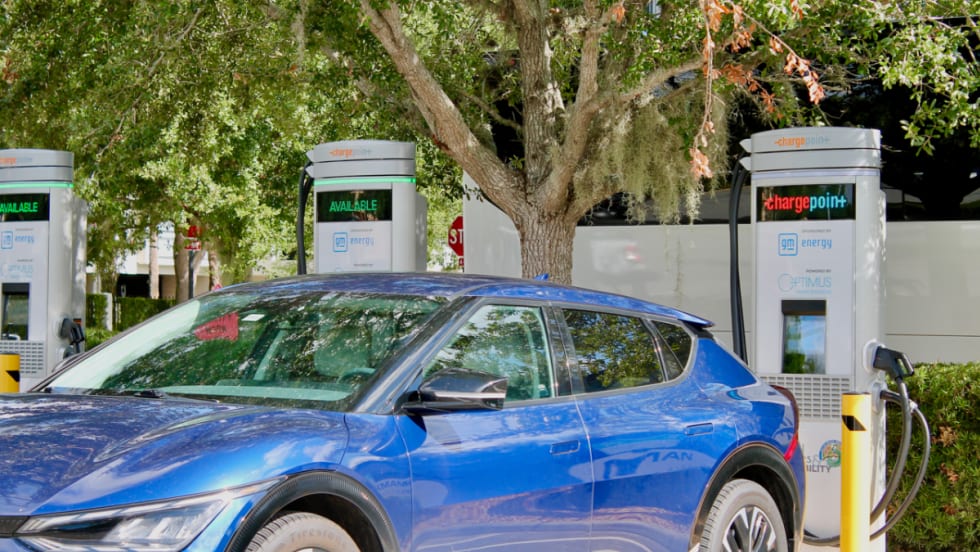
ChargePoint, Optimus Expand Fast-Charging Network Across Southeastern U.S.
ChargePoint will serve as the exclusive solutions provider, delivering hardware, software, and services to support Optimus’ growing charging network.
Read More →
Running A Profitable Electric Rental Fleet
How do you successfully operate an all-electric rental car fleet? Whether you manage a rental fleet or another commercial fleet, this conversation offers practical lessons on deploying, operating, and scaling electric vehicles.
Read More →
Registration Opens for 2026 Fleet Forward Conference
Held on the East Coast for the first time, the Washington, D.C.-area event features expert-led education, a new IIHS Crash Test Experience, and collocation with the NAFA’s Fleet Safety Symposium.
Read More →
Why Charging May Never Be As Easy As Filling Up Gas
A seamless charge depends on a string of independent companies getting it right together, every time. How can electric fleets navigate the challenges to create a successful charging plan?
Read More →
Slate Debuts Colorful, Unique EV Models
A recent media and client event, studded with electric vehicles dressed up on platforms, planted a new position for the manufacturer in the wider EV market. Fleets will find cost-saving advantages.
Read More →
Slate Electric SUV, Pickup Switchable Model Aims For Light-Duty Fleets
Everything about this EV is counterintuitive and understated, making it stand out from the crowd.
Read More →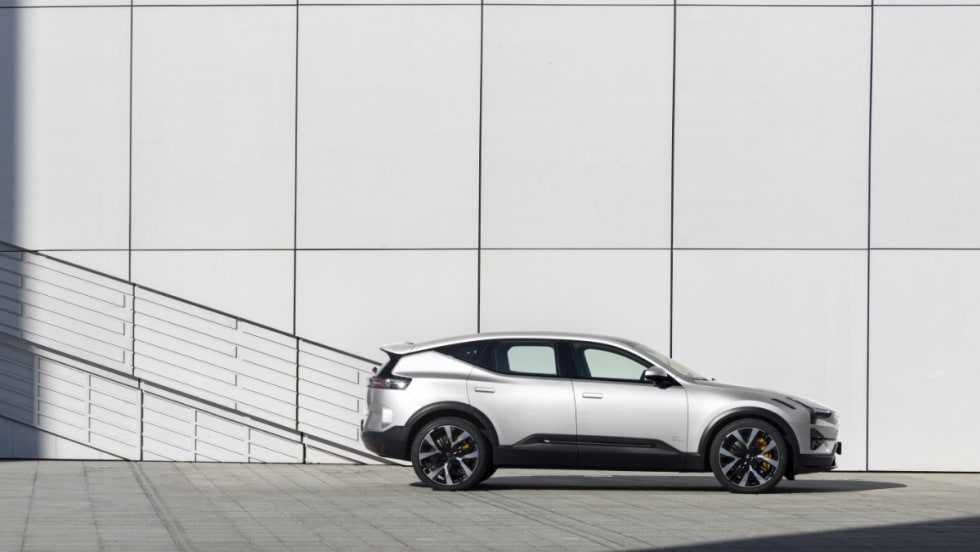
Polestar Barred from U.S. Market Under Connected Vehicle Rule
The automaker loses its authorization to sell new vehicles in the U.S., starting with the 2027 model year. Polestar owners will retain access to the brand's service network.
Read More →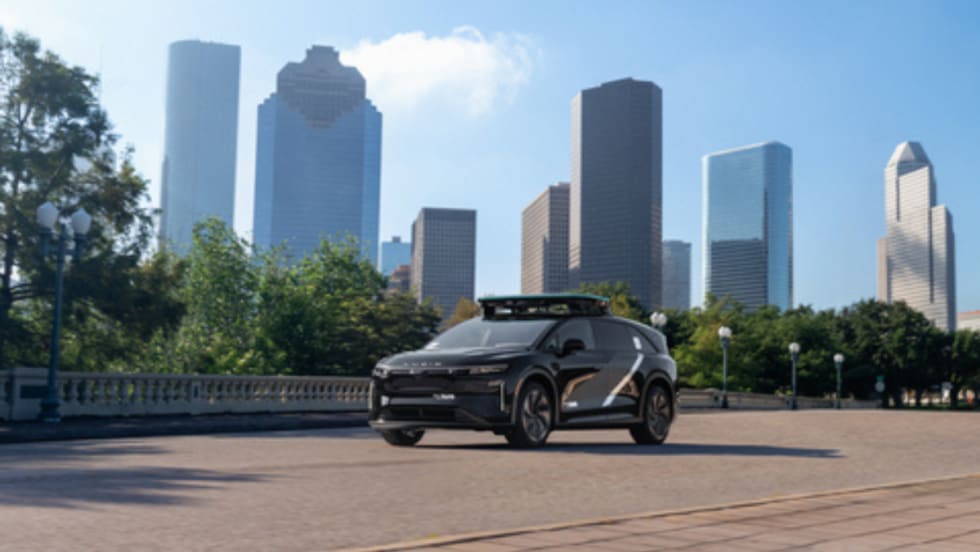
Uber, Nuro and Lucid Plan Houston Robotaxi Service in 2027
The tripartite venture brings out the combined advantages of electric vehicles, mobility, and autonomy into ground transportation.
Read More →