



Keep Reading: Ford Launches Technician Training Programs, Adds BEV Courses
EV Report Examines Repair Costs, Safety Pros and Cons
A new report from CCC Intelligent Solutions finds that electric vehicles have a higher average repair cost than traditional cars. This is likely due to higher OE parts utilization and more repairs requiring operations like scan and calibration.
July 15, 2022
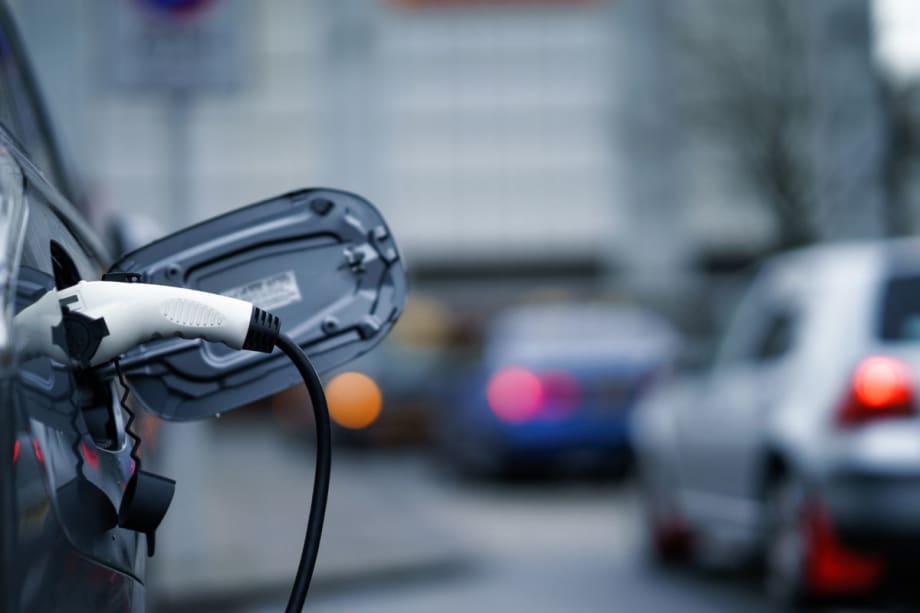
Recent data shows repair times are typically longer for electric vehicles than for internal combustion engine vehicles.
Photo: Canva
3 min to read
In the first quarter of 2022, battery-electric vehicle sales in the U.S. ramped up sharply, accounting for 4.6% of the new light-vehicle registrations as compared to just 2.6% for full year 2021 and 1.5% for full year 2020, according to a new report from CCC Intelligent Solutions.
As more fleets begin to adopt electric vehicles (EVs), safety concerns and repair costs after a collision are two key issues fleet operators will want to consider. The CCC report touches on both topics.
Specific design differences between EVs and traditional vehicles can have an impact on safety. For starters, the torque and acceleration of EV’s is different than for internal combustion engine (ICE) vehicles. One of the key features of the new Ford 150 Lightning, for example, is the ability for the truck from standing stop to reach 60 mph in 4 seconds.
From a fleet operator’s perspective, speedy acceleration is not necessarily a good thing. However, from a safety standpoint, the good news is that EVs often decelerate quickly, too. In fact, EVs often decelerate at distances in line with — or better than — similarly sized gas vehicles, notes the report.
Regenerative braking systems aid in shorter stopping distance, which is a significant safety benefit. Typically, EVs are equipped with regenerative braking where the electric motors slow the machine while generating power, and with most using a skateboard battery design, have lower centers of gravit, and spread braking power more evenly among the four wheels.
The weight of an EV can also have an impact on safety — positively and negatively. Many EV models weigh substantially more than their ICE comparable models. Data from the Insurance Institute for Highway Safety shows the added weight in EV and hybrid vehicles means occupants are less likely to be injured in a crash than people in otherwise similar gas-powered vehicles.
However, that extra weight can be bad news for motorists who get hit by electric vehicles, as the added impact force gets transferred to the other, lighter vehicle. Moreover, one study concerning pedestrians found that injuries increased with the weight of the vehicle in the collision.
Advanced technology can offer safety benefits as well. The CCC report notes that numerous EV manufacturers have already met the voluntary commitment to equip their vehicles minimally with front automatic emergency braking. In addition, many EVs are equipped not only with a variety of driver assistance features, but also with connectivity and telematics features.
As it concerns repairs, the report indicates that the average total cost of repairs for EVs is higher than non-EVs, or even luxury non-EVs.
CCC completed analysis of two subsets of vehicles, comparing vehicle repair metrics like cost, OEM part utilization, repair versus replace, repair cycle time, and repairer productivity. The first subset of vehicles were small non-luxury models where the same model was available as an EV or ICE, or where an ICE vehicle with a similar body style was available for comparison to a model produced only as EV. The second subset of vehicles did the same for mid-size luxury SUVs.
Claim data compared was for collision losses for driveable vehicles with a front impact and vehicle ages current to three years of age.
The findings showed that EVs had a higher average repair cost. This was likely due to higher OE parts utilization and more repairs requiring operations like scan and calibration. Moreover, repair times were longer for EVs than for ICE models. Finally, EV repairs had a higher percentage returned to the shop for additional work after the customer picked up the vehicle.
Originally posted on Automotive Fleet
More Electric Vehicles
EV Charging Use Is Outpacing Infrastructure Growth
ChargePoint’s 2026 Charging Forward Report points to rising charger use, higher-powered charging, commercial vehicle electrification, and energy-management technology. Here’s what fleets should know.
Read More →
EV Realty Names Henrik Holland President as Charging Platform Expands
The former Prologis Mobility and Shell executive will help expand EV Realty’s truck charging business and move its power-first infrastructure model into autonomous vehicle depots and other fleet sectors.
Read More →
GreenPower Expands New Mexico EV Pilot With Larger Buses, V2G Testing
After logging more than 17,000 electric miles in the first year, New Mexico’s statewide pilot is moving into its second phase with larger vehicles, continued charging evaluations, and more.
Read More →
Can EV-as-a-Service Help Fleets Scale Electrification?
Sustainability Partners CEO Adam Cain explains how matching EVs, charging infrastructure, and duty cycles can help fleets scale electrification.
Read More →
How EV-as-a-Service Is Moving Fleets Beyond Pilots
Adam Cain, president and CEO of Sustainability Partners, explains how EV-as-a-service can help fleets scale deployments by addressing duty-cycle requirements and charging challenges.
Read More →
PowerFlex, The Mobility House Join Forces to Advance Fleet Electrification
Two EV charging providers are joining forces to deliver a broader portfolio of energy management and fleet electrification solutions.
Read More →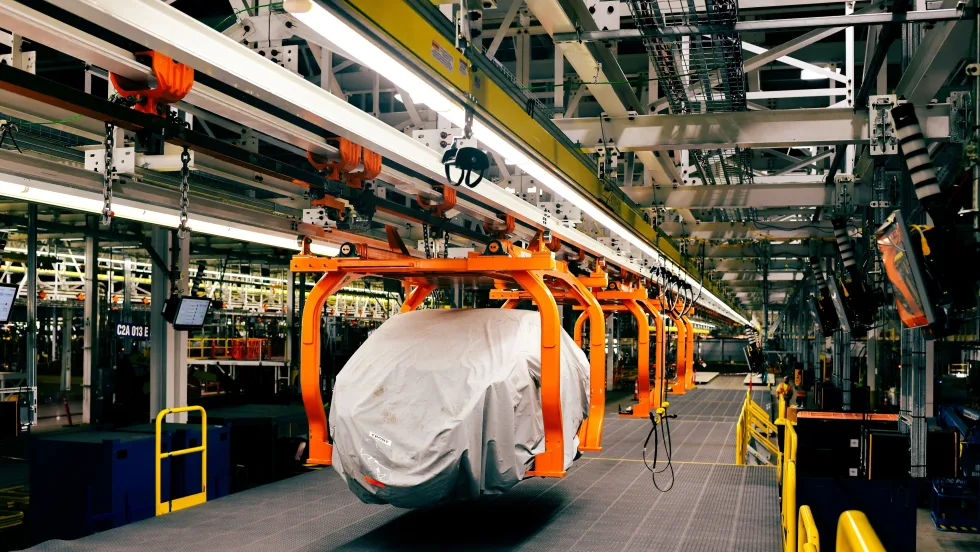
Ford Retools Louisville Plant for Fathom Electric Truck Production
Ford's $2 billion Louisville Assembly Plant overhaul introduces a three-part assembly process for the Fathom midsize electric truck, with production scheduled to begin in 2027.
Read More →
Merchants Fleet Reports 290M EV Miles as Fleets Navigate Changing Electrification Market
From millions in operating savings to hundreds of millions of EV miles, Merchants Fleet’s latest report reveals what’s working and what’s changing in fleet electrification.
Read More →
California District Commits to Electrify 25% of School Bus Fleet by 2028
One of the nation's largest school bus electrification projects to date demonstrates how grants, charging infrastructure, and public-private partnerships can help fleets transition to EVs at scale.
Read More →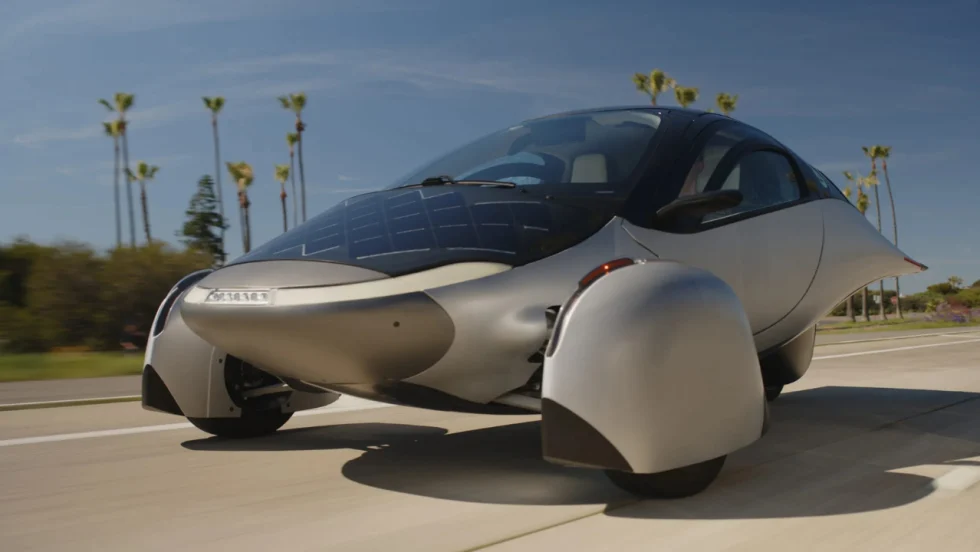
Aptera Orders Bodies and Chassis for Its First 40 Production Vehicles
Aptera Motors Corp. has issued purchase orders for the major structural components of its first 40 vehicles, and body and chassis components are expected to begin arriving in October.
Read More →