


Euro NCAP Rebukes Renault For Sacrificing Safety On New EVs
The European safety testing organization, Euro NCAP, has openly criticized Renault for the lack of safety standards on the updated Zoe and Dacia Spring in its latest round of safety ratings.

NCAP recently released ratings of many new electric vehicles, and former safety standout Renault struggled to impress.
NCAP
The European safety testing organization, Euro NCAP, has openly criticized Renault for the lack of safety standards on the updated Zoe and Dacia Spring in its latest round of safety ratings.
NCAP
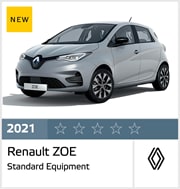
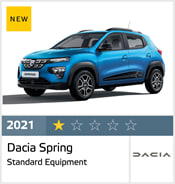
Giving the Zoe a no-star rating and the Spring just one star, Michiel van Ratingen, the secretary general of Euro NCAP, commented: “Renault was once synonymous with safety. The Laguna was the first car to get five stars, back in 2001. But these disappointing results for the Zoe and the Dacia Spring show that safety has now become collateral damage in the group’s transition to electric cars.”
These results—in particular for the facelifted supermini Zoe introduced in 2020—will give fleet managers concern for any of these vehicles introduced on fleet thanks to its improved range and good value over Zoe Mk1.
Euro NCAP goes on to report that despite several battery improvements introduced in 2020 on Zoe Mk2, there was no added safety. The organization points out that the seat-mounted side airbag, which previously protected head and thorax, had been replaced by a less effective thorax-only airbag, representing a degradation in occupant protection.
It added:
“The new Zoe offers poor protection in crashes overall, poor vulnerable road user protection, and lacks meaningful crash avoidance technology, disqualifying it for any stars.”
NCAP
Euro NCAP was slightly more conciliatory towards the Renault budget brand Dacia, offering it one star instead of none, but remained stinging in its criticism. Here’s van Ratigen again:
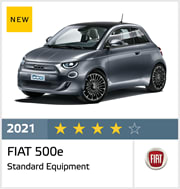
“Dacia cars fail to offer any appreciable active safety as standard, but their occupant protection is also worse than any vehicle we have seen in many years. It is cynical to offer the consumer an affordable green car if it comes at the price of higher injury risk in the event of an accident. Other cars, such as the Fiat 500e, recently awarded five stars in Green NCAP, show that safety does not need to be sacrificed for environmental cleanliness.”
NCAP
Fleet managers will be relieved that other new cars did extremely well, including five stars for the BMW iX, Nissan Qashqai, and Skoda Fabia, while two lower cost electric cars—the Fiat 500e, and the all-new MG Marvel R—were awarded four-star ratings.
In total seven cars were awarded the highest five-star rating by Euro NCAP.
Originally posted on Automotive Fleet
More Electric Vehicles
EV Charging Use Is Outpacing Infrastructure Growth
ChargePoint’s 2026 Charging Forward Report points to rising charger use, higher-powered charging, commercial vehicle electrification, and energy-management technology. Here’s what fleets should know.
Read More →
EV Realty Names Henrik Holland President as Charging Platform Expands
The former Prologis Mobility and Shell executive will help expand EV Realty’s truck charging business and move its power-first infrastructure model into autonomous vehicle depots and other fleet sectors.
Read More →
GreenPower Expands New Mexico EV Pilot With Larger Buses, V2G Testing
After logging more than 17,000 electric miles in the first year, New Mexico’s statewide pilot is moving into its second phase with larger vehicles, continued charging evaluations, and more.
Read More →
Can EV-as-a-Service Help Fleets Scale Electrification?
Sustainability Partners CEO Adam Cain explains how matching EVs, charging infrastructure, and duty cycles can help fleets scale electrification.
Read More →
How EV-as-a-Service Is Moving Fleets Beyond Pilots
Adam Cain, president and CEO of Sustainability Partners, explains how EV-as-a-service can help fleets scale deployments by addressing duty-cycle requirements and charging challenges.
Read More →
PowerFlex, The Mobility House Join Forces to Advance Fleet Electrification
Two EV charging providers are joining forces to deliver a broader portfolio of energy management and fleet electrification solutions.
Read More →
Ford Retools Louisville Plant for Fathom Electric Truck Production
Ford's $2 billion Louisville Assembly Plant overhaul introduces a three-part assembly process for the Fathom midsize electric truck, with production scheduled to begin in 2027.
Read More →
Merchants Fleet Reports 290M EV Miles as Fleets Navigate Changing Electrification Market
From millions in operating savings to hundreds of millions of EV miles, Merchants Fleet’s latest report reveals what’s working and what’s changing in fleet electrification.
Read More →
California District Commits to Electrify 25% of School Bus Fleet by 2028
One of the nation's largest school bus electrification projects to date demonstrates how grants, charging infrastructure, and public-private partnerships can help fleets transition to EVs at scale.
Read More →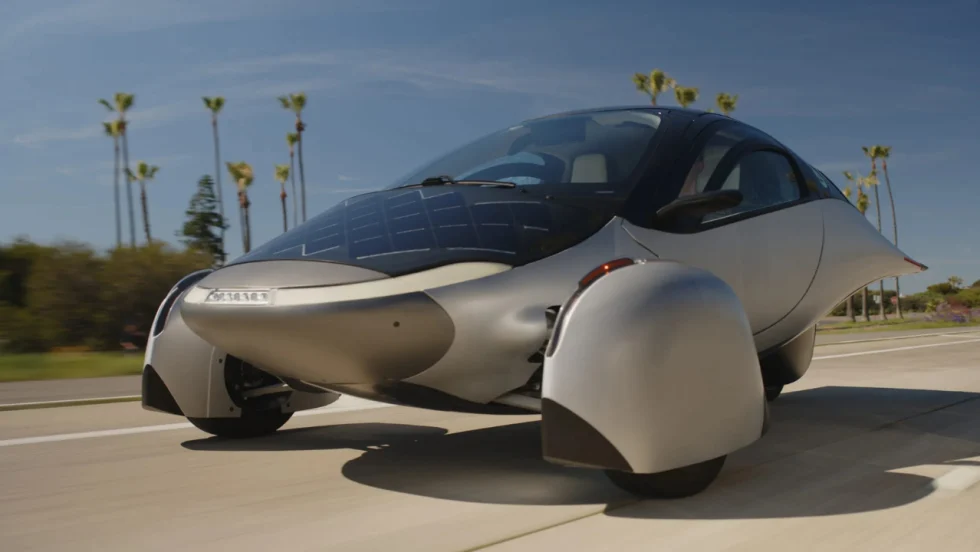
Aptera Orders Bodies and Chassis for Its First 40 Production Vehicles
Aptera Motors Corp. has issued purchase orders for the major structural components of its first 40 vehicles, and body and chassis components are expected to begin arriving in October.
Read More →