



Learn More: Electrify Commercial Helps Arizona Public Service Provide Charging Stations
Electrify America Announces $200M for California ZEV Infrastructure
The company plans to invest $25 million in the Long Beach-Wilmington area "Green City" initiative.
May 7, 2021
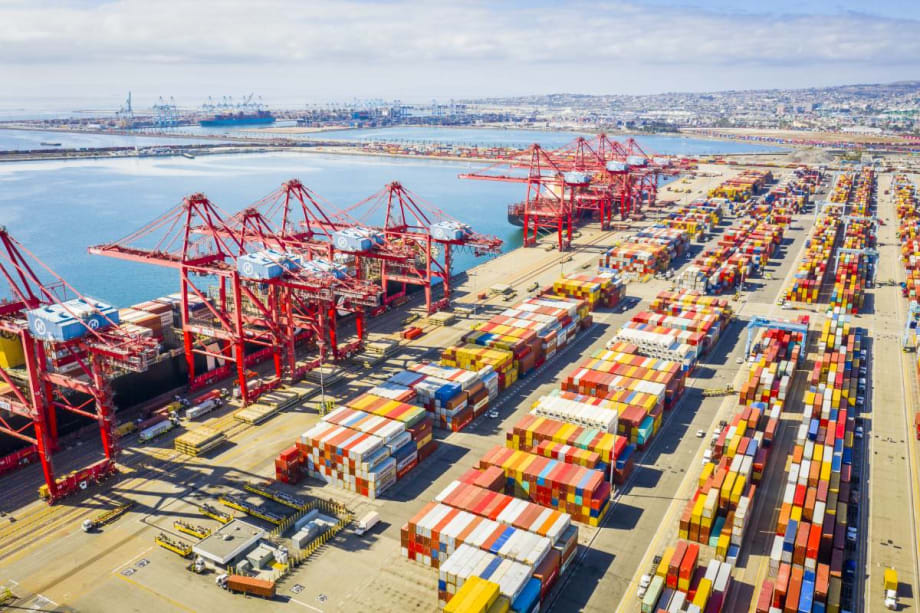
The company plans to invest $25 million in the Long Beach-Wilmington area "Green City" initiative.
Photo: Electrify America
6 min to read
Electrify America announced May 4 its plan to invest $200 million in California Zero Emission Vehicle (ZEV) infrastructure and education programs over the next 30 months. This represents the third of four investment phases as part of its 10-year commitment of $800 million in the state.
Additionally, the company will direct $25 million of the $200 million investment for an initiative in the City of Long Beach and the Wilmington neighborhood of Los Angeles (Long Beach-Wilmington), for a "Green City" program. This initiative will have a specific focus on charging station investments for electric transit buses and medium/heavy-duty trucks located in or serving the community.
Following the success and key learnings of building EV infrastructure from its previous $400 million investment in California over the last five years, Electrify America will focus the $200 million across three main categories: infrastructure; public education, awareness, access, and marketing; and Green Cities. Additionally, Electrify America will strive to ensure 35% of the investment is in low-income and disadvantaged communities, as guided by California Air Resources Board (CARB).
The California ZEV Investment Plan provides ultra-fast charging in more metro areas, as well as strengthens highway and regional charge routes while providing charging infrastructure and solutions for medium- and heavy-duty fleets. Approximately 90% of Californians now live within 15 miles of an Electrify America ultra-fast charger, with 96% living within 25 miles.
In addition to infrastructure, the investment will continue broad brand-neutral ZEV education and awareness efforts, and development of the second Green City program in the Long Beach-Wilmington community. Electrify America would begin implementation upon approval by CARB, and continue these investments through June 30, 2024.
Green City Investment - $25 Million in Long Beach-Wilmington
One key part of the California plan is the $25 million investment in a Green City program in the Long Beach-Wilmington community, home to the nation's busiest port complex and served by a fleet of more than 18,000 drayage trucks.
Building on Electrify America's first successful Green City program in Sacramento, the company will work with Long Beach and Los Angeles city officials and fleet operators to implement projects focused on charging transit and heavy-duty electric vehicles, showcasing ultra-fast charging technology, energy storage and renewables, and energy management for these two emerging use cases. Efforts will focus on tackling medium- and heavy-duty emissions in a predominantly disadvantaged and low-income community, which is classified as an extreme non-attainment area under the Clean Air Act (64% of Long Beach/Wilmington community is classified as low-income and disadvantaged by the California Air Resources Board.)
Electrify America conducted a detailed and quantitative evaluation to determine where to focus Green City investments that would meet the greatest needs and most positively impact the host community. Insights from this analysis revealed that CARB's zero emission truck mandate, approved in June 2020, and CARB's Innovative Clean Transit Regulation, adopted in 2018, have spurred a new effort by fleet operators to electrify fleets.
Electrify America will work within the greater Los Angeles region to identify additional opportunities to enhance charging infrastructure and technology, specifically for business fleets and larger scale operational efforts, a key growth area for the industry and a major contributor to emissions. Additionally, Electrify America will focus resources on regional shipping as an opportunity to help encourage the electrification of equipment and vehicles to reduce emissions. The Ports of Los Angeles and Long Beach are breaking cargo records for the last seven months, with shipping volumes up 46% and 43% respectively, year-over-year.
Highlights of California's Third ZEV Investment Plan
The central focus of electric vehicle charging infrastructure investment will focus on building strategically-placed charging stations in many of Electrify America's existing metro areas, where electric vehicle (EV) drivers are expected to charge most often. DC Fast Charging stations will be placed in retail locations, but will also consider the needs of adjacent multi-unit dwellings, where Level 2 (L2) residential charging deployment is oftentimes challenging. In addition to existing metro investments, Electrify America will invest in five new metro areas:
New metro area investments:
Bakersfield
Oxnard-Thousand Oaks-Ventura
Santa Maria-Santa Barbara
Stockton
Visalia
Expansion of existing metro area investments:
Fresno
Los Angeles-Long Beach-Anaheim
Riverside-San Bernardino-Ontario
San Diego-Carlsbad
San Francisco-Oakland-Hayward
San Jose-Sunnyvale-Santa Clara
Another major focus of metro-oriented charging station investment will be in supporting electrification transitions for shared mobility drivers – car share, taxis, and transportation networking company (TNC) drivers, where many times charging solutions are not readily available. Electrify America will also invest approximately $2 million in incentives to lower the cost for these drivers and to incentivize access, purchase, and deployment of electric taxis and TNC vehicles.
This new focus for the company, and the state, has the opportunity to significantly reduce emissions and support drivers. Emissions savings from electrifying a TNC vehicle are nearly three-times as high as electrifying an average vehicle in California, and TNC and taxi drivers are often in low-income brackets, so transitioning to an EV can unlock lower cost for some shared mobility drivers, resulting in more take-home pay. Electrifying TNCs also provides an education opportunity for passengers, as they get to experience riding in a ZEV and frequently end up hearing about the benefits of driving a ZEV from the driver.
Additional Investment Plan focus areas include:
Highways & Regional Routes: The new investment will expand highway network DC Fast Charging stations, featuring charging power up to 350 kilowatts for capable vehicles, adding density along major routes and investing in regionally significant routes to new destinations including Joshua Tree National Park.
Transit and Medium-Duty/Heavy-Duty Fleet Charging: Both the transit and medium/heavy-duty sectors are poised for significant growth over the coming decade. Electrify America is investing in infrastructure to support these emerging, but transformational, technologies.
Hardware Development and Capacity Building: Electrify America plans to invest in new tools and techniques, such as site-level energy management and energy modeling, to drive down both capital and operating costs, and ensure a fast, reliable, and customer-centric experience at all of our stations.
Rural Investments: As part of the plan, the company will build off its more than $81 million investment to date in rural parts of the state, including the Central Valley, where Electrify America has built more stations to date than any other charging provider.
Renewable Generation: Consistent with California's broader air quality goals, Electrify America will invest in renewable generation for select stations as site-level energy management tools to help to reduce station operating costs and reduce the carbon consumption for EV recharging.
Brand Neutral Education and Awareness: Electrify America plans to drive increased ZEV education and awareness through educational marketing, ride and drives and other experiential marketing, bringing messaging directly to consumers through social media and other marketing channels.
Sponsoring and Supporting ZEV Education and Training Efforts of Others: Electrify America will continue investing to collaborate with local organizations working specifically within California's low-income and disadvantaged communities to increase ZEV adoption, building on the more than $6 million of support for local organizations to date. Electrify America will also continue to sponsor the effective brand-neutral education, awareness, and workforce training efforts of other organizations, continuing our past support for the great work of organizations such as Veloz, EV Noire, Plug In America and the LA Cleantech Incubator.
This California ZEV Investment Plan benefited from collaboration with the California Air Resources Board and Staff and a comprehensive national outreach period, during which Electrify America evaluated more than 14 California communities and more than 160 submissions offering input on potential ZEV initiatives. The company held virtual community meetings across California focused on local government and community-based organizations, and engaged with California's leading academics to ensure an effective, equitable, and efficient plan to significantly increase broad electric vehicle adoption in the state.
Originally posted on Work Truck Online
More Electric Vehicles

PowerFlex, The Mobility House Join Forces to Advance Fleet Electrification
Two EV charging providers are joining forces to deliver a broader portfolio of energy management and fleet electrification solutions.
Read More →
Ford Retools Louisville Plant for Fathom Electric Truck Production
Ford's $2 billion Louisville Assembly Plant overhaul introduces a three-part assembly process for the Fathom midsize electric truck, with production scheduled to begin in 2027.
Read More →
Merchants Fleet Reports 290M EV Miles as Fleets Navigate Changing Electrification Market
From millions in operating savings to hundreds of millions of EV miles, Merchants Fleet’s latest report reveals what’s working and what’s changing in fleet electrification.
Read More →
California District Commits to Electrify 25% of School Bus Fleet by 2028
One of the nation's largest school bus electrification projects to date demonstrates how grants, charging infrastructure, and public-private partnerships can help fleets transition to EVs at scale.
Read More →
Aptera Orders Bodies and Chassis for Its First 40 Production Vehicles
Aptera Motors Corp. has issued purchase orders for the major structural components of its first 40 vehicles, and body and chassis components are expected to begin arriving in October.
Read More →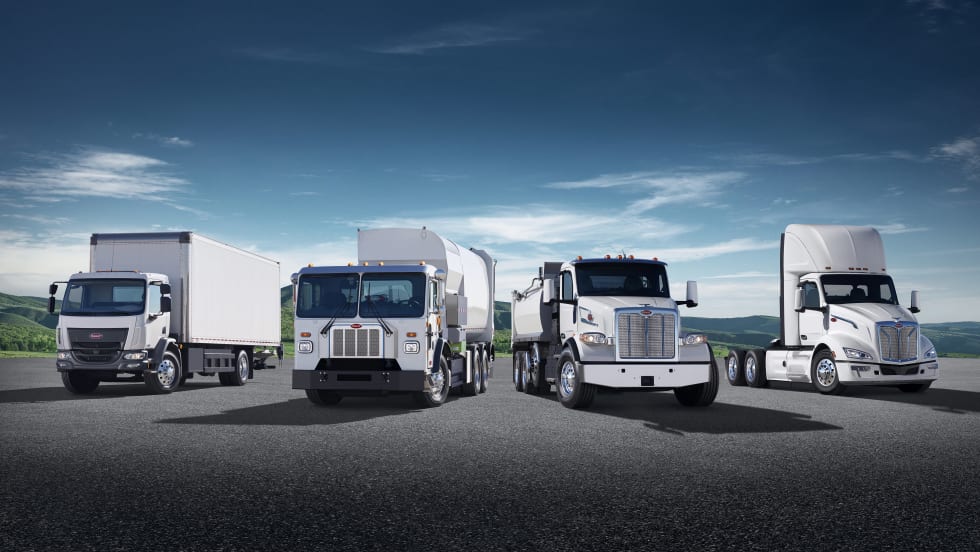
Peterbilt Expands Sourcewell Purchasing Agreement to Include Electric Trucks
The cooperative purchasing contract, now extended through July 2028, adds Peterbilt's battery-electric lineup for eligible government, education, nonprofit and tribal organizations.
Read More →
PITT OHIO Donates DC Fast Chargers to Community College of Allegheny County
The logistics company donated two 75-kW DC fast chargers to CCAC to support electric vehicle education and workforce training programs.
Read More →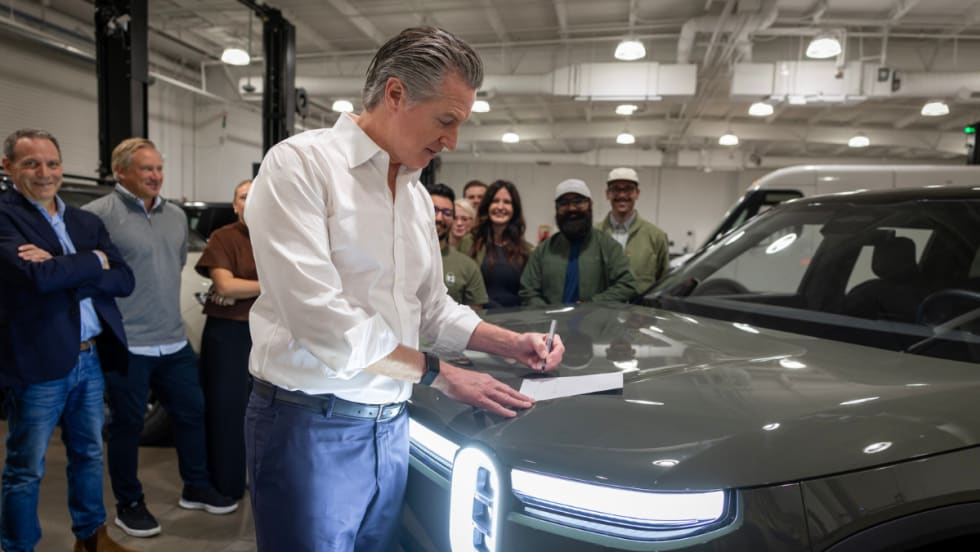
California Governor Approves Instant ZEV Rebates For First-Time Buyers
That instant rebate is the centerpiece of a broader $600 million package Governor Newsom signed into law, keeping California active in the global clean transportation race.
Read More →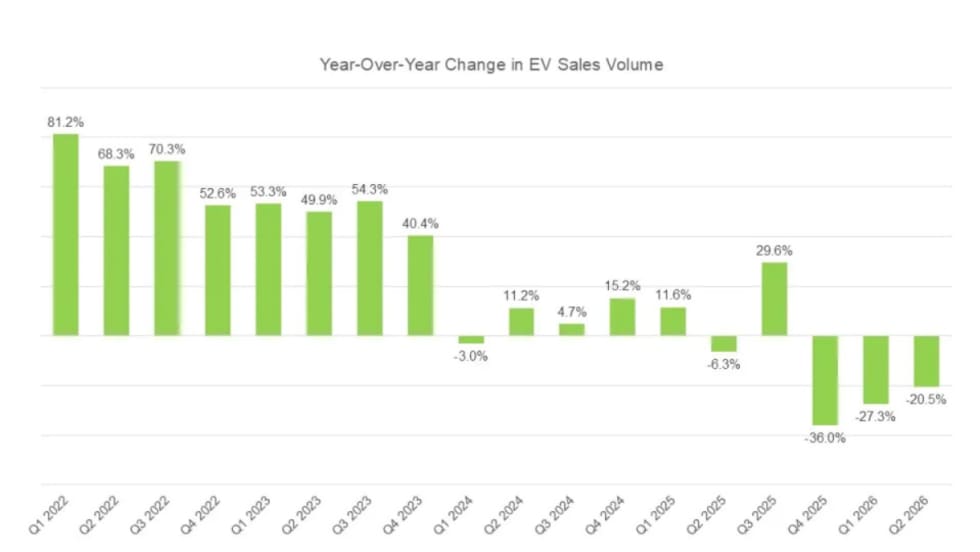
New Vehicle Models Stabilize Electrified Market In Q2
But more credit goes to hybrids than to all-electric vehicles, as more buyers look for fuel-efficient alternatives amid high gas prices.
Read More →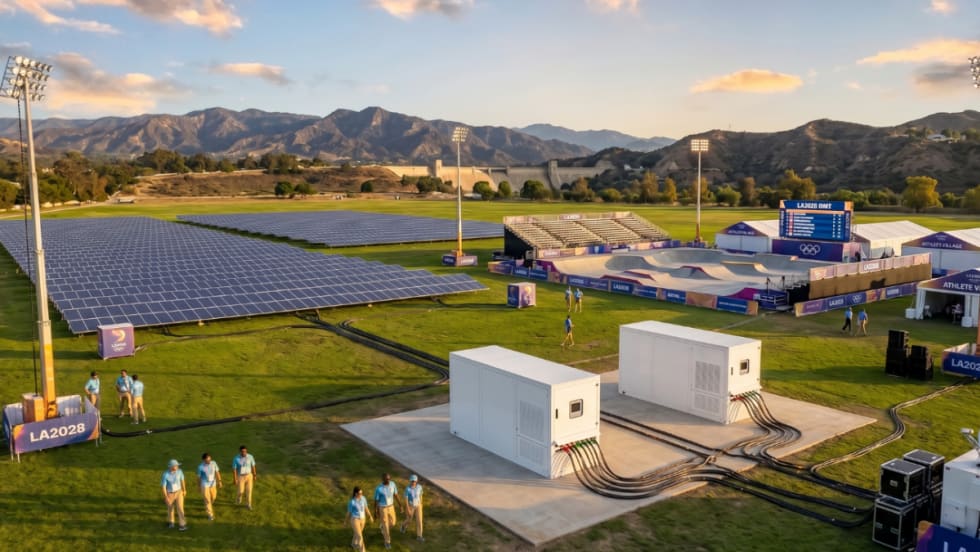
Xos White Paper Asserts LA Olympics Will Lack Enough EV Chargers
The commercial EV fleet company recommends some faster and more flexible remedies to relieve the anticipated shortfall.
Read More →