



Related: Chicago's Pace Awarded $1 Million for Electric Paratransit Vehicles
Electric Double-Deckers Access Advanced Charging Network
London’s iconic double-decker buses are going electric, tapping into one of Europe’s largest advanced charging networks to deliver quieter, cleaner rides for locals and visitors while keeping the city moving.
July 1, 2025
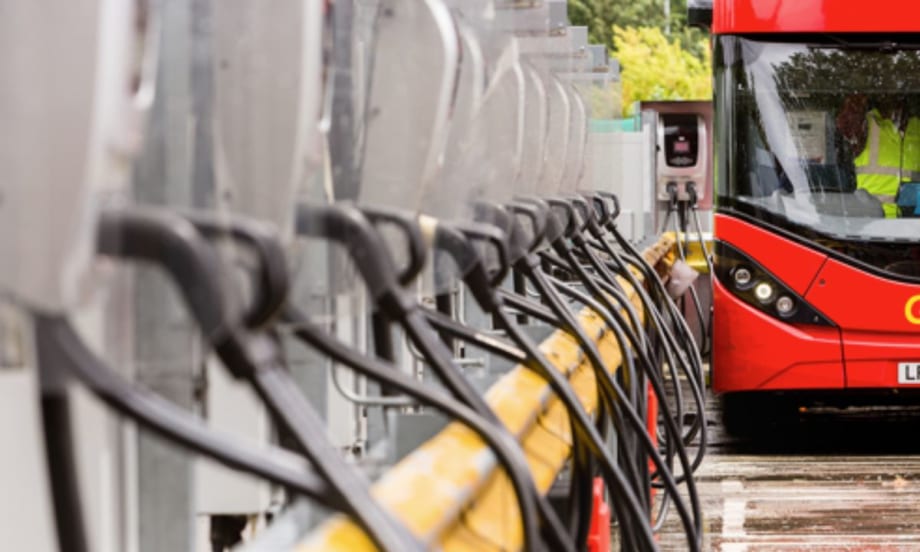
Go-Ahead Group’s electric double-decker buses, powered by BetterFleet’s advanced charging platform, charge overnight in London, ready to carry passengers through the city’s historic streets with lower emissions and less noise.
Photo: Go-Ahead Group
2 min to read
London’s world-famous red double-decker buses are getting a quiet, green boost thanks to one of Europe’s largest and most advanced electric vehicle charging networks, ensuring travelers and locals alike can explore the city with lower emissions and smoother rides.
Go-Ahead Group, a zero-emission transportation company, is rolling out BetterFleet’s advanced EV fleet charge management platform across its national fleet, which includes more than 1,000 electric buses and chargers in operation across 20 UK depots. By the end of 2025, this will expand to over 1,500 units across 30 depots, making it one of the largest deployments of advanced charge management software for electric buses anywhere in the world.
For visitors and residents hopping on these iconic buses, the benefits are immediate: quieter journeys, cleaner air, and reliable service that gets them to London’s landmarks without unnecessary delays. For travelers wanting to reduce their carbon footprints, these all-electric double-deckers are another reason to choose a scenic elevated bus ride through the capital’s vibrant streets.
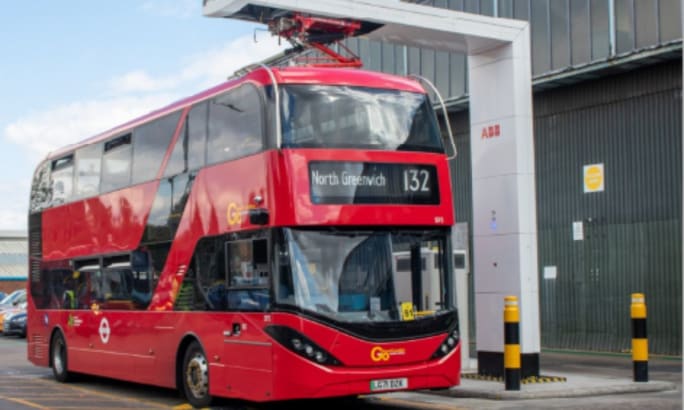
Topping up on clean energy with BetterFleet’s smart charging, Go-Ahead Group’s electric double-decker buses gear up to carry travelers through London while reducing emissions and noise on busy city routes.
Photo: Go-Ahead Group
Behind the scenes, BetterFleet’s platform helps depot operators manage vehicle readiness by providing real-time operational insights, automating charging schedules and using intelligent load deferral to prevent costly infrastructure upgrades. The platform also brings intelligent incident management to streamline maintenance while extending the lifespan of existing chargers, reducing downtime and ensuring buses are ready to meet daily service needs.
Matt Carney, CEO of Go-Ahead Bus, said in a June 30 news release: “By using BetterFleet, we have live data to track and manage our zero-emission fleet’s charging status and energy use, helping us reduce our impact on the grid while keeping London moving.”
Daniel Hilson, CEO of BetterFleet, added, “Our real-time monitoring, automated scheduling, and AI-driven predictive analytics help ensure electric buses are ready to meet service, reducing costs while supporting sustainable travel.”
More Charging
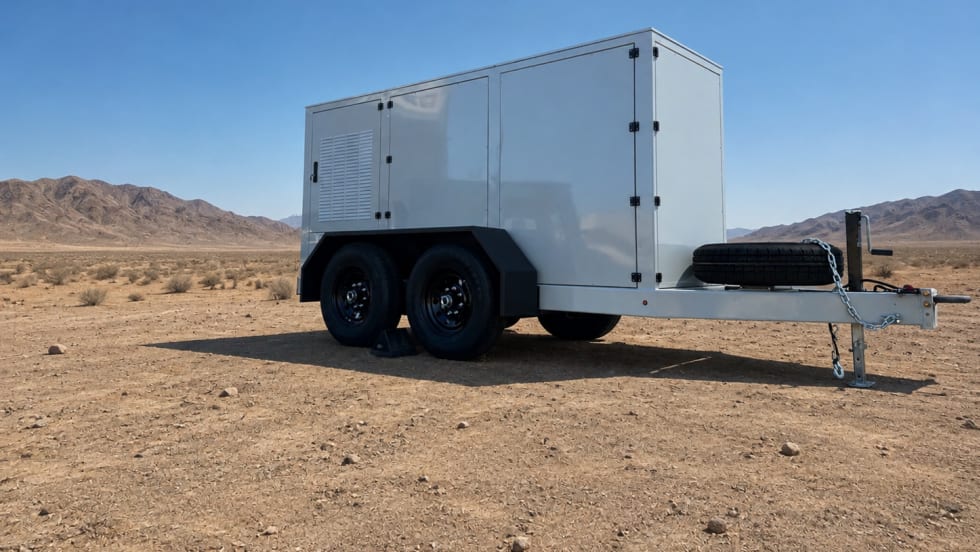
Xos Mobile Charging Hub Surpasses 1 GWh of Energy Delivered
As fleets electrify, charging capacity does not always arrive on the same timeline as the vehicles. Operating data from one Xos Hub shows how mobile, grid-independent charging can support vehicles when permanent infrastructure or utility upgrades aren't available.
Read More →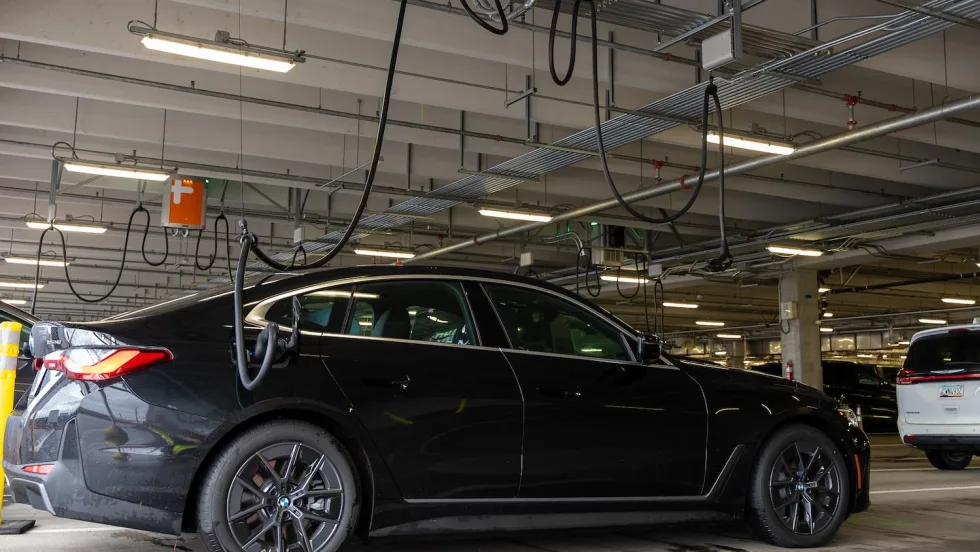
ChargePoint Adds Overhead EV Fast Charging at Portland International Airport
The installation can charge up to 20 rental vehicles simultaneously and uses overhead equipment to preserve ground-level space at the airport's Quick Turnaround Facility.
Read More →
Octopus Energy Launches Public EV Charging App in U.S.
Octopus Charge allows EV drivers to locate and access public charging stations through a single app, building on the company's Electroverse platform in Europe.
Read More →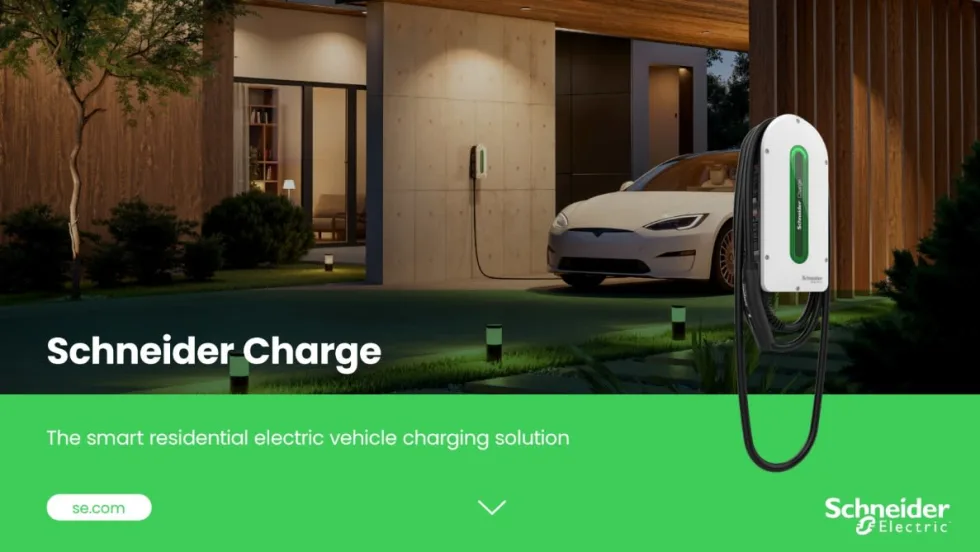
Schneider Electric Launches Level 2 Home EV Charger With Integrated Load Management
Schneider Charge uses integrated SmartAmp technology to adjust charging output based on household electrical demand and is available with NACS or J1772 connectors.
Read More →
Why EV Charging Reliability Is More Complicated Than It Looks
GridLink CEO Josh Silets explains what causes EV chargers to fail, why fleet operators often struggle to identify the source, and what questions they should ask charging vendors.
Read More →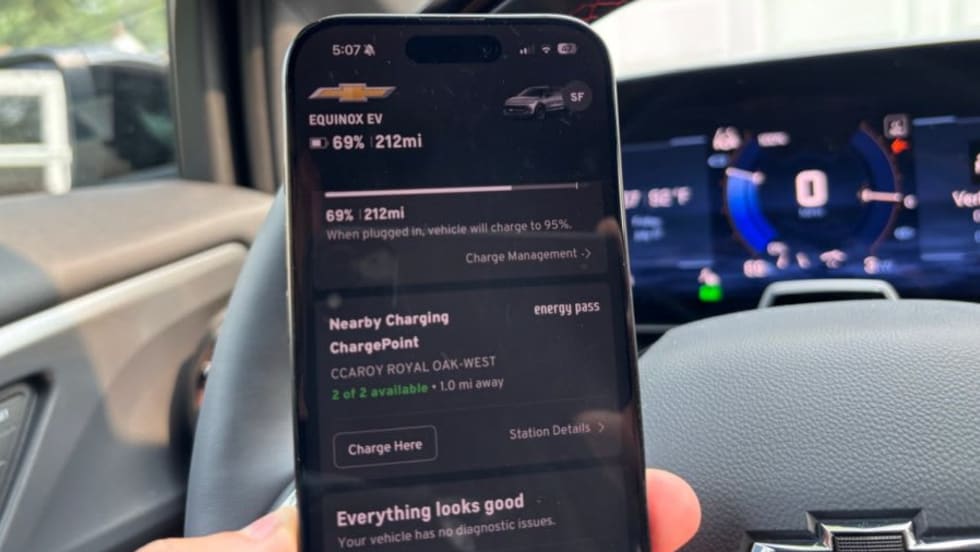
GM Adds ChargePoint Network to Energy Pass Platform
The integration gives GM EV drivers access to additional DC fast chargers and Level 2 stations through a single app while expanding the automaker's public charging ecosystem.
Read More →
Xos White Paper Asserts LA Olympics Will Lack Enough EV Chargers
The commercial EV fleet company recommends some faster and more flexible remedies to relieve the anticipated shortfall.
Read More →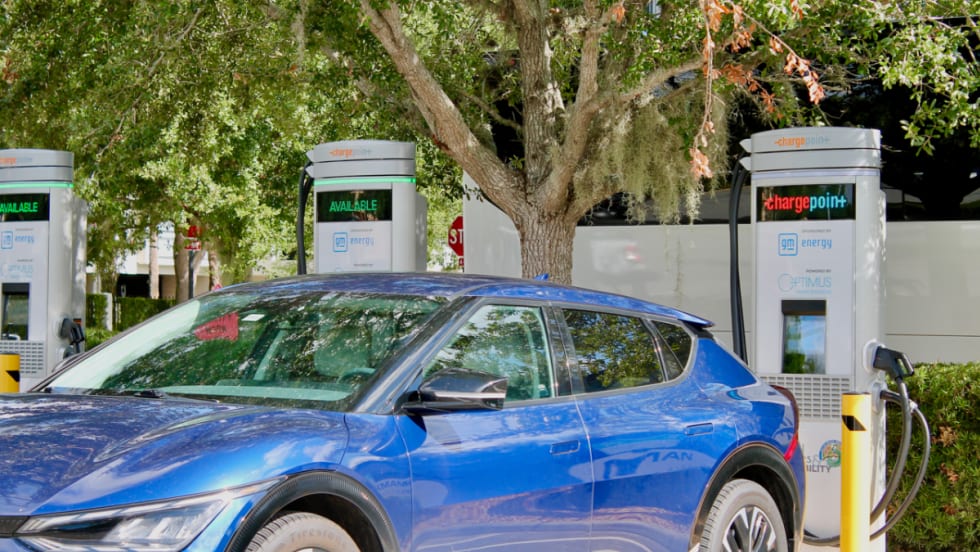
ChargePoint, Optimus Expand Fast-Charging Network Across Southeastern U.S.
ChargePoint will serve as the exclusive solutions provider, delivering hardware, software, and services to support Optimus’ growing charging network.
Read More →
Running A Profitable Electric Rental Fleet
How do you successfully operate an all-electric rental car fleet? Whether you manage a rental fleet or another commercial fleet, this conversation offers practical lessons on deploying, operating, and scaling electric vehicles.
Read More →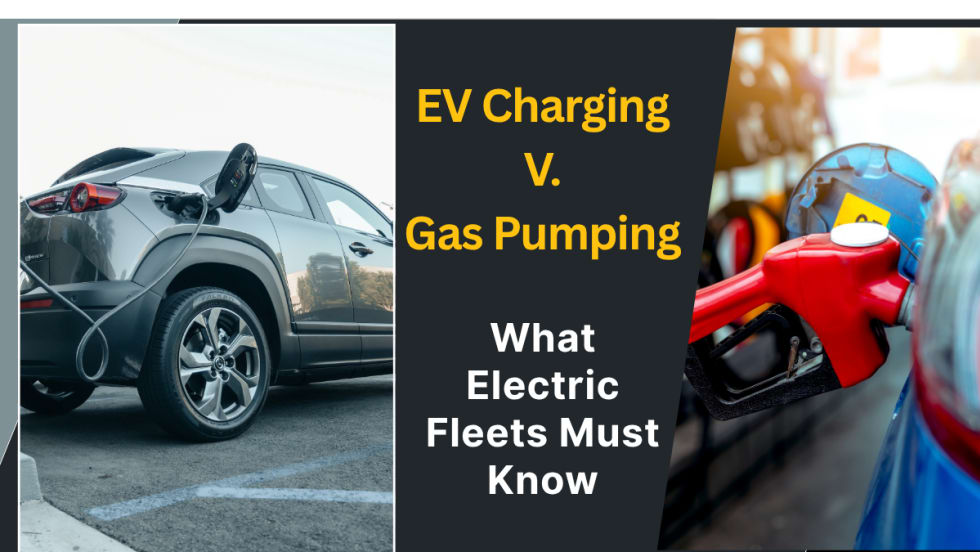
Why Charging May Never Be As Easy As Filling Up Gas
A seamless charge depends on a string of independent companies getting it right together, every time. How can electric fleets navigate the challenges to create a successful charging plan?
Read More →