



Related News: Chevrolet Silverado EV A Solid Power Work Truck
Chevrolet Bolt Returns to EV Market
The OEM revives the electric model for 2027 with fresh styling, improved charging speeds, and new tech aimed at making EV ownership more affordable and convenient.
October 10, 2025
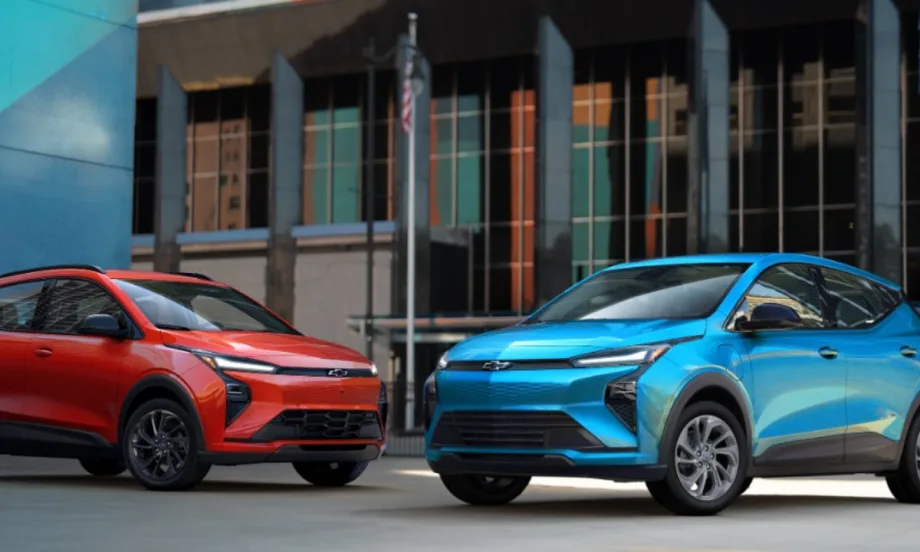
Chevy’s 2027 Bolt lineup includes a range of configurations and finishes, reaffirming the brand’s commitment to accessible, stylish EV options.
Photo: Chevrolet
3 min to read
General Motors announced the return of the Chevrolet Bolt for the 2027 model year on Oct.9, reintroducing one of the industry’s most affordable and popular electric vehicles.
The 2027 Bolt LT will start at $29,990 (including $1,395 destination freight charge). A lower-priced LT trim will follow later in the model year with a starting MSRP of $28,995.
Chevrolet says the new Bolt will offer the most driving range of any EV priced under $30,000. The vehicle will launch as a limited-run model early next year and join the Chevrolet Equinox EV in expanding the brand’s accessible EV lineup. Together, the Bolt and Equinox EV are expected to represent most of Chevrolet’s EV sales in 2026.
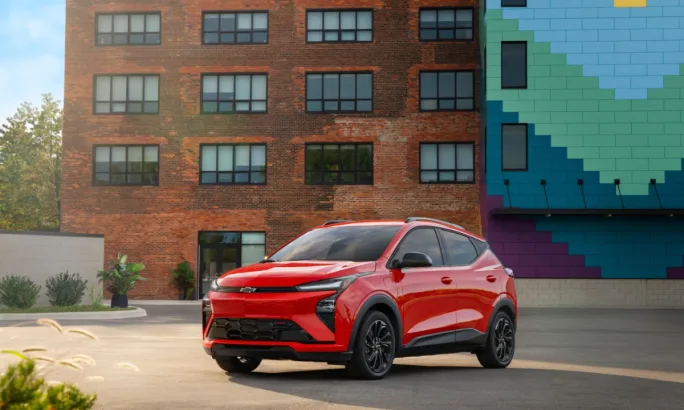
The 2027 Chevrolet Bolt returns with bold styling, available in new colors like Habanero Orange and an RS trim with sport-inspired details.
Photo: Chevrolet
“The Chevrolet Bolt was the industry’s first affordable, long-range EV and built one of GM’s most loyal customer bases,” said Scott Bell, vice president of Global Chevrolet, in a news release. “After hearing from our customers, the Bolt is back — better than ever and for a limited time.”
Key Features and Specifications
• GM estimated range: 255 miles
• Charging speed: Up to 150 kW DC fast charging (10% – 80% in 26 minutes)
• First Chevrolet with native NACS charging port
• New RS trim with unique styling and color combinations
• Infotainment: 11.3-inch center display with Google built-in apps and 11-inch driver display
• Driver assistance: Available Super Cruise hands-free driving technology
• Safety: 20+ standard features, including intersection collision mitigation, rear automatic braking, and rear cross traffic alert with braking
• Interior: Open console design, new dash storage, and wireless phone charging
• Connectivity: Multiple USB-C ports
• Vehicle-to-Home (V2H) bi-directional capability
Built for Efficiency
While the 2027 Bolt retains its recognizable hatchback profile, it adopts GM’s latest X76 electric drive unit, engineered for improved efficiency and reduced energy loss.
The permanent-magnet motor minimizes rare-earth material use, while segmented magnets and a silicon carbide inverter improve heat management and energy flow. The drive unit, used across GM’s EV portfolio, allows cost efficiencies to be passed on to customers.
A blended regenerative braking system enhances energy recovery and provides smoother transitions between regenerative and friction braking. Drivers can also use one-pedal driving for maximum energy capture.
Tech-Focused Cabin
The 2027 Bolt integrates Google built-in functionality, enabling navigation, media, and apps such as HBO Max, Prime Video, and GameSnacks through the infotainment system.
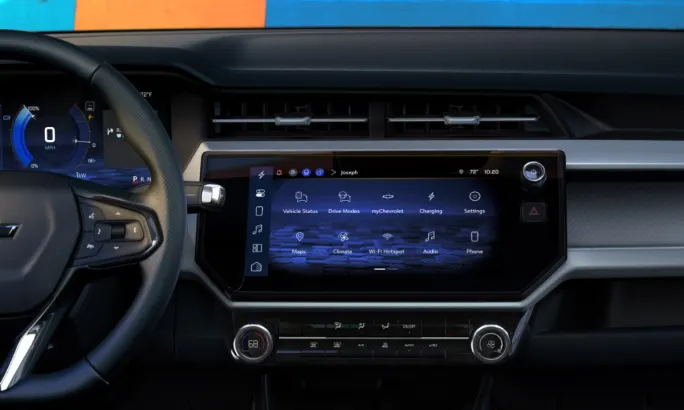
A new 11.3-inch infotainment touchscreen and 11-inch digital cluster bring upgraded connectivity and Google built-in features for drivers.
Photo: Chevrolet
Google Maps includes range-based routing and real-time charging station information, while integration with Super Cruise displays available hands-free driving routes.
Voice assistance via “Hey Google” allows drivers to control key functions hands-free, including climate and phone calls.
Charging and Power Capabilities
The Bolt’s new native NACS port expands compatibility with a wider range of public chargers. With its 150 kW peak DC fast-charging capability, the 2027 model charges more than twice as fast as its predecessor.
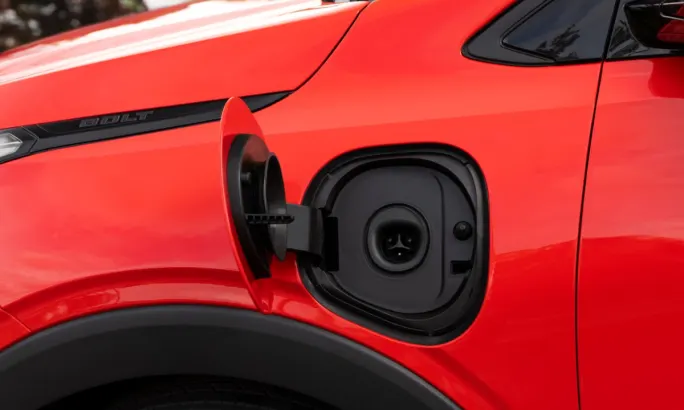
The 2027 Bolt becomes Chevrolet’s first vehicle with a native NACS charging port, supporting faster DC charging and greater compatibility across networks.
Photo: Chevrolet
GM estimates the Bolt’s 255-mile range will meet the daily needs of most U.S. drivers. The EV also supports Vehicle-to-Home functionality when paired with a GM Energy Home System, allowing it to power a home during outages.
Interior and Design Updates
Chevrolet redesigned the Bolt’s cabin around driver convenience, adding an 11.3-inch infotainment screen, an 11-inch digital cluster, and an available panoramic sunroof.
New open storage spaces, a column-mounted shifter, and available heated and ventilated seats contribute to a roomier interior layout.
The RS trim introduces a sportier appearance with gloss-black wheels, red accent stitching, and an exclusive Atomic Yellow exterior color option.
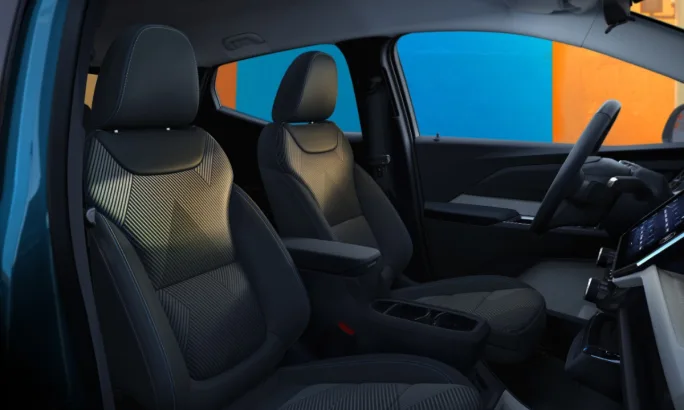
The redesigned cabin offers more space, refined materials, and an open layout designed for comfort and practicality on every drive.
Photo: Chevrolet
The 2027 Chevrolet Bolt continues GM’s push toward affordable electrification, complementing the Equinox EV and strengthening Chevrolet’s position in the mainstream EV market.
Production begins in early 2026, with limited deliveries expected shortly after launch.
More Electric Vehicles

EV Charging Use Is Outpacing Infrastructure Growth
ChargePoint’s 2026 Charging Forward Report points to rising charger use, higher-powered charging, commercial vehicle electrification, and energy-management technology. Here’s what fleets should know.
Read More →
EV Realty Names Henrik Holland President as Charging Platform Expands
The former Prologis Mobility and Shell executive will help expand EV Realty’s truck charging business and move its power-first infrastructure model into autonomous vehicle depots and other fleet sectors.
Read More →
GreenPower Expands New Mexico EV Pilot With Larger Buses, V2G Testing
After logging more than 17,000 electric miles in the first year, New Mexico’s statewide pilot is moving into its second phase with larger vehicles, continued charging evaluations, and more.
Read More →
Can EV-as-a-Service Help Fleets Scale Electrification?
Sustainability Partners CEO Adam Cain explains how matching EVs, charging infrastructure, and duty cycles can help fleets scale electrification.
Read More →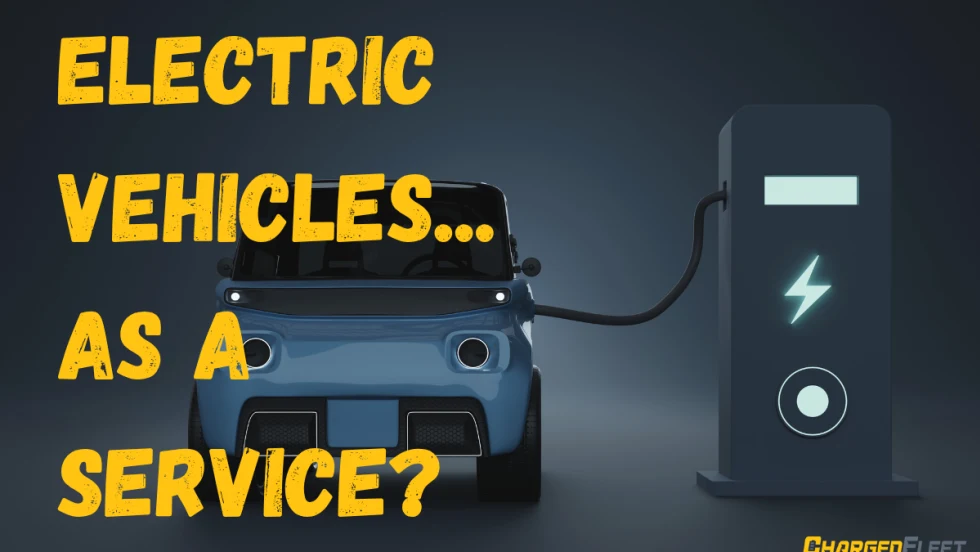
How EV-as-a-Service Is Moving Fleets Beyond Pilots
Adam Cain, president and CEO of Sustainability Partners, explains how EV-as-a-service can help fleets scale deployments by addressing duty-cycle requirements and charging challenges.
Read More →
PowerFlex, The Mobility House Join Forces to Advance Fleet Electrification
Two EV charging providers are joining forces to deliver a broader portfolio of energy management and fleet electrification solutions.
Read More →
Ford Retools Louisville Plant for Fathom Electric Truck Production
Ford's $2 billion Louisville Assembly Plant overhaul introduces a three-part assembly process for the Fathom midsize electric truck, with production scheduled to begin in 2027.
Read More →
Merchants Fleet Reports 290M EV Miles as Fleets Navigate Changing Electrification Market
From millions in operating savings to hundreds of millions of EV miles, Merchants Fleet’s latest report reveals what’s working and what’s changing in fleet electrification.
Read More →
California District Commits to Electrify 25% of School Bus Fleet by 2028
One of the nation's largest school bus electrification projects to date demonstrates how grants, charging infrastructure, and public-private partnerships can help fleets transition to EVs at scale.
Read More →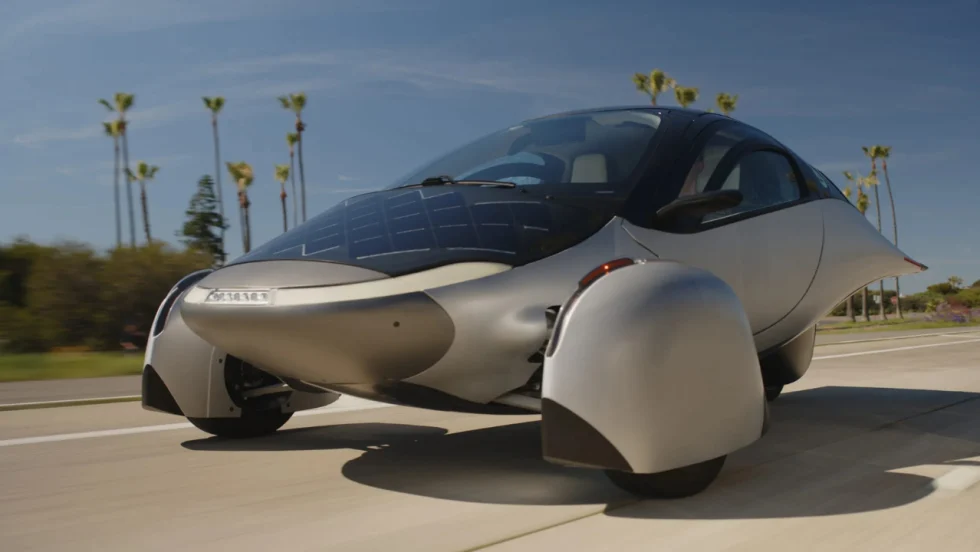
Aptera Orders Bodies and Chassis for Its First 40 Production Vehicles
Aptera Motors Corp. has issued purchase orders for the major structural components of its first 40 vehicles, and body and chassis components are expected to begin arriving in October.
Read More →