


CARB Votes to Transition Ride-Hailing Fleets to Zero-Emissions by 2030
California Air Resources Board’s new standard mandates that 90% of ride-hailing miles traveled in California take place in zero-emission vehicles by 2030. Uber and Lyft want government help for the transition.

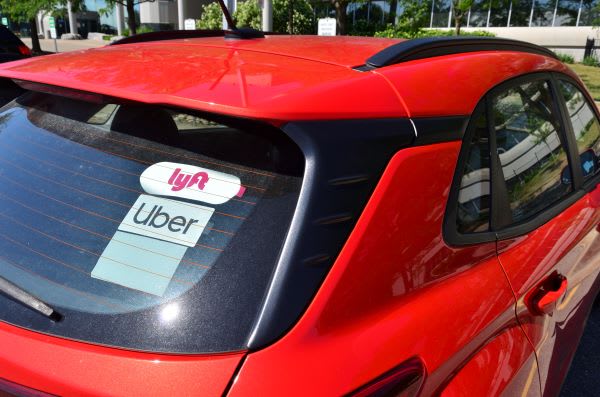
Last year, Uber pledged to invest $800 million through 2025 to help their drivers make the switch, though the actual cost is estimated to be more than double that.
Photo via Wikimedia/Raysonho.
The California Air Resources Board (CARB) voted on May 20 to approve the nation’s first standard to transition ride-hailing fleets to zero-emission vehicles by 2030. The Clean Miles Standard dictates that by 2030 ride-hailing companies such as Uber and Lyft should produce zero greenhouse gas emissions and ensure that 90% of their vehicle miles are fully electric.
Uber and Lyft had already announced last summer that they would transition entirely to electric vehicles in North America and Europe by 2030. In written comments to CARB before Thursday's vote, the ride-hailing giants said they supported the regulation's goals. However, they called for government subsidies to help fund their drivers’ transition to EVs and charging infrastructure, citing the financial burden on their lower and middle-income drivers.
CARB board member Nathan Fletcher expressed concern that the rule doesn’t ensure that ride-hailing companies bear the costs to address the greenhouse gases they’re creating.
The Union of Concerned Scientists (UCS) agrees. “Ride-hailing companies have not delivered on their promise of a future with fewer cars and lower pollution. Instead, ride-hailing services in urban areas have increased pollution and congestion and reduced climate-friendly, public-transit ridership,” said Elizabeth Irvin, a senior transportation analyst at UCS, in a statement.
UCS points to numerous studies showing that the growth of Uber and Lyft has siphoned riders away from public transit and other climate-friendly forms of transportation and increased air pollution in U.S. cities. Surveys of California riders, for example, indicate that 24% of non-pooled rides and 36% of pooled trips would have been taken via mass transit, walking or biking, or not taken at all.
And, according to a 2020 UCS analysis, ride-hailing trips are 69% more polluting than the trips they replace, and a non-pooled Uber or Lyft ride is 47% more polluting than a private car trip.
Irvin cited California’s ballot measure last year that considered whether ride-hailing drivers are considered employees as opposed to contractors — which Uber and Lyft spent over $100 million to defeat.
“That’s why it is so essential that regulators at CARB and the California Public Utilities Commission requires the companies, not their drivers, shoulder the upfront cost of transitioning to electric vehicles and ensure that drivers enjoy the benefits of driving cars that are less expensive to operate and maintain,” she said.
Last year, Uber pledged to invest $800 million through 2025 to help their drivers make the switch, though the actual cost is estimated to be more than double that.
CARB is offering California drivers will provide drivers with various incentives such as the Clean Vehicle Rebate Project, though funding is now only available to select low-income groups. the Clean Fuels Reward offers a time-of-sale credit of up to $1,500.
Originally posted on Automotive Fleet
More Operations

The EV Breakdown Nobody's Talking About: Why Most Electric Vehicle Roadside Calls Aren't Mechanical Failures
Here's why EV breakdowns are widely misunderstood.
Read More →
Xos White Paper Asserts LA Olympics Will Lack Enough EV Chargers
The commercial EV fleet company recommends some faster and more flexible remedies to relieve the anticipated shortfall.
Read More →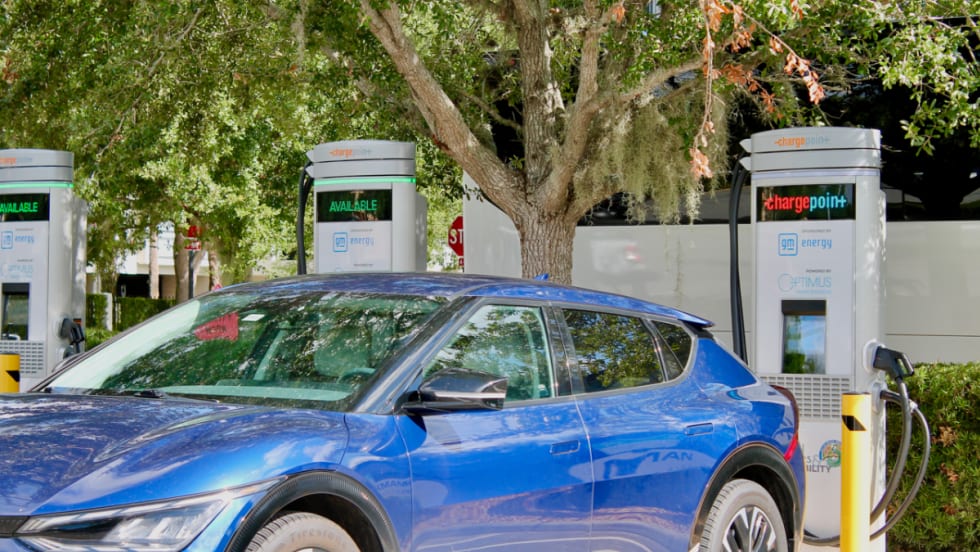
ChargePoint, Optimus Expand Fast-Charging Network Across Southeastern U.S.
ChargePoint will serve as the exclusive solutions provider, delivering hardware, software, and services to support Optimus’ growing charging network.
Read More →
Running A Profitable Electric Rental Fleet
How do you successfully operate an all-electric rental car fleet? Whether you manage a rental fleet or another commercial fleet, this conversation offers practical lessons on deploying, operating, and scaling electric vehicles.
Read More →
Registration Opens for 2026 Fleet Forward Conference
Held on the East Coast for the first time, the Washington, D.C.-area event features expert-led education, a new IIHS Crash Test Experience, and collocation with the NAFA’s Fleet Safety Symposium.
Read More →
Why Charging May Never Be As Easy As Filling Up Gas
A seamless charge depends on a string of independent companies getting it right together, every time. How can electric fleets navigate the challenges to create a successful charging plan?
Read More →
Slate Debuts Colorful, Unique EV Models
A recent media and client event, studded with electric vehicles dressed up on platforms, planted a new position for the manufacturer in the wider EV market. Fleets will find cost-saving advantages.
Read More →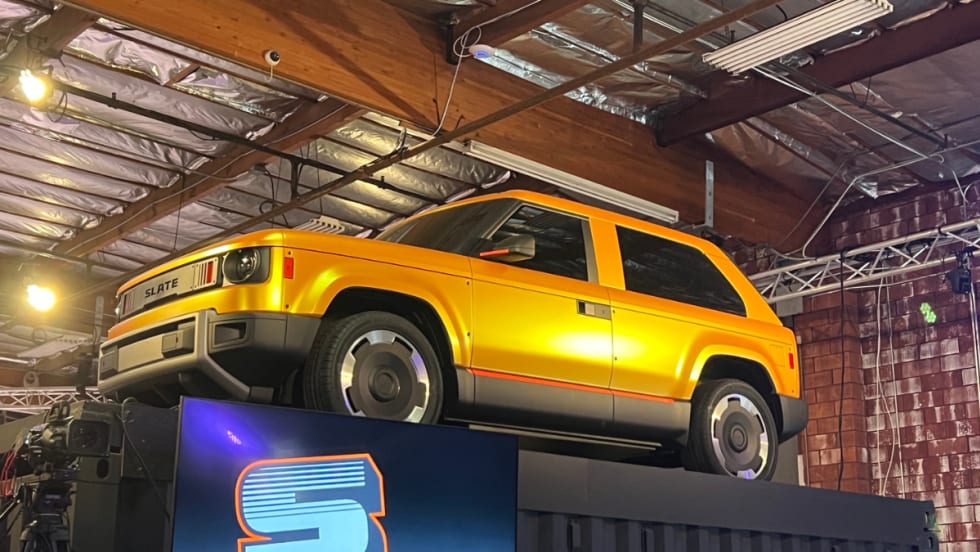
Slate Electric SUV, Pickup Switchable Model Aims For Light-Duty Fleets
Everything about this EV is counterintuitive and understated, making it stand out from the crowd.
Read More →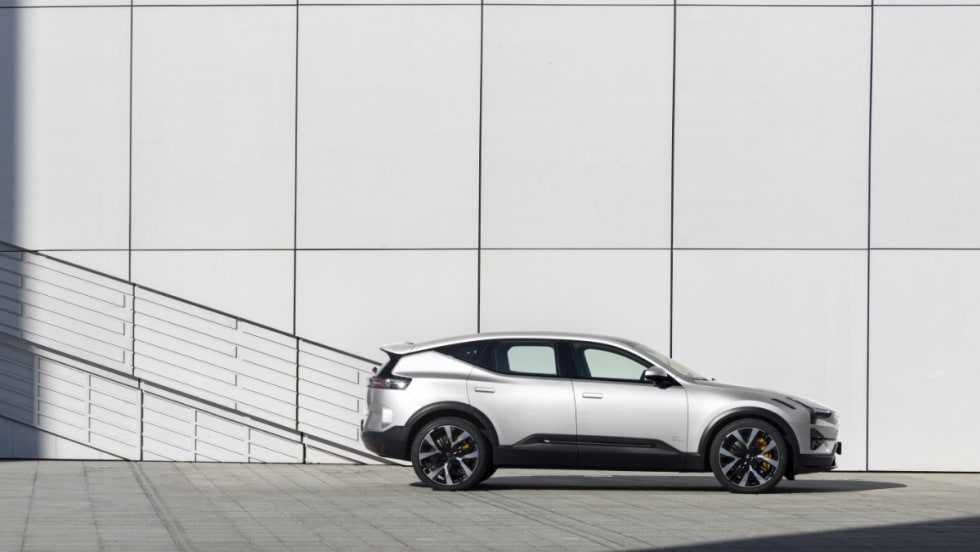
Polestar Barred from U.S. Market Under Connected Vehicle Rule
The automaker loses its authorization to sell new vehicles in the U.S., starting with the 2027 model year. Polestar owners will retain access to the brand's service network.
Read More →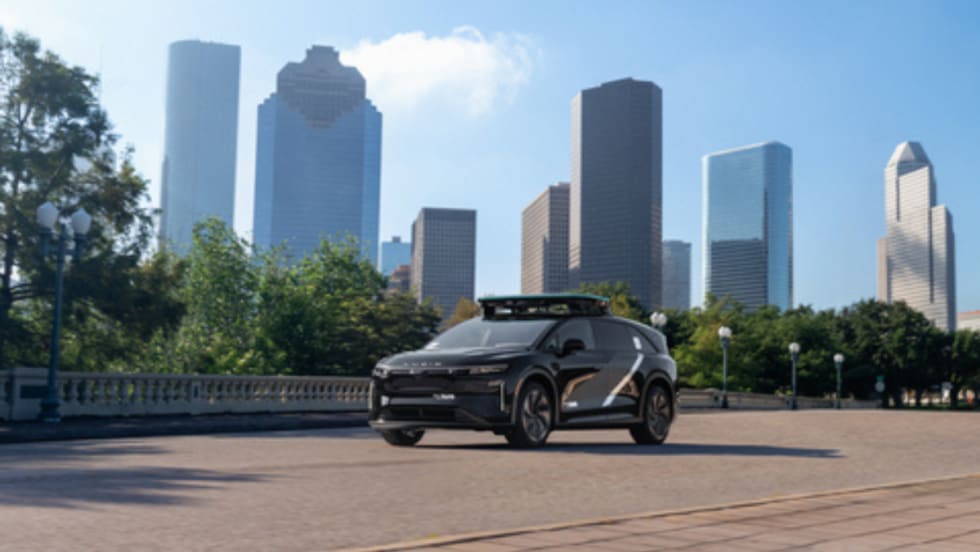
Uber, Nuro and Lucid Plan Houston Robotaxi Service in 2027
The tripartite venture brings out the combined advantages of electric vehicles, mobility, and autonomy into ground transportation.
Read More →