



Related: PG&E Adds Heavy-Lift Helicopters
Cal Fire: PG&E Equipment Caused Camp Fire
The California Department of Forestry and Fire Protection has concluded that the 2018 Camp Fire was caused by electrical transmission lines owned by Pacific Gas & Electric.
May 20, 2019

The Camp Fire, which spread across northern California in November 2018, is the deadliest and most destructive fire in the state's history.
Photo via Pixabay
1 min to read
An investigation from the California Department of Forestry and Fire Protection (Cal Fire) has concluded that the state’s deadliest and most destructive fire was caused by electrical transmission lines owned and operated by Pacific Gas and Electric Company (PG&E).
The Camp Fire began in November 2018 and burned a total of 153,336 acres, destroying 18,804 structures and resulting in 85 civilian fatalities and several firefighter injuries. According to a statement from Cal Fire, the tinder dry vegetation and Red Flag conditions of strong winds, low humidity, and warm temperatures promoted the fire and caused extreme rates of spread.
The investigation identified a second ignition site, also caused by PG&E electrical distribution lines.
In response, PG&E has stated that it is fully cooperating with all ongoing investigations concerning the Camp Fire, and is actively working to create a safer environment for its customers with its Community Wildfire Safety Program. The program includes plans for:
Real-time monitoring and intelligence
Enhanced vegetation management practices
Re-inspections of critical electric infrastructure in high fire-threat areas
Building a more resilient electric system
Proactively shutting down power based on extreme conditions.
Originally posted on Work Truck Online
More Electric Vehicles
EV Charging Use Is Outpacing Infrastructure Growth
ChargePoint’s 2026 Charging Forward Report points to rising charger use, higher-powered charging, commercial vehicle electrification, and energy-management technology. Here’s what fleets should know.
Read More →
EV Realty Names Henrik Holland President as Charging Platform Expands
The former Prologis Mobility and Shell executive will help expand EV Realty’s truck charging business and move its power-first infrastructure model into autonomous vehicle depots and other fleet sectors.
Read More →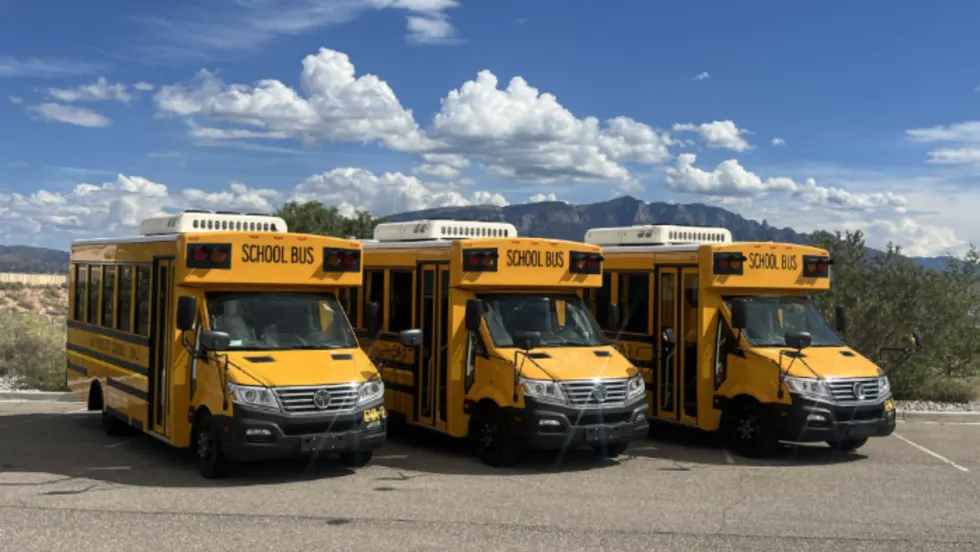
GreenPower Expands New Mexico EV Pilot With Larger Buses, V2G Testing
After logging more than 17,000 electric miles in the first year, New Mexico’s statewide pilot is moving into its second phase with larger vehicles, continued charging evaluations, and more.
Read More →
Can EV-as-a-Service Help Fleets Scale Electrification?
Sustainability Partners CEO Adam Cain explains how matching EVs, charging infrastructure, and duty cycles can help fleets scale electrification.
Read More →
How EV-as-a-Service Is Moving Fleets Beyond Pilots
Adam Cain, president and CEO of Sustainability Partners, explains how EV-as-a-service can help fleets scale deployments by addressing duty-cycle requirements and charging challenges.
Read More →
PowerFlex, The Mobility House Join Forces to Advance Fleet Electrification
Two EV charging providers are joining forces to deliver a broader portfolio of energy management and fleet electrification solutions.
Read More →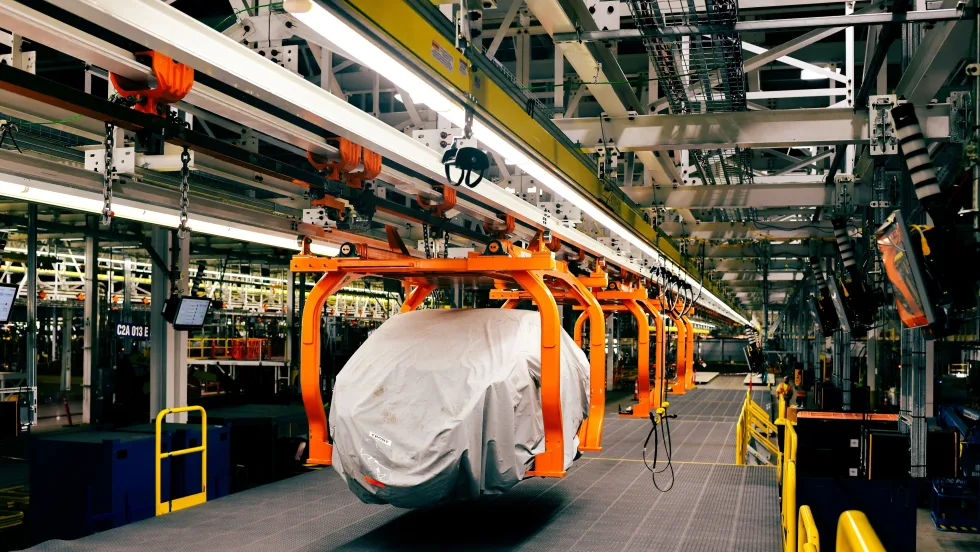
Ford Retools Louisville Plant for Fathom Electric Truck Production
Ford's $2 billion Louisville Assembly Plant overhaul introduces a three-part assembly process for the Fathom midsize electric truck, with production scheduled to begin in 2027.
Read More →
Merchants Fleet Reports 290M EV Miles as Fleets Navigate Changing Electrification Market
From millions in operating savings to hundreds of millions of EV miles, Merchants Fleet’s latest report reveals what’s working and what’s changing in fleet electrification.
Read More →
California District Commits to Electrify 25% of School Bus Fleet by 2028
One of the nation's largest school bus electrification projects to date demonstrates how grants, charging infrastructure, and public-private partnerships can help fleets transition to EVs at scale.
Read More →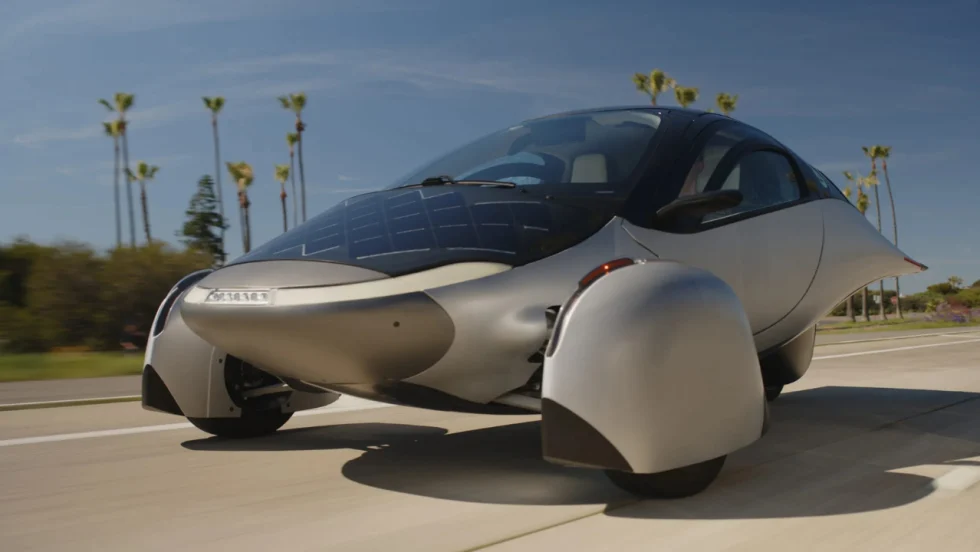
Aptera Orders Bodies and Chassis for Its First 40 Production Vehicles
Aptera Motors Corp. has issued purchase orders for the major structural components of its first 40 vehicles, and body and chassis components are expected to begin arriving in October.
Read More →