


Understanding Webasto’s Modular Battery System
When you step onto the show floor at The Work Truck Show 2020, you may ask yourself – who on earth brought a Ford Mustang to a truck show? And why? Hint: It's all about the power.

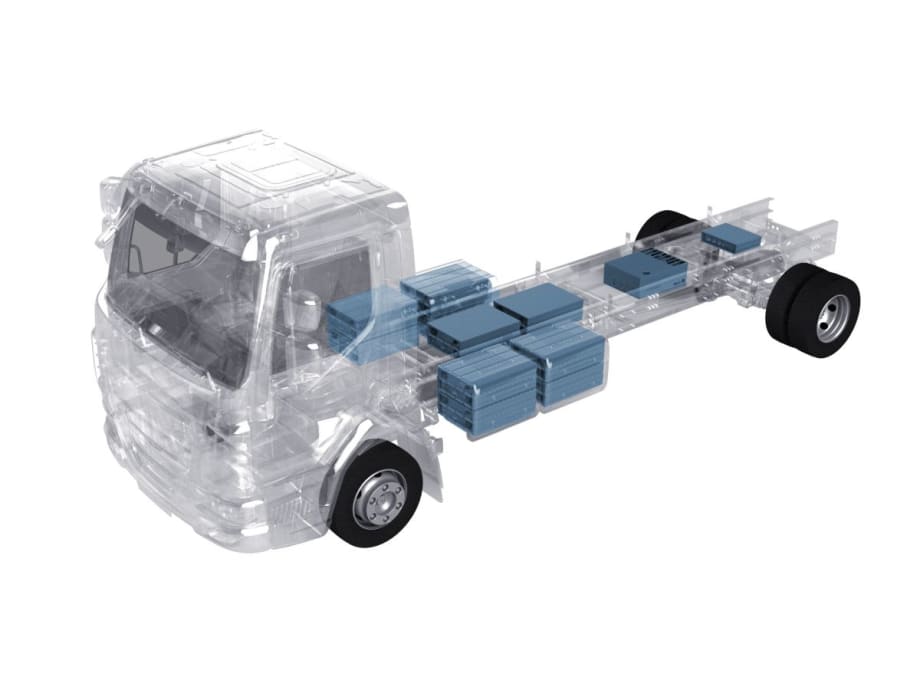
An added benefit: the standard battery system is designed for scalability.
Image: Webasto
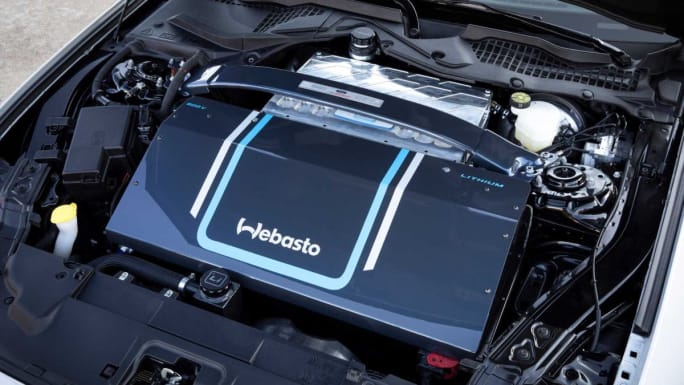
Webasto's Mustang Lithium demonstrates the combination of high-performance and custom solutions.
Image: Webasto
When you step onto the show floor at The Work Truck Show 2020, you may ask yourself – who on earth brought a Ford Mustang to a truck show? And why?
Using the Mustang Lithium to show their capabilities of both designing custom energy storage solutions and supplying off-the-shelf standard battery packs, Webasto set the stage for its CV Standard Battery System in North America. The system brings the best of both worlds of high-performance and custom solutions for the future of electric commercial vehicles.
Although the Mustang is fully electric, it still houses a 6-speed manual transmission – vertically integrating into the automotive e-mobility space.
“Webasto is committed to further expanding our product offering in the e-Mobility segment. This vehicle serves as a display of our capabilities, presenting our battery solutions and high-voltage heater (HVH) systems in a unique setting. It pushes the limits of electric performance and brings a new perspective to the future of electromobility. Webasto brings the same passion, quality and innovation that was put into the Mustang prototype to our commercial vehicle solutions,” said Webasto's Director of Marketing, Josh Lupu.
Demonstrating Expertise & Scalability
The Mustang is intended to show fleets how Webasto used its combined expertise in the automotive industry and system supplier for complex technical solutions to develop a high-voltage battery system suited for commercial vehicles.
“Our CV Standard Battery System is a plug-and-play solution and can easily be scaled from 35 kWh to 350 kWh to fit a wide array of vehicle applications. The system is robust and engineered to live up to the rigors of commercial vehicle duty cycles,” Lupu explained.
Why go modular? The modular concept is more of a benefit for manufacturers, upfitters, and body builders.
“The modular concept allows these groups to choose the number of packs that best fits their application without high development costs. Range, energy, and power needs to be factored in. That’s beauty of the modular system – whether it’s a last mile delivery vehicle, work truck or passenger van – the batteries, combined with the vehicle interface box (master BMS and power distribution box) make spec’ing the application painless,” Lupu said.
Thermal management is crucial for battery health and life. Webasto’s thermal management solutions heat and cool the batteries to keep them in the safe operating range.
An added benefit: the CV Standard Battery System is designed for scalability.
“Each battery pack provides 35 kWh of energy, and up to 10 packs can be used for a combined 350 kWh. The standard battery system can be configured for 400V and 800V version and offers a plug-and-play style setup,” Lupu concluded.
Check out the Mustang and new modular battery system ideal for commercial vehicle applications at Booth #641 at The Work Truck Show 2020, held March 3-6 in Indianapolis.
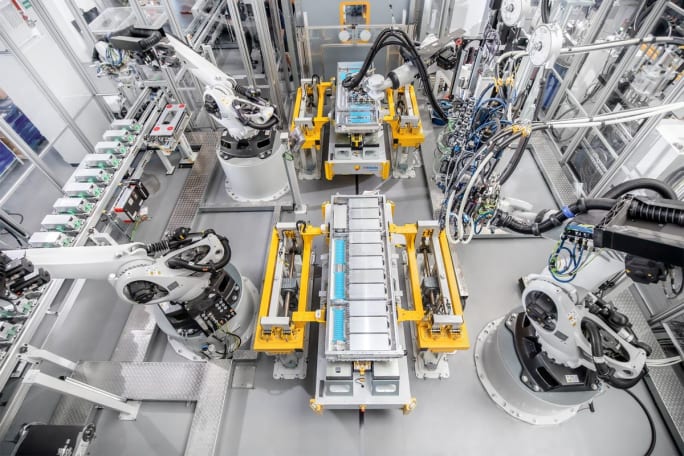
Manufacturing plant for the CV Standard batteries.
Image: Webasto
Originally posted on Work Truck Online
More Batteries/Tech
University at Buffalo Deploys 8 Electric Buses, 10 Chargers
The university, WeDriveU, and Zenobē welcomed the first electric buses to the school’s fleet under its zero-emissions roadmap.
Read More →
Samsung SDI Takes Full Control of GM Battery JV as Indiana Plant Pivots to Energy Storage
Samsung SDI is taking full control of its Indiana battery plant with GM, marking a major shift from the EV-focused joint venture Charged Fleet first covered in 2023.
Read More →
Xos White Paper Asserts LA Olympics Will Lack Enough EV Chargers
The commercial EV fleet company recommends some faster and more flexible remedies to relieve the anticipated shortfall.
Read More →
New EV and Hybrid Training Available For Auto Technicians
The curriculum covers those skill sets highly sought by electric fleet operations.
Read More →
Lucid Adds Hands-Free Highway Driving, Software Updates To Gravity SUV
Hands-free drive assist makes highway driving more comfortable while keeping drivers attentive to the road.
Read More →
California Adopts Sweeping New Autonomous Vehicle Regulations
Updated DMV rules open the door for heavy-duty AV testing and deployment while strengthening safety standards, emergency response coordination, and manufacturer accountability.
Read More →
All Electric Test House Could Ease Path To EV Usage
An experimental model home shows how residential charging could enable electric fleet operations by allowing drivers to take EVs home.
Read More →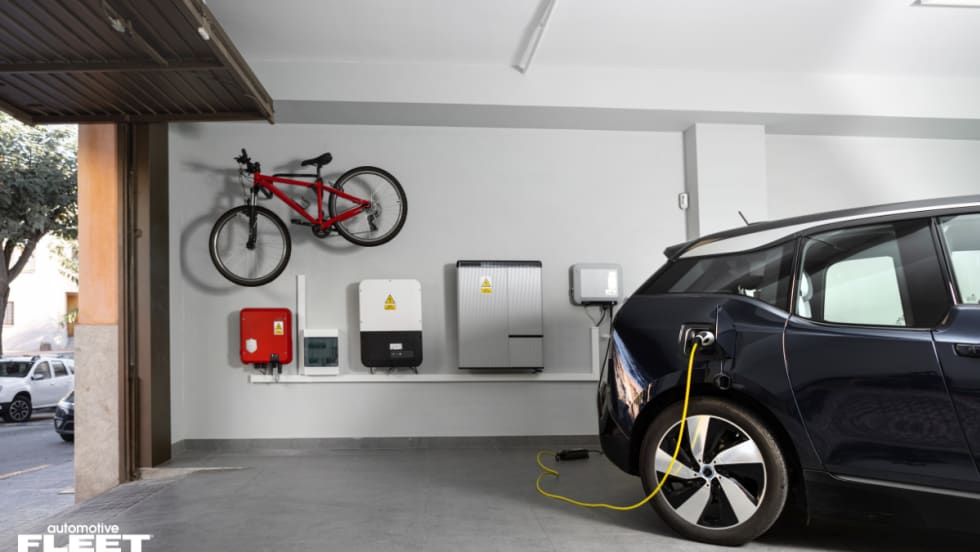
WEX Launches Solution to Close EV At-Home Charging Visibility Gap
At NAFA I&E 2026, WEX debuted an EV solution that adds a layer of verification to help fleets track, validate, and trust every at-home charging dollar.
Read More →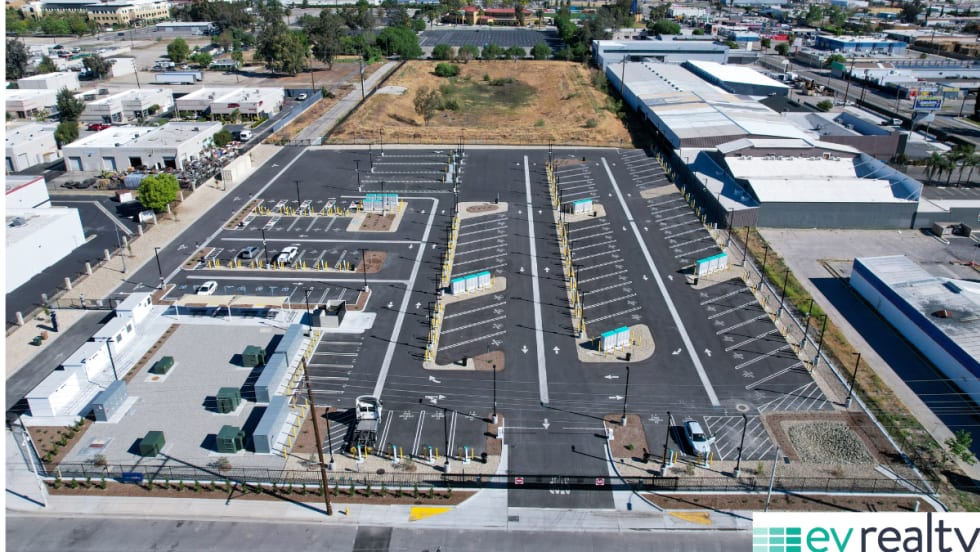
Major Truck Charging Hub Opens In Southern California
EV Realty opens a 76-port, 9 MW truck charging hub in San Bernardino, designed to support more than 200 medium- and heavy-duty vehicles per day with CCS and MCS capability.
Read More →
Software Speeds Up EV Fleet Charging
Learn about a new level of energy management that helps fleets control costs while maintaining service reliability. [VIDEO]
Read More →