


Steve Hornyak Details BrightDrop’s Fleet Plans
Hornyak discusses the company’s production timelines, the decision to produce a high-range EV first, and the transition from a vehicle manufacturer to a holistic platform and a services network that optimizes the last mile.
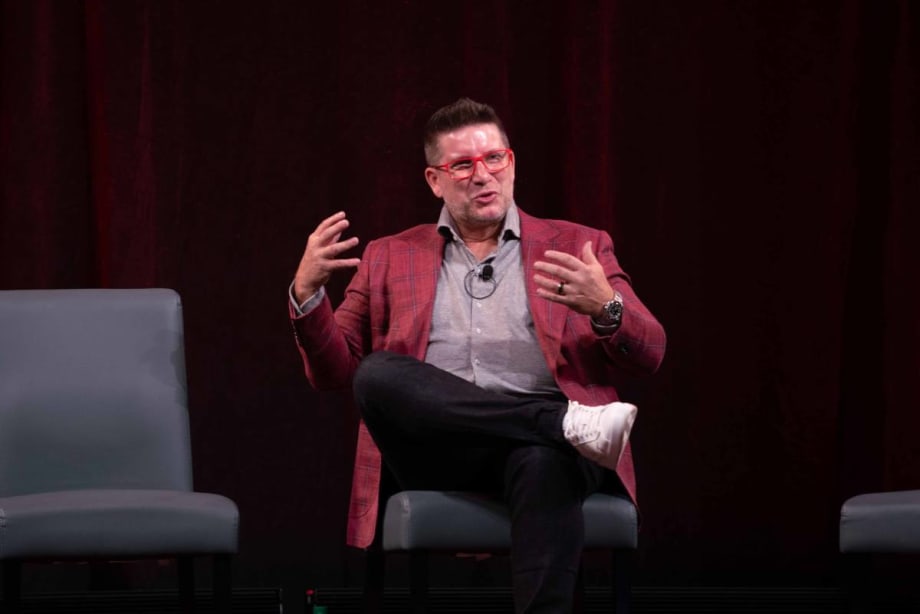
One of the biggest challenges when it comes to EVs is charging them. But rather than wait for the infrastructure, BrightDrop made a high-range vehicle first, which can cure range anxiety as charging availability evolves.
Photo courtesy Ross Stewart, RMS3Digital
With the proliferation of ecommerce, emissions from delivery trucks are a growing concern. BrightDrop — a technology company born within GM’s innovation center, is focused on bringing a cleaner, more efficient solution to the movement of packages for last-mile applications.
“We’ve become a major player in this last-mile space pretty quickly,” said Steve Hornyak, chief revenue officer for BrightDrop. “Our premise is focused on the foundation of zeros — zero emissions, zero congestion, and zero crashes. This is the same foundation that GM is focusing on relative to its future EV strategy.”
Hornyak presented the closing keynote, “Fleet Electrification Challenges and Opportunities,” at the Fleet Forward Conference on Nov. 12 in San Jose, California.
The first vehicle BrightDrop announced was the EV600 — GM’s fastest-production vehicle ever — which will go from inception to production delivery to its partner FedEx in 20 months.
BrightDrop used GM’s Ultium platform, existing production capabilities, knowledge, and engineering, and rapidly designed and executed a ground-up build for the next-generation electric-vehicle platform. In September, the company announced the EV410, which is a smaller version of the EV600 with 410 cu. ft. of cargo space.
“It’s a great advantage being able to convert existing manufacturing facilities versus doing it from the ground up,” said Steve Hornyak chief revenue officer of BrightDrop. “We can do a conversion in six months or so for less than $1 billion, so we saw this as an absolutely fantastic opportunity to get in and dominate the market.”
Investing in Electrification
As of January 2021, BrightDrop became an independent operating company; however, according to Hornyak, it still receives GM’s engineering, production, and financial backing — the initial funding of which is close to $1 billion.
With 30 EVs available by 2025, GM has committed a $35 billion investment in EV technology.
“We’re much more than just an EV company,” Hornyak said. “We produce an integrated, holistic platform that binds together the hardware — which are the trucks — software and professional services support network into a new holistic solution that optimizes the last mile, all while being fully sustainable and with zero emissions.”
Hornyak likens the ecosystem to Apple and its product suite, which is bound together by software and a seamless user experience.
BrightDrop leverages GM’s Ultium Charge 360 app and works directly with its customers in a consultative manner to bring these solutions to market quicker and in an evolutionary manner.
“There are evolutions, revolutions, and transformations,” Hornyak said. “We are sitting in the middle of a transformation — kind of like horse and buggy to ICE (internal combustion engines), and now ICE to electric. During this transformation, we’re going to have to go through an infrastructure evolution. We will begin to deploy infrastructure throughout 2022 and 2023 and will scale pretty aggressively beyond.”
Introducing the EP1
The EP1 — a 23-cu.-ft. mobile, smart, secured container system — enables fewer touches on the product, which saves time, and time is money, especially these days when companies are struggling with staffing issues. By packing product directly into an EP1, putting the EP1 inside the EV and driving the EV to a drop point, touches are reduced by two or three times.
“We heard talk about the last 100 ft., last 100 yards, and how you optimize the movement of products, minimize the number of touches and reduce labor reduce strain,” Hornyak said. “So we came up with the EP1, which can be loaded into our vehicles or third-party vehicles with product and then go out for delivery.”
FedEx is aligned with BrightDrop on sustainability and carbon neutrality and has been validating the EP1 and software and co-testing it out in the field, where FedEx experienced a 25% improvement in the last 100 yards of optimization practice delivery, according to Hornyak. FedEx will take the first production EVs shortly and roll them out throughout next year.
The EP1 can also be used as an elastic locking system or a micro hub. According to Hornyak, 20% of products purchased online end up being returned. The EP1 can also be utilized as a mobile locker to handle not only the click-and-collect and delivery process, but also the reverse logistics within the same device network.
Electrification Challenges
The biggest challenge with EVs is the ability to power them. According to Hornyak, BrightDrop, did the opposite of what some of its competitors have done by producing a high-range vehicle first.
The EV600 and EV410 first iterations are both 250-mile vehicles. As the infrastructure evolves, instead of having to charge the vehicles every day, they may only require charging every two or three days. Fleets can deploy two or three times the number of EVs with the same infrastructure, which is one of the key obstacles, along with range anxiety.
Another worry with EVs is the uncertainty of residual value. If you finance or buy the vehicle, what’s it going to be worth at resale? BrightDrop is working to help mitigate that risk, according to Hornyak.
According to Hornyak, total cost of ownership over five years is less than the equivalent to a diesel-powered vehicle, when factoring initial capital and operating expenses.
Autonomy
Vehicle autonomy will have its place in the ecosystem that BrightDrop is building, according to Hornyak. The company’s chief technology officer and sister company Cruise come from the autonomous space. The vast assets that Cruise has created are accessible to BrightDrop, having a common shared parent.
“It’s going to be an evolution versus revolution,” Hornyak said, adding that even partially autonomous movements will deliver efficiencies. “The vehicles wake up from charging, go by themselves for loading, then to where their route begins and the driver meets them there, so they’re saving the time of the driver coming to the yard.”
Fleet Availability
BrightDrop utilizes GM’s dealer infrastructure both from a sales, parts, and services support standpoint. The company’s model is build-to-order and deliver direct to the customer, which means there won’t be inventory sitting out on dealers’ lots.
“We’ve seen startups stumble and push timelines out,” Hornyak says, “and that’s why we are focused as a separate independent operating company in this space to come in and grab that market share through quick execution.”
BrightDrop’s product line is the EV410 and EV600 for the next several years, according to Hornyak, with the possibility for derivatives of EP1 along the way. Verizon is one of BrightDrop’s first EV410 customers, while Merchants Fleet just reserved 5,400 EV410s.
In the second quarter of 2022, BrightDrop will be taking GM’s plant that is currently producing the Chevrolet Equinox.
The entire 2022 model year is being consumed by FedEx, and model-year 2023 will be available to other fleet customers in the fourth quarter of next year. The EV600 will come first, and about nine months later, the EV410 will be available.
BrightDrop is working with customers now on a production allocation where they can sign multi-year agreements to reserve capacity in production since there is currently an over demand and under supply.
“We’re also working collaboratively with GM Fleet so there’s minimal overlap,” Hornyak said. “We are leveraging everything that GM is doing in BrightDrop and adding incrementally to the specific-use cases for what we’re doing relative to package movement. Fleet is the approach right now, so we won’t be separating or replicating; we’ll be leveraging and collaborating.”
Originally posted on Automotive Fleet
More Operations

The EV Breakdown Nobody's Talking About: Why Most Electric Vehicle Roadside Calls Aren't Mechanical Failures
Here's why EV breakdowns are widely misunderstood.
Read More →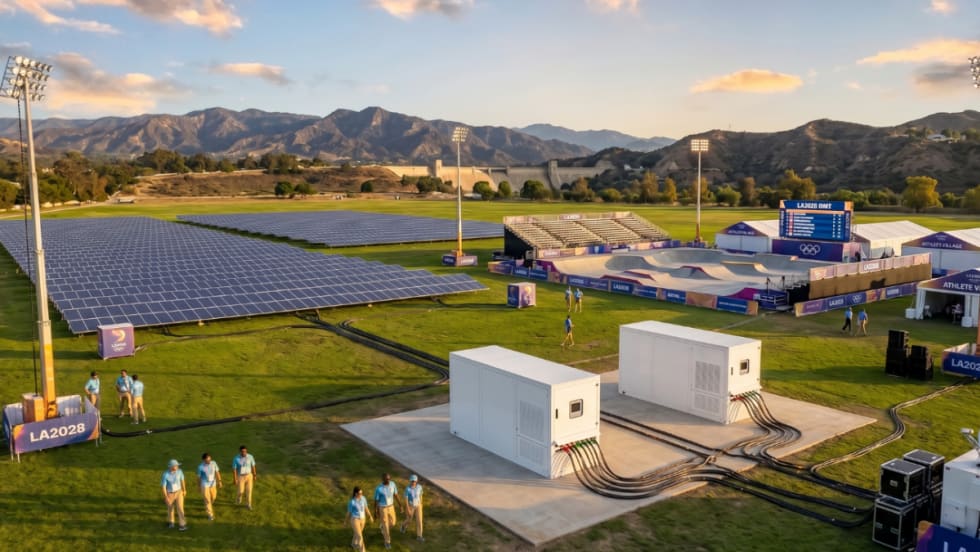
Xos White Paper Asserts LA Olympics Will Lack Enough EV Chargers
The commercial EV fleet company recommends some faster and more flexible remedies to relieve the anticipated shortfall.
Read More →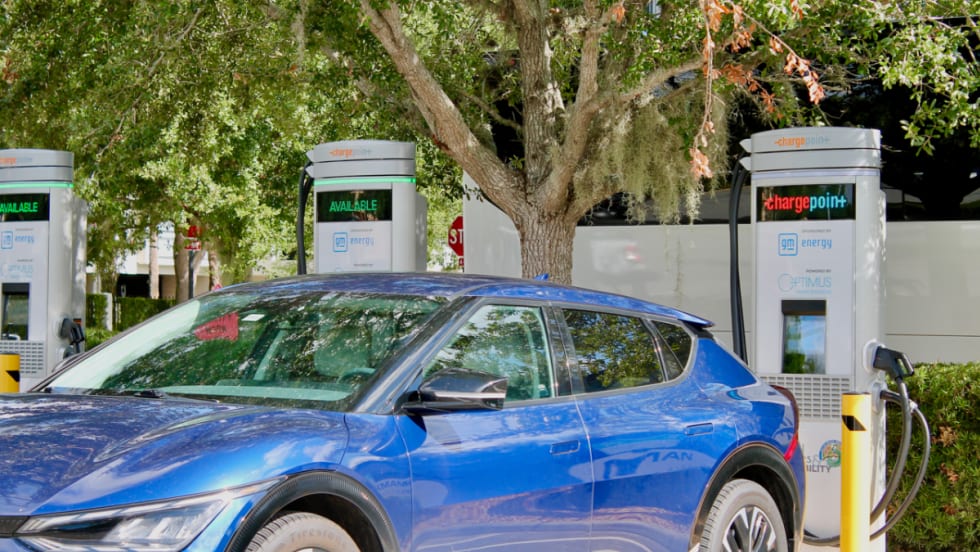
ChargePoint, Optimus Expand Fast-Charging Network Across Southeastern U.S.
ChargePoint will serve as the exclusive solutions provider, delivering hardware, software, and services to support Optimus’ growing charging network.
Read More →
Running A Profitable Electric Rental Fleet
How do you successfully operate an all-electric rental car fleet? Whether you manage a rental fleet or another commercial fleet, this conversation offers practical lessons on deploying, operating, and scaling electric vehicles.
Read More →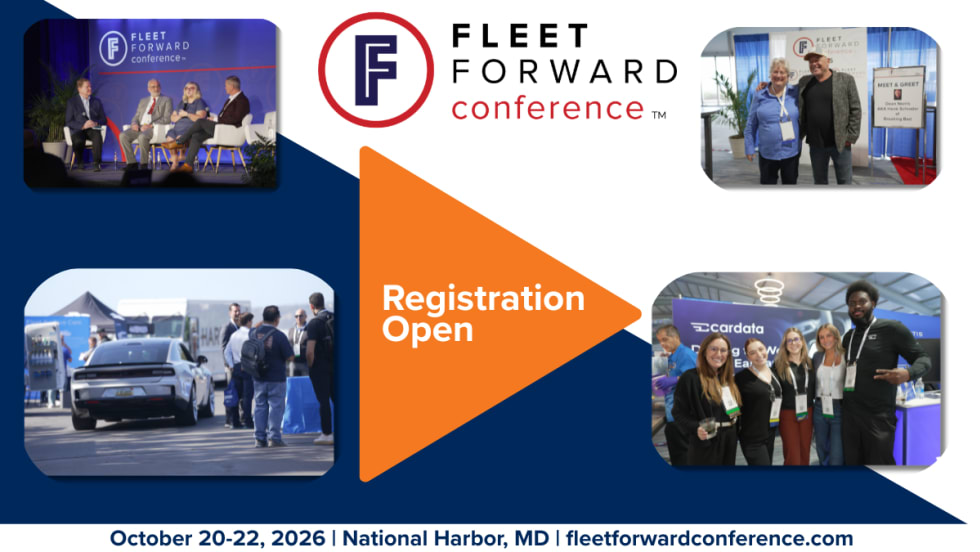
Registration Opens for 2026 Fleet Forward Conference
Held on the East Coast for the first time, the Washington, D.C.-area event features expert-led education, a new IIHS Crash Test Experience, and collocation with the NAFA’s Fleet Safety Symposium.
Read More →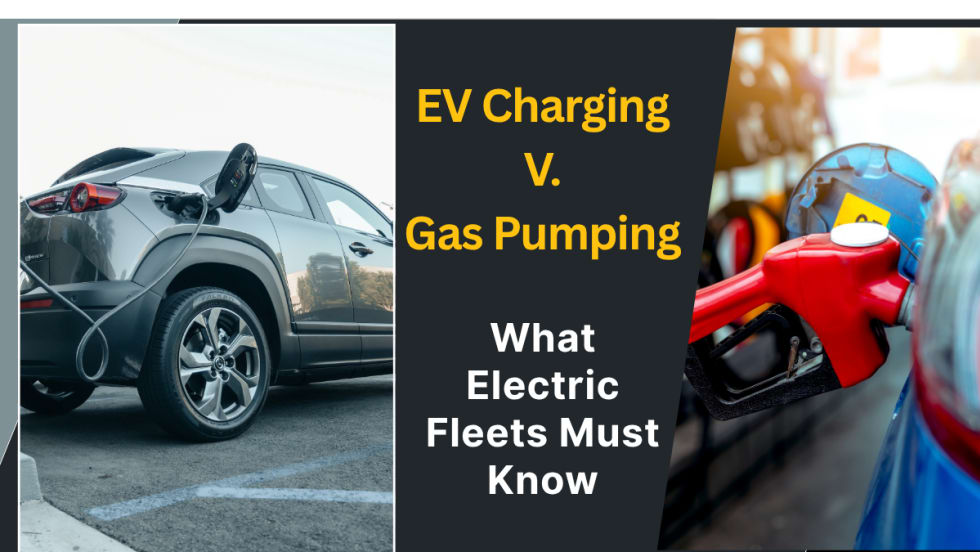
Why Charging May Never Be As Easy As Filling Up Gas
A seamless charge depends on a string of independent companies getting it right together, every time. How can electric fleets navigate the challenges to create a successful charging plan?
Read More →
Slate Debuts Colorful, Unique EV Models
A recent media and client event, studded with electric vehicles dressed up on platforms, planted a new position for the manufacturer in the wider EV market. Fleets will find cost-saving advantages.
Read More →
Slate Electric SUV, Pickup Switchable Model Aims For Light-Duty Fleets
Everything about this EV is counterintuitive and understated, making it stand out from the crowd.
Read More →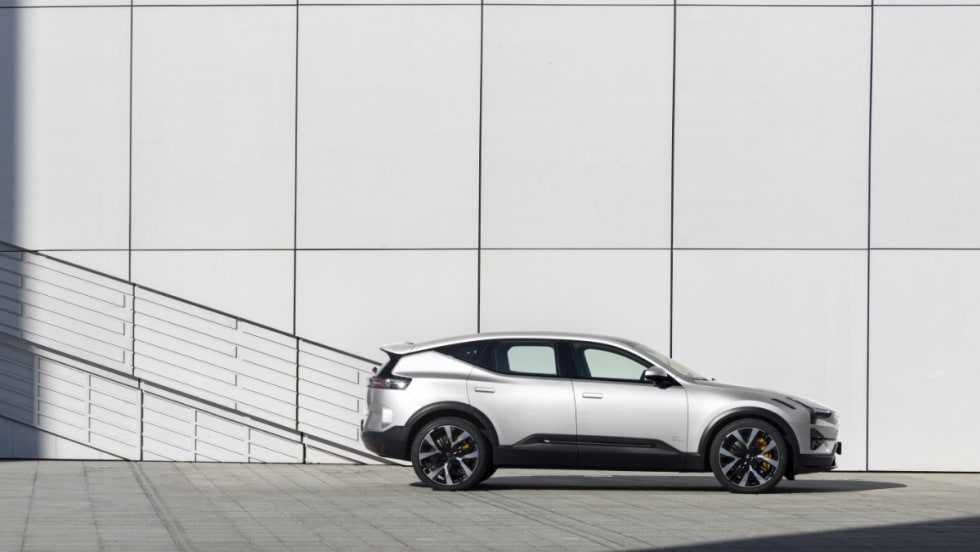
Polestar Barred from U.S. Market Under Connected Vehicle Rule
The automaker loses its authorization to sell new vehicles in the U.S., starting with the 2027 model year. Polestar owners will retain access to the brand's service network.
Read More →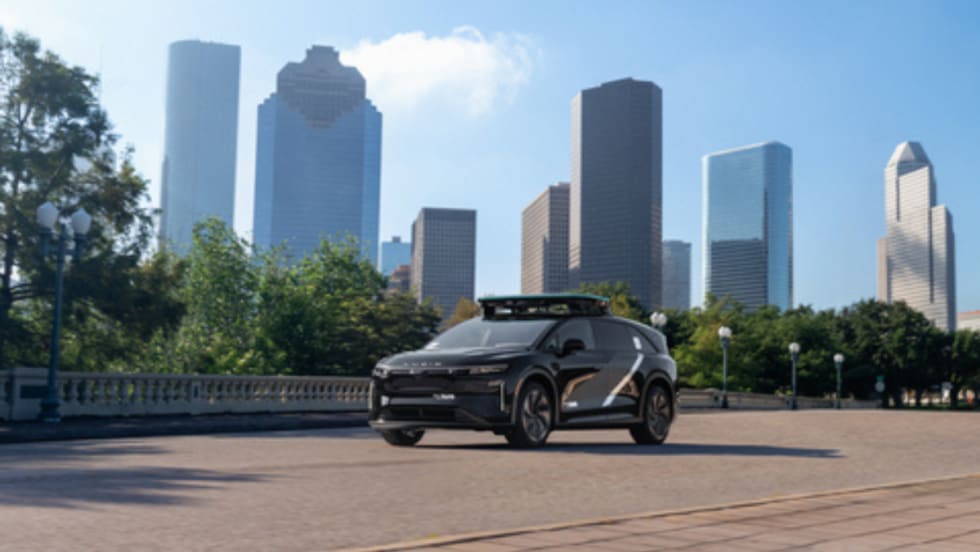
Uber, Nuro and Lucid Plan Houston Robotaxi Service in 2027
The tripartite venture brings out the combined advantages of electric vehicles, mobility, and autonomy into ground transportation.
Read More →