


Showroom - Ford Transit Connect Electric: Plug and Work
In its initial run of up to 1,000 units a year, Ford will sell the van almost exclusively to fleet and for other commercial uses that will limit its use to regular, predetermined routes from a central location.

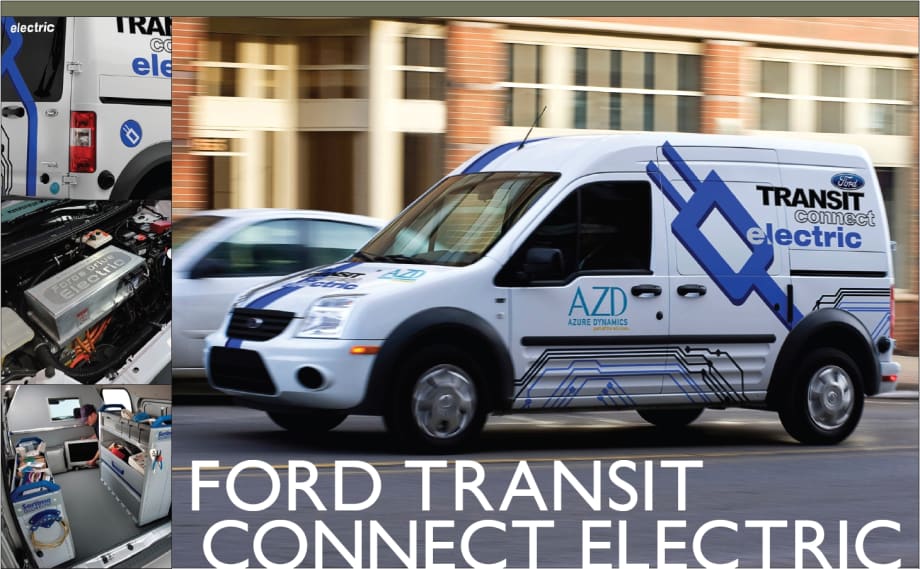
Alt-fuel vehicles are beginning to blend into the automotive landscape, and the all-electric, zero-emission Transit Connect Electric is no exception. The body is identical to the gasoline- and diesel-powered Transit Connect shells shipped in from Turkey to the AM General plant in Livonia, Mich., where they are upfitted with Azure Dynamic Corp.’s “Force Drive” powertrain.
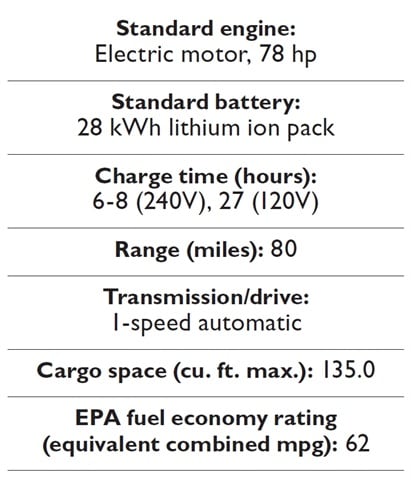
The small van’s mighty interior remains unchanged. The electric version still offers 135 cubic feet of cargo space, 59 inches from floor to ceiling and more than six feet in load length. The floor space between the interior wheel arches is just an inch shy of four feet.
Space is spared since the 600-pound lithium ion battery pack is installed below the cargo floor, which offers another bonus: Business Fleet editor Chris Brown reported that the lower center of gravity improves the van’s handling, aiding the electric version’s “more spirited” ride.
The Transit Connect Electric is no go-kart, but it does enjoy some of the higher low-end torque and quick acceleration that EV drivers have come to expect. Ford claims a zero-to-60 time of 12.0 seconds, beating the gasoline version by 0.3 ticks.
The battery pack also powers an onboard, 12-volt battery to run the headlights, power steering and coolant pumps. This setup is designed to keep the wheels turning for 80 miles on a full charge, which can be reached in as little as six hours with Ford’s proprietary, 240-volt charging station — a time that is more than quadrupled when the only outlet available is the U.S.-standard, 120-volt plug.
But Ford is not attempting to market the Transit Connect Electric to drivers who need to recharge on the fly. In its initial run of up to 1,000 units a year, the OEM will sell the van almost exclusively to fleet and for other commercial uses that will limit its use to regular, predetermined routes from a central location.
If that describes your operations, adding a Transit Connect Electric could represent a sound investment. The electric version won’t cost a dime in fuel, oil or other lubricants, and it contains fewer moving parts than the original.
The savings on maintenance, in conjunction with federal and state incentives, should help to defray the new van’s $54,000 sticker price.
Originally posted on Work Truck Online
More Vehicle Research
2027 Lexus NX Moves to Fully Electrified Lineup
For 2027, the NX moves to an entirely electrified lineup, with either hybrid or plug-in hybrid powertrains.
Read More →
2027 Mitsubishi Eclipse Sportback Named Green SUV of the Year
Green Car Journal recognized Mitsubishi’s new battery-electric crossover, which offers NACS compatibility and DC fast charging at up to 150 kW.
Read More →
Dave Carroll Named President of Ford Energy
Carroll succeeds Lisa Drake, who will remain with Ford through Dec. 31 to support the leadership transition.
Read More →
City of Long Beach Named No. 1 Green Fleet of 2026
NAFA's 2026 Green Fleet Awards recognized fleets for sustainability efforts spanning alternative fuels, technology, facilities, workplace culture and fleet operations.
Read More →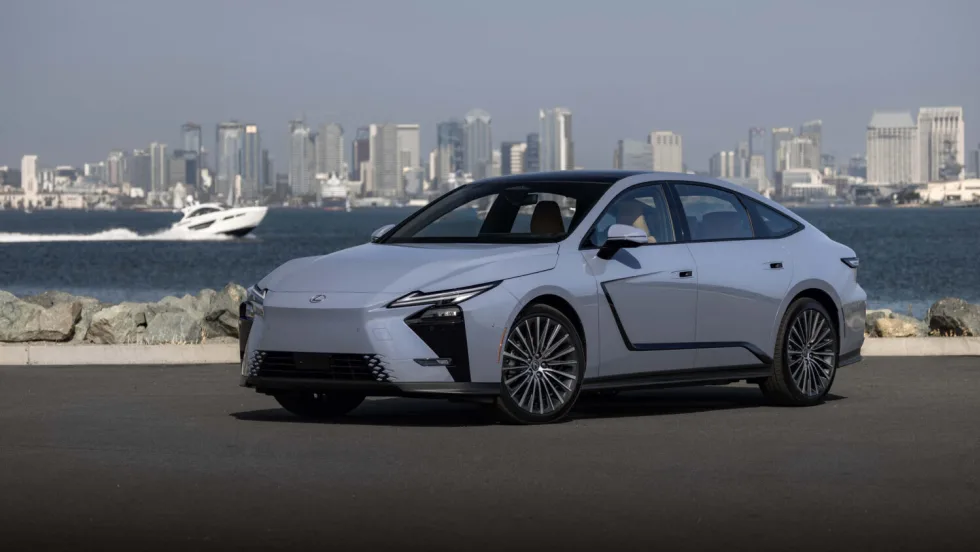
2027 Lexus ES Adds First Battery-Electric Models
The ES 350e and ES 500e join the hybrid ES lineup with up to 338 hp, an EPA-estimated 307 miles of range and standard NACS charging capability.
Read More →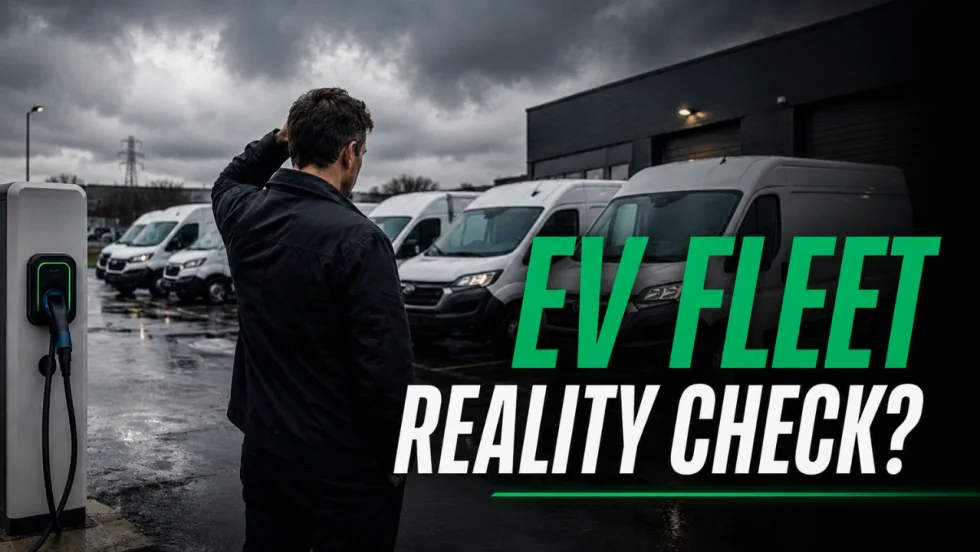
EV Fleet Reality Check: What Operators Wish They Knew Before Electrifying Their Work Vans
Electric work truck upfits bring new compatibility questions. Learn how parts availability, OEM guidance, power demands, and route planning can affect fleet performance.
Read More →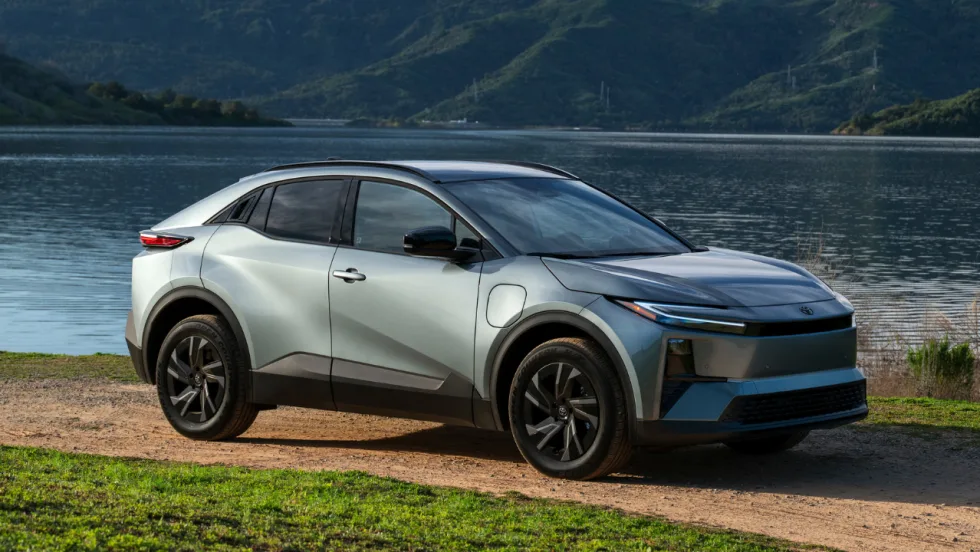
2027 Toyota C-HR Offers 287-Mile Range and Standard AWD
Toyota’s 2027 C-HR brings 287 miles of estimated range, standard all-wheel drive, and NACS fast-charging capability to the compact EV market. See what its mix of performance, cargo space, and everyday technology could offer business users.
Read More →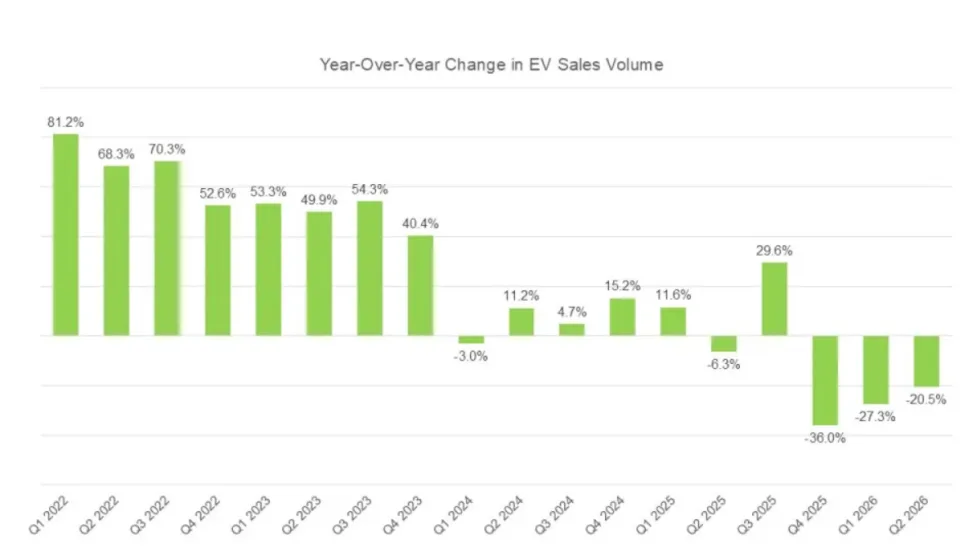
New Vehicle Models Stabilize Electrified Market In Q2
But more credit goes to hybrids than to all-electric vehicles, as more buyers look for fuel-efficient alternatives amid high gas prices.
Read More →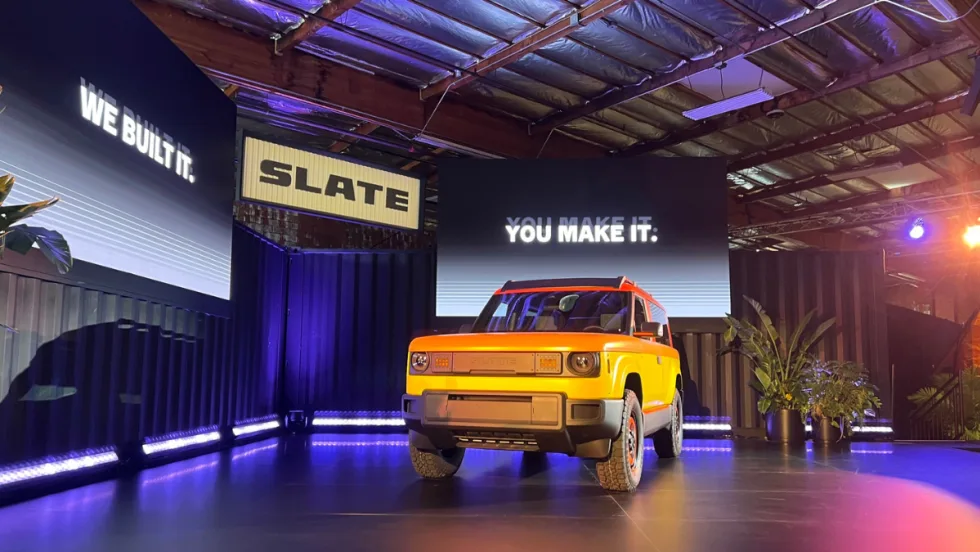
Slate Debuts Colorful, Unique EV Models
A recent media and client event, studded with electric vehicles dressed up on platforms, planted a new position for the manufacturer in the wider EV market. Fleets will find cost-saving advantages.
Read More →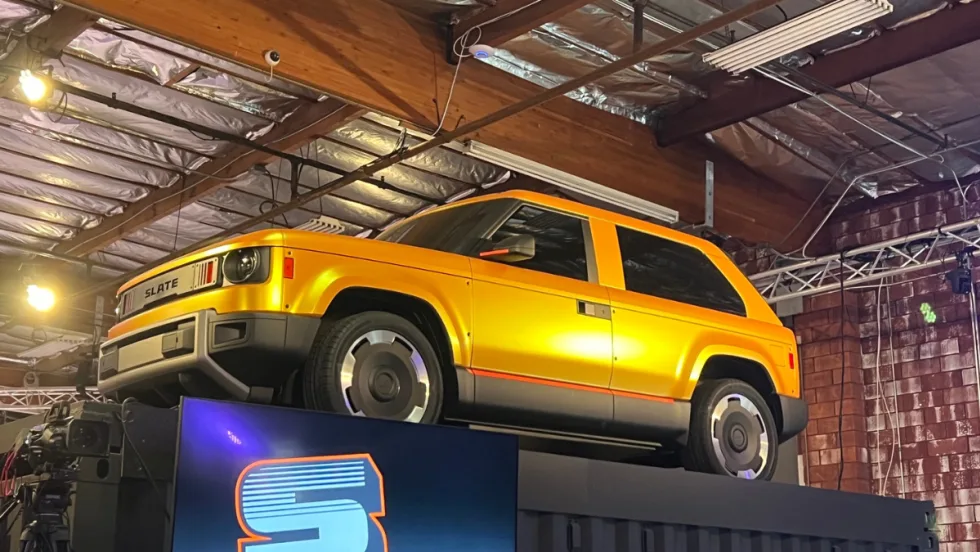
Slate Electric SUV, Pickup Switchable Model Aims For Light-Duty Fleets
Everything about this EV is counterintuitive and understated, making it stand out from the crowd.
Read More →