


Scout Motors Outlines Its Plans Ahead of 2027 Launch
At AutoMobility LA 2025, the company discussed its product development approach, range-extender strategy, direct sales model, and U.S. manufacturing footprint as it continues toward production.
November 25, 2025

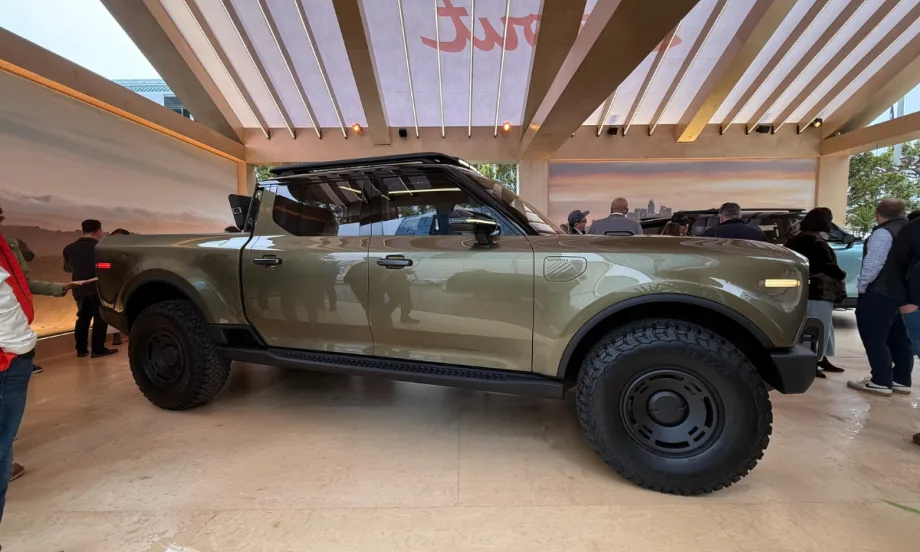
The Scout Terra electric pickup is based on body-on-frame construction and a solid rear axle, unique to electric pickups.
Photo: Chris Brown
4 min to read
Scout Motors — revived under the Volkswagen Group umbrella in 2022 — aims to bring back the classic Scout nameplate as a U.S.-built electric SUV and truck brand.
The original Scouts, produced from 1960 to 1980 by International Harvester, earned a reputation for durability and utilitarian capability in farm, ranch, and off-road settings. The new company is developing brand new vehicles and is currently constructing its manufacturing facility in Blythewood, South Carolina, with production targeted for 2027.
During a seminar at AutoMobility LA 2025, Scout Motors VP of Commercial Operations Cody Thacker provided an update on where the program stands today and how the company is shaping its path to launch.
Customer Input and Brand Heritage
Thacker said initial product development in 2022 drew heavily on consumer research, including product clinics, surveys, and focus groups. The company also used the original Scout’s work-oriented heritage as a reference point.
“We had all that brand heritage and history to look back on,” he said. “We wanted to stay loyal to it.” Customers repeatedly emphasized the importance of customization, especially for off-road accessories. “Accessorization was non-negotiable,” he said.
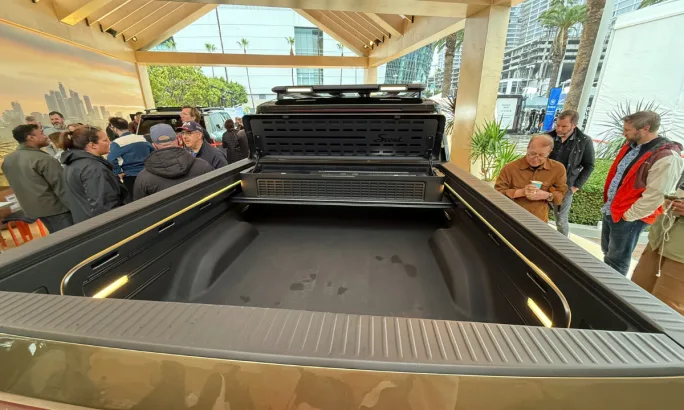
The Terra has a standard 5.5-foot bed, though by visual inspection the bed appeared more shallow than ICE pickup beds.
Photo: Chris Brown
A Two-Path Powertrain Approach: BEV and Range Extender
Scout originally planned for an all-BEV lineup but revised its strategy as market conditions shifted.
“We started with a fully electric vehicle,” Thacker said. “But customers wanted choice.” Scout now plans a single platform that can accommodate either a battery-electric version or an electric motor coupled with a small gas engine to power the Harvester range extender.
Approximate target ranges are 300 miles for the BEV and 500 miles with the range extender.
Thacker said about 80% of current reservation holders have selected the range-extender configuration. He added that the range extender was integrated early in development. “In many past examples, the range extender was an afterthought,” Thacker said. “We pivoted early enough to engineer around it.”
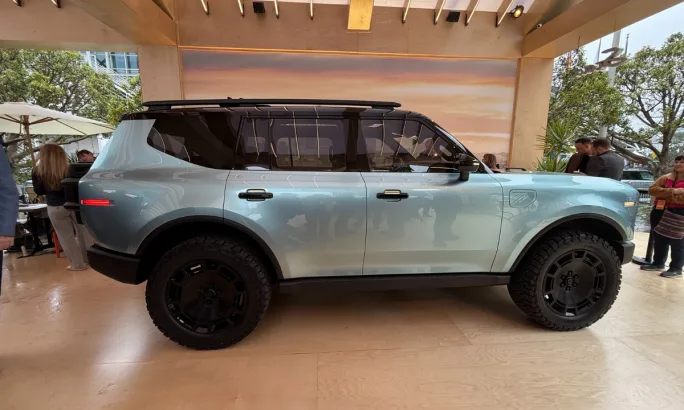
The Scout Traveler retro-inspired design includes a split tailgate and optional "Cabana" removable roof.
Photo: Chris Brown
Direct Sales Model
Scout plans to sell vehicles through a direct-to-consumer model rather than franchise dealers, citing feedback on retail frustrations and EV education.
“We listened closely to consumers,” Thacker said. “We heard dissatisfaction: lack of trust, lack of transparency.”
He also pointed to digital tools as a foundational part of the buying and ownership experience, including online purchasing, OTA updates, and service scheduling.
Thacker acknowledged that the model requires additional work, including real estate and staffing, but said standardization and direct oversight could streamline processes over time.
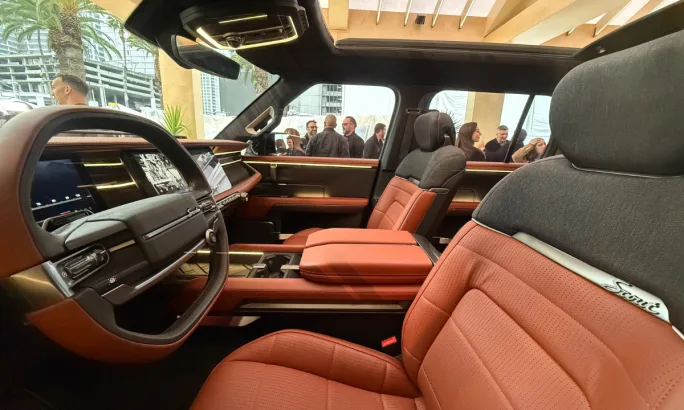
Scout's interiors are aimed for an upscale market. “We are still optimistic that we will achieve a sub-$60,000 starting price on the vehicles," Thacker said.
Photo: Chris Brown
Service Network Planning
Thacker said service performance is a known challenge for many direct-to-consumer EV brands and that Scout is planning to invest heavily in service capacity before launch.
Scout’s targets include:
15% more annual service labor capacity than forecasted demand
roughly 1,400 service stalls nationwide within five years of SOP
about 900 service technicians
100 retail/service rooftops, including seven in Canada
The company is using reservation-funnel data to determine where to place those facilities. Scout estimates that about 70% of current reservation holders are located within 45 minutes of a planned location.
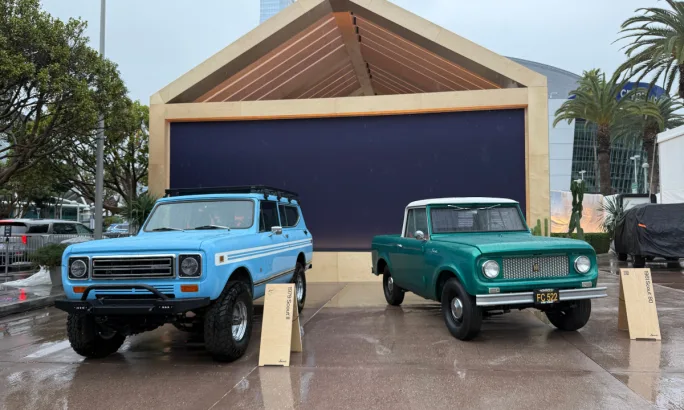
The original International Scout vehicles were produced from 1961 to 1980.The lineup included Scout II (1979 pictured) and Scout 80 (1961, right).
Photo: Chris Brown
U.S. Production and Supplier Proximity
Scout is developing a 1,600-acre manufacturing site in Blythewood, South Carolina, with approximately 3 million square feet. Thacker said the location was chosen partly to shorten supply lines.
“We very intentionally picked a location where we had a close supply base,” he said. Scout expects around 50% of its supply base to be within 200 miles.
The company is also building an on-site supplier park and will locate its corporate headquarters in Charlotte, North Carolina, to maintain proximity between engineering, operational, and manufacturing functions.
Engaging Underrepresented Regions for EVs
Thacker said one goal for Scout is to broaden the geographic reach of EV interest and adoption.
“Middle America wasn’t really in the EV conversation,” he said. He cited power-export capability, off-grid operation, and general utility as features intended to align with broader U.S. use cases.
Referencing a 1960s tagline, Thacker said the company wants to build an “eight-day-a-week truck” with applicability beyond niche segments.
Testing, Timeline, and Fleet
Scout recently completed winter testing in Sweden and plans another testing cycle this year. Multiple generations of test mules are in use, validating vehicle dynamics and software.
Pre-series vehicles are expected to begin assembly in 2026, with Scout targeting a 2027 launch.
A conversation with communications rep Jamie Lovegrove after the seminar, revealed that Scout does not yet have a fleet plan in place, but to “check back in a year.”
A year now feels like an eternity in the automotive world. Nonetheless, Automotive Fleet will follow the reborn brand’s progress and report back as it nears production.
Topics:Scout MotorsElectric SUVsMid-Size PickupsElectric TrucksExtended-Range Electric VehiclesElectric VehiclesSuppliers
Originally posted on Automotive Fleet
Subscribe to Our Newsletter
More Electric Vehicles
EV Charging Use Is Outpacing Infrastructure Growth
ChargePoint’s 2026 Charging Forward Report points to rising charger use, higher-powered charging, commercial vehicle electrification, and energy-management technology. Here’s what fleets should know.
Read More →
EV Realty Names Henrik Holland President as Charging Platform Expands
The former Prologis Mobility and Shell executive will help expand EV Realty’s truck charging business and move its power-first infrastructure model into autonomous vehicle depots and other fleet sectors.
Read More →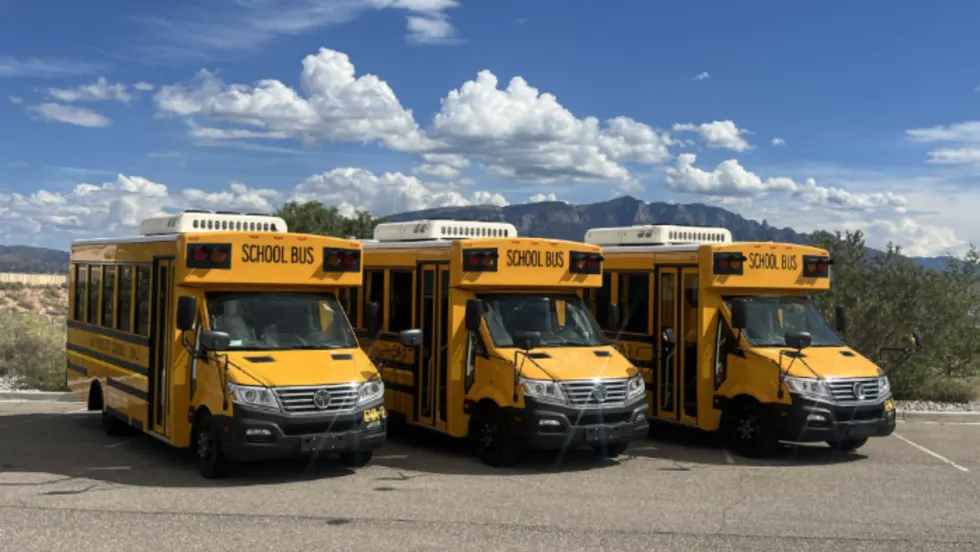
GreenPower Expands New Mexico EV Pilot With Larger Buses, V2G Testing
After logging more than 17,000 electric miles in the first year, New Mexico’s statewide pilot is moving into its second phase with larger vehicles, continued charging evaluations, and more.
Read More →
Can EV-as-a-Service Help Fleets Scale Electrification?
Sustainability Partners CEO Adam Cain explains how matching EVs, charging infrastructure, and duty cycles can help fleets scale electrification.
Read More →
How EV-as-a-Service Is Moving Fleets Beyond Pilots
Adam Cain, president and CEO of Sustainability Partners, explains how EV-as-a-service can help fleets scale deployments by addressing duty-cycle requirements and charging challenges.
Read More →
PowerFlex, The Mobility House Join Forces to Advance Fleet Electrification
Two EV charging providers are joining forces to deliver a broader portfolio of energy management and fleet electrification solutions.
Read More →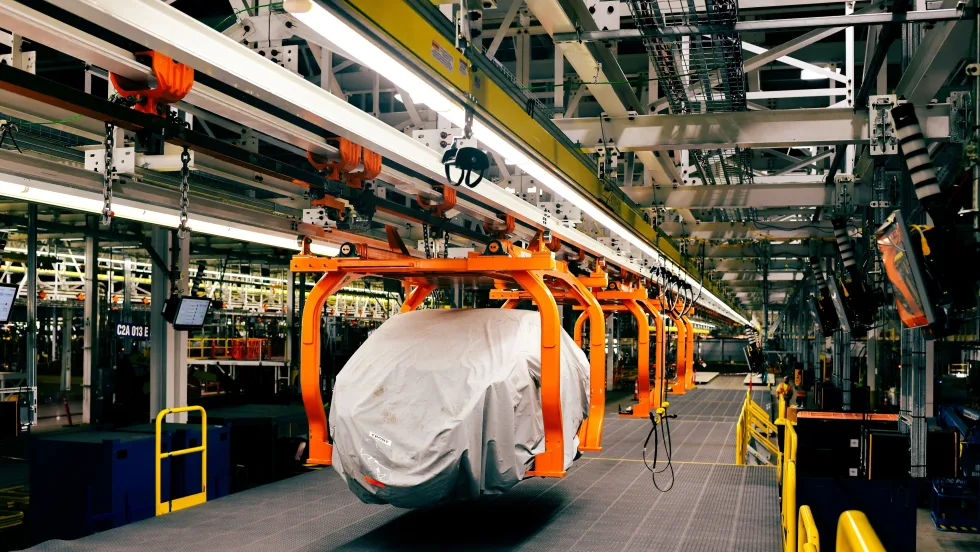
Ford Retools Louisville Plant for Fathom Electric Truck Production
Ford's $2 billion Louisville Assembly Plant overhaul introduces a three-part assembly process for the Fathom midsize electric truck, with production scheduled to begin in 2027.
Read More →
Merchants Fleet Reports 290M EV Miles as Fleets Navigate Changing Electrification Market
From millions in operating savings to hundreds of millions of EV miles, Merchants Fleet’s latest report reveals what’s working and what’s changing in fleet electrification.
Read More →
California District Commits to Electrify 25% of School Bus Fleet by 2028
One of the nation's largest school bus electrification projects to date demonstrates how grants, charging infrastructure, and public-private partnerships can help fleets transition to EVs at scale.
Read More →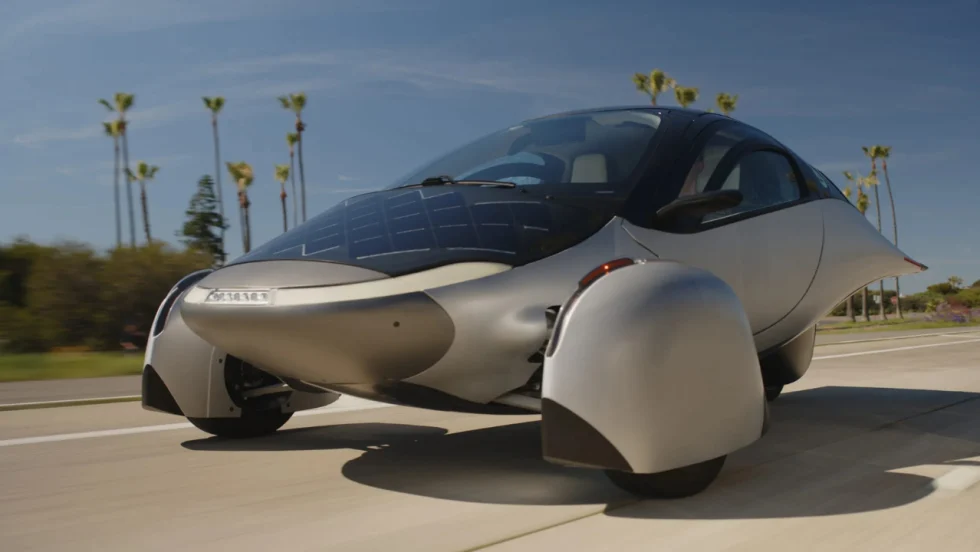
Aptera Orders Bodies and Chassis for Its First 40 Production Vehicles
Aptera Motors Corp. has issued purchase orders for the major structural components of its first 40 vehicles, and body and chassis components are expected to begin arriving in October.
Read More →