


For more information about purchasing an EV, check out our Electric Vehicle Buyer's Guide.
Purchasing Electric Vehicles for Your Fleet? Considerations Before You Buy
The first consideration for all companies is to set a budget for purchasing your vehicles and for adding charging stations
by Ronnie Wendt
September 17, 2021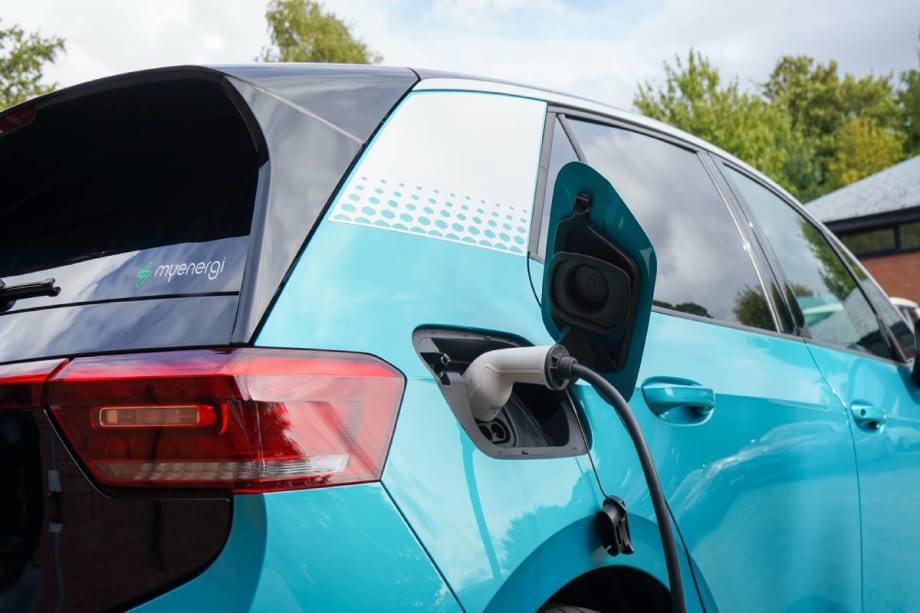
Battery technology is rapidly maturing and becoming more reliable and affordable.
Photo: Charlotte Stowe/Unsplash
2 min to read
The decision to move toward electric vehicles (EVs) is no longer a question of if but a matter of when. Battery technology is rapidly maturing and becoming more reliable and affordable. But there are use cases when early adoption offers a strategic advantage and cases where waiting a little longer fits best.
Budgeting for EVs
The first consideration for all companies is to set a budget for purchasing EVs and for adding charging stations. Also, answer the question: will you lease or rent your vehicles? By taking the time to evaluate your budget, you can place your company in the best financial position possible.
Moving forward, know which stage your company is at with EV adoption.
Immediate or near-term transitions work well in these use cases:
Sedans, crossovers/SUVs and light-duty vehicles make up your fleet
You have predictable, repeatable use profiles (last-mile vans for example on consistent routes)
Your organization emphasizes CSR or sustainability
Industries are utilities, colleges and universities, government agencies, transportation agencies, and transportation network companies
Long-term transitions may be more suitable for companies with:
Predominantly heavy-duty vehicles
Fleets with vehicles that power ancillary equipment
Applications with high route variance and unpredictable use cases
Applications catering to widely fluctuating climatic conditions
Applications with security or defense functions
Whether your company leans toward early adoption or more long-term integrations, there are always next steps moving toward EV adoption. It doesn’t hurt to look ahead where you can set your company up best for EV success.
For early adoption:
Reserve and order your vehicles (EV demand is projected to outstrip EV supply)
Install charging solutions and test functionality
Work with fleet manager to optimize charging operations, and work with local utilities to manage electrical loads while charging
Educate operators about EV operations, charging and maintenance
Longer integration timelines:
Create a blueprint for which vehicles to electrify first
Monitor industry for new EV models and technology developments
Identify pilot opportunities to try available technology in your operation to better understand its features and benefits and limitations
Pilot a few vehicles to familiarize yourself with their impact on operations
Identify opportunities to install or increase electrical capacity for potential charging depots
Through taking the time to consider the stage your company may be at with EV adoption and the purchase factors included, you will be able to successfully implement the most suitable EVs for your business in the next steps. This will save you money, time, investments, and efforts in streamlining your company’s services.
Topics:charging stationsEV ChargingSustainabilityElectric VehiclesChargingLegal/LegislativeVehicle Research
Originally posted on Automotive Fleet
Subscribe to Our Newsletter
More Electric Vehicles
EV Charging Use Is Outpacing Infrastructure Growth
ChargePoint’s 2026 Charging Forward Report points to rising charger use, higher-powered charging, commercial vehicle electrification, and energy-management technology. Here’s what fleets should know.
Read More →
EV Realty Names Henrik Holland President as Charging Platform Expands
The former Prologis Mobility and Shell executive will help expand EV Realty’s truck charging business and move its power-first infrastructure model into autonomous vehicle depots and other fleet sectors.
Read More →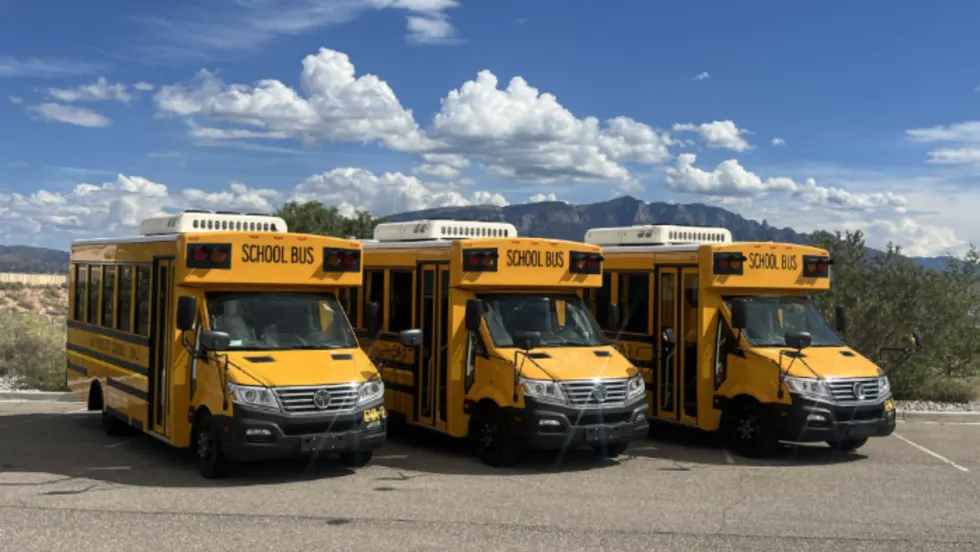
GreenPower Expands New Mexico EV Pilot With Larger Buses, V2G Testing
After logging more than 17,000 electric miles in the first year, New Mexico’s statewide pilot is moving into its second phase with larger vehicles, continued charging evaluations, and more.
Read More →
Can EV-as-a-Service Help Fleets Scale Electrification?
Sustainability Partners CEO Adam Cain explains how matching EVs, charging infrastructure, and duty cycles can help fleets scale electrification.
Read More →
How EV-as-a-Service Is Moving Fleets Beyond Pilots
Adam Cain, president and CEO of Sustainability Partners, explains how EV-as-a-service can help fleets scale deployments by addressing duty-cycle requirements and charging challenges.
Read More →
PowerFlex, The Mobility House Join Forces to Advance Fleet Electrification
Two EV charging providers are joining forces to deliver a broader portfolio of energy management and fleet electrification solutions.
Read More →
Ford Retools Louisville Plant for Fathom Electric Truck Production
Ford's $2 billion Louisville Assembly Plant overhaul introduces a three-part assembly process for the Fathom midsize electric truck, with production scheduled to begin in 2027.
Read More →
Merchants Fleet Reports 290M EV Miles as Fleets Navigate Changing Electrification Market
From millions in operating savings to hundreds of millions of EV miles, Merchants Fleet’s latest report reveals what’s working and what’s changing in fleet electrification.
Read More →
California District Commits to Electrify 25% of School Bus Fleet by 2028
One of the nation's largest school bus electrification projects to date demonstrates how grants, charging infrastructure, and public-private partnerships can help fleets transition to EVs at scale.
Read More →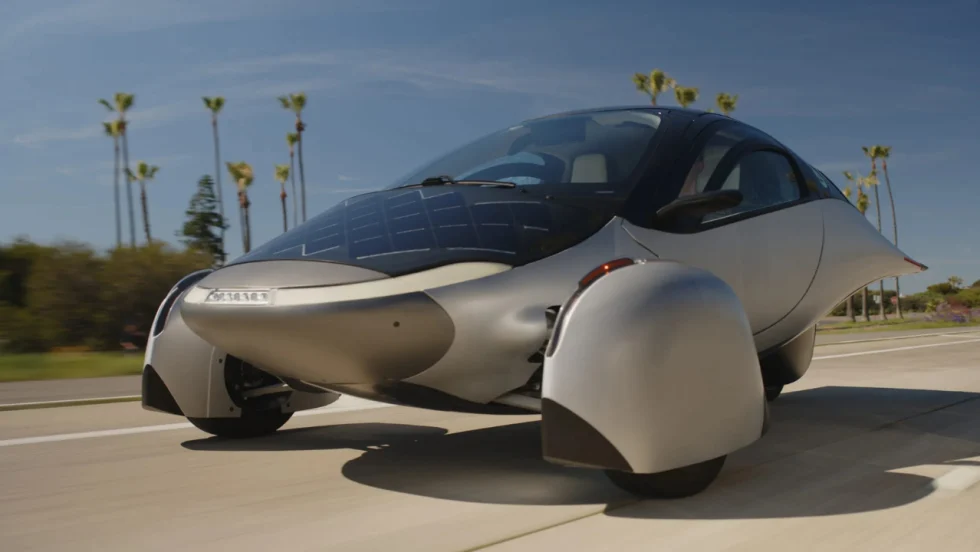
Aptera Orders Bodies and Chassis for Its First 40 Production Vehicles
Aptera Motors Corp. has issued purchase orders for the major structural components of its first 40 vehicles, and body and chassis components are expected to begin arriving in October.
Read More →