


PG&E's Fleet Electrification Efforts
California-based Pacific Gas & Electric (PG&E) already has programs to encourage light-duty vehicle electrification. With new initiatives, the utility hopes to electrify medium- and heavy-duty vehicles in its service area.

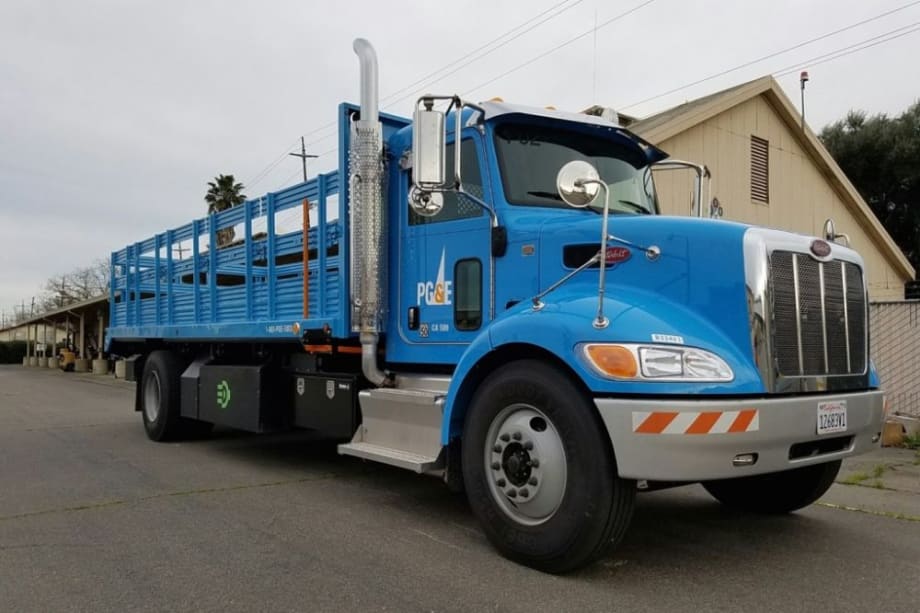
PG&E’s has 1,600 electrified units in its fleet, including hybrid-electric vehicles, plug-in hybrid-electric vehicles, and battery-electric vehicles.
Photo courtesy of PG&E
Over the past few years, electric trucks have dominated the headlines in the fleet industry.
With more and more electric vehicle technology entering the truck market, it seems that electrification will be the future of fleet. But introducing
new options is one thing — getting fleets to use them is another. Adopting electric vehicles requires an investment in infrastructure.
Pacific Gas & Electric Company (PG&E) hopes to ease some of that burden on fleets, with several initiatives in the works to support
electric vehicle adoption and lower the price tag associated with electric vehicles.
Short-Term Projects
The California Public Utilities Commission (CPUC) is the state agency that regulates privately owned utility companies. In January 2018, the regulatory body approved $41 million in funding for electric vehicle charging pilots proposed by the state’s three major electric utility companies: PG&E, Southern California Edison, and San Diego Gas & Electric.
Of PG&E’s four one-year pilot projects that were approved, three may affect the way electric vehicles are charged in the medium- and heavy-duty segment.
In one pilot, the utility plans to tackle idling. Ari Vanrenen, a principal communications representative for PG&E, noted that some of the company’s fleet customers leave vehicles idling due to heating or cooling.
Two other pilots may not involve truck fleets directly, but the findings may benefit these fleets in the future: PG&E will partner with one transit agency to figure out how the agency could leverage smart charging and battery storage to lower operating costs, and it will test an incentive structure that allows school bus fleets to charge electric vehicles during the day when there is an abundance of solar power available on
the electrical grid.
Because these pilot programs were recently approved, the details are still being discussed. As of now, the utility plans to choose one company or
agency for each pilot, but may add others to the pilots if budget permits.
Long-Term Plans
In January 2017, PG&E submitted a five-year proposal that would help to expand electrification for fleets with medium- and heavy-duty vehicles.
This may include school buses, transit agencies, and delivery fleets.
Under this proposal, PG&E would build out the infrastructure required to bring energy from the electrical grid to a vehicle charger. This recharging infrastructure is considered one of the most expensive aspects of electrical vehicle adoption, and would lower the barrier to entry for fleets interested in electrification.
“The idea of our program is to electrify these kind of vehicles to help address air pollution issues in California and support the state’s goal of reducing greenhouse gas emissions associated with transportation,” Vanrenen said.
In addition to electrical infrastructure, PG&E would recommend additional incentives for electrifying medium- and heavy-duty vehicles in disadvantaged communities, as well as school and transit buses.
Change Starts Within
PG&E’s new and proposed projects would make a huge impact on communities. But the utility has also made strides in electrifying its own fleet.
The utility has 1,600 electrified units in its fleet, including hybrid-electric vehicles, plug-in hybrid-electric vehicles, and battery-electric vehicles.
In 2016, the utility saved 10,000 metric tons in greenhouse gas emissions and over one million gallons of fuel, or about $3.8 million in fuel costs.
RELATED: How PG&E is Using Drones for Wildfire Response
Originally posted on Work Truck Online
More Electric Vehicles
EV Charging Use Is Outpacing Infrastructure Growth
ChargePoint’s 2026 Charging Forward Report points to rising charger use, higher-powered charging, commercial vehicle electrification, and energy-management technology. Here’s what fleets should know.
Read More →
EV Realty Names Henrik Holland President as Charging Platform Expands
The former Prologis Mobility and Shell executive will help expand EV Realty’s truck charging business and move its power-first infrastructure model into autonomous vehicle depots and other fleet sectors.
Read More →
GreenPower Expands New Mexico EV Pilot With Larger Buses, V2G Testing
After logging more than 17,000 electric miles in the first year, New Mexico’s statewide pilot is moving into its second phase with larger vehicles, continued charging evaluations, and more.
Read More →
Can EV-as-a-Service Help Fleets Scale Electrification?
Sustainability Partners CEO Adam Cain explains how matching EVs, charging infrastructure, and duty cycles can help fleets scale electrification.
Read More →
How EV-as-a-Service Is Moving Fleets Beyond Pilots
Adam Cain, president and CEO of Sustainability Partners, explains how EV-as-a-service can help fleets scale deployments by addressing duty-cycle requirements and charging challenges.
Read More →
PowerFlex, The Mobility House Join Forces to Advance Fleet Electrification
Two EV charging providers are joining forces to deliver a broader portfolio of energy management and fleet electrification solutions.
Read More →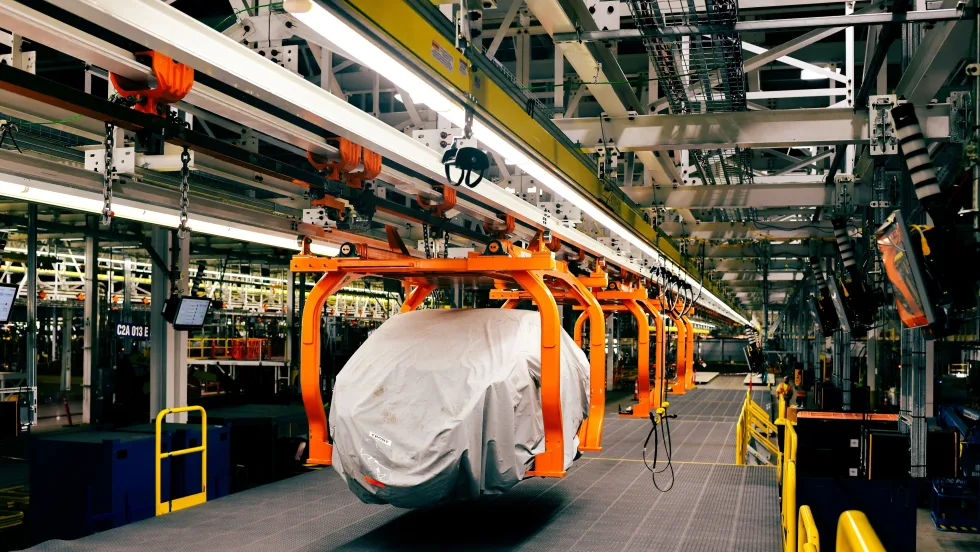
Ford Retools Louisville Plant for Fathom Electric Truck Production
Ford's $2 billion Louisville Assembly Plant overhaul introduces a three-part assembly process for the Fathom midsize electric truck, with production scheduled to begin in 2027.
Read More →
Merchants Fleet Reports 290M EV Miles as Fleets Navigate Changing Electrification Market
From millions in operating savings to hundreds of millions of EV miles, Merchants Fleet’s latest report reveals what’s working and what’s changing in fleet electrification.
Read More →
California District Commits to Electrify 25% of School Bus Fleet by 2028
One of the nation's largest school bus electrification projects to date demonstrates how grants, charging infrastructure, and public-private partnerships can help fleets transition to EVs at scale.
Read More →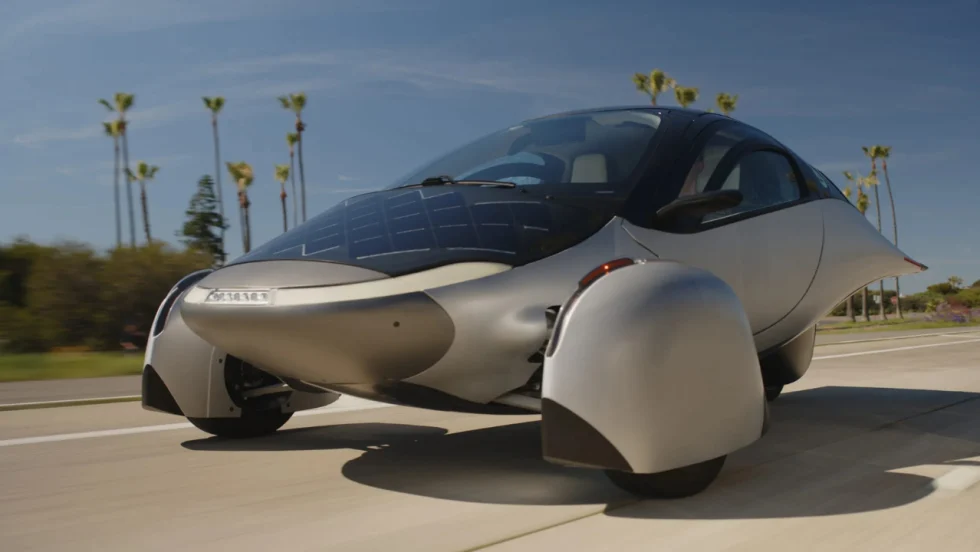
Aptera Orders Bodies and Chassis for Its First 40 Production Vehicles
Aptera Motors Corp. has issued purchase orders for the major structural components of its first 40 vehicles, and body and chassis components are expected to begin arriving in October.
Read More →