



Related: Electric Vehicle Fleet Sales Likely To Grow In 2021
Operational and Legal Challenges to Electrify Car Rental Fleets
From new legislative EV incentives to state and local mandates that will affect the car rental industry, operators need to start developing an electrification strategy. Operational and legal issues surrounding charging, tracking of rental cars, and data privacy must be considered.
May 12, 2021
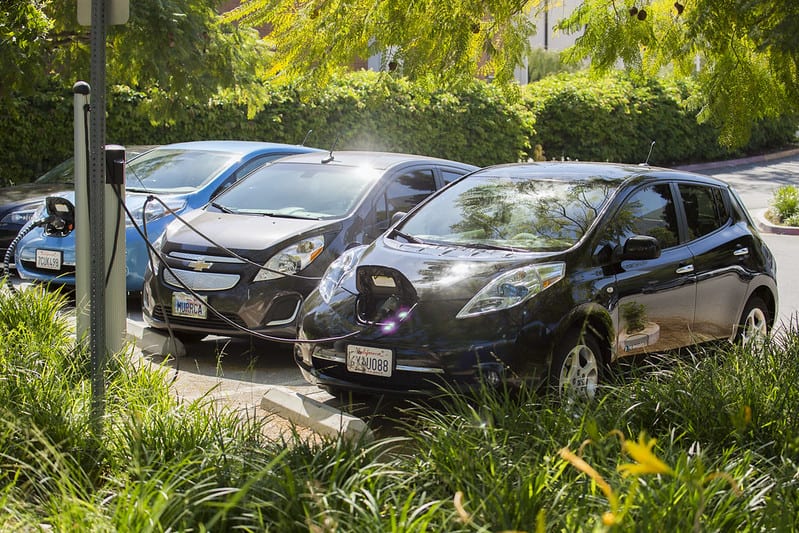
It would be very helpful for an operator to know that a vehicle due to be returned is charged at either 20% or 80%. However, tracking and monitoring of rental cars by GPS or other technologies while on rent is restricted in at least three states.
Photo via Flickr/CSUF photos.
7 min to read
Nearly halfway into 2021, fleet electrification has replaced contactless rentals as the rental industry buzz phrase. As consumers and businesses alike contemplate the transition from internal combustion engine (ICE) vehicles to electric vehicles (EVs) and gas pumps to chargers, rental and other mobility operators should keep in mind additional issues that are unique to the industry.
EV Sales Trends
What started with only a few thousand EVs on the road only 10 years ago has recently turned into an established segment of the auto industry.
Several OEMs have reported record EV sales numbers for the first quarter of 2021, including Tesla and Ford, and an analysis by Cox Automotive and Kelley Blue Book indicates that sales of electrified vehicles (EVs, hybrids, and PHEVs) grew by 81% year over year in the first quarter of 2021.
The trend in increased EV sales seems likely to continue and even accelerate due to legislative developments, OEM commitments to phasing-out production of ICE vehicles in the future, and increased consumer adoption of EVs.
From Legislative Incentives to Mandates
On March, 31, 2021, Joe Biden announced the first part of his infrastructure package, the “American Jobs Plan,” which designates $174 billion to “win the EV market,” through consumer point-of-sale rebates and tax incentives to buy American-made EVs, grant and incentive programs for state and local governments and the private sector to build a national network of 500,000 EV charging stations by 2030, promotion of domestic supply chains, replacement of diesel transit vehicles and yellow school buses with EVs, and electrification of the federal fleet.
In addition to tax and other incentives that the federal and state governments have offered to promote electrification of the U.S. passenger vehicle fleet, more states and localities seem poised to introduce mandates that will require OEMs to produce vehicles with better fuel efficiency or even zero emission vehicles, while some have introduced electrification/decarbonization requirements that apply specifically to rental car operators.
For example:
In June 2019, Washington Dulles International Airport announced that contracts with rental car concessionaires would include a “Green Vehicle Requirement,” requiring each successful bidder to maintain an annual average number of green vehicles (EV, PHEV, HEV) of at least 2 percent of total vehicles during the second and third contract year, and 3 percent of total vehicles during the fourth and remaining years.
On September 23, 2020, California Governor Gavin Newsom signed an order requiring all new passenger vehicles sold in California to be zero emission by 2035.
In January 2021, the Hawaii legislature introduced several bills aimed specifically at electrifying car rental fleets, including the following:
H.B. 424 requires state agencies to adopt a preference to rent EVs or PHEVs for state employees on official business (passed both houses and transmitted to the Governor).
S.B. 768 would establish a Rental Car Modernization Task Force charged with developing a plan to ensure EV charging infrastructure in place to support 100% zero-emission fleet by 2035.
(Other bills introduced in the Hawaii legislature in 2021 that failed to advance would have established a rental motor vehicle emissions surcharge for rentals of ICE vehicles, as well as a mandate that operators of fleets with more than 200 light duty passenger vehicles incorporate zero-emission vehicles into their fleets incrementally to reach 50 percent by July 1, 2030).
Electrification also may be accelerated by market forces. For example, several OEMs have recently made commitments to phase out ICE vehicles or substantially increase production of EVs over the next 10-15 years, including the announcement by General Motors that it would cease sales of ICE light duty vehicles by 2035.
Operational and Infrastructure Challenges
As EVs become a larger part of rental fleets, operators should consider some of the challenges created by EVs. For example, EVs have varying ranges and require time to charge. Depending on the specifications, it can take 30 to 75 minutes to charge a battery to 80% using a fast (Level 3) charger. This could be problematic at high volume locations with quick turnarounds.
Additionally, even with battery level notification systems, renters may not be able to keep a vehicle sufficiently charged due to insufficient public charging stations, leading to the risk of stranded vehicles (and renters). These concerns are even more dramatic for carshare operators with vehicles being accessed either at remote sites or as part of a free-floating platform as the operator may need to rely on customers to connect the charger properly.
In addition to addressing operational issues, an operator may need to invest in chargers, electrical system upgrades, and additional space to account for charging times. Legacy operators also may need to decommission fuel pumps once a fleet is fully electrified.
At least some of these costs, such as the installation costs of chargers, might be offset from various sources. For example, several electric utilities in California offer rebates for EV chargers, along with the potential to participate in demand response programs, and time-of-use rates. The California Air Resources Board also offers Low Carbon Fuel Standard Credits for certain types of EV chargers that are publicly available.
Legal Considerations
One logical response to the challenge of keeping EVs charged and ready for use is constant monitoring of the battery level and vehicle location. It would be very helpful for an operator to know that a vehicle due to be returned is charged at either 20% or 80%. Moreover, a renter who has a vehicle at 10% but is close to a fast charger would appreciate notice of that fact. Carshare operators would also benefit from monitoring the battery levels of vehicles, particularly approaching peak usage times.
However, tracking and monitoring of rental cars — including carshare vehicles — by GPS or other technologies while on rent is restricted in at least three states: California, Connecticut, and New York.
For example, California generally prohibits the use of “electronic surveillance technology” for cars on rent. Additionally, New York prohibits the use of GPS technology for the purpose of determining or imposing fees or charges as part of a rental. Whether the New York law prohibits the use of GPS for the sole purpose of tracking location and battery level might turn on what use the operator made of the data and whether any charges were levied on the user. Regardless of the specific provisions, the general purpose of these laws is to provide some level of privacy to vehicle users.
Moreover, the use and storage of some types of data may be subject to state general privacy laws. For example, Virginia just joined California in enacting a broad data and privacy statute. Businesses above specified customer or revenue thresholds need to make certain disclosures and take particular actions with data from customers.
At a minimum, and even in states other than the three listed above, operators should make sure their rental agreements disclose the possibility the vehicle will be tracked. Some operators include a specific acknowledgement by the customer of the possibility the vehicle will be tracked.
In addition, operators may wish to update rental agreements to include disclosures on unique features of driving EVs, such as information on range, charging requirements, and driving dos and don’ts.
Time to Update the Law
As described above, EVs are here and more are on the way. The transition to EVs is part of a national and global response to mounting environmental concerns. The laws and regulations applicable to rental car and other mobility platforms should facilitate the use of EVs.
To the extent existing laws create challenges for the efficient consumer friendly use of EVs, those laws need to be updated. Of course, consumer privacy needs to be protected, but some clarification of the law to allow the use of technology to assist in the distribution and charging of EVs would go a long way in encouraging the use of EVs.
As an example, the City of Santa Monica, in conjunction with the LA Cleantech Incubator, has established a Zero Emissions Delivery Zone within a one square mile voluntary zone. The City states that technology will monitor vehicle activity while protecting privacy and collecting anonymized data for study. The Twin Cities EV Mobility Network is rolling out an EV car share fleet which will include at least some level of monitoring to remind users of the need and time to recharge the vehicle.
Stated simply, our laws and regulations need to encourage expressly the transition to EVs, not provide a roadblock or ambiguity.
About the Authors
Leslie J. Pujo is an attorney with Plave Koch PLC in Reston, Va., focusing on mobility and vehicle use, as well as franchising. She can be reached at lpujo@plavekoch.com. Wesley D. Hurst is an attorney in the Los Angeles office of Polsinelli and leads the firm’s Mobility & Vehicle Use practice. He can be reached at whurst@polsinelli.com.
Originally posted on Auto Rental News
Subscribe to Our Newsletter
More Vehicle Research
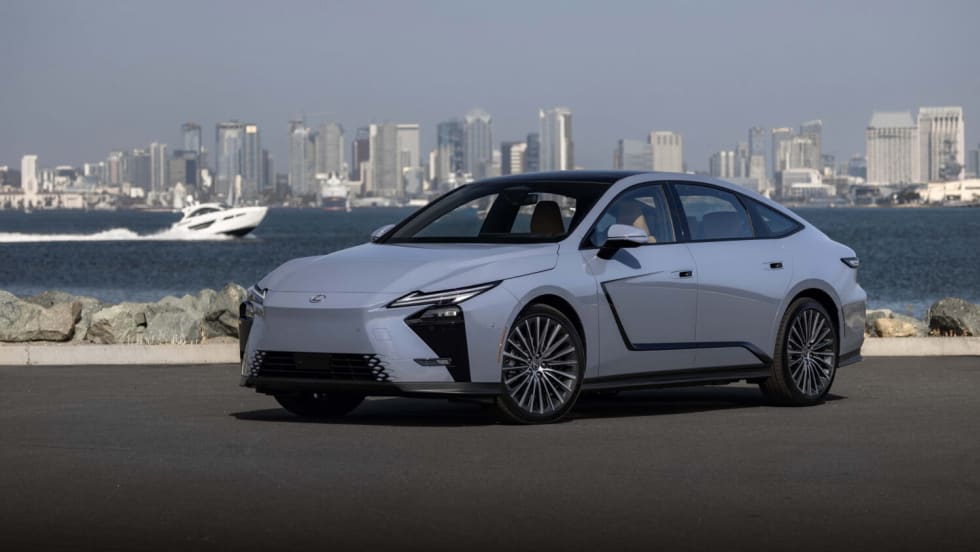
2027 Lexus ES Adds First Battery-Electric Models
The ES 350e and ES 500e join the hybrid ES lineup with up to 338 hp, an EPA-estimated 307 miles of range and standard NACS charging capability.
Read More →
EV Fleet Reality Check: What Operators Wish They Knew Before Electrifying Their Work Vans
Electric work truck upfits bring new compatibility questions. Learn how parts availability, OEM guidance, power demands, and route planning can affect fleet performance.
Read More →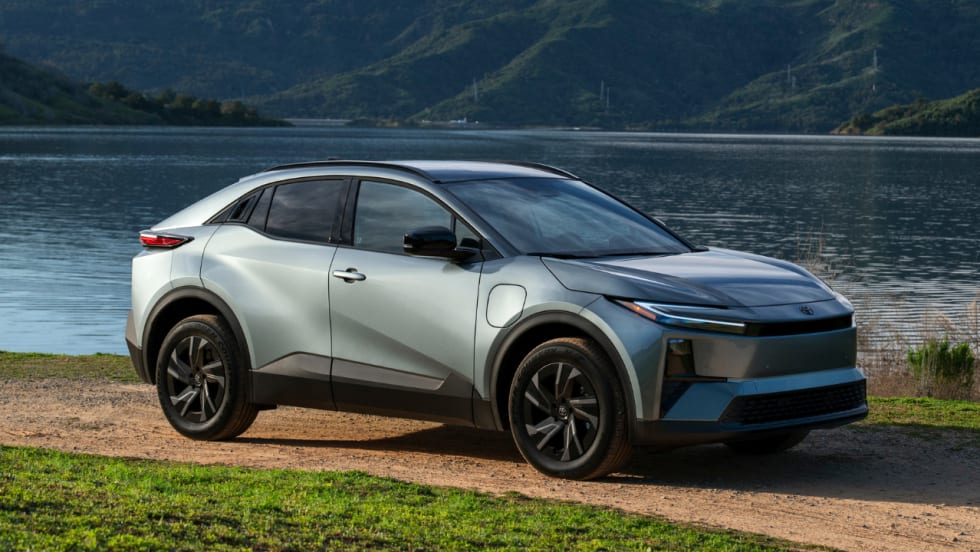
2027 Toyota C-HR Offers 287-Mile Range and Standard AWD
Toyota’s 2027 C-HR brings 287 miles of estimated range, standard all-wheel drive, and NACS fast-charging capability to the compact EV market. See what its mix of performance, cargo space, and everyday technology could offer business users.
Read More →
New Vehicle Models Stabilize Electrified Market In Q2
But more credit goes to hybrids than to all-electric vehicles, as more buyers look for fuel-efficient alternatives amid high gas prices.
Read More →
Slate Debuts Colorful, Unique EV Models
A recent media and client event, studded with electric vehicles dressed up on platforms, planted a new position for the manufacturer in the wider EV market. Fleets will find cost-saving advantages.
Read More →
Slate Electric SUV, Pickup Switchable Model Aims For Light-Duty Fleets
Everything about this EV is counterintuitive and understated, making it stand out from the crowd.
Read More →
Used EVs Strengthen Overall Electric Vehicle Market
The latest sales data point to several reasons for the divergent trends in new and used EVs that can factor into fleet cycling decisions.
Read More →
Mitsubishi To Debut All-Electric Eclipse Subcompact For North American Market
The 2027 Mitsubishi Eclipse Sportback is a small SUV that will go on sale by this fall.
Read More →
EV Energy Savings Mount As Volatile Gas Prices Soar
Electric vehicle owners, including fleets, are saving increasing amounts by driving EVs instead of internal combustion engine vehicles.
Read More →
Stellantis To Build Smaller, Affordable EVs For European Market
Stellantis aims to expand access to urban EV mobility in Europe and address the decline in the smaller-vehicle segment.
Read More →