


Check This Out: Why There’s No Better Time for Fleet Electrification
Is Revel Poised to Push Electric Mobility to the Masses?
Users can rent an electric moped or e-bike and hail a Tesla all from a single app. They all get charged at a Revel charging hub, which can be monetized by opening the charge points to the public.
by Hari Sripathi
March 22, 20224 min to read
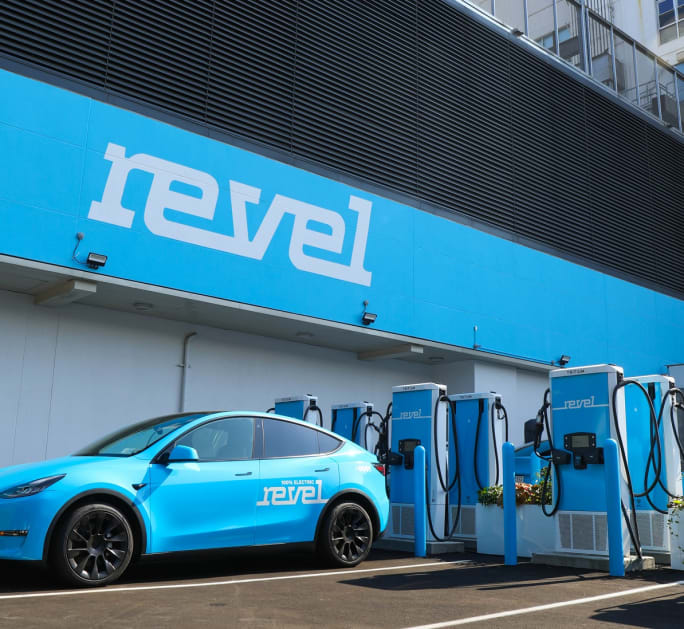
Photo: Revel
Vehicle electrification has felt a largely supply-driven innovation. There was no overarching customer desire it addressed beyond climate change. Rather, early adopters got on board as a response to celebrity endorsements from Elon Musk and the subsequent launch of Tesla. The rest continued to suffer from range and charge anxiety.
Electrification has since struggled with a chicken-and egg-problem. Customers would not take to it it en masse in the absence of adequate charger density. And fuel companies did not want to build a network unless customers were already there.
Brooklyn-based Revel has an interesting take on the problem that is truly commendable for an early-stage transportation startup.
What Revel Is
At its core, Revel is a network of charging stations situated in high-traffic urban areas. Its true value is its multimodal mobility ecosystem around it, each leveraging the other and drawing more customers into their charging infrastructure.
Users of Revel can rent electric mopeds and e-bikes or hail Teslas, which are owned by the company, through a single app. Revel is operational in three of New York City’s boroughs: Manhattan, Brooklyn, and Queens, as well as Miami, Washington, D.C., and the San Francisco Bay area.
The e-bike is a flexible rental service with maintenance included. It is delivered and picked up from customer doorsteps, making it highly convenient, easing adoption.
A high density of mopeds is maintained in high traffic areas. The mopeds are small enough to fit in between parked cars, thus minimally impacting traffic congestion. Customers can rent one way within the geofenced region, leaving the moped in any legal parking spot near their destination. They are charged for use by the minute, ensuring it is more affordable than comparable taxi rides.
With scale, mopeds circulate freely within a region. There are no subscription fees. Ease of adoption is enhanced with a digitally enabled license registration and identity verification process. With a few uploads of my driver's license and a selfie, I was set to ride.
The Tesla-only ride hail provides a luxury option to eco-conscious travelers. The cars are clean, new, company-owned, and strategically priced cheaper than an Uber to increase adoption. The drivers are full-time employees with benefits addressing a core criticism of the supposed exploitation of gig workers.
How It Works
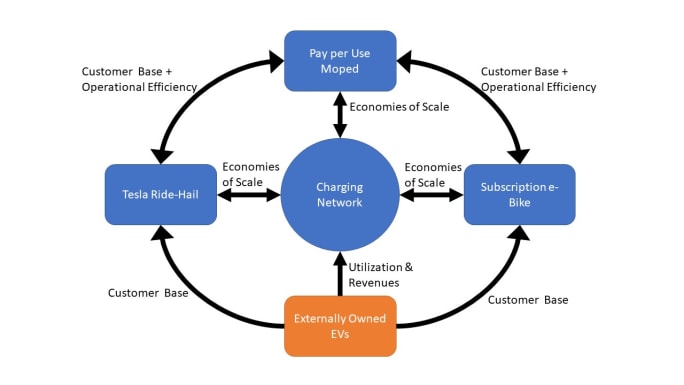
Each of their offerings serves a unique occasion collectively broadening the appeal of electrification. Revel’s e-bike subscription serves for a morning spin around the block, particularly targeted at leisure riders or delivery workers. Its Tesla-only ride hail suits a busy professional’s 20-mile ride to the airport or a trip downtown on a Saturday evening. In between, the electric moped comes in handy when dropping off that package in the post office a couple of miles away or for the gig worker zipping through the city with frequent stops.
Throughout, the customer never interacts with the actual charging infrastructure but instead is getting habituated to the cleaner, more flexible, and possibly cheaper riding experience delivered by the electric vehicle.
Source: Hari Sripathi
The bike and moped journeys capture most commonly trafficked routes, insights on parking regulations and driver behaviors including unsafe driving. The onboarding process captures customer identities and driver licenses. Meanwhile the connected Tesla feeds insights on high frequency pickup and drop-off spots which help ascertain high traffic areas to park the next moped. All the while, the very sight of the distinctive bright blue vehicles zipping through the street is free marketing, expanding the customer base.
Promise and Challenges
The manufacturer-agnostic charging network is largely hidden from the customer. However, it can easily be monetized by opening it up as service stations to the public (Revel does have one publicly accessible universal fast-charging Superhub in Bed-Stuy, Brooklyn). Revel’s true genius lies in unobtrusively creating customer adoption through its convenient transport options while achieving economies of scale — while building the operating infrastructure that underpins the electric vehicle industry.
To be clear, Revel has shortcomings as all startups do. Maintenance and cleaning particularly for its moped fleet is likely underestimated. Excellent customer service will be critical to build given the promise of best convenience. Given the reliance on full time employees, the margins are likely a lot worse than Uber. These problems will not go away with scale. But Revel is fairly young, with its electric mopeds in NYC launching in 2018. The all-electric rideshare service launched in August 2021. Given what they have already achieved, I have high confidence in their leadership to figure it out.
By creating a vertically integrated EV system, Revel has a unique ability to drive the customer experience, and hence adoption of electrification. By the by, they have come up with the first truly “Internet of Things” flywheel. This is likely the biggest innovation in business models since the ecommerce wheel popularized by Amazon. That, to me, is their biggest accomplishment.
About the Author: Hari Sripathi is a business operations and product strategy consultant. He served as senior director corporate strategy at Avis Budget Group, where he was responsible for driving innovation for the rental car provider in the face of market and fleet disruption. He lives in New York. Views expressed are his own and not of any company. He can be reached at harisripathi@outlook.com for comments or suggestions.
This article was authored and edited according to Fleet Forward editorial standards and style. Opinions expressed may not necessarily reflect that of FF.
Originally posted on Automotive Fleet
Subscribe to Our Newsletter
More Electric Vehicles
EV Charging Use Is Outpacing Infrastructure Growth
ChargePoint’s 2026 Charging Forward Report points to rising charger use, higher-powered charging, commercial vehicle electrification, and energy-management technology. Here’s what fleets should know.
Read More →
EV Realty Names Henrik Holland President as Charging Platform Expands
The former Prologis Mobility and Shell executive will help expand EV Realty’s truck charging business and move its power-first infrastructure model into autonomous vehicle depots and other fleet sectors.
Read More →
GreenPower Expands New Mexico EV Pilot With Larger Buses, V2G Testing
After logging more than 17,000 electric miles in the first year, New Mexico’s statewide pilot is moving into its second phase with larger vehicles, continued charging evaluations, and more.
Read More →
Can EV-as-a-Service Help Fleets Scale Electrification?
Sustainability Partners CEO Adam Cain explains how matching EVs, charging infrastructure, and duty cycles can help fleets scale electrification.
Read More →
How EV-as-a-Service Is Moving Fleets Beyond Pilots
Adam Cain, president and CEO of Sustainability Partners, explains how EV-as-a-service can help fleets scale deployments by addressing duty-cycle requirements and charging challenges.
Read More →
PowerFlex, The Mobility House Join Forces to Advance Fleet Electrification
Two EV charging providers are joining forces to deliver a broader portfolio of energy management and fleet electrification solutions.
Read More →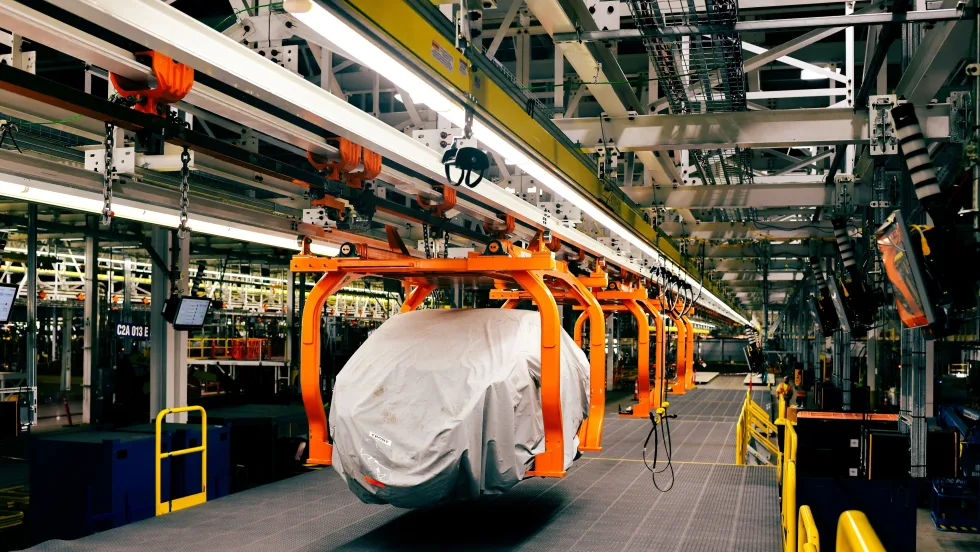
Ford Retools Louisville Plant for Fathom Electric Truck Production
Ford's $2 billion Louisville Assembly Plant overhaul introduces a three-part assembly process for the Fathom midsize electric truck, with production scheduled to begin in 2027.
Read More →
Merchants Fleet Reports 290M EV Miles as Fleets Navigate Changing Electrification Market
From millions in operating savings to hundreds of millions of EV miles, Merchants Fleet’s latest report reveals what’s working and what’s changing in fleet electrification.
Read More →
California District Commits to Electrify 25% of School Bus Fleet by 2028
One of the nation's largest school bus electrification projects to date demonstrates how grants, charging infrastructure, and public-private partnerships can help fleets transition to EVs at scale.
Read More →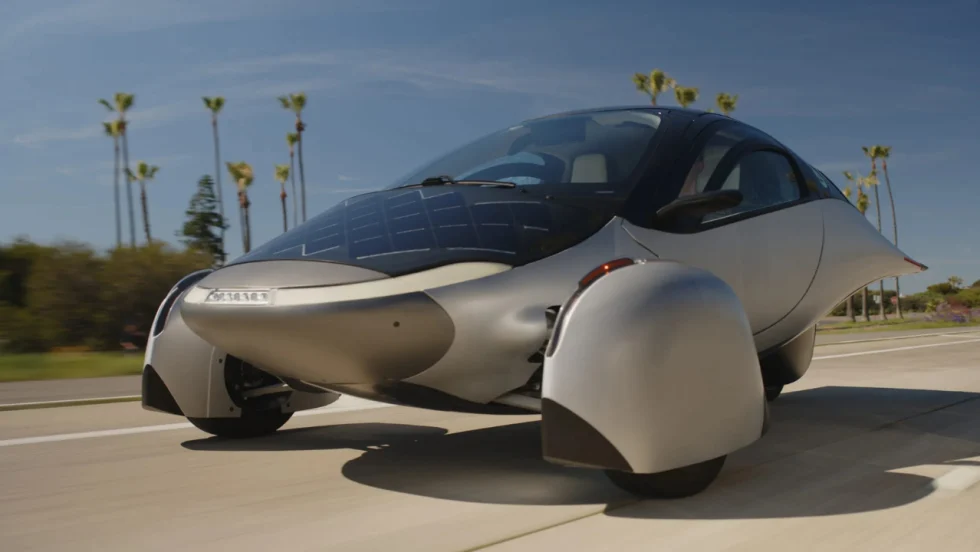
Aptera Orders Bodies and Chassis for Its First 40 Production Vehicles
Aptera Motors Corp. has issued purchase orders for the major structural components of its first 40 vehicles, and body and chassis components are expected to begin arriving in October.
Read More →