



Related: Which EVs Have the Lowest Total Cost of Ownership for Fleets?
How to Structure a Fleet Lease on a Tesla — and Not Get Burned
With rapid advances in battery tech, over-the-air software updates, and lack of market history, setting a residual value on a commercial fleet lease for an electric vehicle is not for the faint of heart. Doering Fleet Management has written hundreds of them.
October 14, 2019
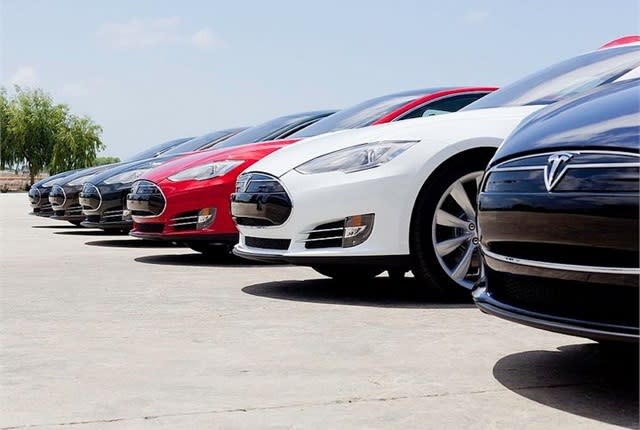
Independent of capitalized cost, EVs have a lower cost of energy and much lower maintenance expenses.
Photo via Tesla.
5 min to read
Remember when the first flat panel TVs cost $22,000, a desktop computer with a Pentium 4 processor retailed for $3,000, and Motorola’s StarTAC cell phone set you back a grand? You get a lot more bang for your buck today for these products at a much cheaper price.
This is an intrinsic issue when structuring a lease for an electric vehicle, says Adam Berger, president of Doering Fleet Management, which has written hundreds of EV leases. “An EV is really a technology product,” he says.
Advancements in battery technology, increases in EV production, and achieving economies of scale have affected EV pricing in ways not seen with internal combustion engine (ICE) vehicles.
Berger uses the example of a battery upgrade for the Tesla Model X, which brought a 60-kWh battery to 70-kWh through a software update. “How do you write a residual for that?” he says. “That's not something we can anticipate. That's never been done in the auto industry.”
Berger remembers when the Tesla Model S retailed for nearly $170,000, including $20,000 for Ludicrous Mode. “You can’t get that car past $115,000 today,” he says.
It’s easy to see how setting a residual for on EV on a 36-month lease is a moving target.
Yet as sales data flows from the secondary market and more battery-electric models come online at cheaper price points, the practice is becoming more refined. Berger claims that last year about 98% of Doering’s EV lease clients came out even or had equity at the end of their open-end leases, the type of lease Doering writes for EVs.
Still, fleet clients will see Tesla’s advertised retail lease and ask Berger to match the monthly payment. What they aren’t considering is the $5,000 down payment, restrictive yearly mileage cap, and unforgiving policy on damage. “Tesla doesn't want to buy back their cars or take trade ins that have accident history; they're resistant to do it,” he says.
Moreover, the Tesla lease isn’t available in many states and in most cases they’re non-recourse. Doering’s customers, however, have the right to buy the Tesla at lease end.
Through their captive finance arms, automakers have traditionally offered attractive (“subvented”) lease rates to get more product on the road. The same is true for EVs, however, “They don't necessarily work in the fleet world,” Berger says. “Mileage and damage come to roost in a fleet lease, so we build leases to anticipate actual use.”
Doering also structures leases for other popular EV models such as Nissan Leaf, BMW i3, and Chevy Bolt. But it’s the Teslas that hold their value, and brand equity has a lot to do with it.
“The (Tesla) Model 3 has by far the best residual value of any EV in the market right now,” Berger says. “It's a combination of inexpensive and highly desirable, and apparently reliable. It's generally got everything going for it.”
A Changing Market
Other EV models don’t offer the same return on value, therefore creating a lease payment that is disproportionately expensive to the cost of the vehicle. However, those models are good candidates to lease used. “You can get an unbelievable value leasing a used Nissan Leaf and BMW i3,” he says.
In a rapidly changing EV market, Berger sees other viable options on the horizon. He circles back to Tesla and its new Model Y, a compact crossover with a lower price point that could be attractive to pharma and other sales fleets.
He then mentions Rivian, the independent automaker producing an electric pickup and SUV. But would a $67,000 pickup from an automaker with no track record work for fleets?
Regarding formulating a lease at least, the answer is yes. Truck models such as a Ford F-150 Platinum do reach that price point. But again, it’s more about brand equity, which he believes Rivian can capture.
When the Model S first came out, it was 30% more expensive than top-end ICE models from competitors like Audi and BMW, Berger points out. “But it was 300% more evoking emotionally, and the customer feels that they are much closer to the future than the past.”
Independent of capitalized cost, EVs have a lower cost of energy and much lower maintenance expenses. As of now, however, the fleets that are into EVs see them more in terms of an affiliation with the future or their corporate commitment to the environment.
“Very few are talking about the fact that their normal fleet cycle of 80,000 to 120,000 miles, they'll be able to at least double that with electric cars,” Berger says.
In the near future, determining the return on value will be even more refined, as buyers will know the vehicle’s upgrades, how it was driven and maintained, and the efficacy of the battery.
Battery degradation has been considered as a big factor driving residual value projections. However, “battery degradation has been miniscule compared to the anticipated degradation,” he says.
With Doering’s portfolio of EVs at or near the 100,000-mile mark Berger has seen only single-digit battery degradation. What’s more, battery degradation is being offset in part with software upgrades and improving algorithms.
In that sense, it still comes back to technology.
“We've been through the first evolution of the EV,” Berger says. “I’m really worried about the revolution. What happens when the 800-mile battery is introduced and how does that affect (the market for) the EVs already on the road? That fear of technological obsolescence is much higher.”
Adam Berger will speak at the 2019 Fleet Forward Conference in San Jose. His address, “How to Structure an EV Fleet Lease,” will convene Nov. 12.
Originally posted on Automotive Fleet
Subscribe to Our Newsletter
More Suppliers
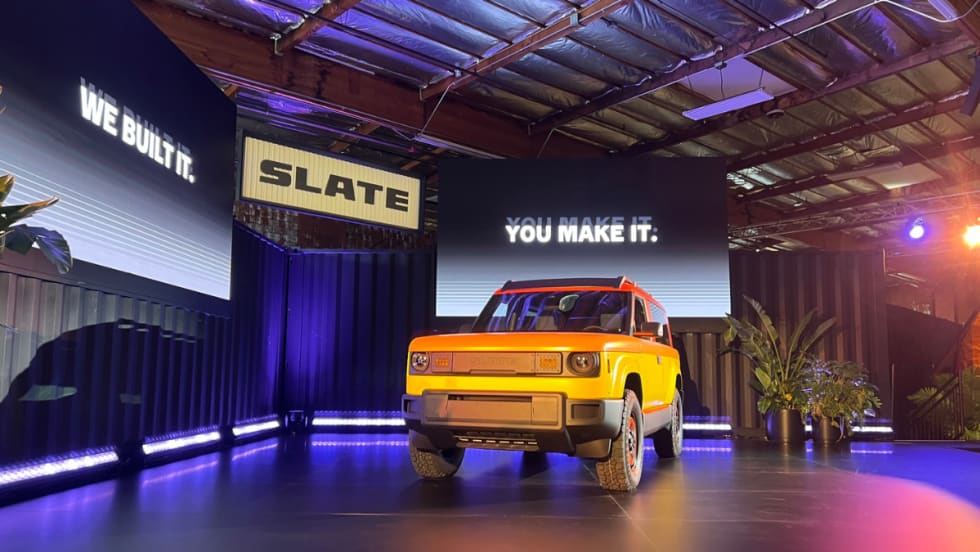
Slate Debuts Colorful, Unique EV Models
A recent media and client event, studded with electric vehicles dressed up on platforms, planted a new position for the manufacturer in the wider EV market. Fleets will find cost-saving advantages.
Read More →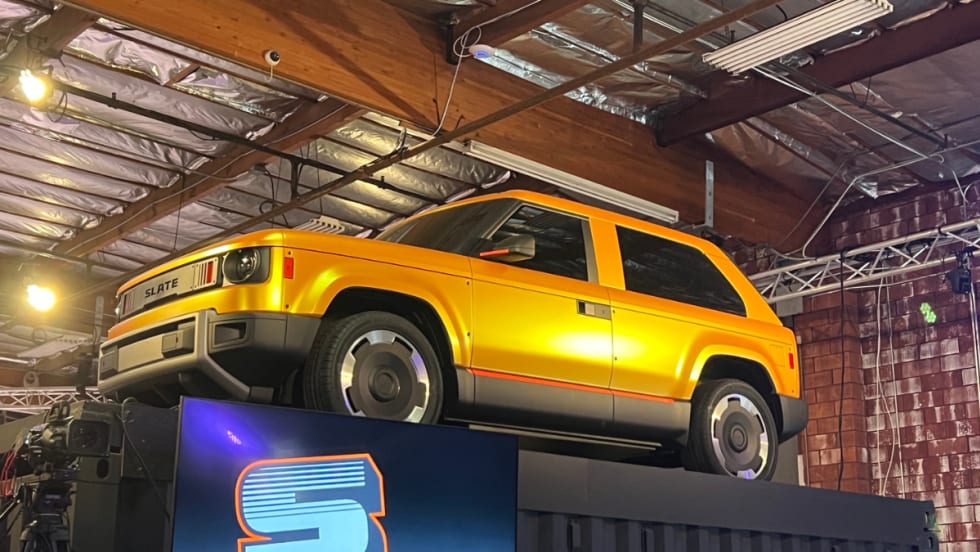
Slate Electric SUV, Pickup Switchable Model Aims For Light-Duty Fleets
Everything about this EV is counterintuitive and understated, making it stand out from the crowd.
Read More →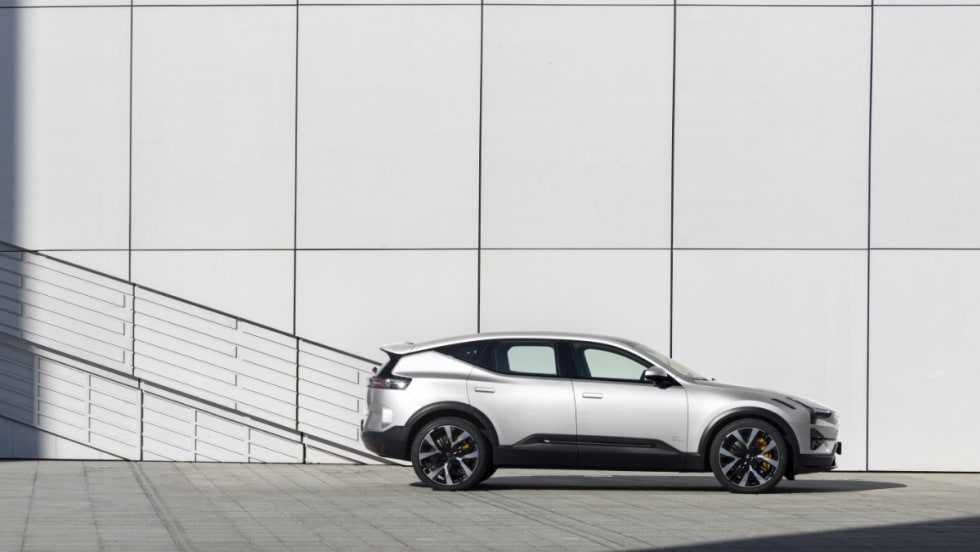
Polestar Barred from U.S. Market Under Connected Vehicle Rule
The automaker loses its authorization to sell new vehicles in the U.S., starting with the 2027 model year. Polestar owners will retain access to the brand's service network.
Read More →
Uber, Nuro and Lucid Plan Houston Robotaxi Service in 2027
The tripartite venture brings out the combined advantages of electric vehicles, mobility, and autonomy into ground transportation.
Read More →
Electrify America Opens EV Fast Charging Station in Southern California
The large-format depot features 20 hyper-fast chargers capable of delivering 350 kilowatts and is backed by a powerful battery energy storage system.
Read More →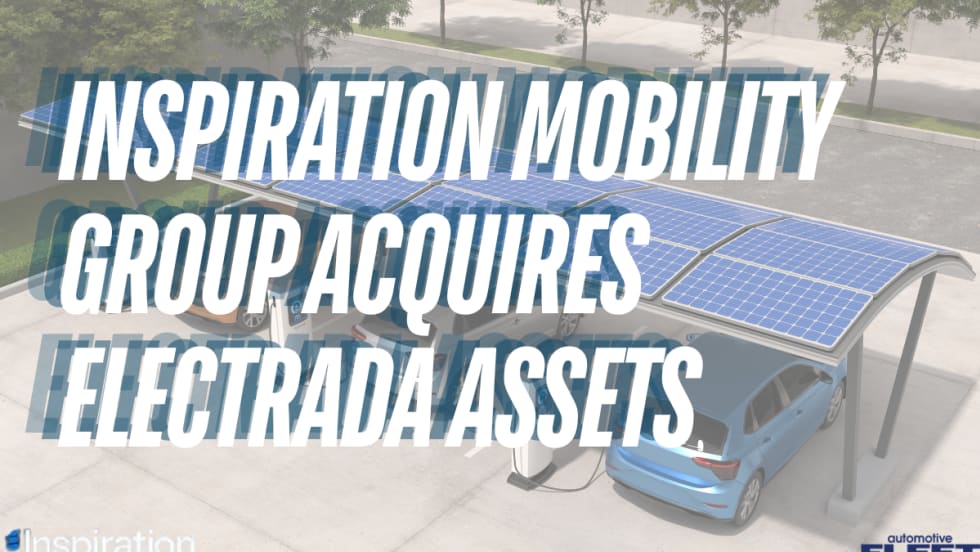
Inspiration Mobility Acquires Key Electrada Assets
Inspiration Mobility Group has acquired select assets of Electrada, adding the fleet electrification provider's team, technology, and charging infrastructure development capabilities to its energy management business.
Read More →
Lucid Adds Hands-Free Highway Driving, Software Updates To Gravity SUV
Hands-free drive assist makes highway driving more comfortable while keeping drivers attentive to the road.
Read More →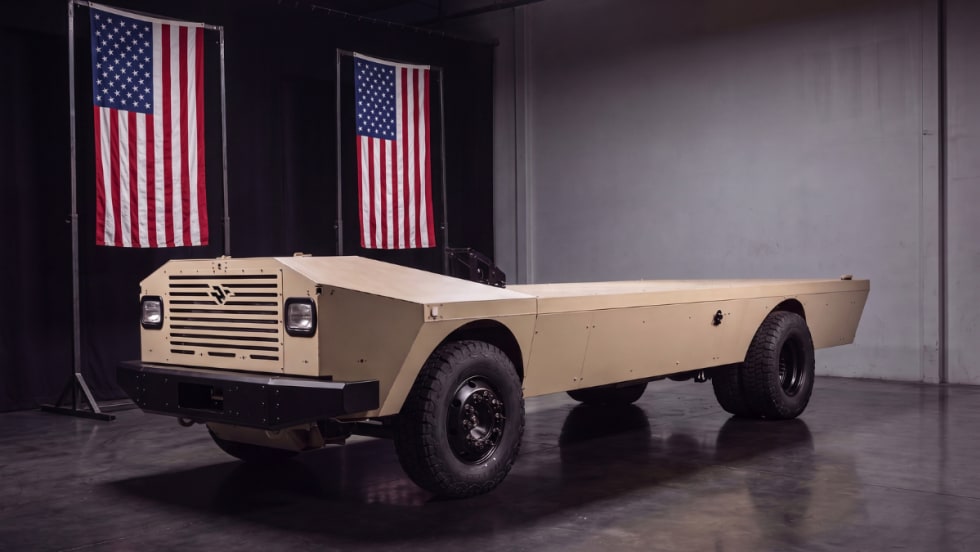
Harbinger Creates Hybrid-Electric Unmanned Vehicle Platform for Defense Use
The platform is based on the company's medium-duty plug-in hybrid chassis, which is also used in commercial vehicles.
Read More →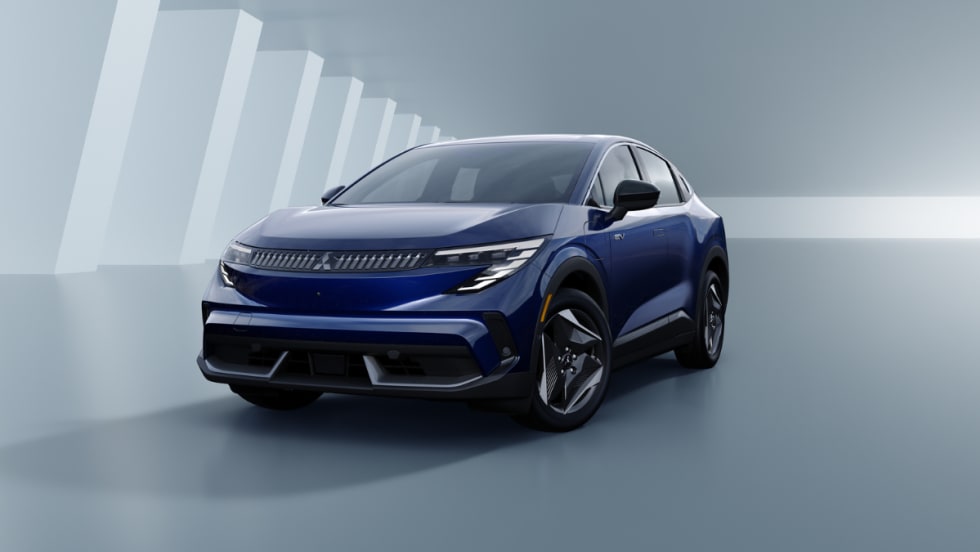
Mitsubishi To Debut All-Electric Eclipse Subcompact For North American Market
The 2027 Mitsubishi Eclipse Sportback is a small SUV that will go on sale by this fall.
Read More →
Stellantis To Build Smaller, Affordable EVs For European Market
Stellantis aims to expand access to urban EV mobility in Europe and address the decline in the smaller-vehicle segment.
Read More →