



Related: Van Pool Adds Tesla Model X SUVs
Green Commuter Offers Tesla SUVs to Vanpool Users
Through its proprietary technology, Green Commuter is giving its van pool users the ability to rent out their vehicles to neighboring companies that want to supplement their fleets with an additional vehicle during the day.
May 4, 2017
4 min to read

Photo of Tesla Model X SUV courtesy of Green Commuter.
During the morning and evening commute to and from work in Los Angeles County, a 30-mile-long commute that would take 30 minutes on a clear day, can easily transform into a 1.5 hour slog through bumper-to-bumper traffic.
Taking a look at population data offers a fairly simple reason for this: a lot of people live in the area. According to U.S. Census Bureau data, about 13 million of California’s 39 million residents live in L.A. County and bordering Orange County. That means that approximately one-third of California’s population is driving in the same general span of road.
For decades, vanpools have helped alleviate some of this congestion by collecting six to seven would-be drivers into one vehicle. In fact, observing this business, but wanting to do more to reduce carbon-dioxide emissions, is what spurred Green Commuter into launching the country’s first all-electric vanpool service earlier this year.
“We’re a technology company with a proprietary technology that helps us achieve full utilization of the vehicles we rent out for vanpool car sharing,” said Barton Sidles, director of corporate and business development. “What we’re trying to do is get full utilization where by a vehicle would be used for vanpool during the morning hours, and instead of sitting in the parking lot during the day, we repurpose the vehicle and allow access to our technology via our app for people to use it for car sharing or as a fleet replacement vehicle at a company.”
It all begins with finding six to seven people to form a vanpool. According to Sidles, a vehicle in Green Commuter’s fleet is not put into service until a vanpool is formed.
Once a vanpool is formed, the company then knows that vanpool’s end destination. Knowing where the car will be parked for most of the day, Sidles said, allows the company to determine which companies it should contact.
“Fleets have expressed interested, but we don’t confirm everything until we have the vehicle and we know where it is going,” said Sidles.
Green Commuter’s Fleet
When looking for the vehicle that it would use in its fleet, Green Commuter needed to find a vehicle that had the range to handle a typical L.A. County roundtrip commute of 94 miles and also have seven seats. It also needed to be all-electric. This set the company’s viable vehicle options to one: the Tesla Model X.
According to Sidles, Tesla was very receptive to Green Commuter’s business model, and provided plenty of support during the vehicle acquisition process.
The company was in discussion with Tesla for months, but it wasn’t until Michael Stafford, Tesla’s North American corporate sales manager, joined the company that the vehicle acquisition process really began in earnest.
In coordination with Stafford, Green Commuter submitted its first order to Tesla. During negotiations, the companies agreed that Green Commuter’s vehicles would receive slight customizations. These customizations would include a GPS that always stays on, and a second row that’s an inch further forward than stock models. Green Commuter also received access to Tesla’s API, which allows its vanpool users to lock, unlock, and start their Model X SUVs straight from Green Commuter’s mobile app.
Green Commuter’s initial order to Tesla was for 12 vehicles. So far, they’ve received three units and have nine more being delivered.
Green Commuter’s finance source finances 65% of a vehicle, and asks that Green Commuter cover the remaining 35%. Sidles said that their line of credit will cover 20 vehicles, which is how many the company plans to acquire for its fleet in the next two to six months.
So far, Green Commuter — which has also become the first car share company to be classified as a benefit corporation — has been awarded $2.3 million in grants and credits. The company has over approximately $5 million in grants that are pending, and is in the submission process for several more million dollars in grants.
“We would love to be at around 100 vehicles at the end of this year, depending on a lot of different things,” said Sidles. “We think there is a demand.”
He also specified that his company isn’t limiting its fleet to just Model X SUVs going forward.
“[The Model X] is a beautiful car but it’s an expensive car,” said Sidles. “If, and when, other electric vehicles come into the market that have seven seats, we will definitely be looking at them, because our idea is to provide the least expensive form of transportation, get cars off the road, and do it in a green matter.”
Topics:Battery-Electric VehiclesTesla Model XCarpoolingMobilityMobile Appsmobile appsVehicle Research
Originally posted on Automotive Fleet
Subscribe to Our Newsletter
More Vehicle Research
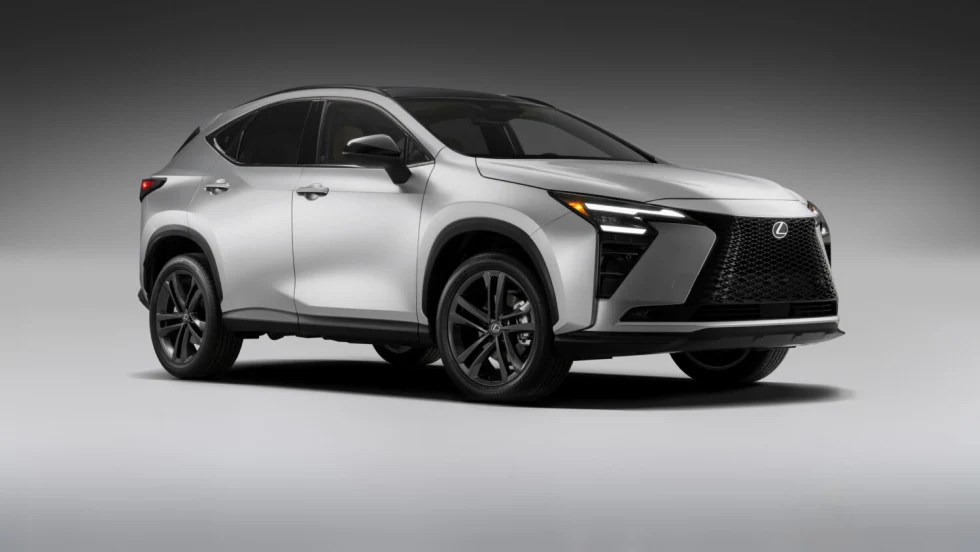
2027 Lexus NX Moves to Fully Electrified Lineup
For 2027, the NX moves to an entirely electrified lineup, with either hybrid or plug-in hybrid powertrains.
Read More →
2027 Mitsubishi Eclipse Sportback Named Green SUV of the Year
Green Car Journal recognized Mitsubishi’s new battery-electric crossover, which offers NACS compatibility and DC fast charging at up to 150 kW.
Read More →
Dave Carroll Named President of Ford Energy
Carroll succeeds Lisa Drake, who will remain with Ford through Dec. 31 to support the leadership transition.
Read More →
City of Long Beach Named No. 1 Green Fleet of 2026
NAFA's 2026 Green Fleet Awards recognized fleets for sustainability efforts spanning alternative fuels, technology, facilities, workplace culture and fleet operations.
Read More →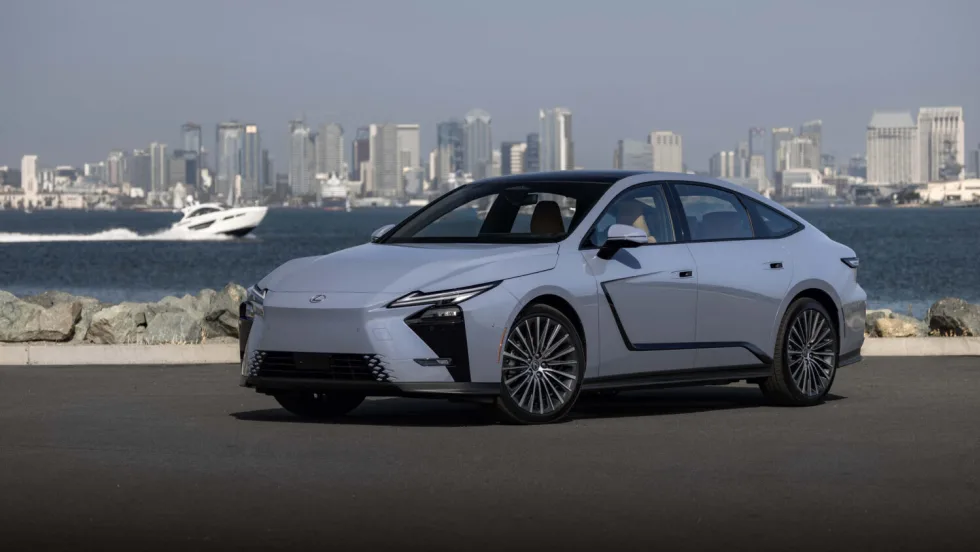
2027 Lexus ES Adds First Battery-Electric Models
The ES 350e and ES 500e join the hybrid ES lineup with up to 338 hp, an EPA-estimated 307 miles of range and standard NACS charging capability.
Read More →
EV Fleet Reality Check: What Operators Wish They Knew Before Electrifying Their Work Vans
Electric work truck upfits bring new compatibility questions. Learn how parts availability, OEM guidance, power demands, and route planning can affect fleet performance.
Read More →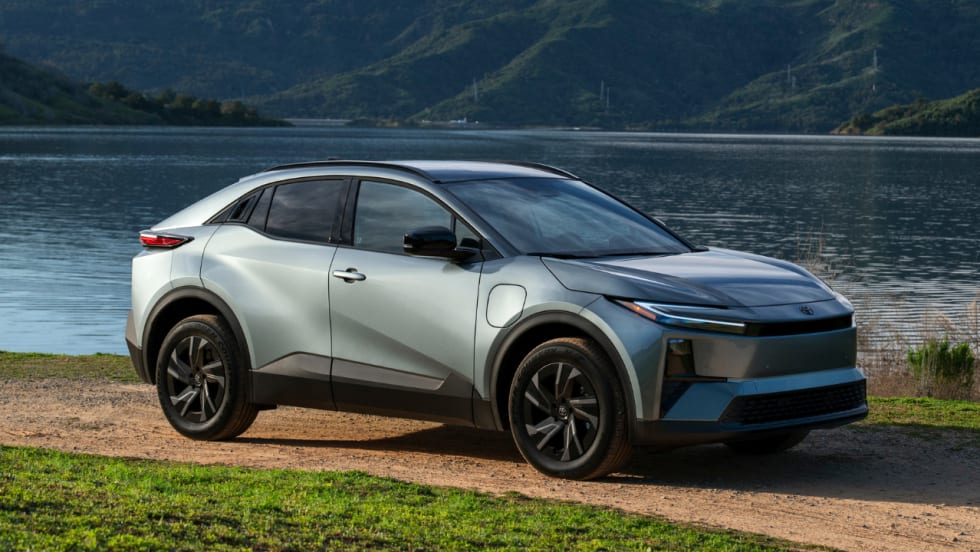
2027 Toyota C-HR Offers 287-Mile Range and Standard AWD
Toyota’s 2027 C-HR brings 287 miles of estimated range, standard all-wheel drive, and NACS fast-charging capability to the compact EV market. See what its mix of performance, cargo space, and everyday technology could offer business users.
Read More →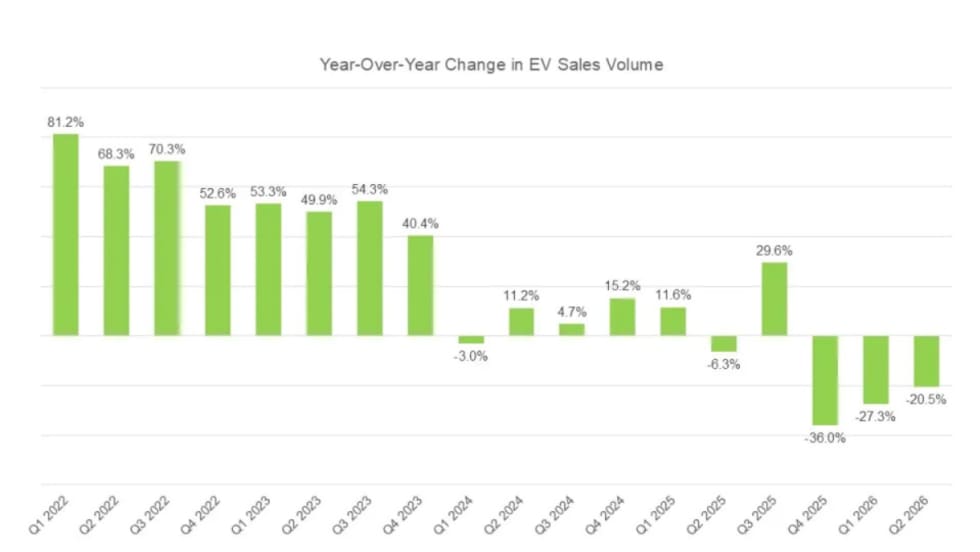
New Vehicle Models Stabilize Electrified Market In Q2
But more credit goes to hybrids than to all-electric vehicles, as more buyers look for fuel-efficient alternatives amid high gas prices.
Read More →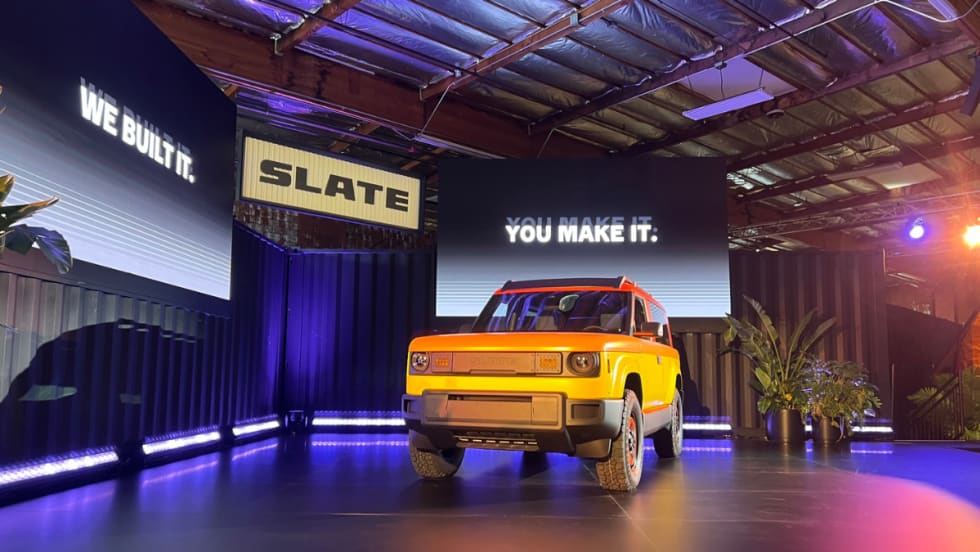
Slate Debuts Colorful, Unique EV Models
A recent media and client event, studded with electric vehicles dressed up on platforms, planted a new position for the manufacturer in the wider EV market. Fleets will find cost-saving advantages.
Read More →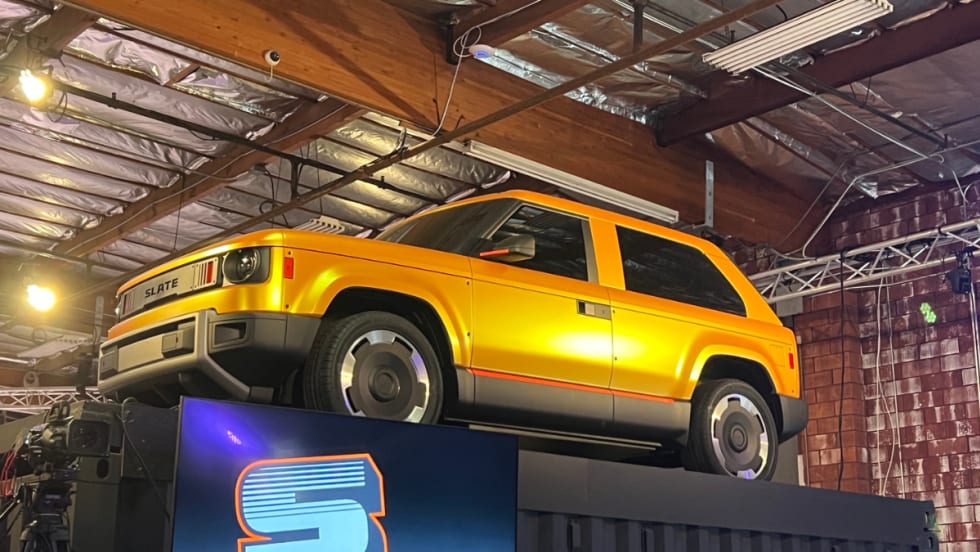
Slate Electric SUV, Pickup Switchable Model Aims For Light-Duty Fleets
Everything about this EV is counterintuitive and understated, making it stand out from the crowd.
Read More →