


For all the best practices in electrifying your fleet, check out our Electric Vehicle Buyer's Guide.
Fleet Electrification: A Cost and Benefits Analysis
It is vital for your company to analyze the benefits, costs, implementation factors, and more to ensure EV adoption is the next best step for your fleet.
by Ronnie Wendt
September 17, 2021
Sustainability and reduced emissions are among the top reasons companies implement EVs.
Photo via istockphoto.com/3alexd
2 min to read
As the adoption of electric vehicle fleets grows within the industry, some costs follow the benefits. Before responding to these changes as a company, consideration, and research of electric vehicles (EVs) is essential.
Going Green with EVs
Sustainability and reduced emissions are among the top reasons companies implement EVs. According to the United States Environmental Protection Agency (EPA), electric fleets can help reduce greenhouse gas and carbon emissions by converting energy five times more efficiently than a vehicle with an internal combustion engine. However, these eco-friendly vehicles will deliver much more than reduced emissions. EVs can cut your fuel costs, reduce maintenance needs, improve productivity, and more.
How EVs Save on Fuel and Maintenance Costs
As fuel costs spike nationwide—and because fuel is one of the highest operating costs for fleets, EVs are the next-best budget savers. With the adoption of EVs, fuel costs are pretty much nonexistent. Wakefield Research asked 300 fleet managers why they would purchase an electric vehicle, and over 44% said it would reduce fuel costs.
Additionally, EVs require less maintenance. There are only three types of fluids needed to run EVs: coolant, windshield washer, and brake fluids. EVs do not need oil changes, transmission flushes, or other engine fluid replacements. No need to worry about constant maintenance when EVs keep it simple.
The Costs of EVs
Although these benefits may sound promising, be sure to consider the costs of EVs that follow, such as the initial adoption cost that can be a financial burden. A single EV costs 10 to 40 percent more than a similar gasoline-only model. There also are some unknowns about EV battery life. These batteries aren't known to fail, but they do lose capacity over time. According to Geotab, battery life dwindles about one to three percent of capacity each year. This fact could threaten the longevity of a single EV's life.
Early electric vehicles lacked the range capacity, towing power, and storage capacities required by many fleet operations. Today vehicle manufacturers plan to release larger and even heavy-duty EVs with operating ranges over 300 miles. Yet, these plans are between seven to 10 years away from widespread use. This reality puts many fleets in a holding pattern for adoption.
Therefore, even though industry leaders may convey EVs as a glamorous and productive investment, there are always costs that come with the benefits. Be sure to do your research to decide what best reflects your company's needs before EV adoption. The next step is how to get started with EV adoption.
Originally posted on Automotive Fleet
Subscribe to Our Newsletter
More Electric Vehicles
EV Charging Use Is Outpacing Infrastructure Growth
ChargePoint’s 2026 Charging Forward Report points to rising charger use, higher-powered charging, commercial vehicle electrification, and energy-management technology. Here’s what fleets should know.
Read More →
EV Realty Names Henrik Holland President as Charging Platform Expands
The former Prologis Mobility and Shell executive will help expand EV Realty’s truck charging business and move its power-first infrastructure model into autonomous vehicle depots and other fleet sectors.
Read More →
GreenPower Expands New Mexico EV Pilot With Larger Buses, V2G Testing
After logging more than 17,000 electric miles in the first year, New Mexico’s statewide pilot is moving into its second phase with larger vehicles, continued charging evaluations, and more.
Read More →
Can EV-as-a-Service Help Fleets Scale Electrification?
Sustainability Partners CEO Adam Cain explains how matching EVs, charging infrastructure, and duty cycles can help fleets scale electrification.
Read More →
How EV-as-a-Service Is Moving Fleets Beyond Pilots
Adam Cain, president and CEO of Sustainability Partners, explains how EV-as-a-service can help fleets scale deployments by addressing duty-cycle requirements and charging challenges.
Read More →
PowerFlex, The Mobility House Join Forces to Advance Fleet Electrification
Two EV charging providers are joining forces to deliver a broader portfolio of energy management and fleet electrification solutions.
Read More →
Ford Retools Louisville Plant for Fathom Electric Truck Production
Ford's $2 billion Louisville Assembly Plant overhaul introduces a three-part assembly process for the Fathom midsize electric truck, with production scheduled to begin in 2027.
Read More →
Merchants Fleet Reports 290M EV Miles as Fleets Navigate Changing Electrification Market
From millions in operating savings to hundreds of millions of EV miles, Merchants Fleet’s latest report reveals what’s working and what’s changing in fleet electrification.
Read More →
California District Commits to Electrify 25% of School Bus Fleet by 2028
One of the nation's largest school bus electrification projects to date demonstrates how grants, charging infrastructure, and public-private partnerships can help fleets transition to EVs at scale.
Read More →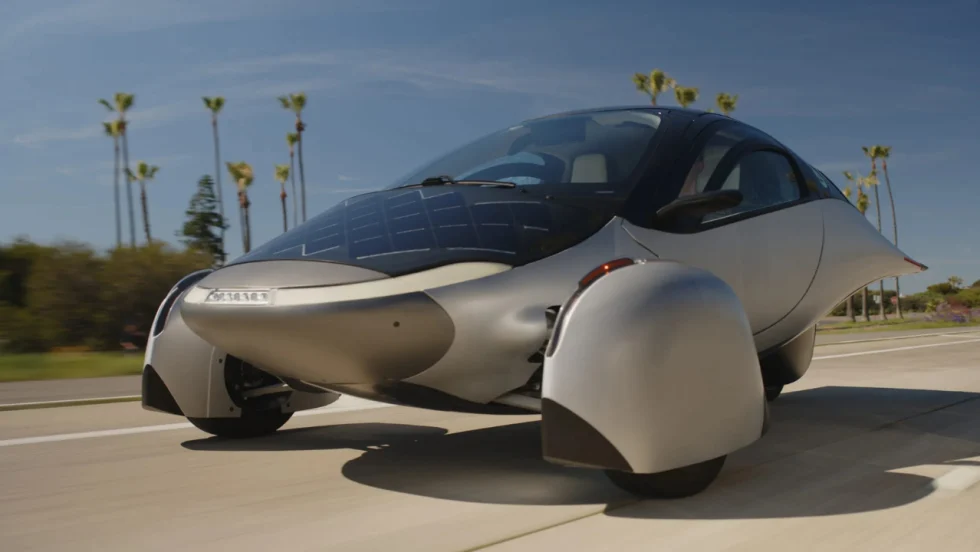
Aptera Orders Bodies and Chassis for Its First 40 Production Vehicles
Aptera Motors Corp. has issued purchase orders for the major structural components of its first 40 vehicles, and body and chassis components are expected to begin arriving in October.
Read More →