


EV Case Study: Gilead Sciences
Gilead's commitment to electrification started with an 80-unit pilot using a single EV model. The company’s fleet manager, SuYvonne Bell, shares early lessons learned and strategies to overcome the diverse challenges so far.


Every fleet has overcome the diverse challenges when itcomes to transitioning to EVs.
Photo: Automotive Fleet
Every fleet manager's story differs when transitioning to electric vehicles. While they come from different industries or use different vehicles, there is always information to be learned from sharing stories.
SuYvonne Bell, senior manager of U.S. fleet operations at Gilead Sciences, a research-based biopharmaceutical company, shared her stories and early lessons learned in the company’s electrification journey.
Gilead’s Progress Toward Electrification
The company is committed to electrifying its global fleet by 2030. It is a member of EV100, a global initiative bringing together forward-looking companies committed to accelerating the transition to electric vehicles.
In November 2023, Gilead Sciences launched its EV Pilot Program, placing approximately 10% of field-based employees in pure electric vehicles.
The journey started with input from sales leadership and the fleet governance committee, comprised of key stakeholders in legal, HR, and other departments.
The company chose one model, the Volvo XC40 Recharge, for the pilot. One vehicle model was chosen to gain enough apples-to-apples data for better vehicle and driver performance and duty cycle analyses.
The drivers were also already familiar with the brand, with the Volvo XC60 already on the selector for field leadership.
“The XC40 Recharge was an addition at the (sales) rep level,” Bell said. “The Volvo is considered a premium option. Fleet operations appreciates Volvo prioritizing passenger safety as a leading safe vehicle manufacturer. So that was a win/win.”
Another motivator was Volvo’s partnership with Tesla to use its charging network, which opens greater access to public charging.
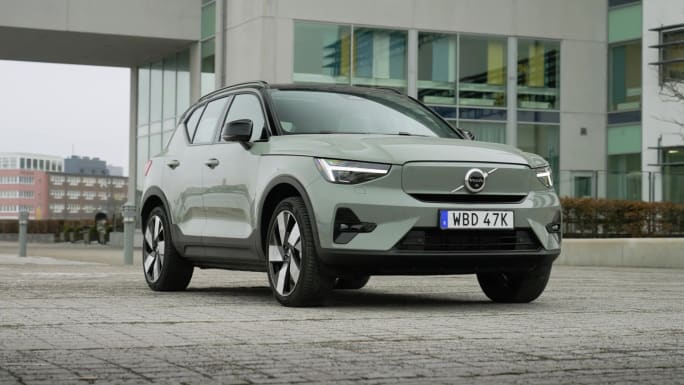
Gilead Sciences chose a single model, the Volvo XC40 Recharge, for its EV pilot. Using only one model will allow Gilead to gain enough apples-to-apples data for better vehicle and driver performance and duty cycle analyses.
Photo: Gilead Sciences
Challenges and Solutions for Sustainability
Bell conducted a driver survey prioritizing employee’s ability to accept a company provided level 2 home charger, public charger access, and territory size.
“The goal was to ensure that each driver's unique circumstances were considered, offering a tailored approach to electrification,” she said.
During Gilead Sciences’ electrification journey, unexpected challenges arose, including:
Diverse landscapes nationwide.
Varying regulations.
Rebates.
Utility costs.
Infrastructure.
Overcoming Electrification Barriers
The program incentivized driver participation by providing Level 2 home chargers and installations. For those drivers able to install a home charger, using either the fleet vendor’s provider or sourcing their own local installer, most installation cost were reasonable.
Bell’s fleet vendor offers drivers access to public charging via an RFID card compatible with public charging companies such as EVGo and ChargePoint.
However, she is sourcing and would like to to expand access to public charger stations that offer level 3 DC fast chargers such as Electrify America’s Level 3 charger network, which provides a full charge in 45 minutes to an hour.
Bell stressed that flexibility is important in any fleet journey.
“We continue to approach each challenge and provide innovative solutions to benefit those participating in the EV Pilot Program to overcome barriers," Bell said.
Originally posted on Automotive Fleet
More Electric Vehicles
EV Charging Use Is Outpacing Infrastructure Growth
ChargePoint’s 2026 Charging Forward Report points to rising charger use, higher-powered charging, commercial vehicle electrification, and energy-management technology. Here’s what fleets should know.
Read More →
EV Realty Names Henrik Holland President as Charging Platform Expands
The former Prologis Mobility and Shell executive will help expand EV Realty’s truck charging business and move its power-first infrastructure model into autonomous vehicle depots and other fleet sectors.
Read More →
GreenPower Expands New Mexico EV Pilot With Larger Buses, V2G Testing
After logging more than 17,000 electric miles in the first year, New Mexico’s statewide pilot is moving into its second phase with larger vehicles, continued charging evaluations, and more.
Read More →
Can EV-as-a-Service Help Fleets Scale Electrification?
Sustainability Partners CEO Adam Cain explains how matching EVs, charging infrastructure, and duty cycles can help fleets scale electrification.
Read More →
How EV-as-a-Service Is Moving Fleets Beyond Pilots
Adam Cain, president and CEO of Sustainability Partners, explains how EV-as-a-service can help fleets scale deployments by addressing duty-cycle requirements and charging challenges.
Read More →
PowerFlex, The Mobility House Join Forces to Advance Fleet Electrification
Two EV charging providers are joining forces to deliver a broader portfolio of energy management and fleet electrification solutions.
Read More →
Ford Retools Louisville Plant for Fathom Electric Truck Production
Ford's $2 billion Louisville Assembly Plant overhaul introduces a three-part assembly process for the Fathom midsize electric truck, with production scheduled to begin in 2027.
Read More →
Merchants Fleet Reports 290M EV Miles as Fleets Navigate Changing Electrification Market
From millions in operating savings to hundreds of millions of EV miles, Merchants Fleet’s latest report reveals what’s working and what’s changing in fleet electrification.
Read More →
California District Commits to Electrify 25% of School Bus Fleet by 2028
One of the nation's largest school bus electrification projects to date demonstrates how grants, charging infrastructure, and public-private partnerships can help fleets transition to EVs at scale.
Read More →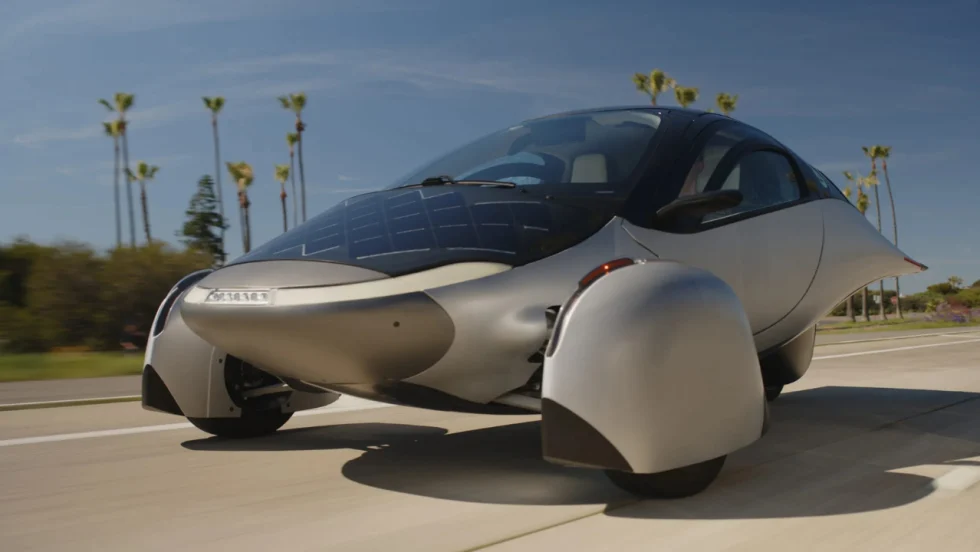
Aptera Orders Bodies and Chassis for Its First 40 Production Vehicles
Aptera Motors Corp. has issued purchase orders for the major structural components of its first 40 vehicles, and body and chassis components are expected to begin arriving in October.
Read More →