


Electric Scooters Aren’t Zero Emissions
Electric scooter may not directly emit emissions but do contribute greenhouse gases factoring in charging. However, they contribute 59% less CO2 per mile than the average car.

Photo via Flickr.
Electric Scooter Insider has unveiled that electric scooters may not be as good for the environment as they lead on to believe. The site reviews and recommends the best electric scooters to consumers and has uncovered the truth behind the real environmental impact of electric scooters.
Electric Scooter Insider calculated the CO2 per kilowatt-hour for delivered electricity and combined this with the time needed to charge an electric scooter to travel one mile.
This revealed the amount of CO2 released to produce the electrical charge needed to travel per mile on an electric scooter. The amount of CO2 released per mile was then multiplied by the total miles traveled to uncover the environmental impact in 2018.
Electric scooters may not directly emit emissions while being ridden but they do contribute to greenhouse gases once you factor in the environmental impact of charging the scooters.
Shared electric scooters, on average, take 6 hours to fully charge and have the battery power to be ridden for 20 miles. This equates to a charge time of 18 minutes per mile. Combined with the 487.37 grams of CO2 emitted per kilowatt-hour, the electricity needed to charge a scooter per mile results in the release of 146.21 grams of CO2.
There are more Americans riding shared micromobility devices today than at any point in the past. In fact, the National Association of City Transportation Officials revealed that 84 million trips were taken on shared micromobility in 2018, more than double 2017 figures. With the widespread popularity, 38.5 million of those trips were taken on electric scooters.
Electric scooter riders average 1.5 miles per trip and when combined with the 38.5 million trips, approximately 57.75 million miles were traveled on electric scooters in 2018. The extensive use of electric scooters has, therefore, had a direct impact on the environment resulting in the release of 9,308 tons of CO2, equivalent to the energy use of an average house for 650 years.
Although electric scooters contributed 9,308 tons of CO2 in 2018, this is far less than what the potential environmental impact could have been if electric scooters were not introduced. If those 57.8 million miles were completed by traditional transport methods (cars), the amount of CO2 emitted would be more than double (22,720 tons).
Despite not being a completely clean method of transportation, they contribute 59% less CO2 compared to the average car in America (356.91 grams of CO2 per mile of gasoline consumption).
Originally posted on Automotive Fleet
More Vehicle Research
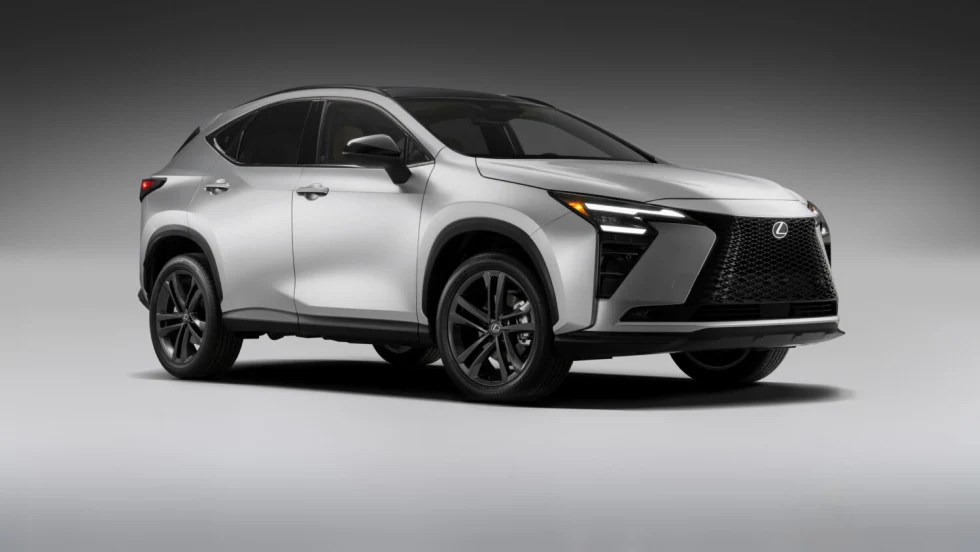
2027 Lexus NX Moves to Fully Electrified Lineup
For 2027, the NX moves to an entirely electrified lineup, with either hybrid or plug-in hybrid powertrains.
Read More →
2027 Mitsubishi Eclipse Sportback Named Green SUV of the Year
Green Car Journal recognized Mitsubishi’s new battery-electric crossover, which offers NACS compatibility and DC fast charging at up to 150 kW.
Read More →
Dave Carroll Named President of Ford Energy
Carroll succeeds Lisa Drake, who will remain with Ford through Dec. 31 to support the leadership transition.
Read More →
City of Long Beach Named No. 1 Green Fleet of 2026
NAFA's 2026 Green Fleet Awards recognized fleets for sustainability efforts spanning alternative fuels, technology, facilities, workplace culture and fleet operations.
Read More →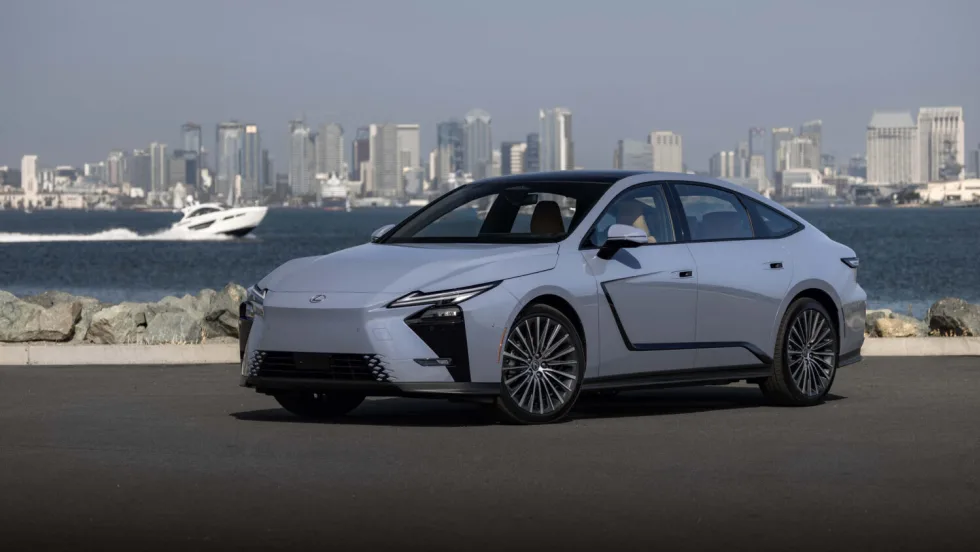
2027 Lexus ES Adds First Battery-Electric Models
The ES 350e and ES 500e join the hybrid ES lineup with up to 338 hp, an EPA-estimated 307 miles of range and standard NACS charging capability.
Read More →
EV Fleet Reality Check: What Operators Wish They Knew Before Electrifying Their Work Vans
Electric work truck upfits bring new compatibility questions. Learn how parts availability, OEM guidance, power demands, and route planning can affect fleet performance.
Read More →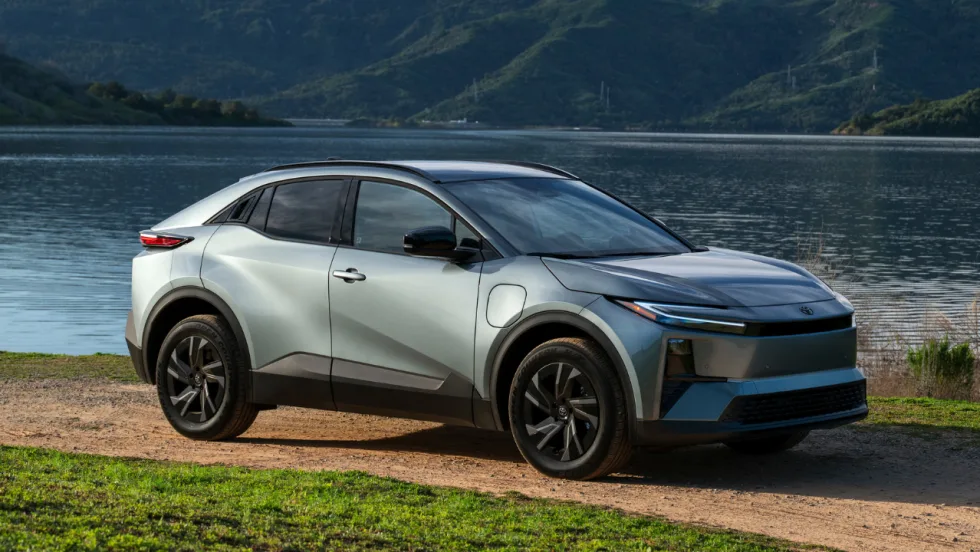
2027 Toyota C-HR Offers 287-Mile Range and Standard AWD
Toyota’s 2027 C-HR brings 287 miles of estimated range, standard all-wheel drive, and NACS fast-charging capability to the compact EV market. See what its mix of performance, cargo space, and everyday technology could offer business users.
Read More →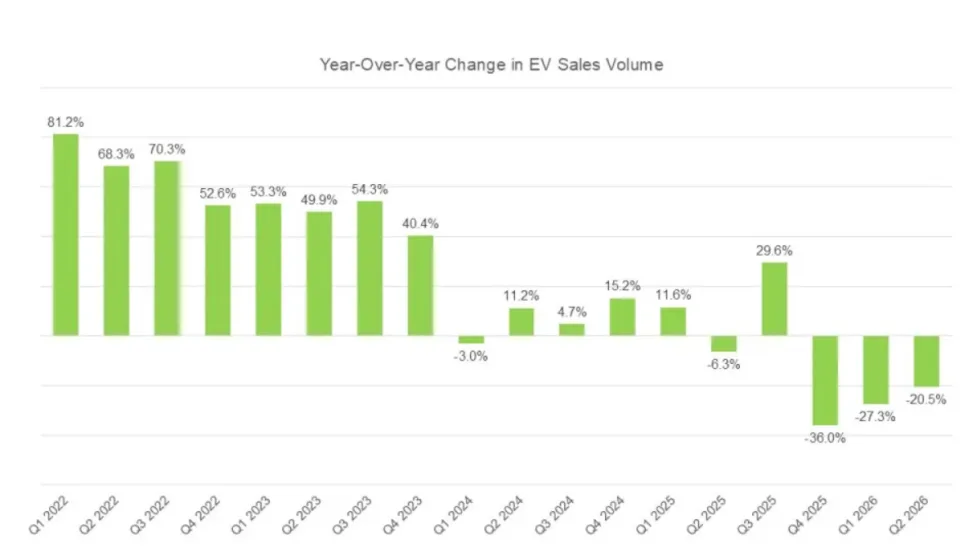
New Vehicle Models Stabilize Electrified Market In Q2
But more credit goes to hybrids than to all-electric vehicles, as more buyers look for fuel-efficient alternatives amid high gas prices.
Read More →
Slate Debuts Colorful, Unique EV Models
A recent media and client event, studded with electric vehicles dressed up on platforms, planted a new position for the manufacturer in the wider EV market. Fleets will find cost-saving advantages.
Read More →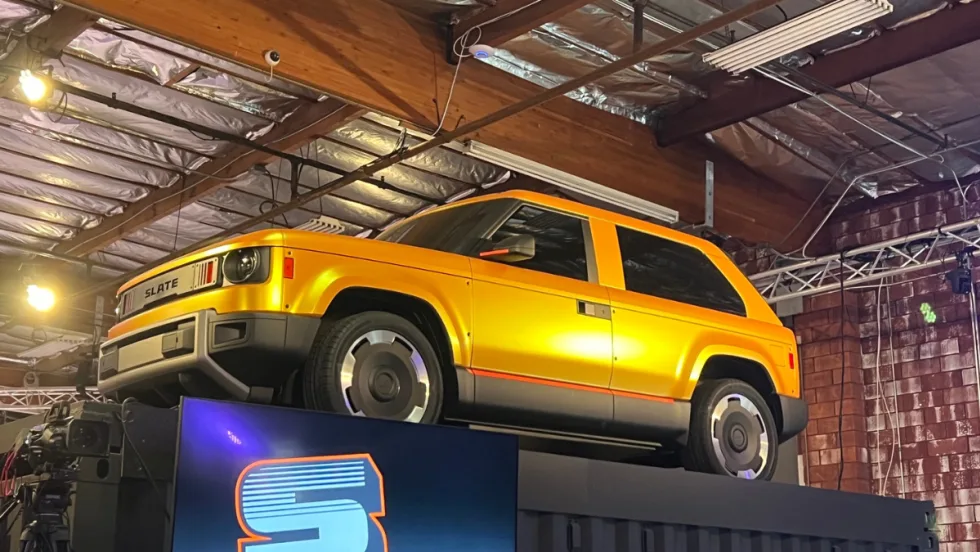
Slate Electric SUV, Pickup Switchable Model Aims For Light-Duty Fleets
Everything about this EV is counterintuitive and understated, making it stand out from the crowd.
Read More →