


Chrysler’s Ram 1500 PHEV Program Shows Positive Results
Green Fleet spoke with Abdullah A. Bazzi, Sr. Manager, Electrified Power Train Programs for Chrysler Group LLC, about the program’s progress and the company’s plan for the vehicles.

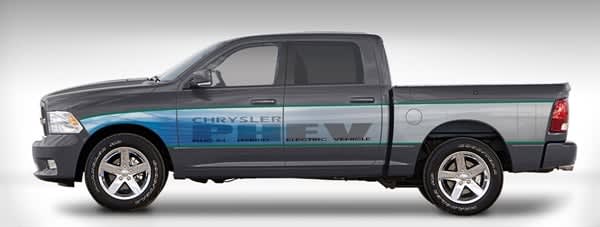
Earlier in 2011 Chrysler launched a demonstration program of 140 Ram 1500 plug-in hybrid electric (PHEV) pickup trucks. Since the program started, private- and public-sector fleets across the country have been testing the vehicles. Green Fleet spoke with Abdullah A. Bazzi, Sr. Manager, Electrified Power Train Programs for Chrysler Group LLC, about the program’s progress and the company’s plan for the vehicles.
So far, Chrysler has delivered vehicles to the City of Yuma, Ariz., San Francisco and Sacramento, Calif., Charlotte, N.C., Boston, Mass., Albany N.Y., and Auburn Hills, Mich. Houston-based utility CenterPoint Energy is testing the trucks and, according to Chrysler, seven other fleets across the U.S. are scheduled to receive models for testing.
“There are a variety of vehicle uses the partners are engaged in; some are using them to replace existing fleet vehicles for transportation and commuting; some are being used as police vehicles, some for water meter readings,” Bazzi explained. “The variety of drive cycle, both city and highway, will give Chrysler invaluable data on a daily basis.”
Chrysler’s Bazzi said the project was submitted in April 2009 as part of a U.S. Department of Energy (DOE) American Reinvestment and Recovery Act grant program, and work started in September 2009.
“Chrysler believes this project is an enabler to demonstrate the technology for eventual production capabilities in a number of vehicle applications,” Bazzi said.
The automaker has used the funds to develop and demonstrate a range of industry-first electric vehicle technologies as part of this project. Two examples include the first V-8 ATPZEV engine and 6.6 Kw AC power generation.
“Chrysler has a number of technologies that are being implemented on this project, ranging from the ATPZEV engine performance, thermal management of the battery under extreme conditions, AC power generation, smart grid communication, and reverse power flow,” Bazzi said. “Out of all of these technologies, some are breakthroughs in the industry. Also, we have a NAVTEQ map-based system on a number of vehicles that will enable fuel-economy improvements as well as a front axle disconnect switch that will allow the vehicle to switch to 2WD, without driver intervention, under certain drive conditions.”
Bringing all of these technologies together in the pickup, while providing a level of performance that meets the needs of its users, has been a challenge, according to Bazzi, but one that Chrysler has met.
“The integration of the different elements of the PHEV system presented a challenge to optimize the performance of the engine and the Li-Ion Battery thermal management system, the battery’s performance under extreme weather conditions, meeting the ATPZEV emissions requirements, and the calibration of the system’s drivability,” he said.
Based on the current tests, the vehicles are performing well in the extreme conditions in which fleets are driving them. Bazzi said Chrysler is monitoring each vehicle via a cell-linked data recorder module and is receiving regular feedback from its fleet partners on fuel economy, usage cycle, maintenance schedule, and overall vehicle performance.
“So far, the key metrics of the project are being met with respect to vehicle operation, fuel used, and charging capability,” Bazzi said.
Chrysler’s Bazzi said that since the automaker announced the program, fleets across the U.S. are interested in the vehicles.
“We have received numerous requests to place vehicles with utility companies, fleets, transportation, government agencies; since the program scope is limited to 140 vehicles, we will not be placing additional vehicles,” Bazzi said.
Although the automaker doesn’t plan to place any vehicles in addition to the currently planned 140 units with fleets, Chrysler definitely sees potential for this type of vehicle in the fleet marketplace based on the program’s results.
“Based on the feedback and the reviews, we feel this technology has the potential acceptance by fleets; the utility of the Ram truck yields an ideal vehicle for fleet applications,” Bazzi said.
By Greg Basich
Originally posted on Automotive Fleet
More Electric Vehicles

EV Charging Use Is Outpacing Infrastructure Growth
ChargePoint’s 2026 Charging Forward Report points to rising charger use, higher-powered charging, commercial vehicle electrification, and energy-management technology. Here’s what fleets should know.
Read More →
EV Realty Names Henrik Holland President as Charging Platform Expands
The former Prologis Mobility and Shell executive will help expand EV Realty’s truck charging business and move its power-first infrastructure model into autonomous vehicle depots and other fleet sectors.
Read More →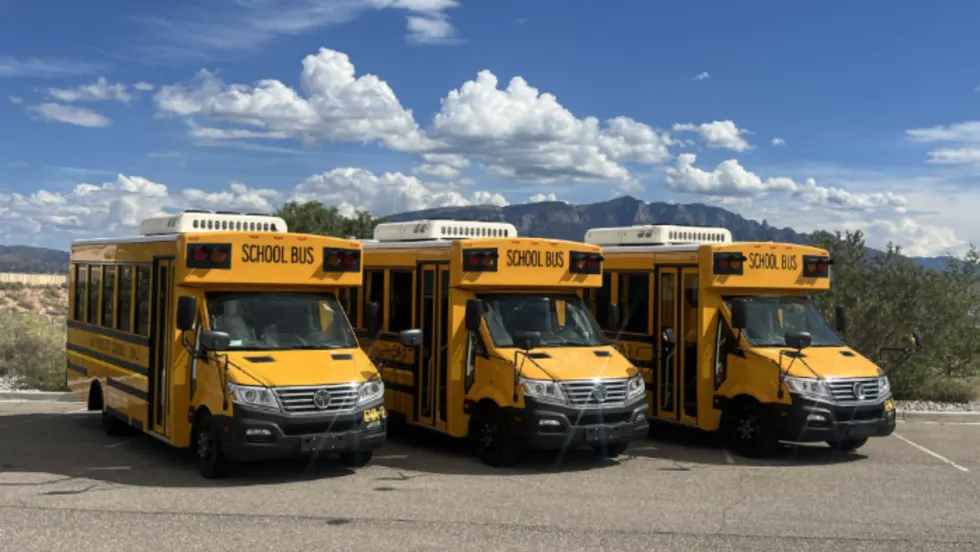
GreenPower Expands New Mexico EV Pilot With Larger Buses, V2G Testing
After logging more than 17,000 electric miles in the first year, New Mexico’s statewide pilot is moving into its second phase with larger vehicles, continued charging evaluations, and more.
Read More →
Can EV-as-a-Service Help Fleets Scale Electrification?
Sustainability Partners CEO Adam Cain explains how matching EVs, charging infrastructure, and duty cycles can help fleets scale electrification.
Read More →
How EV-as-a-Service Is Moving Fleets Beyond Pilots
Adam Cain, president and CEO of Sustainability Partners, explains how EV-as-a-service can help fleets scale deployments by addressing duty-cycle requirements and charging challenges.
Read More →
PowerFlex, The Mobility House Join Forces to Advance Fleet Electrification
Two EV charging providers are joining forces to deliver a broader portfolio of energy management and fleet electrification solutions.
Read More →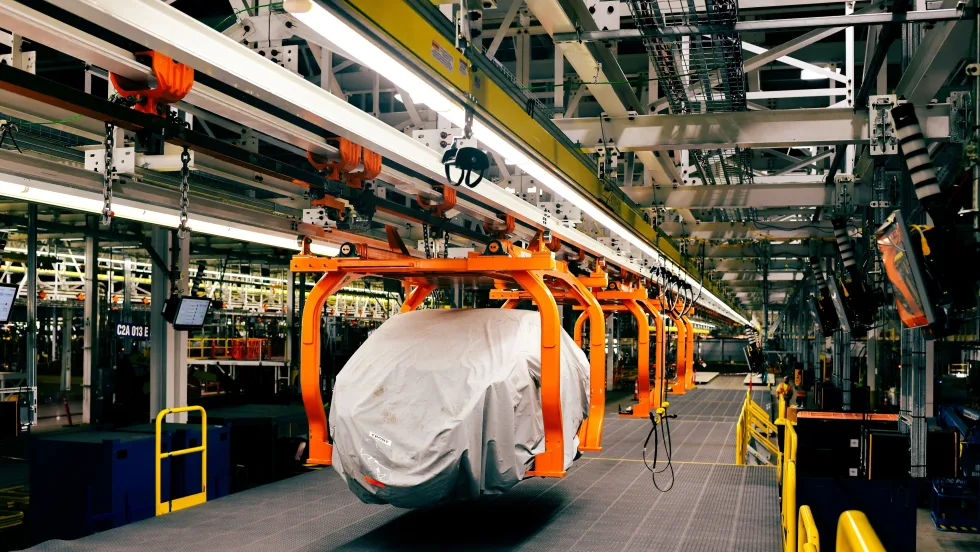
Ford Retools Louisville Plant for Fathom Electric Truck Production
Ford's $2 billion Louisville Assembly Plant overhaul introduces a three-part assembly process for the Fathom midsize electric truck, with production scheduled to begin in 2027.
Read More →
Merchants Fleet Reports 290M EV Miles as Fleets Navigate Changing Electrification Market
From millions in operating savings to hundreds of millions of EV miles, Merchants Fleet’s latest report reveals what’s working and what’s changing in fleet electrification.
Read More →
California District Commits to Electrify 25% of School Bus Fleet by 2028
One of the nation's largest school bus electrification projects to date demonstrates how grants, charging infrastructure, and public-private partnerships can help fleets transition to EVs at scale.
Read More →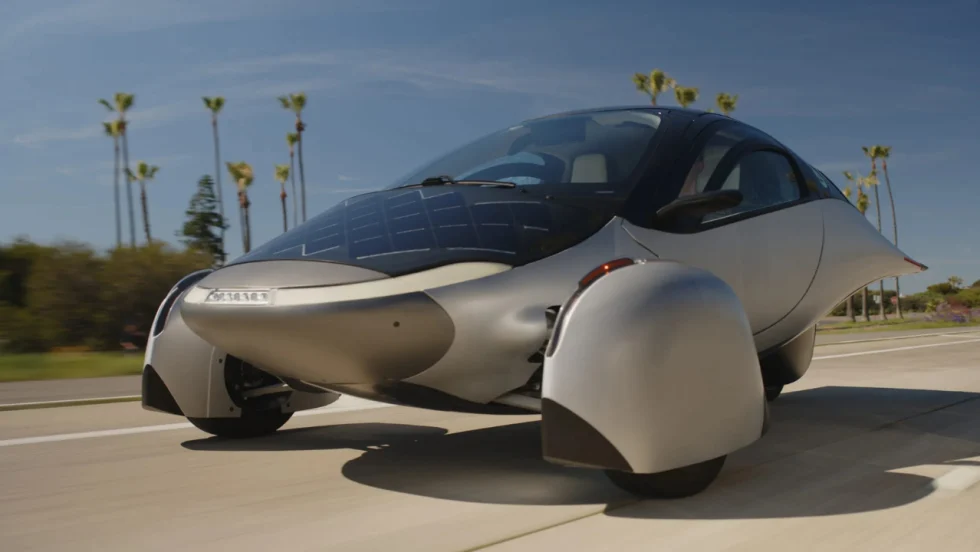
Aptera Orders Bodies and Chassis for Its First 40 Production Vehicles
Aptera Motors Corp. has issued purchase orders for the major structural components of its first 40 vehicles, and body and chassis components are expected to begin arriving in October.
Read More →