


Changes are Coming to Commercial Electric Vehicle Fleets
Today, companies of all sizes are deploying electric vehicles throughout their fleets. As these programs mature, key milestones need to occur as society decarbonizes commercial road transportation.

By 2030, California expects to have five million zero-emission vehicles on the road part of the state's grander vision to decarbonize the broader transportation sector, which accounts for 40% of greenhouse gas emissions and 80-90% of smog-forming pollutants.
Photo by Chris LeBoutillier from Pexels
When history looks back on the 2010-2020 decade, it's likely to view it as the start of the electric heckle boom. In 2019 alone, consumer vehicles grew 81%, and company and municipal vehicles rose 66%.
Today, companies of all sizes are deploying electric vehicles throughout their fleets, from mass transit, shuttle, and school buses, to delivery companies such as USPS, FedEx, and Amazon.
As these programs mature, key milestones need to occur as society decarbonizes commercial road transportation.
1. Decarbonization: More States Following California’s Lead to Decarbonize Transportation
By 2030, California expects to have five million zero-emission vehicles on the road. This directive also sets a statewide goal for public transit agencies to transition to 100% zero-emission bus fleets by 2040. The regulation is part of the state's grander vision to decarbonize the broader transportation sector, which accounts for 40% of greenhouse gas emissions and 80-90% of smog-forming pollutants.
Already we see other states and cities following California's lead. Bloomberg New Energy Finance reports there are roughly 650 e-buses on U.S. roads today more than double the 300 it counted last year. Based on current pledges by states, cities, and urban transit agencies, the nation's public transit buses are on track to be at least 30% electric (approximately 21,000) by 2045, that's according to a report from the U.S. Public Interest Research Group (U.S. PIRG).
Maryland is directing all school buses to be electric by 2022. Meanwhile, Massachusetts' goal is to have 300,000 EVs on roadways by 2025, with plans to introduce more EV fleets for public vehicles. By that same year, Chicago wants to ensure EVs make up 25% of all vehicles on its roadways. Five years after that, in 2030, Seattle is among 30%. By 2035, Los Angeles pledged to shift to all-electric public buses and pledged to electrify its garbage truck fleets. Smaller cities are also getting in on electrification with regions like Wichita, Kan.; Portland, Maine; Gulfport, Miss.; and others securing grant funding for their first electric bus purchases.
The goals these states and cities have set is only the beginning. Expect this trend to continue over the next decade as school districts and municipal pilot programs transform into full deployments and statewide policies to push the transition as battery prices drop, and organizations realize cost savings related to fueling and maintenance.
2. Technology: Advancements in Modeling and Tracking
Since electric bus demand is outpacing production, it's only a matter of time before we begin seeing growth in software that allows commercial fleet operators more visibility in routing and cost savings in their EVs. Managing an electric fleet can be quite different from operating one based on liquid fuels.
Fleet managers have to track routing, ensure vehicles are charged, as well as track the time-of-use to ensure they are not overpaying for electricity during peak times when electricity demand is high.
While there are companies that offer platforms that allow this type of visibility today, by 2030, expect fleet operations to go even deeper, especially when it comes to real-time monitoring and automation. The software will model depots, and track trends such as real-time charge and schedule tracking, and fuel cost per time period, maintenance schedules, charge order, and more.
These automated tools will save operators time, and allow them to reinvest in areas such as driver training or merely growing the business.
3. Standards: Agreement on Universal Metrics
For electric transportation to scale the entire ecosystem needs to speak the same language. Today there is little unification in terminology, metrics, and reporting. Dollar-per-gallon, dollar-per-mile-driven, and dollar-per-mile and per-pound are all common metrics traditional diesel fleets use today. However, if cities and states are to meet their goals by 2030 and beyond, the industry must adopt universal metrics that everyone can use to track can benchmark success.
An example of this is the Dollar-Per-Gallon-Equivalent (DPGe), developed by AMPLY Power. It's one effort to provide operators with an apples-to-apples cost comparison for diesel vs. electric fleets and an example of how to establish methods for making the comparison of fueling and charging costs simpler and more straight.
As fleets continue to mainstream electric vehicles into their operations, expect to see the industry continue to make advancements towards standardization surrounding measurements and metrics.
4. Energy: Utilities Promoting Fleet Electrification to Ensure Manageable Load Growth
In October 2019, Pacific Current, a subsidiary of Hawaii Electric Company, offered end-to-end charging management services to customers looking to electrify their business fleets. The utility realized navigating utility demand charges and properly routing vehicles to the only charge on the cheapest energy available is challenging for fleet operators and sought to simplify the process.
On the mainland, San Diego Gas & Electric is working with the Port of San Diego to install chargers for electric medium-duty and heavy-duty vehicles, as well as forklifts. Dominion Energy is partnering with Virginia school districts to utilize electric school buses. Similarly, Austin Energy partnered with a school district to install chargers and add an EV education component for students.
When utilities support customers with charging solutions and third-party services, it dispels the mystery, removing the complexity that many operators feel when making the transition to electric.
By 2030, expect the majority of large utilities in large population centers to have an electrification strategy at the very least, with the savviest players offering a variety of incentives or even in-house charging services.
5. Mobility: E-Mobility and Smart Cities Built Out
Connected devices are revolutionizing our lives and evolving how cities operate, and citizens utilize services. Globally, cities are implementing Internet of Things (IoT) technology, fifth-generation mobile networks, and artificial intelligence technologies to cut traffic congestion, improve public safety, and protect the environment.
As more cities plan for electric buses, and Amazon, DHL, FedEx, and more ordering electric fleet vehicles, it's only a matter of time before our communities are filled with more electric public transport, charging stations, and other emerging technology. Transportation demand management (TDM) plays a crucial role in the strategy of commercial electric vehicle fleets and how they interact with the broader smart city strategy.
The challenge for city planners and employers is how to optimize electric vehicles offering a public or city service to ensure citizens use new technology and options in safe and sustainable ways. While smart mobility often relies on technology, it is critical to develop and implement thoughtful programs and policies to support it.
It's the promise of autonomous vehicles and e-mobility that they will lead to safer roads and more efficient use of energy resources. However, they might also require new forms of maintenance, fueling and servicing, and regulations.
As we watch the demand and implementation of EV fleets grow, it's encouraging to know that it's only the beginning of a more abundant and cleaner future. We look forward to watching continued growth in EVs and surrounding technology and operations.
About the Author: Vic Shao is a serial entrepreneur and CEO of AMPLY Power. The Charging-as-a-Service company de-risks and accelerates the adoption of electric-powered bus and truck fleets.
Originally posted on Work Truck Online
More Operations

The EV Breakdown Nobody's Talking About: Why Most Electric Vehicle Roadside Calls Aren't Mechanical Failures
Here's why EV breakdowns are widely misunderstood.
Read More →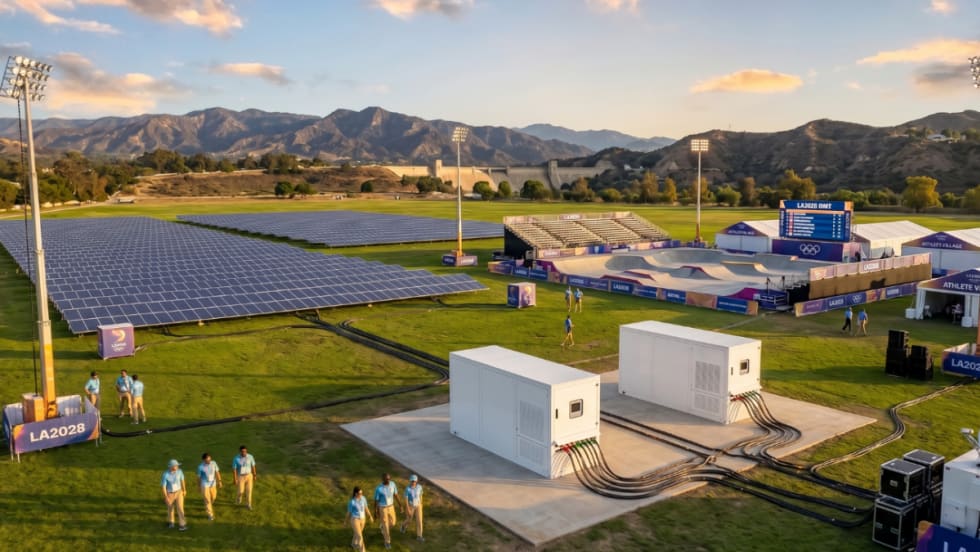
Xos White Paper Asserts LA Olympics Will Lack Enough EV Chargers
The commercial EV fleet company recommends some faster and more flexible remedies to relieve the anticipated shortfall.
Read More →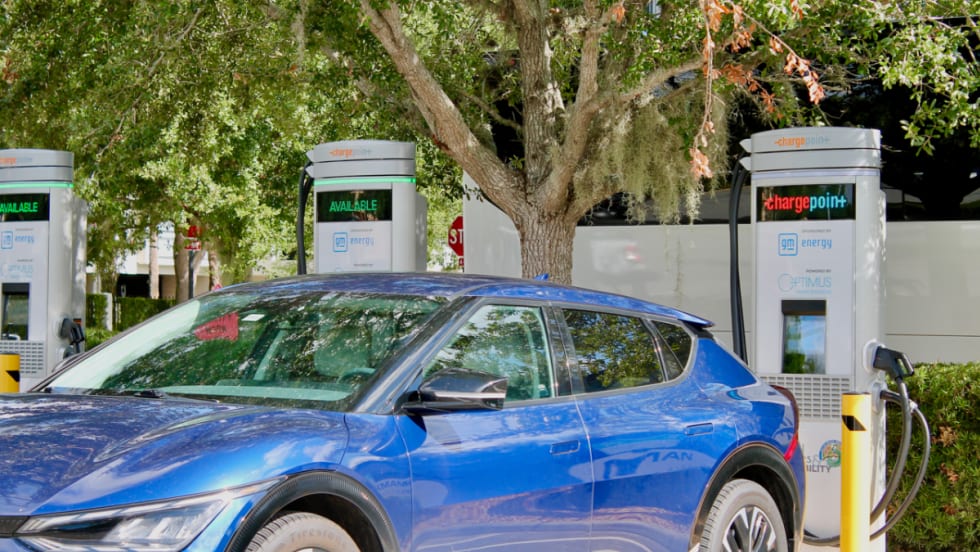
ChargePoint, Optimus Expand Fast-Charging Network Across Southeastern U.S.
ChargePoint will serve as the exclusive solutions provider, delivering hardware, software, and services to support Optimus’ growing charging network.
Read More →
Running A Profitable Electric Rental Fleet
How do you successfully operate an all-electric rental car fleet? Whether you manage a rental fleet or another commercial fleet, this conversation offers practical lessons on deploying, operating, and scaling electric vehicles.
Read More →
Registration Opens for 2026 Fleet Forward Conference
Held on the East Coast for the first time, the Washington, D.C.-area event features expert-led education, a new IIHS Crash Test Experience, and collocation with the NAFA’s Fleet Safety Symposium.
Read More →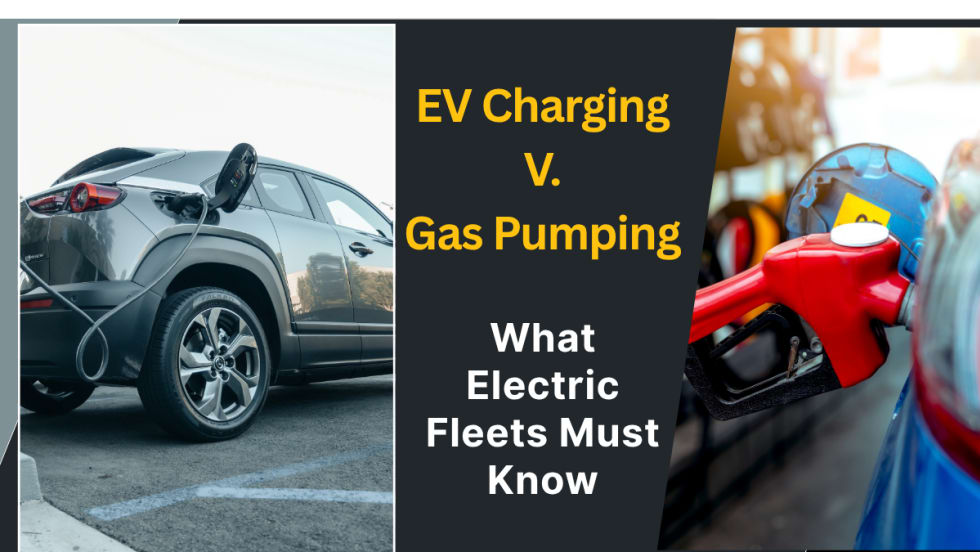
Why Charging May Never Be As Easy As Filling Up Gas
A seamless charge depends on a string of independent companies getting it right together, every time. How can electric fleets navigate the challenges to create a successful charging plan?
Read More →
Slate Debuts Colorful, Unique EV Models
A recent media and client event, studded with electric vehicles dressed up on platforms, planted a new position for the manufacturer in the wider EV market. Fleets will find cost-saving advantages.
Read More →
Slate Electric SUV, Pickup Switchable Model Aims For Light-Duty Fleets
Everything about this EV is counterintuitive and understated, making it stand out from the crowd.
Read More →
Polestar Barred from U.S. Market Under Connected Vehicle Rule
The automaker loses its authorization to sell new vehicles in the U.S., starting with the 2027 model year. Polestar owners will retain access to the brand's service network.
Read More →
Uber, Nuro and Lucid Plan Houston Robotaxi Service in 2027
The tripartite venture brings out the combined advantages of electric vehicles, mobility, and autonomy into ground transportation.
Read More →