


Black & Green
The chauffeured transportation industry must insist on having its cake and eating it, too: maximum luxury in alternative fuel vehicles — and more oil.

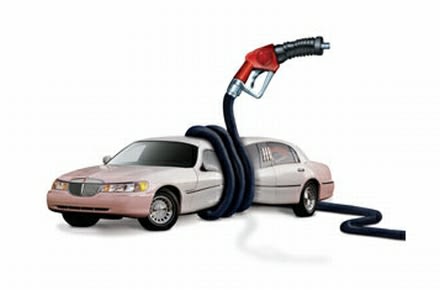
Transportation sectors across the board have been upended by stratospheric gas prices and the push for greener fleet vehicles. The double-whammy of higher immediate operating costs and the rush to plan for and buy more expensive greener vehicles leaves many limousine and chauffeured vehicle companies reeling.
A few months ago, the top executives of 12 airlines sent a signed letter to their customers urging them to support curbs on oil speculation and contact their Congressional representatives. It was an attempt to connect with customers while explaining one reason for higher ticket prices. But given the hostility of many passengers to airlines for delayed flights, crowded seats, and missed baggage, we doubt many of them will heed a letter from airline executives, no matter how worthwhile the message.
While chauffeured transportation companies enjoy a much friendlier relationship with their clients than do airlines with their customers, talking to customers is not what’s called for. Taking a cue, the top executives in the chauffeured industry should sign and send letters going on record on two fronts:
1) Ask Detroit automakers to speed up and get more serious about building large luxury green vehicles that go beyond the short-term band-aids of hybrid and corn-based ethanol vehicles;
2) Insist that oil company executives free up more of their companies’ record profits for aggressive domestic oil exploration and drilling.
Why the seemingly contradictory stands? Because the realities of America’s transportation future demand the development of the most diverse resources possible. Bottom line: We can’t live on fossil fuels alone; nor can we live without them.
A letter to Detroit automakers should point out that the chauffeured transportation industry eagerly expects and needs large luxury vehicles no longer held hostage to gas pumps. Those vehicles must run on hydrogen, natural gas, propane, clean diesel, electricity, a more advanced hybrid, or some alternative still being concocted in a lab.
Ethanol/flex fuel vehicles save very little in the way of gas costs or emissions, and have become too controversial given the ethanol industry’s rape of cornfields needed for food.
While Detroit has made some progress with some SUV hybrids, such as the Cadillac Escalade Hybrid, most conventional hybrid engines cannot handle the weight and space of an extended luxury vehicle loaded with amenities. The stretch limousine, the SUV stretch limousine, and the large livery sedan and SUV must remain staples of the chauffeured industry for years to come.
That’s why the Toyota Prius and Camry Hybrid, along with smaller SUVs, will never cut it in the chauffeured transportation business for obvious reasons. Even the Lexus hybrid sedan, despite its comfortable back seat, must sacrifice trunk space to accommodate batteries. And when factoring the pollution needed to manufacture a conventional hybrid vehicle and dispose of its batteries some day, the higher retail prices can only be justified as a green public relations investment, not a long-term sensible bottom line or ecological move.
While green vehicles will lead the future, fossil fuel vehicles will never vanish. It is quite naïve and fanciful to think every fossil-fuel vehicle can eventually be eliminated. There will always be a need for gasoline vehicles, both in and out of the chauffeured transportation industry. And even if we could eliminate most of them, it won’t happen for decades.
Regardless of how many fossil-fueled vehicles traverse our roadways in the future, the less fuel that comes from Saudi Arabia, Nigeria, and Venezuela, the better. Fossil fuel technology also will keep evolving into more efficient and cleaner engines as it has since the disco-era engines of the 1970s.
So after the gas drama of 2008, it behooves the leaders of this industry to strongly favor every effort, politician, and policy that advocates drilling for more domestic oil. A letter from the CEOs of chauffeured transportation companies to the CEOs of oil companies would make a bold statement among two industries critical to American’s transportation infrastructure.
So let us color the future green and black. A greener, cleaner world with some steady black bubblin’ crude will assure luxurious, guilt-free, hassle-free chauffeured transportation for decades to come. Now industry leaders must go out and fight for it.
More Hybrids
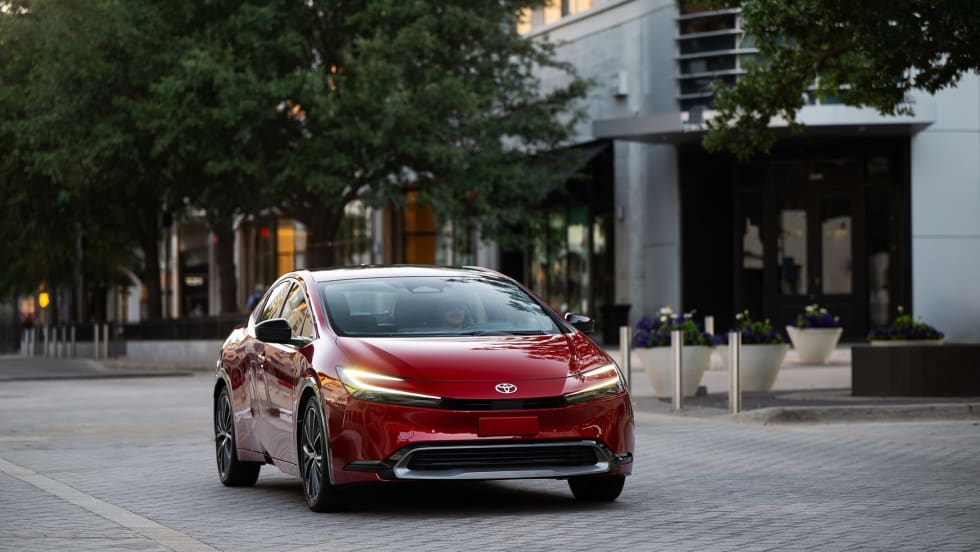
2027 Toyota Prius Adds Dual-Zone HVAC, Updated Hybrid System and Connectivity Features
What's new with the 2027 Prius?
Read More →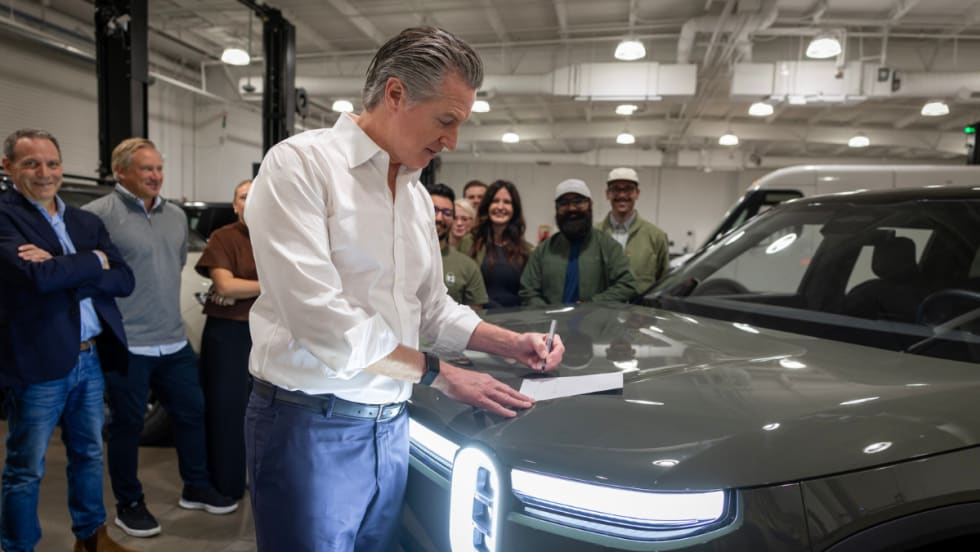
California Governor Approves Instant ZEV Rebates For First-Time Buyers
That instant rebate is the centerpiece of a broader $600 million package Governor Newsom signed into law, keeping California active in the global clean transportation race.
Read More →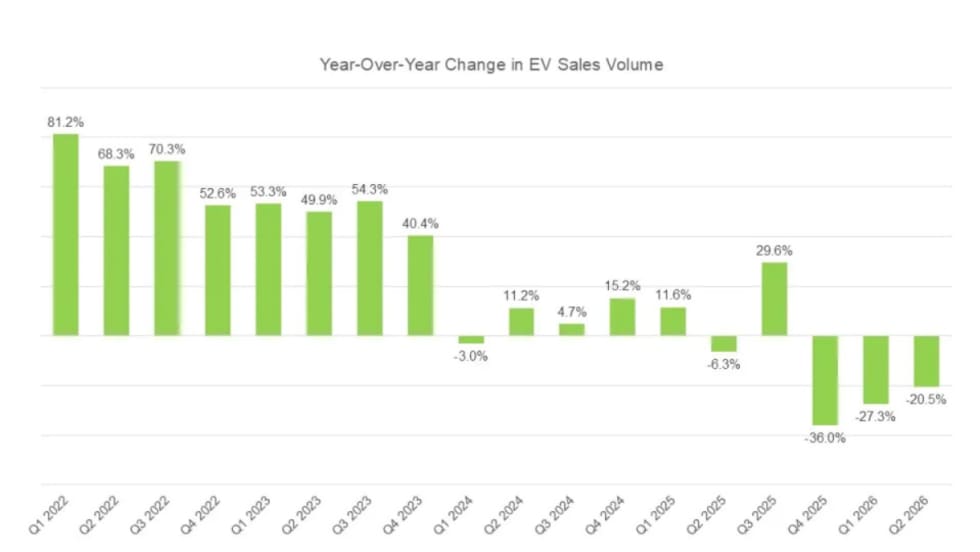
New Vehicle Models Stabilize Electrified Market In Q2
But more credit goes to hybrids than to all-electric vehicles, as more buyers look for fuel-efficient alternatives amid high gas prices.
Read More →
New EV and Hybrid Training Available For Auto Technicians
The curriculum covers those skill sets highly sought by electric fleet operations.
Read More →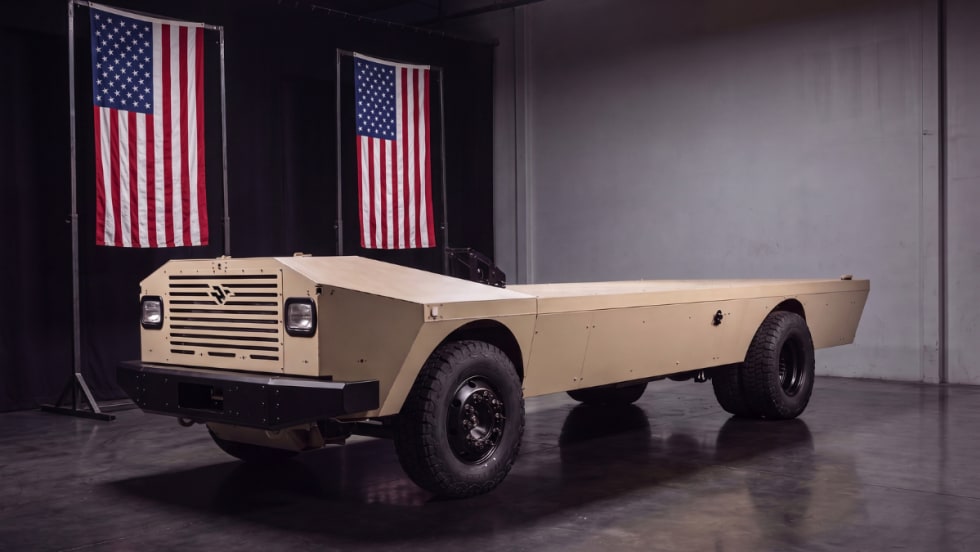
Harbinger Creates Hybrid-Electric Unmanned Vehicle Platform for Defense Use
The platform is based on the company's medium-duty plug-in hybrid chassis, which is also used in commercial vehicles.
Read More →
Hybrid Vehicle Collision Claims Hit Record High In Q1 As BEV Claims Flatten
The number of hybrids on the road is growing, indicating that overall electrification is evolving.
Read More →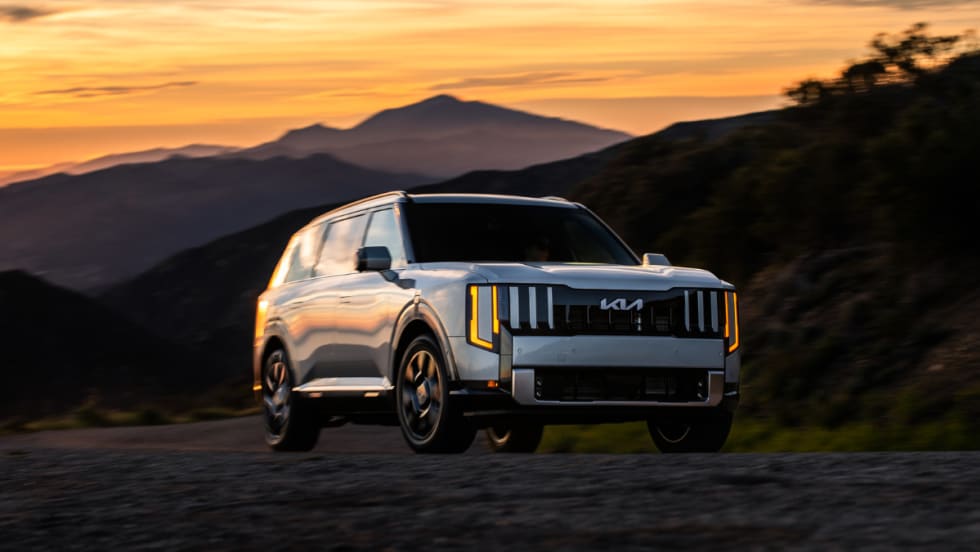
Three Kia Models Win Hybrid, Electric Car Awards From U.S. News & World Report
The magazine highlighted the Telluride HEV, Niro HEV, and Sportage HEV for efficiency, performance, and overall value.
Read More →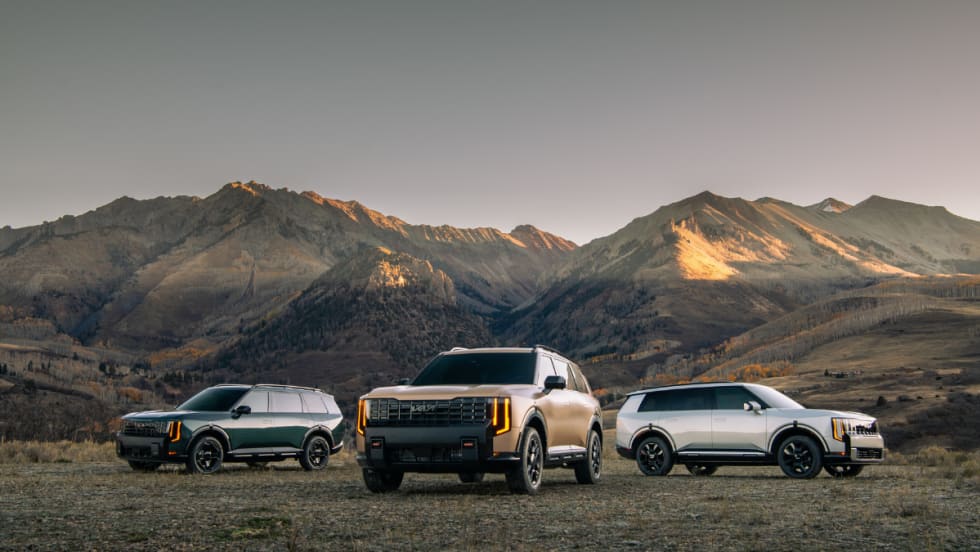
Kia Announces Pricing for First-Ever Telluride HEV
Kia announced pricing for the company's debut hybrid SUV in 2027.
Read More →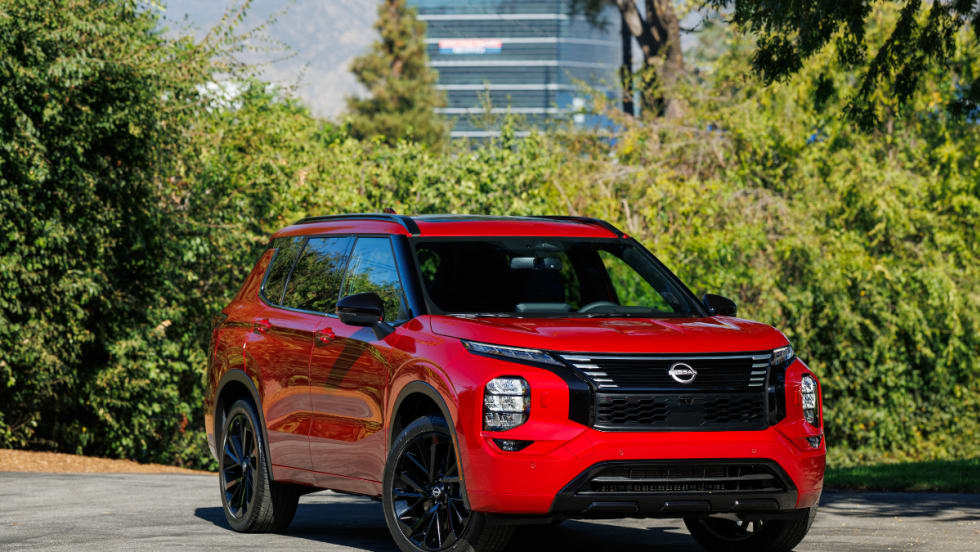
The 2026 Nissan Rogue Plug-in Hybrid Pricing Starts at $45,990
The all-new plug-in hybrid will reach dealerships in February.
Read More →
How Fleets Can Adjust Approaches To EV Adoption
With the expiration of federal incentives, EV success now hinges less on government policy and more on discounts, battery tech progress, increased range, and broader infrastructure.
Read More →