


Amid a Slowing Automotive Market, Fleet Sales are Growing in India
The Indian automotive market had one of its most difficult years on record in 2019. In a country where nearly all vehicles purchased are financed; leasing, especially among corporations, is attempting to break through as a viable purchasing option.


The automotive sector employs 37 million people in India, and Mumbai is the largest city in the country. In terms of GDP, the automotive sector contributes 7.5% of the total GDP in India. 2019 was one of the most difficult years for the automotive sector in India.
Photo: istockphoto.com/Ajay Salvi
At a time when the overall automotive market is struggling in India, the fleet market is growing, albeit at a slow rate.
The slowing Indian automotive market can be attributed, in large part, to a switch to a Goods and Services Tax (GST) and a lack of provision during this switch. Lease transactions are also subject to higher tax rates compared to the previous tax regime, noted Suvajit Karmakar, CEO & whole-time director at ALD Automotive India.
Looking forward, the fleet market is expected to pickup within the next two years, noted Karmakar.
However, there are various roadblocks in the way of that growth. To get a better picture of where the Indian automotive market might be heading, we look at factors that have affected the market so far.
The Commercial Leasing Market in India
Corporate entities in India became more restrictive about offering company cars to their employees around the year 2000. Around this time, corporate entities in India were seeing high employee attrition rates so they more or less stopped offering cars to employees that would use it for field jobs.
This, according to Karmakar, is a big reason as to why the fleet market is so small in India. This trend that began in the early 2000s, continued and even as attrition rates improved, the corporate culture didn’t change.
The average commercial fleet size in India is around 100 vehicles and has been stagnant for several years. However, the growth of leasing has the potential to upend this stagnation and lead to larger company fleets.
The current corporate leasing penetration in India 0.6%, according to Karmakar.
Such a small penetration rate means that there is a tremendous growth opportunity to grow the leasing market in India, he added.
The growth of leasing within India has the potential to revive the company car culture among corporations, which would also help grow the overall fleet segment, noted Karmakar.
In 2019, the most popular leased vehicles were subcompact crossovers/SUVs; hatchback sedans; and subcompact sedans.
Subcompact crossovers/SUVs accounted for 42% of the vehicles leased by ALD Automotive; hatchbacks accounted for 19%; and subcompact sedans accounted for 14%.
Maruti Suzuki is a big player in the automotive market in India. Of the top 10 best-selling vehicles sold in India in 2019, around 80% of the vehicles belonged to the Maruti Suzuki brand. Hyundai-Kia accounted for the remaining percent of the top 10.
According to Karmakar, Indian buyers mostly buys small cars, such as hatchbacks or subcompact sedans, as they fulfill the basic requirement of having a car. Although the subcompact crossover/SUV segment is seeing growing demand in India, the small sedan is still the market leader.
In terms of what types of fleets saw the most growth in 2019, software companies, IT companies, and telecom companies all saw their fleets grow by healthy margins.
“Most of the companies offered cars on lease to their employees through the salary sacrifice route, which means packaging the car as part of their salary,” said Karmakar.
Outside Factors Affecting the Automotive Market in India
The automotive sector employs 37 million people in India. In terms of GDP, the automotive sector contributes 7.5% of the total GDP in India.
2019 was one of the most difficult years for the automotive sector, according to Karmakar.
There has been tightening liquidity in the non-banking financial company sector in India, which has had a huge impact in automotive purchasing because India is a country where roughly 80% of new cars that are sold are financed.
To compound the difficulty in financing a vehicle, there has also simply been less demand for new vehicles, especially in rural areas.
The rural areas in India have been hurting from farm distress, according to Karmakar.
The urban market is also facing its own set of issues. A tight job market has weakened consumer sentiments across India and has led to less spending power among urban buyers as well.
“India has mostly had a two-speed automotive market,” said Karmakar. “If rural was hurting, urban markets compensated and vice-versa. This time, both rural and urban are hurting.”
As fewer people are buying vehicles from the new-vehicle market, more people are beginning to move to used vehicle market. Used vehicles present buyers with lower acquisition costs compared to buying a vehicle new, and because of this the used-vehicle market has expanded considerably in the past few years. From 2018 to 2019, the used market outsold the new-vehicle market in India.
As a result, India has seen an overhang of new-vehicle inventory build-up.
Karmakar noted that high costs with poor sales in India has left many of India’s more than 15,000 dealers struggling to stay afloat. Dealers are being stretched thin and are hurting as expansion, renovation, stiff competition, and discount wars among the manufacturers has intensified, he added.
At this point, 90% of the top-selling models in India are coming from two manufacturers, which means that the volume coming from the other manufacturers is comparatively small.
Further compounding onto India’s vehicle market woes, is the fact that vehicle acquisition costs have increased. Vehicle prices rose in 2019, and Karmakar expects that prices will continue to rise due to various safety, insurance, and emission norms related compliance costs.
The introduction of a GST, along with the previously mentioned costs, have increased acquisition costs by 2%-5%.
New emission policies introduced into India are expected to further drive up costs for all vehicles as well. Diesel vehicles, especially, are poised to see prices rise due to new emission policies, making those vehicles more difficult to buy from an economic standpoint.
“Due to stiff emission norms, auto companies will phase out non-compliant models and pull the plug on non-viable variants, especially diesel,” said Karmakar. “This means companies will have fewer models to lure buyers.”
Fuel prices in India are also expected to have an impact on vehicle variety in the country. In 2018, the price of gasoline rose by 14% and the price of diesel rose 17% between June and October, according to Karmakar.
Through the 2018-2019 financial year diesel vehicles accounted for 19% of total vehicle sales in India. Diesel’s market share has been falling since 2012, a time when the vehicle segment accounted for nearly 50% of sales. The cost difference between a liter of diesel and a liter of gasoline has also shrunk over the past decade, and because of a combination of these factors, Karmakar expects that leading manufacturers in the country will stop making some of their diesel vehicles in the 2020/2021 fiscal year. Manufacturers, he noted, will attribute uncertain fuel prices and stricter emission standards as the main reasons why they pull out of that market, should it happen.
The decline in the automotive market has also coincided with an overall economic slowdown in the industrial sector in India, which has affected almost all industries in the country.
“The automobile sector has a strong backward linkage with overall economic growth since auto production influences the demand for automotive parts and production of intermediary materials like steel, rubber, plastic, glass, paint, electronics, and other services,” said Karmakar. “So, growth in the automobile industry is critical for the overall economic growth of the country.”
Even certain moves that have been made by the Indian government to help some segments have inadvertently hurt others. In 2018 the Indian government increased the official maximum load-carrying capacity of vehicle sales by 20%-25% in an attempt to bring down logistics costs. What ended up happening was that the sale of vehicles, in particular commercial vehicles, went down.
The growth of ridesharing is also expected to have an impact on the automotive market. Ridesharing is the fastest growing segment in the online mobility services market, according to Karmakar.
In 2017 there were about 1.4 million vehicles in being used for ridesharing purposes, by 2025 that number is expected to grow to 4.2 million. That expected growth leaves a wide door open to potential new leased vehicles.
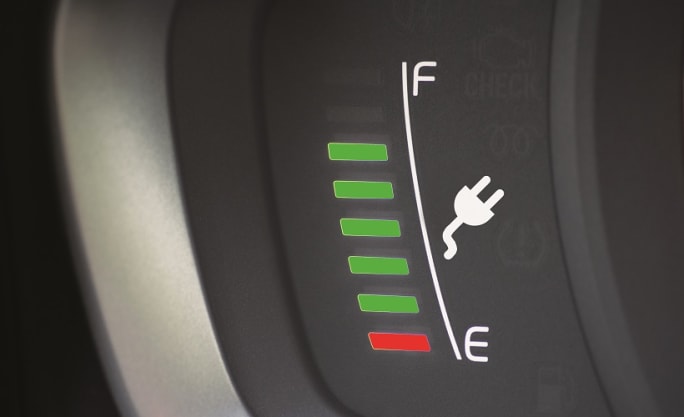
The electric vehicle segment is a burgeoning vehicle segment in India. While EVs only account for 1% of total vehicle sales in India, there has been movement by the Indian government to bolster electric vehicle sales. Some corporations have also included electric vehicles into their operations, mostly as transportation for employees.
Photo: Gettyimages.com/ Stadtratte
Electric Vehicles in India
Electric vehicles have made some traction in India, mainly among corporations.
Corporations have adopted some EVs into their operations, mostly to provide transportation for employees. The adoption of these EVs is somewhat limited due to companies requiring the implementation of EVs to be cost effective. Companies want to be conscious of environmental issues, such as CO2 emissions, but they also don’t want to operate these vehicles at too much of a loss.
Among the general populace, the penetration of EVs is still low. The idea of electric vehicles is still new to much of India, so the general populace still needs to shift their mindset to the idea of moving from a gasoline/diesel vehicle to an electric one.
It’s only recently that one of the leading manufacturers in India, Hyundai, introduced an electric vehicle — Kona EV — to the Indian market.
The cost of EVs is also a large barrier for the Indian market. EVs are priced at more than double the cost of a gasoline/diesel option, and a convenient charging network infrastructure doesn’t exist.
Due to these reasons, Indian buyers aren’t actively seeking electric vehicles, noted Karmakar.
At this time, EVs only account for 1% of total vehicle sales in India. And, of that 1%, electric two-wheelers account for most EV sales. To put these percentages into context, through the first eight months of 2019, 1,500 electric cars were sold for personal use.
To help support the sale of electric vehicles, the Indian government has enacted regulations and policies such as a GST reduction on EVs from 12% to 5%.
The Indian government also has a plan to make India a global manufacturing hub for EVs. Part of this plan includes customs duty exemptions on certain EV parts including e-drive assembly, on-board chargers, e-compressors, and charging guns. The intention of these plans is to cut down the cost of EVs in order to boost the sales of EVs in the country, Karmakar noted.
With the moves supporting electric vehicles from both the government and industrial sectors, the EV market is poised to experience a compound annual growth rate of about 54% through 2030, according to a market intelligence report by BIS Research.
Originally posted on Automotive Fleet
More Vehicle Research
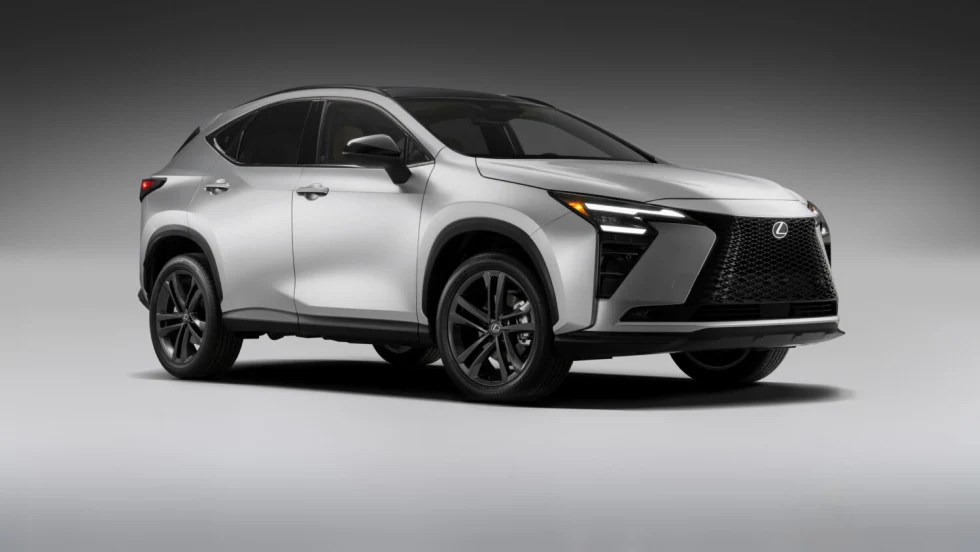
2027 Lexus NX Moves to Fully Electrified Lineup
For 2027, the NX moves to an entirely electrified lineup, with either hybrid or plug-in hybrid powertrains.
Read More →
2027 Mitsubishi Eclipse Sportback Named Green SUV of the Year
Green Car Journal recognized Mitsubishi’s new battery-electric crossover, which offers NACS compatibility and DC fast charging at up to 150 kW.
Read More →
Dave Carroll Named President of Ford Energy
Carroll succeeds Lisa Drake, who will remain with Ford through Dec. 31 to support the leadership transition.
Read More →
City of Long Beach Named No. 1 Green Fleet of 2026
NAFA's 2026 Green Fleet Awards recognized fleets for sustainability efforts spanning alternative fuels, technology, facilities, workplace culture and fleet operations.
Read More →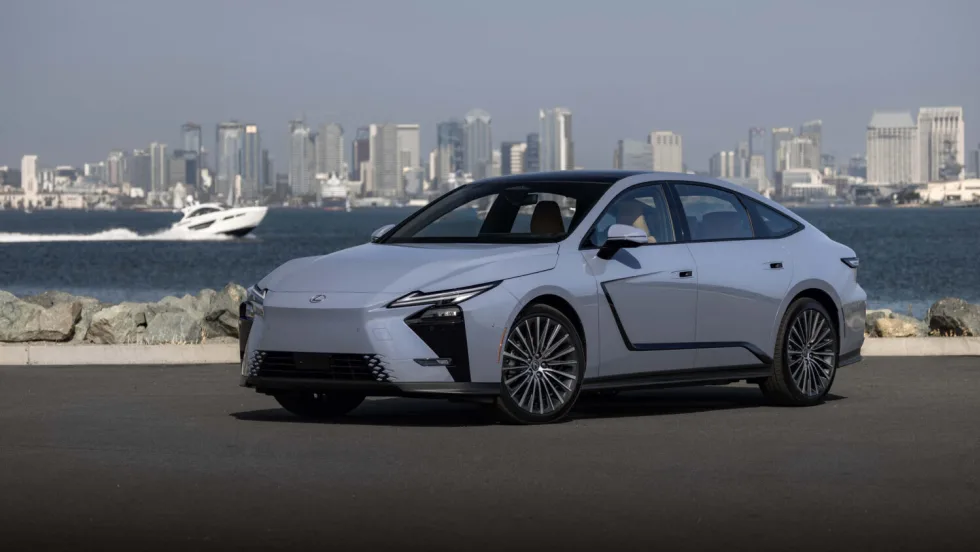
2027 Lexus ES Adds First Battery-Electric Models
The ES 350e and ES 500e join the hybrid ES lineup with up to 338 hp, an EPA-estimated 307 miles of range and standard NACS charging capability.
Read More →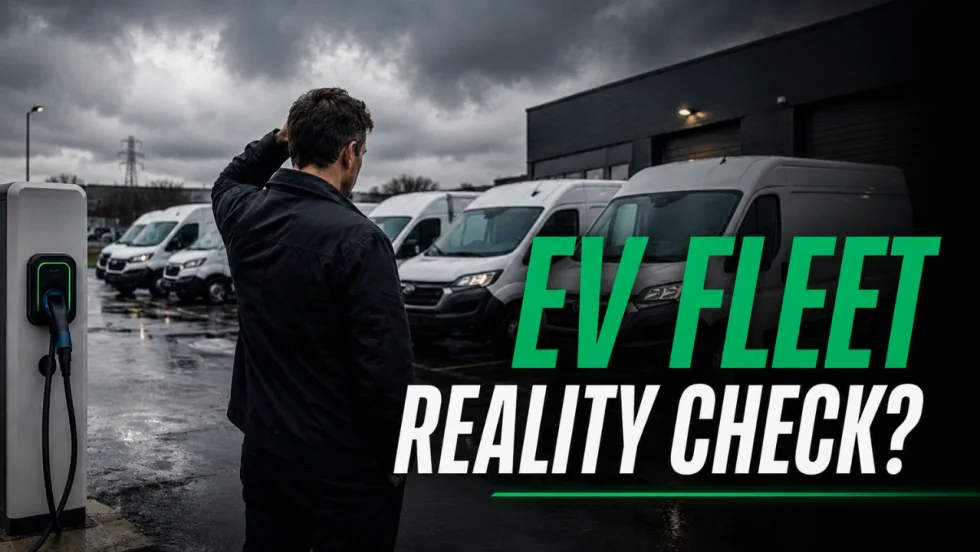
EV Fleet Reality Check: What Operators Wish They Knew Before Electrifying Their Work Vans
Electric work truck upfits bring new compatibility questions. Learn how parts availability, OEM guidance, power demands, and route planning can affect fleet performance.
Read More →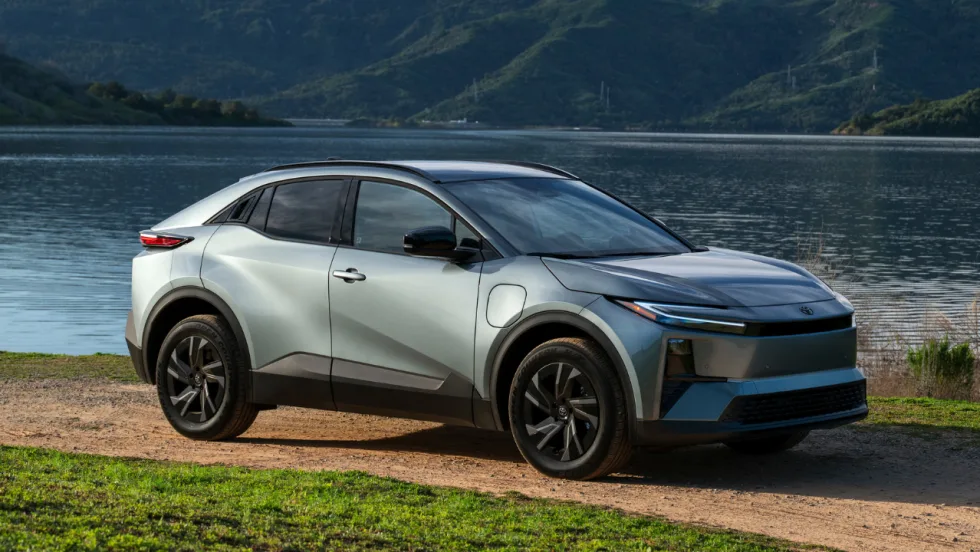
2027 Toyota C-HR Offers 287-Mile Range and Standard AWD
Toyota’s 2027 C-HR brings 287 miles of estimated range, standard all-wheel drive, and NACS fast-charging capability to the compact EV market. See what its mix of performance, cargo space, and everyday technology could offer business users.
Read More →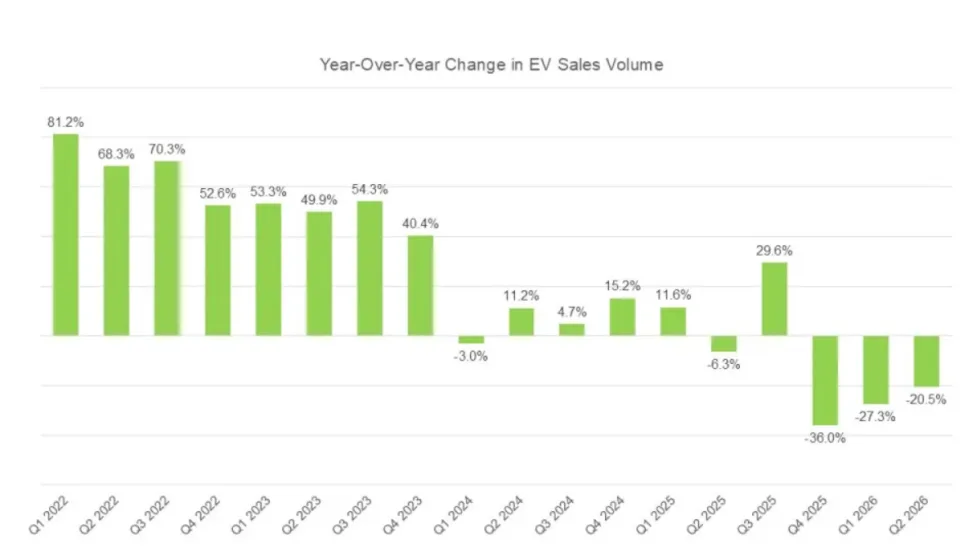
New Vehicle Models Stabilize Electrified Market In Q2
But more credit goes to hybrids than to all-electric vehicles, as more buyers look for fuel-efficient alternatives amid high gas prices.
Read More →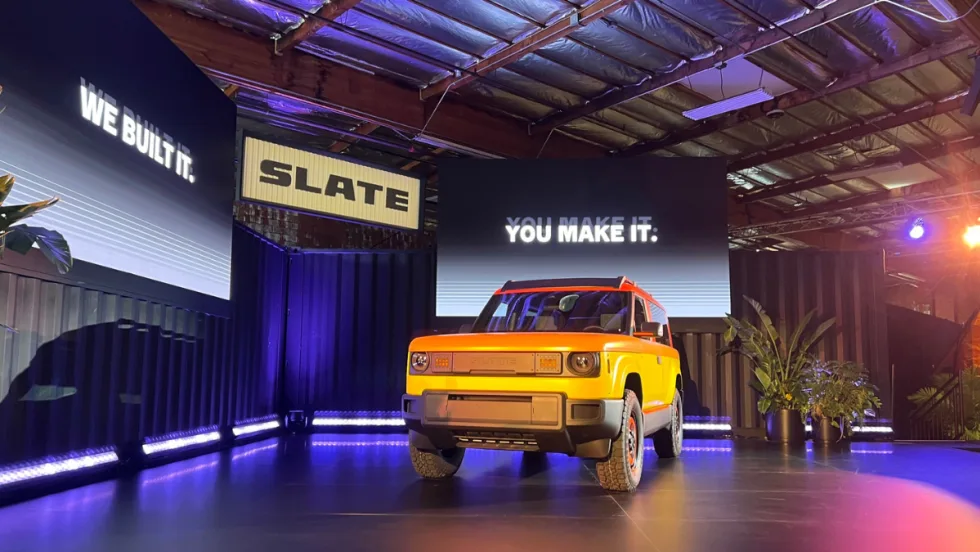
Slate Debuts Colorful, Unique EV Models
A recent media and client event, studded with electric vehicles dressed up on platforms, planted a new position for the manufacturer in the wider EV market. Fleets will find cost-saving advantages.
Read More →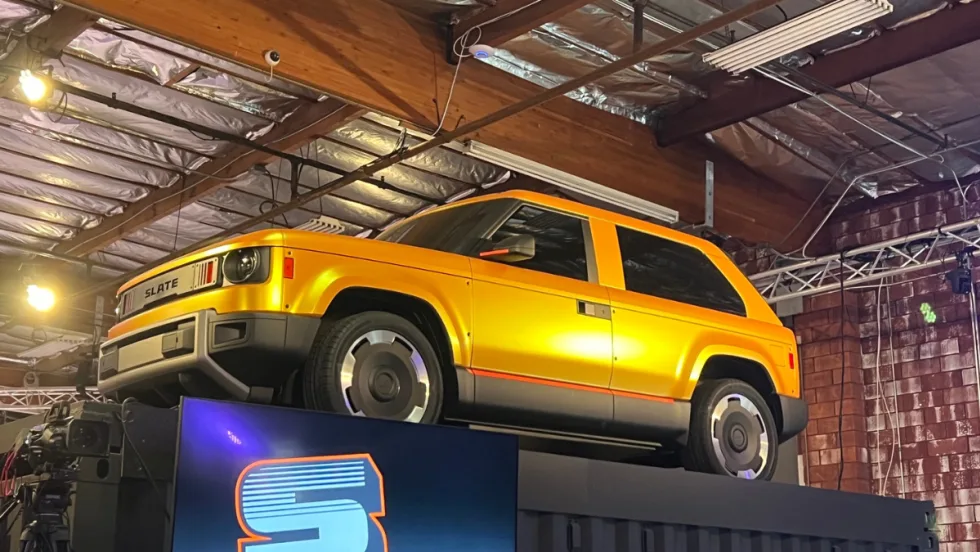
Slate Electric SUV, Pickup Switchable Model Aims For Light-Duty Fleets
Everything about this EV is counterintuitive and understated, making it stand out from the crowd.
Read More →