



Miss This? No Truck Powertrain Type to Dominate by 2050
Calstart Updates National Zero Emission Truck Deployments
The total number of zero-emission trucks in the U.S. surpassed 52,500 as of December 2024, with 17 states exceeding 1,000 ZETs.
June 19, 2025
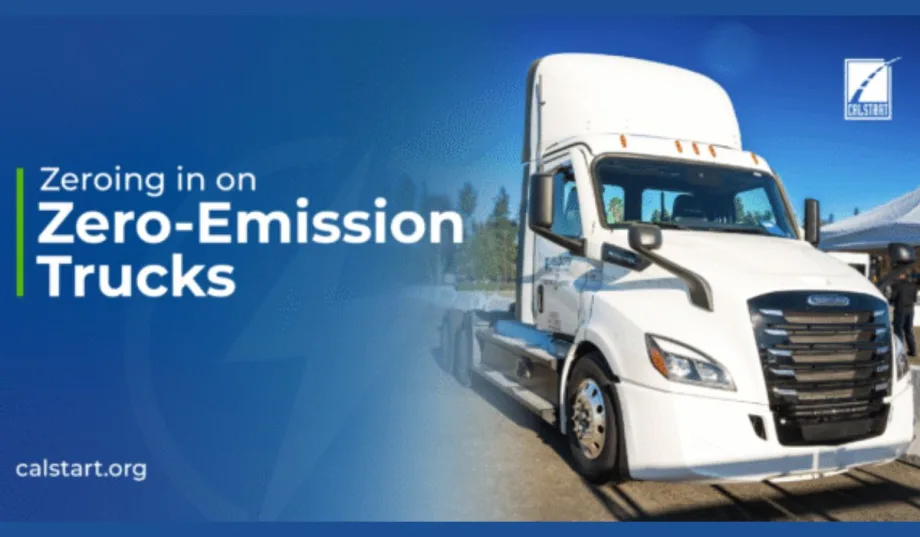
The June 2025 Calstart Zeroing in on Zero-Emission (ZIO ZET) Report Cover.
Photo: Calstart
2 min to read
CALSTART has released its latest Zeroing in on Zero-Emission Trucks Report, a market update detailing the number of medium and heavy-duty zero-emissions trucks (MHD ZETs) that have been deployed in the United States, according to data collected as of December 2024.
In this report, U.S. MHD trucks are classified as Class 2b (8,501–10,000 lbs.) through Class 8 (33,000 lbs. and above) vehicles including: cargo vans, medium-duty (MD) step vans, MD trucks, heavy-duty (HD) trucks, refuse trucks, and yard tractors.
Key findings from this market update include:
As of December 2024, there have been more than 52,500 ZET deployments, up from 42,881 deployments at the midway point of 2024.
All HD segments saw a positive year-over-year increase: 56% refuse trucks; 30% yard tractors; and 1% HD trucks.
There are now 17 states with more than 1,000 ZETs.
The leading three states for total ZET deployments are California (7,684), Texas (5,009), and Florida (4,022).
The leading three states with the most significant increase in ZET deployments in 2024 are Maryland (439%), Georgia (247%), and New Mexico (141%).
Deployment of ZETs in Texas is fueled by regional incentive programs like the Texas Volkswagen Environmental Mitigation Program grants and the Texas Clean Fleets Grants; Maryland has emerged as a ZET leader through policy strategy and multistate planning; and Georgia has developed a robust economic development strategy that has attracted more than $28 billion in clean energy manufacturing investments since January 2021.
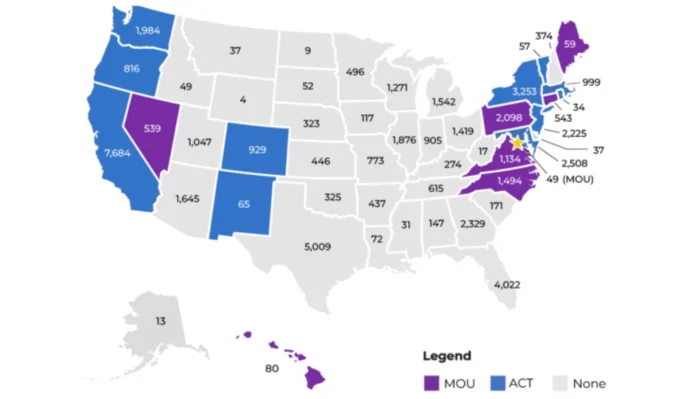
The total numbers of zero-emission trucks (ZET) deployed in the United States as of December 2024.
Photo: Calstart
This report signals growth in ZET deployments but clarifies that the freight industry is not on track to meet federal climate goals for 2030.
States that set ambitious deployment targets and implement vehicle and infrastructure incentive programs are prime examples of how to decarbonize the freight industry, proving that state leadership is critical for adoption.
CALSTART will continue to update the data in subsequent editions.
Originally posted on Automotive Fleet
More Electric Vehicles
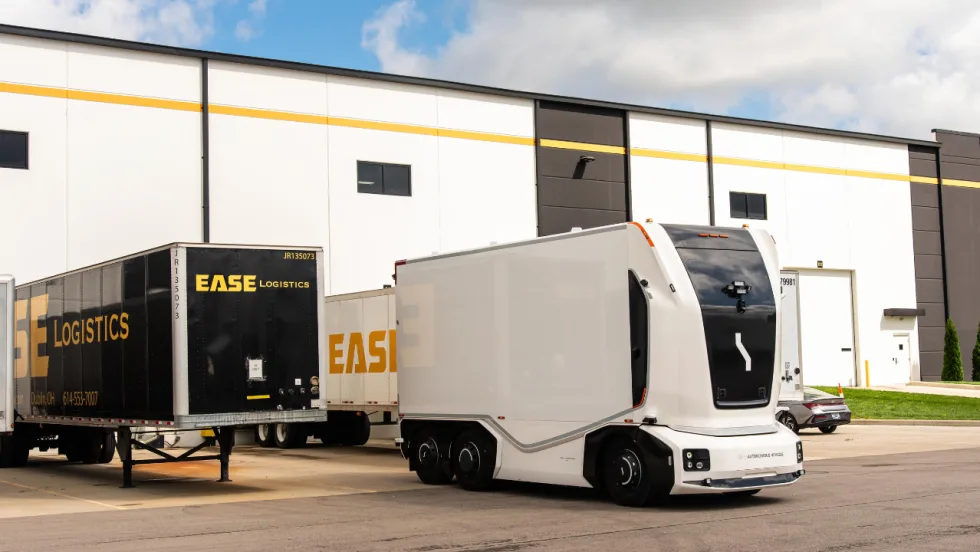
Einride Electric Driverless Trucks Begin Daily Freight Operations in Ohio
Two cabless electric trucks are now moving freight between EASE Logistics facilities, putting autonomous EV technology into daily commercial operations.
Read More →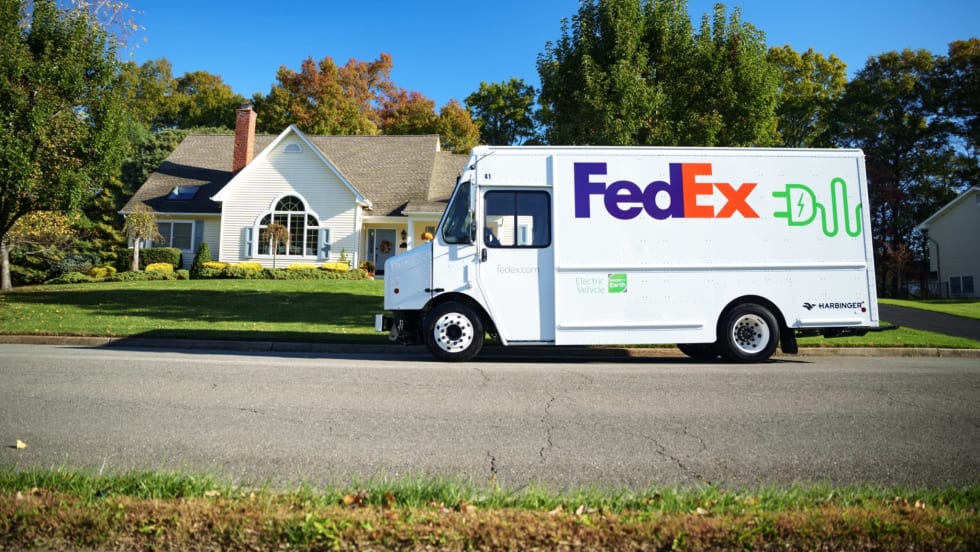
FedEx Orders 2,000 Harbinger Electric Trucks in $300 Million Deal
The Class 5 and 6 electric trucks are planned for delivery by the end of 2027 and will be deployed in FedEx pickup and delivery operations across the U.S. and Canada.
Read More →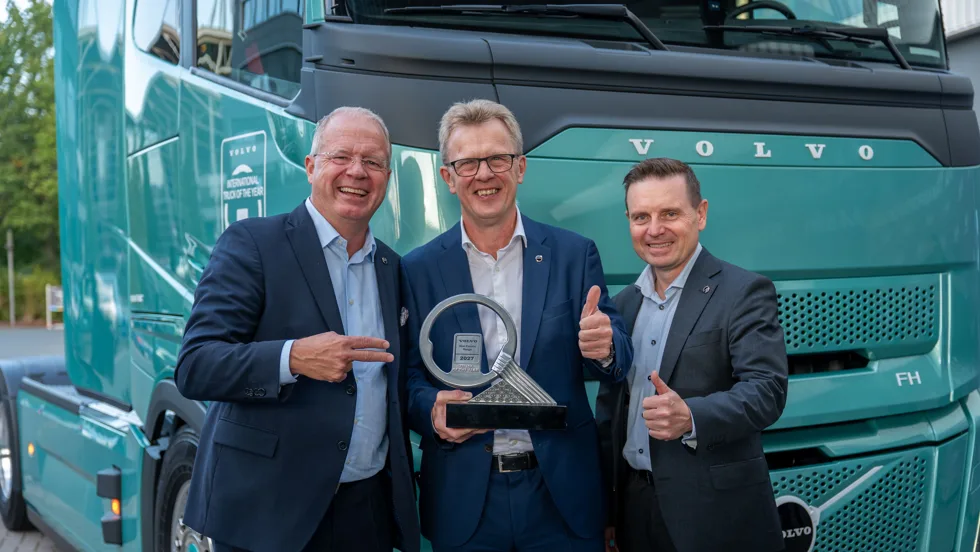
Volvo Trucks’ Electric Range Named International Truck of the Year 2027
The award recognizes Volvo’s global heavy-duty electric lineup, while more than 750 VNR Electric trucks have accumulated nearly 37 million miles in U.S. and Canadian fleet operations.
Read More →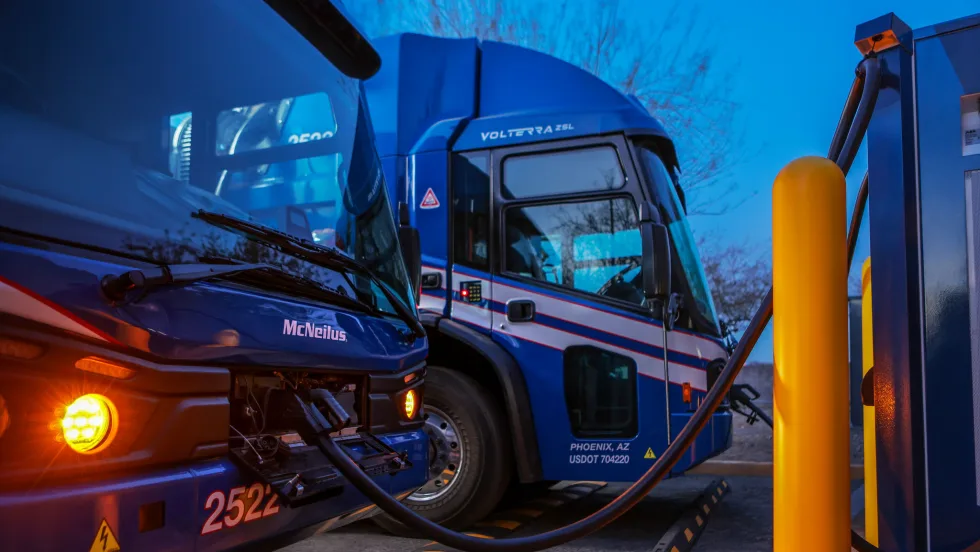
How Republic Services Decides Where Its Next Electric Trucks Can Go
With 250 electric collection trucks now in service, Republic Services is learning that scaling electrification depends less on proving the vehicle and more on whether each site can support what comes next.
Read More →
EV Charging Use Is Outpacing Infrastructure Growth
ChargePoint’s 2026 Charging Forward Report points to rising charger use, higher-powered charging, commercial vehicle electrification, and energy-management technology. Here’s what fleets should know.
Read More →
EV Realty Names Henrik Holland President as Charging Platform Expands
The former Prologis Mobility and Shell executive will help expand EV Realty’s truck charging business and move its power-first infrastructure model into autonomous vehicle depots and other fleet sectors.
Read More →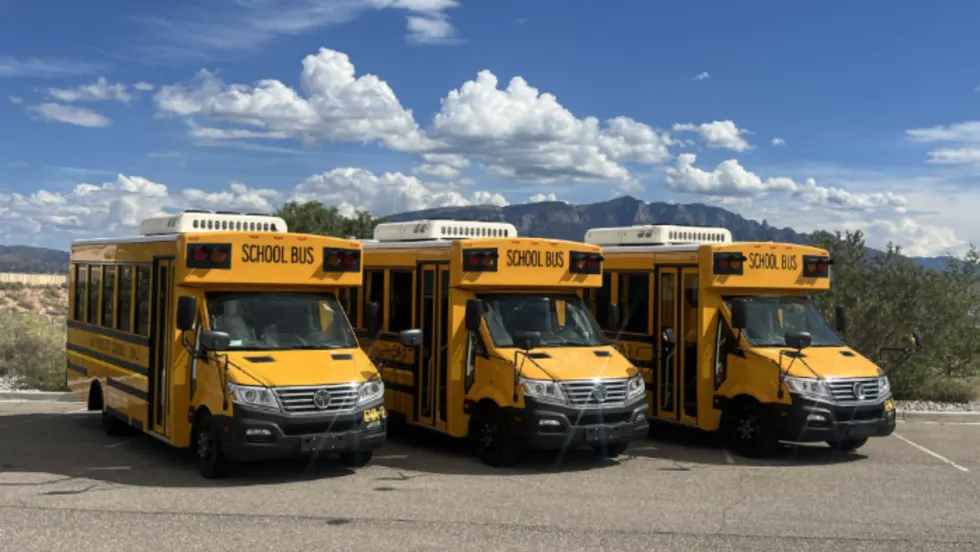
GreenPower Expands New Mexico EV Pilot With Larger Buses, V2G Testing
After logging more than 17,000 electric miles in the first year, New Mexico’s statewide pilot is moving into its second phase with larger vehicles, continued charging evaluations, and more.
Read More →
Can EV-as-a-Service Help Fleets Scale Electrification?
Sustainability Partners CEO Adam Cain explains how matching EVs, charging infrastructure, and duty cycles can help fleets scale electrification.
Read More →
How EV-as-a-Service Is Moving Fleets Beyond Pilots
Adam Cain, president and CEO of Sustainability Partners, explains how EV-as-a-service can help fleets scale deployments by addressing duty-cycle requirements and charging challenges.
Read More →
PowerFlex, The Mobility House Join Forces to Advance Fleet Electrification
Two EV charging providers are joining forces to deliver a broader portfolio of energy management and fleet electrification solutions.
Read More →