



PHOTO GALLERY: Van Beckons Scenery Inside and Out
A Cleaner Version of Fleet Driving and Delivery
Vehicle Review: After three years of working routes and duty cycles, the all-electric 2025 Chevrolet BrightDrop 400 AWD has created a worthy niche in the fleet vehicle market.
May 23, 2025
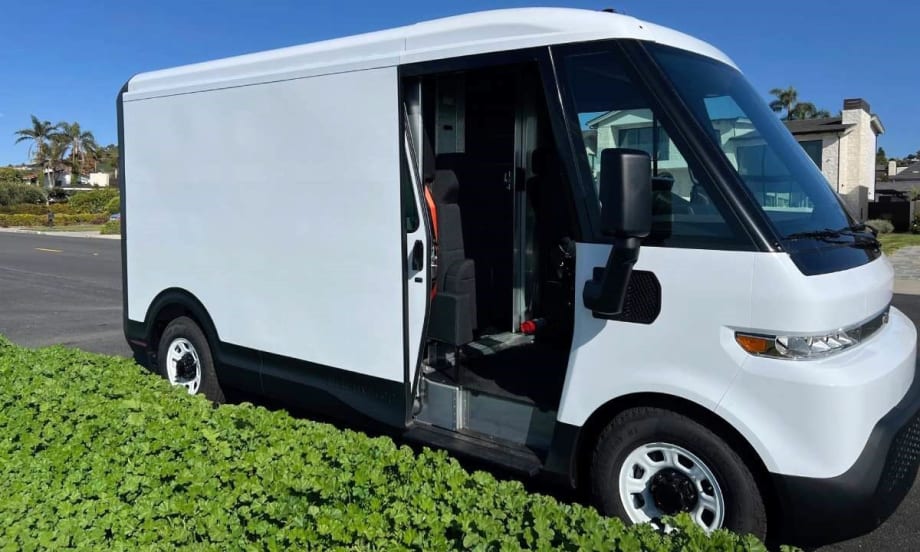
With a cargo volume of 412 cubic feet and a maximum payload of 3,480 pounds, the Chevrolet BrightDrop 400 AWD electric van is the perfect size for communities with narrow streets and tight turns.
Photo: Martin Romjue / Bobit Business Media
4 min to read
Five years ago this spring, homes across America heard more rumbles, slams, and beeps as delivery trucks and vans traversed neighborhood streets.
The vehicles brought a daily surge of packages and deliverable goods to homes as Americans faced their first-ever lockdowns and forced work-from-home situations to avoid the COVID-19 virus.
Along with the convenience of online ordering and delivery, the more frequent internal combustion engine (ICE) trucks and vans also added a layer of noise pollution and emissions.
Just in time, the pandemic sped up the arrival of the first wave of electric delivery vans, most notably the BrightDrop 400 and 600 from General Motors, which launched in 2022. Three years later, they are now part of Chevrolet, with the 2025 MY including more upgrades.
A New Generation Electric Van
A recent test drive of the 2025 Chevrolet BrightDrop 400 AWD proves the next-gen electric delivery van is growing up. This smooth, quiet, and nimble van rolls with respect for its surroundings.
Its simple, clean, aerodynamic look blends in with the ambiance of scenic and manicured neighborhoods.
With a cargo volume of 412 cubic feet and a maximum payload of 3,480 pounds, it’s the perfect size for communities with narrow streets and tight turns.
The combined GM estimated highway-city range of 272 miles can handle just about any local delivery or duty cycle — with multiple starts and stops throughout the day. Such a range enables a fleet operation to recharge its vans while parked overnight.
Empowering Drivers with Doors
Thanks to a power door package added since 2022, the driver can open and close the two side doors and interior cargo door with a series of controls and automatic options while seated. That makes their routes more efficient. By cutting seconds off each delivery, the driver can handle more stops with fewer steps, while moving faster and more flexibly from behind the wheel.
The BrightDrop 400 van’s size enables it to squeeze into a standard parking spot, whether parallel or perpendicular. (The only difference between the 400 and 600 models is that the 600 has four additional feet of cargo volume).
It provides panoramic windshield and side window views complemented with rearview mirrors and front and rear cameras. Its myriad alerts and prompts can quickly correct any driver errors or oversights.
Such features improve safety, with driver comfort a major part of it. Easily accessible dashboard screen controls, a seat with superior back support, wide views, and audio/music options can make fleet drivers feel more relaxed, patient, and pleasant.
A Foothold in Fleets
While exact numbers of BrightDrop vans sold so far are not available, GM reports 250+ unique fleet and commercial customers now deploy BrightDrop vans in their operations. These range in size and scope from large companies such as Walmart, FedEx, Ryder, and Merchant’s Fleet to smaller operators who own service companies, such as electricians and plumbers.
Since 2022, GM has integrated the BrightDrop brand into the Chevrolet portfolio allowing it to reach a wider customer base that can access dealership networks for sales, support, and service, said Siddhant Garg, product marketing manager for BrightDrop, in a recent interview.
“The BrightDrop is designed for commercial customers and fleet owners,” Garg said. “It’s a step van that makes it easier and comfortable with the driver in mind while lowering the cost of ownership.”
Garg pointed out the power door package evolved from listening to customers and understanding how the van could better meet their delivery routines. “The more you can automate repetitive tasks, the better. That makes it easier physically for the drivers and saves them time that stacks up when making 200 deliveries a day. It also keeps the driver and cargo safe.”
GM has updated and fine-tuned the van's safety features, including a 360-degree camera system so sharp that it allows for precisely aligned parking on all four sides of a space, Garg said. The van now comes with 20 standard safety features, both electric and passive. “The one-pedal drive reduces fatigue, increases range, and reduces wear and tear.”
Electric Vans Deliver Potential
While BrightDrop offers a vehicle class-leading range, GM is working on improving the battery chemistry and technology that can lead to longer ranges in the future, Garg said. “We know range is an important requirement for an electric vehicle. We are considering anything GM can do to meet those needs.”
Overall, it runs far quieter and smoother than a typical ICE box truck or van.
“The BrightDrop is a product that hits many targets and works for everyone,” Garg said. “It’s a great alternative for fleets with the benefits of modern-day technology and comforts.”
Most importantly, BrightDrop contributes to a cleaner environment by not serving up toxic fumes and noise pollution, as a recent route driven through residential streets underscored. An electric van can improve the quality of life in urban and suburban neighborhoods and around schools — one street, one stop, and one duty cycle at a time.
That is a lasting benefit for businesses and the customers they serve.
Subscribe to Our Newsletter
More Electric Vehicles
EV Charging Use Is Outpacing Infrastructure Growth
ChargePoint’s 2026 Charging Forward Report points to rising charger use, higher-powered charging, commercial vehicle electrification, and energy-management technology. Here’s what fleets should know.
Read More →
EV Realty Names Henrik Holland President as Charging Platform Expands
The former Prologis Mobility and Shell executive will help expand EV Realty’s truck charging business and move its power-first infrastructure model into autonomous vehicle depots and other fleet sectors.
Read More →
GreenPower Expands New Mexico EV Pilot With Larger Buses, V2G Testing
After logging more than 17,000 electric miles in the first year, New Mexico’s statewide pilot is moving into its second phase with larger vehicles, continued charging evaluations, and more.
Read More →
Can EV-as-a-Service Help Fleets Scale Electrification?
Sustainability Partners CEO Adam Cain explains how matching EVs, charging infrastructure, and duty cycles can help fleets scale electrification.
Read More →
How EV-as-a-Service Is Moving Fleets Beyond Pilots
Adam Cain, president and CEO of Sustainability Partners, explains how EV-as-a-service can help fleets scale deployments by addressing duty-cycle requirements and charging challenges.
Read More →
PowerFlex, The Mobility House Join Forces to Advance Fleet Electrification
Two EV charging providers are joining forces to deliver a broader portfolio of energy management and fleet electrification solutions.
Read More →
Ford Retools Louisville Plant for Fathom Electric Truck Production
Ford's $2 billion Louisville Assembly Plant overhaul introduces a three-part assembly process for the Fathom midsize electric truck, with production scheduled to begin in 2027.
Read More →
Merchants Fleet Reports 290M EV Miles as Fleets Navigate Changing Electrification Market
From millions in operating savings to hundreds of millions of EV miles, Merchants Fleet’s latest report reveals what’s working and what’s changing in fleet electrification.
Read More →
California District Commits to Electrify 25% of School Bus Fleet by 2028
One of the nation's largest school bus electrification projects to date demonstrates how grants, charging infrastructure, and public-private partnerships can help fleets transition to EVs at scale.
Read More →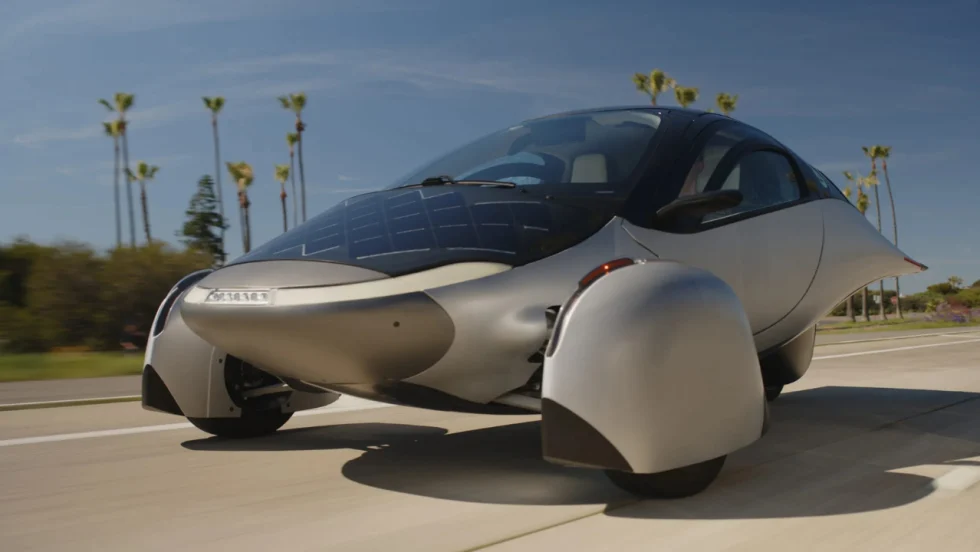
Aptera Orders Bodies and Chassis for Its First 40 Production Vehicles
Aptera Motors Corp. has issued purchase orders for the major structural components of its first 40 vehicles, and body and chassis components are expected to begin arriving in October.
Read More →