


New Study Reveals Which EV Models Lose the Least Range in Winter
Discover how cold weather impacts EV range, charging, and handling, plus see which electric vehicles perform best and worst in winter.

A study from Vaziri Law Group Personal Injury Attorneys offers insights into specific EV models during winter while showing that strategic adjustments can help an EV maintain its performance and safety in cold conditions.
Photo: Automotive Fleet
A new study reveals that electric vehicles (EV) from certain OEMs such as Tesla, Nissan, and Volkswagen, face a steep range loss of over 50% or significantly slower charging times compared to other companies during the winter season.
As if range anxiety isn’t already a major concern of EVs, colder temperatures can slow the reactions inside the battery pack, causing reduced range, slower charging, and energy loss, which is demonstrated in the study.
However, the study from Vaziri Law Group Personal Injury Attorneys offers insights into specific models while showing that strategic adjustments can help an EV maintain its performance and safety in cold conditions despite the potential losses.
What the Winter Unreliability Score Reveals About EV Performance
The study evaluated key metrics that affect EV performance, safety, and convenience in cold conditions. Data was collected for each EV model across four main metrics:
Verified winter range loss (%), which measures the percentage reduction in driving range during winter. Sourced from Recurrent.
Accidents during winter (3-year period), which represent reliability and safety, the study's authors believe. Sourced from the NHTSA's Fatality and Injury Reporting System Tool.
Charging time (10% to 80%) with DC fast charging, indicating convenience during winter charging. Sourced from EVBox.
Battery usable capacity (kWh),as lower capacity can exacerbate range issues in colder weather. Sourced from the Electric Vehicle Database.
The winter “unreliability” score calculated by Vaziri Law Group combined these values, with higher scores indicating greater winter unreliability.
Model | Verified Winter Range Loss (%) | Winter Accidents Over 3 Years | Charging Time (from 10% to 80%) | Battery Usable Capacity in kWh | Score |
|---|---|---|---|---|---|
Nissan Leaf | -38% | 3 | 59 minutes | 39 | 77.59 |
Tesla Model Y | -52% | 7 | 27 minutes | 75 | 76.14 |
Tesla Model X | -52% | 3 | 30 minutes | 95 | 75.88 |
Volkswagen ID.4 | -35% | 0 | 28 minutes | 77 | 73.85 |
Tesla Model S | -55% | 9 | 30 minutes | 95 | 70.68 |
BMW i3 | -15% | 0 | 40 minutes | 37.9 | 70.00 |
Volkswagen e-Golf | -12% | 0 | 40 minutes | 32 | 69.61 |
Ford Mustang Mach-E | -37% | 1 | 47 minutes | 91 | 68.69 |
Chevrolet Bolt | -32% | 3 | 75 minutes | 66 | 66.32 |
Kia EV6 | -7% | 0 | 17 minutes | 74 | 59.51 |
Hyundai Ioniq | -3% | 6 | 16 minutes | 38.3 | 58.53 |
Audi e-tron | -20% | 0 | 33 minutes | 106 | 58.06 |
Chevrolet Volt (hybrid) | -27% | 7 | 210 minutes | 18.4 | 55.77 |
Tesla Model 3 | -50% | 26 | 40 minutes | 57.5 | 55.71 |
Jaguar I-PACE | -3% | 0 | 44 minutes | 84.7 | 51.98 |
Hyundai Kona | -16% | 22 | 64 minutes | 65.4 | 36.44 |
Range and Charging Woes for Nissan Leaf
According to the study, the Nissan Leaf ranks as the most unreliable EV in winter, losing 38% of its range in cold weather. It also faces slower charging times (59 minutes from 10% to 80%) and moderate accident risks, highlighting the need for winter tires in harsh conditions.
High Range Loss and Winter Accidents Affect Tesla Scores
Tesla models grab multiple spots at the top of the list, with the Model Y ranking second, facing one of the highest winter range losses at -52%, the second largest in this study behind the Tesla Model S at -55%.
The Tesla Model X ranks third with a score of 75.88 and shares a -52% winter range loss, similar to the Model Y. Although it recorded only three winter accidents, its large 95 kWh battery faces notable energy drain in cold climates.
With the lowest score of any Tesla model at 55.71, the Tesla Model 3 ranks 14th, recording the highest number of winter accidents at 26 and a -50% range loss.
While faster charging times provide some relief, averaging about 30 minutes from 10% to 80%, frequent winter accidents and handling challenges raise concerns for Tesla drivers in icy conditions.
Kona Holds Top Reliability Spot Despite High Accident Rate
The Ford Mustang Mach-E ranks eighth with a score of 68.69, showing a -37% range loss. It recorded just one winter accident, but its 47-minute charging time might be a slight disadvantage.
Ranking ninth, the Chevrolet Bolt has a -32% winter range loss and 3 winter accidents. It has the longest charging time in the top 10, reaching up to 75 minutes, making it inconvenient for drivers facing frequent winter charging needs.
The Hyundai Ioniq ranks 11th for winter reliability with minimal range loss (-3%) and the fastest charging time (16 minutes). However, six recorded winter accidents highlight potential handling issues on icy roads.
Lastly, the Hyundai Kona ranks 16th with the lowest score of 36.44, indicating it is the most reliable out of the group. Although it only loses -16% of its range, it recorded 22 winter accidents, the second highest in this study.
Cold Weather Strategies for Electric Vehicle Drivers
Cold weather presents unique challenges for EV drivers, from reduced battery range to longer charging times and handling issues on icy roads, but preventive measures can help mitigate these losses.
“Since low temperatures can reduce battery range by 10% to 20% or more, pre-conditioning the cabin and battery while plugged in helps limit energy loss and preserves range,” a Vaziri Law Group spokesperson said.
It’s also important to plan for extra charging time, which tends to be slower in the winter, and invest in winter tires to help with handling. Due to the added weight of EVs, it can be hard to control slides on icy roads.
“Additionally, using features like heated seats rather than cabin heat conserves battery power and maximizes regenerative braking where safety can capture energy otherwise lost during deceleration,” the spokesperson added.
More info on methodology, raw data, and ranking can be found here.
Originally posted on Automotive Fleet
More Vehicle Research
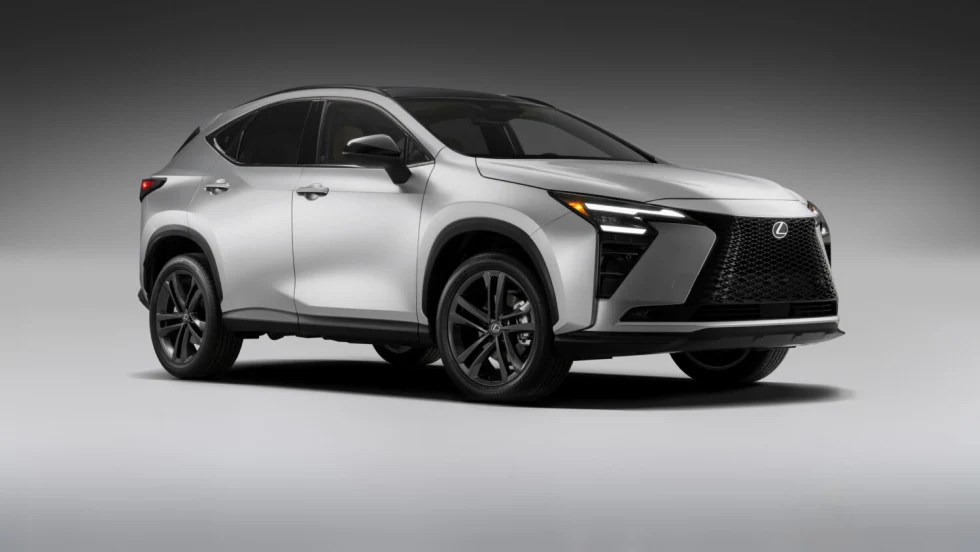
2027 Lexus NX Moves to Fully Electrified Lineup
For 2027, the NX moves to an entirely electrified lineup, with either hybrid or plug-in hybrid powertrains.
Read More →
2027 Mitsubishi Eclipse Sportback Named Green SUV of the Year
Green Car Journal recognized Mitsubishi’s new battery-electric crossover, which offers NACS compatibility and DC fast charging at up to 150 kW.
Read More →
Dave Carroll Named President of Ford Energy
Carroll succeeds Lisa Drake, who will remain with Ford through Dec. 31 to support the leadership transition.
Read More →
City of Long Beach Named No. 1 Green Fleet of 2026
NAFA's 2026 Green Fleet Awards recognized fleets for sustainability efforts spanning alternative fuels, technology, facilities, workplace culture and fleet operations.
Read More →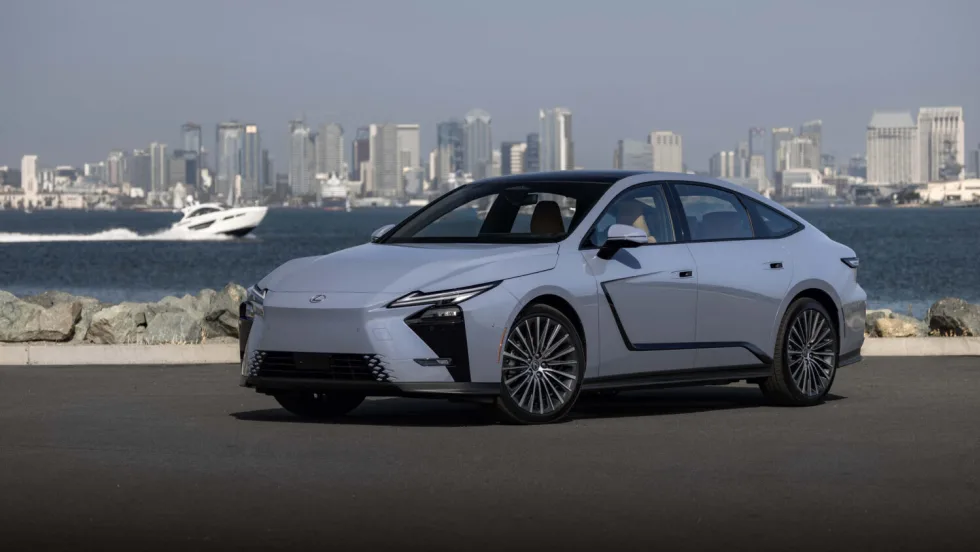
2027 Lexus ES Adds First Battery-Electric Models
The ES 350e and ES 500e join the hybrid ES lineup with up to 338 hp, an EPA-estimated 307 miles of range and standard NACS charging capability.
Read More →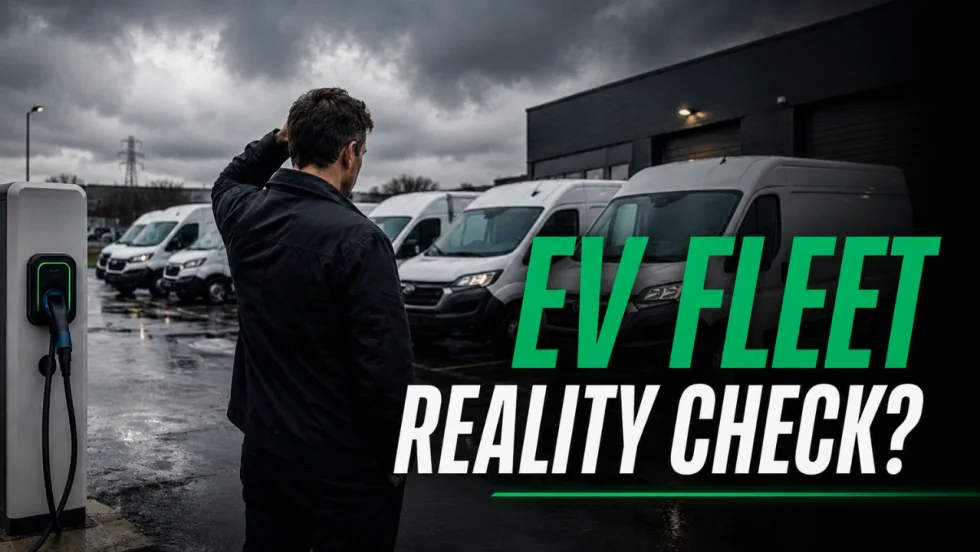
EV Fleet Reality Check: What Operators Wish They Knew Before Electrifying Their Work Vans
Electric work truck upfits bring new compatibility questions. Learn how parts availability, OEM guidance, power demands, and route planning can affect fleet performance.
Read More →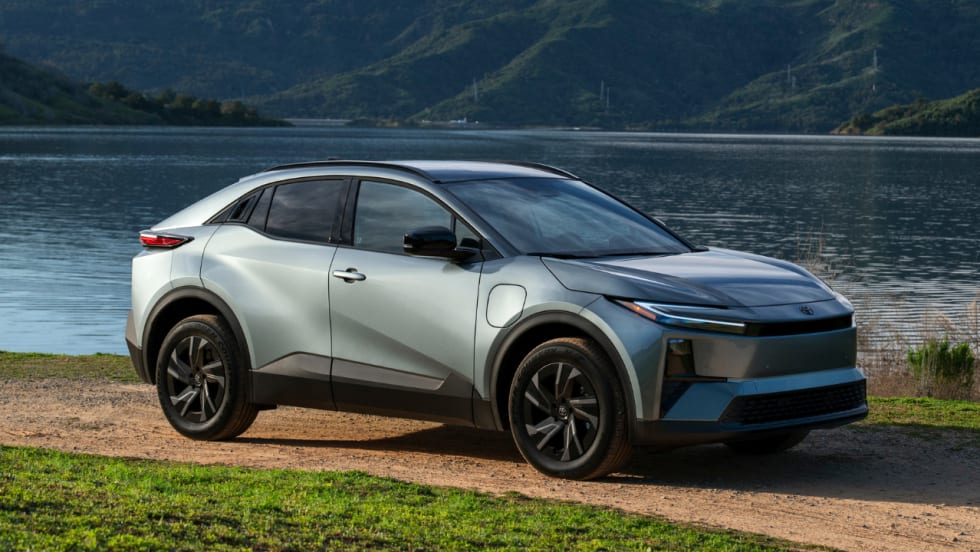
2027 Toyota C-HR Offers 287-Mile Range and Standard AWD
Toyota’s 2027 C-HR brings 287 miles of estimated range, standard all-wheel drive, and NACS fast-charging capability to the compact EV market. See what its mix of performance, cargo space, and everyday technology could offer business users.
Read More →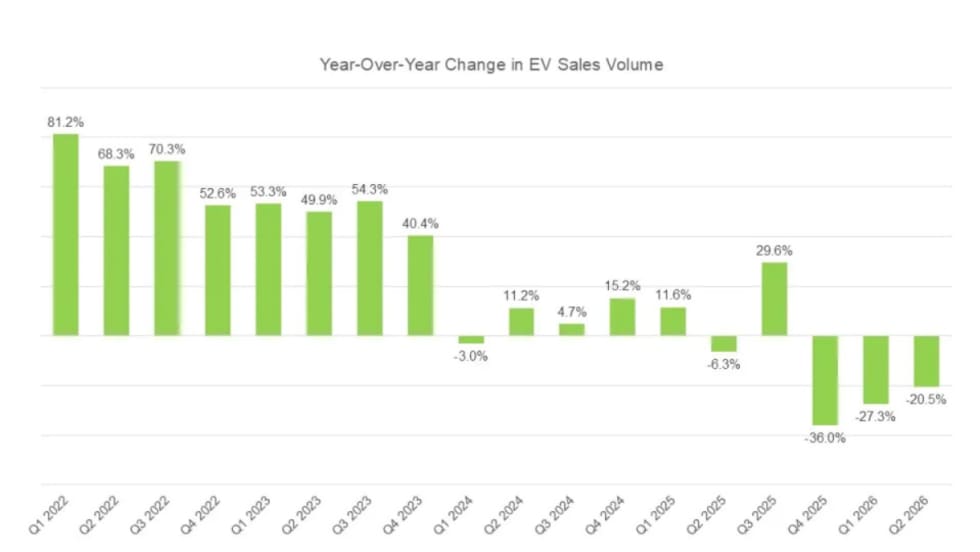
New Vehicle Models Stabilize Electrified Market In Q2
But more credit goes to hybrids than to all-electric vehicles, as more buyers look for fuel-efficient alternatives amid high gas prices.
Read More →
Slate Debuts Colorful, Unique EV Models
A recent media and client event, studded with electric vehicles dressed up on platforms, planted a new position for the manufacturer in the wider EV market. Fleets will find cost-saving advantages.
Read More →
Slate Electric SUV, Pickup Switchable Model Aims For Light-Duty Fleets
Everything about this EV is counterintuitive and understated, making it stand out from the crowd.
Read More →