


Related: Hyundai, Canoo to Develop Electric Platform for Future EVs
Canoo Projects Class-Leading Cargo Volume for New Electric Delivery Vehicle
The all-electric model, starting at $33,000, will be offered in two initial sizes starting in 2022. The smaller model offers 230 cu. ft. of cargo volume behind the bulkhead, while the larger model offers 450 cu. ft.
by Staff
December 17, 2020
The vehicle offers a low step in height of 17 inches along with storage lockers, a roll-up style door, and ramp slide outs.
Image courtesy of Canoo.
2 min to read
Canoo, a Los Angeles-based EV startup, today revealed the prototype for its all-electric multi-purpose delivery vehicle with a starting price of about $33,000, the company said in a statement.
The vehicle, built on Canoo’s proprietary electric platform, will be offered in two initial size variants, with others to follow. Limited availability will begin in 2022, with scaled production and launch planned for 2023, the company said.
The smaller MPDV1 offers dimensions comparable to smaller cargo vans such as the Ford Transit Connect and Nissan NV200, but with more cargo capacity — 230 cu. ft. — behind the bulkhead. The larger MPDV2 fits in the large van category (Mercedes Sprinter, Ford Transit) and offers comparatively substantial 450 cu. ft. of cargo volume behind the bulkhead.
Canoo maintains that its flat electric vehicle platform and driver-forward architecture enables nearly 30% more cargo volume than comparable vehicles on a smaller vehicle footprint.
Three battery packs will be offered: 40kWh (for an estimated 130 miles range on the MPDV1 and 90 miles on MPDV2), 60kWh (190 miles/140 miles), and 80kWh (230/190 miles). The 80-kWh size is expected to charge from 20% to 80% in 28 minutes using DC Fast Charging.
The production vehicle plans to offer a bi-directional onboard charger in lieu of adding a separate DC-AC converter, which will act as a power plant for equipment and tools through an added 125V or 240V AC output power plug. From an ergonomics perspective, the vehicle offers a low step in height of 17 inches along with storage lockers, a roll-up style door, and ramp slide outs.

Image courtesy of Canoo.
Canoo said the models were designed for small businesses such as independent contractors, utilities, and service technicians. For large customers, such as last-mile and package delivery fleets, retailers, major corporations, and logistics companies, Canoo is offering to co-develop a custom vehicle to meet specific requirements.
“The vehicle is affordable and offers greater cargo capacity than the current electric delivery offerings in its class. said Tony Aquila, executive chairman of Canoo. “We aim to lower the total cost of ownership and increase return on investment for everyone from local small business owners to large fleets.”
Canoo is accepting pre-orders for the two models now. Following the introduction of MPDV1 and MPDV2, Canoo is preparing to launch the MPDV3, a Class 3 truck. The company is expected to go public by the end of the year through a merger with Hennessy Capital Acquisition Corp IV, a special purpose acquisition corporation (SPAC).
Topics:Electric VansDelivery FleetsCargo VansCanooCommercial Electric VehiclesLast-Mile DeliveryElectric VehiclesSuppliersVehicle Research
Originally posted on Automotive Fleet
More Electric Vehicles
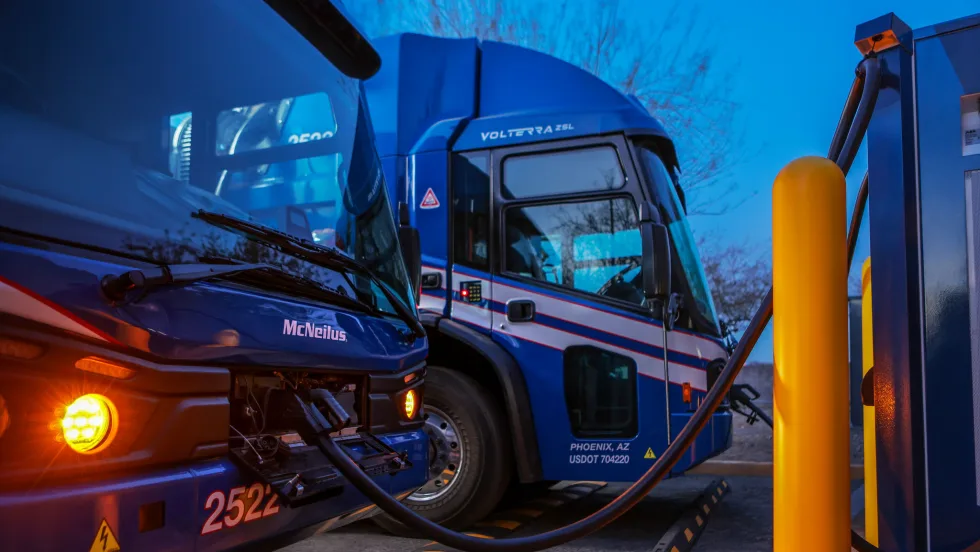
How Republic Services Decides Where Its Next Electric Trucks Can Go
With 250 electric collection trucks now in service, Republic Services is learning that scaling electrification depends less on proving the vehicle and more on whether each site can support what comes next.
Read More →
EV Charging Use Is Outpacing Infrastructure Growth
ChargePoint’s 2026 Charging Forward Report points to rising charger use, higher-powered charging, commercial vehicle electrification, and energy-management technology. Here’s what fleets should know.
Read More →
EV Realty Names Henrik Holland President as Charging Platform Expands
The former Prologis Mobility and Shell executive will help expand EV Realty’s truck charging business and move its power-first infrastructure model into autonomous vehicle depots and other fleet sectors.
Read More →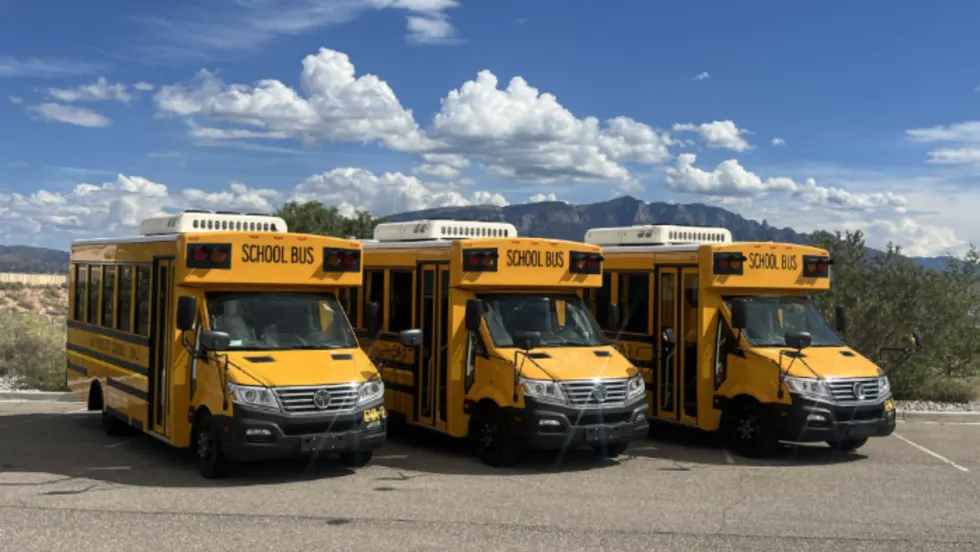
GreenPower Expands New Mexico EV Pilot With Larger Buses, V2G Testing
After logging more than 17,000 electric miles in the first year, New Mexico’s statewide pilot is moving into its second phase with larger vehicles, continued charging evaluations, and more.
Read More →
Can EV-as-a-Service Help Fleets Scale Electrification?
Sustainability Partners CEO Adam Cain explains how matching EVs, charging infrastructure, and duty cycles can help fleets scale electrification.
Read More →
How EV-as-a-Service Is Moving Fleets Beyond Pilots
Adam Cain, president and CEO of Sustainability Partners, explains how EV-as-a-service can help fleets scale deployments by addressing duty-cycle requirements and charging challenges.
Read More →
PowerFlex, The Mobility House Join Forces to Advance Fleet Electrification
Two EV charging providers are joining forces to deliver a broader portfolio of energy management and fleet electrification solutions.
Read More →
Ford Retools Louisville Plant for Fathom Electric Truck Production
Ford's $2 billion Louisville Assembly Plant overhaul introduces a three-part assembly process for the Fathom midsize electric truck, with production scheduled to begin in 2027.
Read More →
Merchants Fleet Reports 290M EV Miles as Fleets Navigate Changing Electrification Market
From millions in operating savings to hundreds of millions of EV miles, Merchants Fleet’s latest report reveals what’s working and what’s changing in fleet electrification.
Read More →
California District Commits to Electrify 25% of School Bus Fleet by 2028
One of the nation's largest school bus electrification projects to date demonstrates how grants, charging infrastructure, and public-private partnerships can help fleets transition to EVs at scale.
Read More →