



Read More: Deep Dive on EV Data Shows Realities of Medium-Duty Fleet Electrification
What Cali Fleets Need to Know About CARB's New Incentives for EV Fleet Adoption
The California Air Resources Board's latest vote on funding for its Hybrid and Zero Emission Truck and Bus Voucher Incentive is the biggest influx of funding in the program's history.
January 19, 2022
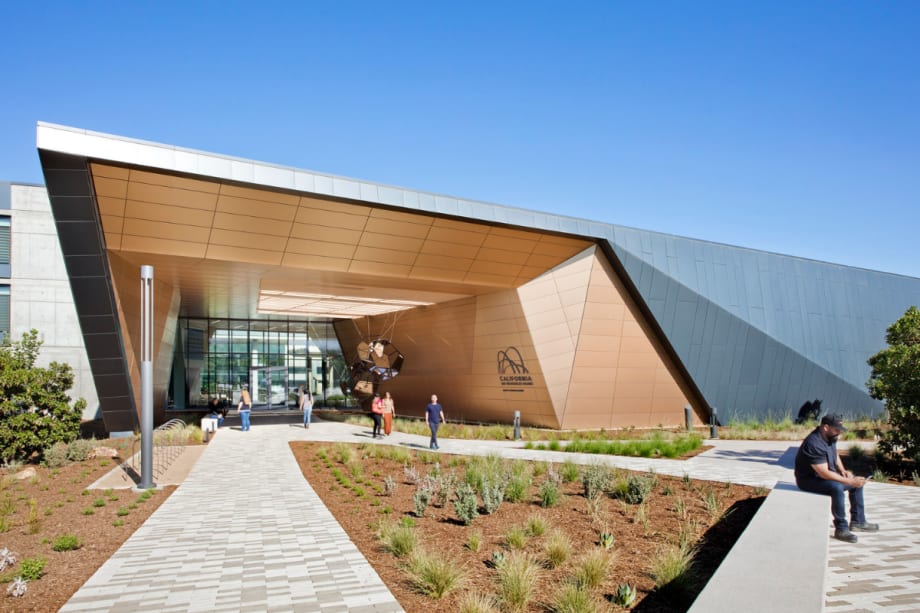
CARB recently opened the doors to its new Southern California headquarters in Riverside.
Photo: CARB
3 min to read
The California Air Resources Board recently voted on funding for its Hybrid and Zero Emission Truck and Bus Voucher Incentive (HVIP) program, resulting in over $500 million in funding for 2022.
This is nearly a 3.5% increase from the last round, the agency reported.
Changes to HVIP policy for 2022 include:
Public Transit Bus Set-Aside: $70 million for zero-emission transit bus incentives. When the set-aside funds are fully requested, HVIP will continue to allow standard HVIP voucher requests for all public transit bus fleets pending funding availability.
Public School Bus Set-Aside: The Rural School Bus Pilot Project will now be administered as a set-aside within HVIP, funded at $130 million in 2022. This set-aside funding is for California public school bus fleets purchasing zero-emission school buses and is anticipated to cover most of the cost of the school bus. Some Rural School Bus Pilot Project requirements will migrate to the HVIP set-aside funding, including prioritization of rural areas and scrappage of an older school bus.
Drayage Truck Set-Aside: $75 million for zero-emission drayage truck incentives ( heavy-duty Class 8 tractors performing drayage operations). The $150,000 base voucher amount for drayage truck early adopters extends through December 31, 2022.
Innovative Small e-Fleets: Innovative Small e-Fleets set-aside to HVIP provides $25 million of pilot funding for incentives for small trucking fleets and independent owner operators. Adding Innovative Small e-Fleets to HVIP allows CARB to implement new mechanisms including, but not limited to flexible leases, peer to peer truck sharing, truck as a service, assistance with infrastructure, individual owner planning assistance, as well as other mechanisms.
Improvements to Disadvantaged Community (DAC) Voucher Enhancements: The standard DAC voucher enhancement of 10% increases to 15% for vehicles domiciled in a disadvantaged community that are purchased or leased by any public or private small fleet with 10 or fewer trucks or buses, and less than $50 million in annual revenue for private fleets. The increased voucher enhancement is also available for any purchase or lease by a California Native American tribal government.
Funding Shortfall Provisions: To ensure that small fleets have an opportunity for funding, HVIP will reserve a minimum of $25 million of traditional HVIP funds (exclusive of set-asides) for fleets of 10 or fewer trucks and buses until the third quarter of 2022. After October 1, 2022, any remaining funding from the $25 million reserve would be available to fleets of any size.
Voucher Request Caps: The existing voucher request cap is 30 vouchers per calendar year per fleet, and 50 vouchers per year for drayage fleets. Starting in 2022, any redeemed vouchers that were requested in the same year (representing delivered vehicles) will be exempt from the voucher cap.
These changes and other topics to be included in the FY 2021-22 Implementation Manual will be discussed in more detail in a public work group meeting in early 2022.
Originally posted on Automotive Fleet
More Electric Vehicles
PowerFlex, The Mobility House Join Forces to Advance Fleet Electrification
Two EV charging providers are joining forces to deliver a broader portfolio of energy management and fleet electrification solutions.
Read More →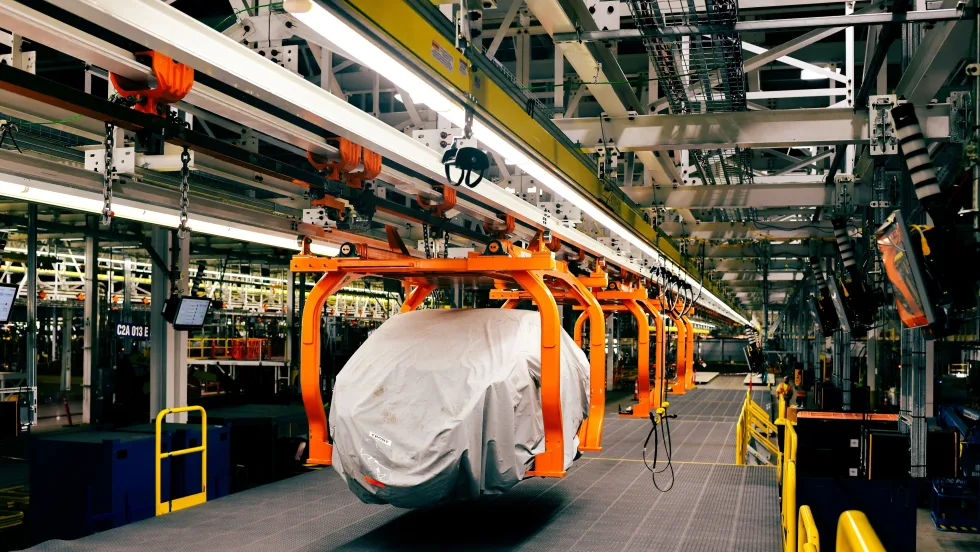
Ford Retools Louisville Plant for Fathom Electric Truck Production
Ford's $2 billion Louisville Assembly Plant overhaul introduces a three-part assembly process for the Fathom midsize electric truck, with production scheduled to begin in 2027.
Read More →
Merchants Fleet Reports 290M EV Miles as Fleets Navigate Changing Electrification Market
From millions in operating savings to hundreds of millions of EV miles, Merchants Fleet’s latest report reveals what’s working and what’s changing in fleet electrification.
Read More →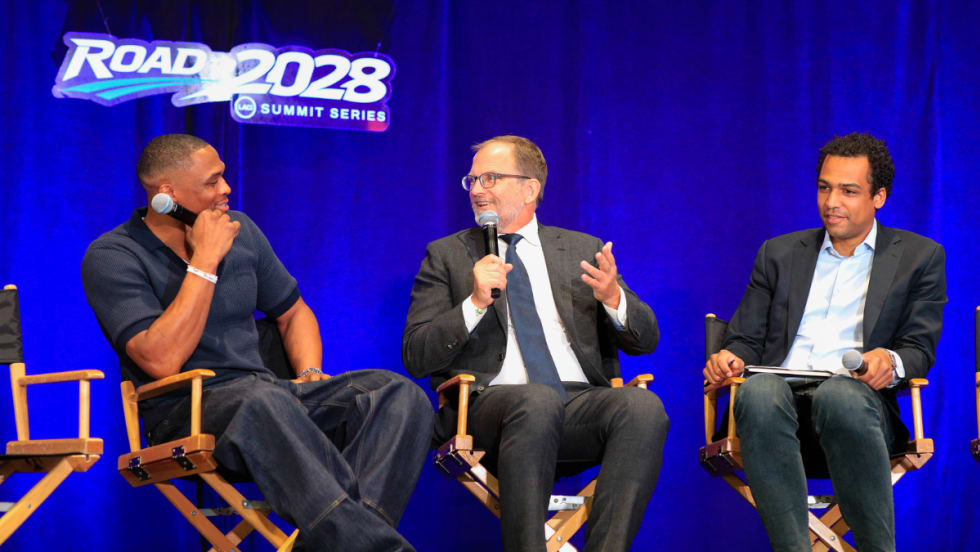
California District Commits to Electrify 25% of School Bus Fleet by 2028
One of the nation's largest school bus electrification projects to date demonstrates how grants, charging infrastructure, and public-private partnerships can help fleets transition to EVs at scale.
Read More →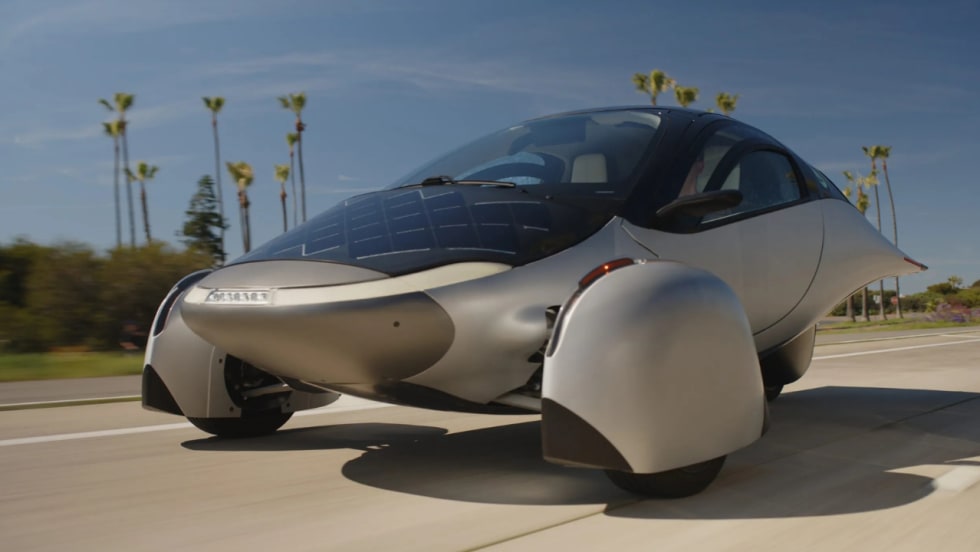
Aptera Orders Bodies and Chassis for Its First 40 Production Vehicles
Aptera Motors Corp. has issued purchase orders for the major structural components of its first 40 vehicles, and body and chassis components are expected to begin arriving in October.
Read More →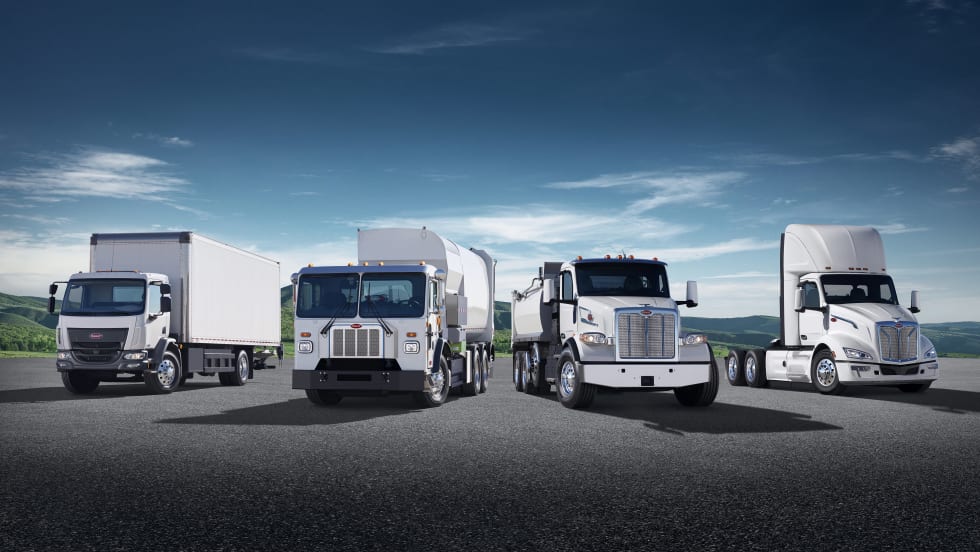
Peterbilt Expands Sourcewell Purchasing Agreement to Include Electric Trucks
The cooperative purchasing contract, now extended through July 2028, adds Peterbilt's battery-electric lineup for eligible government, education, nonprofit and tribal organizations.
Read More →
PITT OHIO Donates DC Fast Chargers to Community College of Allegheny County
The logistics company donated two 75-kW DC fast chargers to CCAC to support electric vehicle education and workforce training programs.
Read More →
California Governor Approves Instant ZEV Rebates For First-Time Buyers
That instant rebate is the centerpiece of a broader $600 million package Governor Newsom signed into law, keeping California active in the global clean transportation race.
Read More →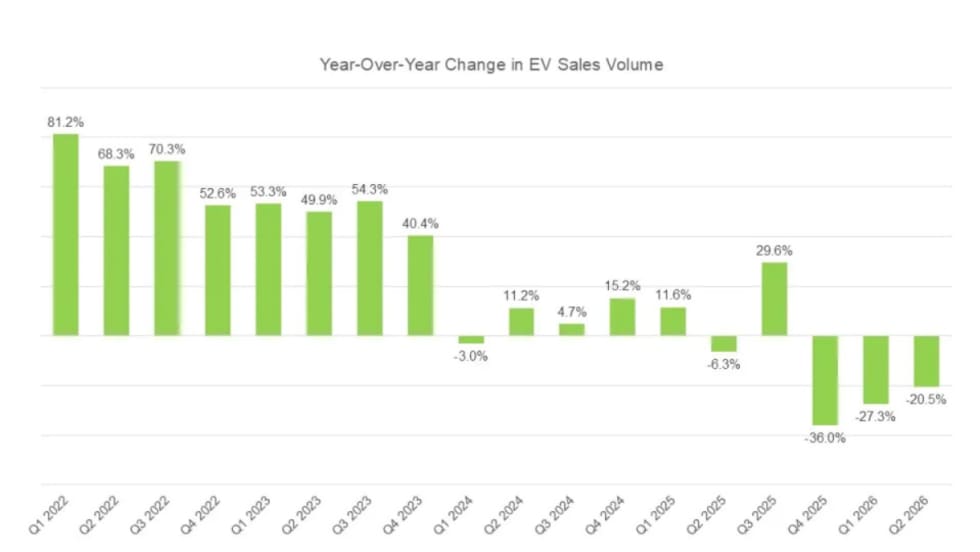
New Vehicle Models Stabilize Electrified Market In Q2
But more credit goes to hybrids than to all-electric vehicles, as more buyers look for fuel-efficient alternatives amid high gas prices.
Read More →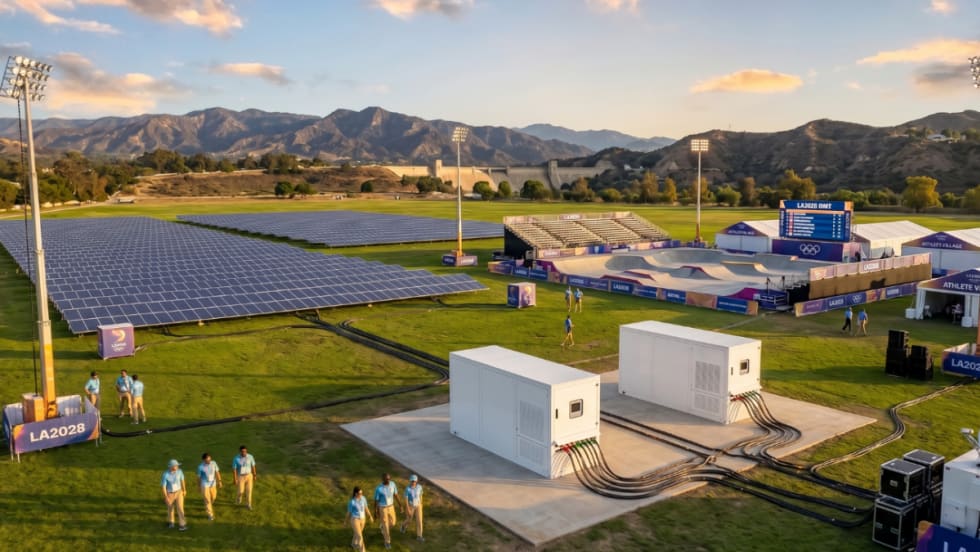
Xos White Paper Asserts LA Olympics Will Lack Enough EV Chargers
The commercial EV fleet company recommends some faster and more flexible remedies to relieve the anticipated shortfall.
Read More →