



Want More? Volvo Cars USA Discusses Strategies, Sales & Safety
Volvo Updates Model Names, Improves Hybrid Emissions
Updated model names will make it easier for existing and new fleet customers to understand which vehicles in Volvo's lineup are fully electric. Updates to hybrid models are expected to result in CO2 emission reductions and fuel economy improvements.
February 21, 2024
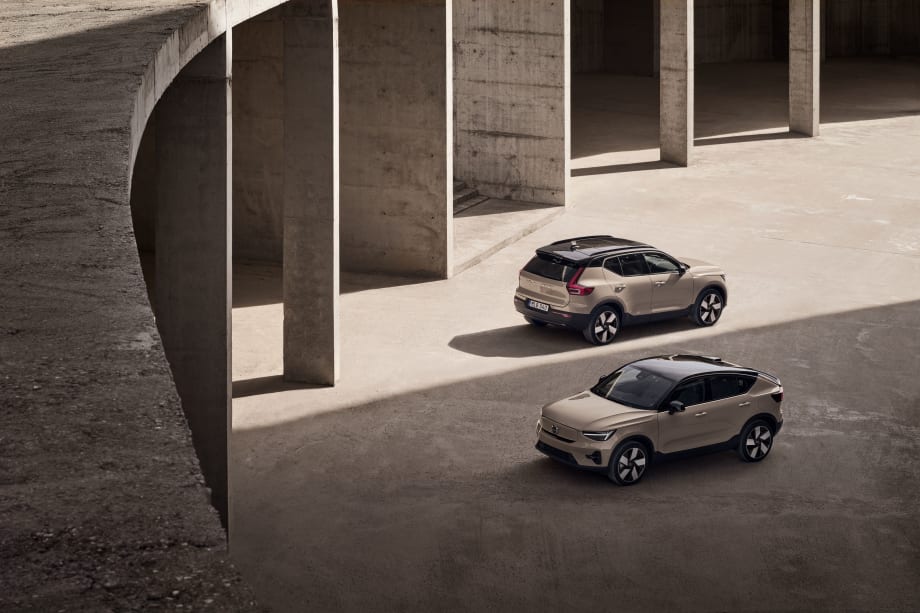
Volvo's fully electric C40 Recharge model (left) is now renamed to EC40, and the XC40 Recharge model is now named EX40 (right).
Photo: Volvo
3 min to read
Volvo Cars is rolling out upgrades and updates to its fully electric and hybrid vehicles.
The move is in line with the company's ongoing transformation toward becoming a fully electric car maker by 2030.
Streamlining the EV Lineup
The fully electric XC40 Recharge model is now renamed to EX40, and the C40 Recharge model is now named EC40. With the name changes, the vehicle seamlessly fit in with Volvo's other fully electric models: the EX30, EX90, and EM90.
The XC40 name remains for internal combustion-powered variants of the model.
The update also includes the removal of Recharge badging from Volvo's plug-in hybrid models, which are now denoted simply by the T6 or T8 suffix indicating different levels of power output.
The new and streamlined model name standard makes it easier for existing and new fleet customers to understand which models are fully electric and which are hybrids.
Volvo is also introducing a new Performance software pack for the EX40 and EC40 Twin Motor variants, and as an upgrade for the previous model year in selected markets.
The Performance software pack, which increases power output by 25kW for faster acceleration, also includes unique pedal mapping for quicker accelerator response and a ‘Performance’ drive mode to unlock the full 325kW.
Additionally, Volvo is introducing a special Black Edition of the following models:
EX40
EC40
XC40
The announcement comes following the success of the automaker's XC60 Black Edition launched last year. The Black Edition models come with Onyx Black paint, high gloss black badging, 20-in. five-spoke alloys in high gloss black and the choice between microtech or textile charcoal interiors.
Improvements to the Hybrid Lineup to Curb Emissions
Volvo also announced improvements to its hybrid products.
B5 mild hybrid petrol variants of XC60 and XC90 now employ a more efficient engine combustion cycle, expected to result in CO2 emission reductions and fuel economy improvements of up to around 4% for the XC60 and around 2% for the XC90 based on the Worldwide Harmonized Light Vehicles Test Procedure (WLTP) cycle.
“By aligning our trailblazing first electric models with the rest of our electric car portfolio, we simplify choice for consumers as we continue to electrify our line-up and refresh our hybrids.” Volvo CCO and Deputy CEO Björn Annwall said.
Pushing Toward an Electric Future
In 2023, fully electric cars represented 16% of Volvo's global sales volumes, an increase of 70% versus 2022, according to the automaker.
The EX30, EX90, and EM90 will all hit roads this year and bring the number of fully electric models in Volvo's product portfolio to five. Several more new models are coming down the pipeline.
In late 2023, Automotive Fleetreported that Volvo announced plans to end production to all of its diesel-powered car models by early 2024.
Originally posted on Automotive Fleet
More Electric Vehicles
EV Charging Use Is Outpacing Infrastructure Growth
ChargePoint’s 2026 Charging Forward Report points to rising charger use, higher-powered charging, commercial vehicle electrification, and energy-management technology. Here’s what fleets should know.
Read More →
EV Realty Names Henrik Holland President as Charging Platform Expands
The former Prologis Mobility and Shell executive will help expand EV Realty’s truck charging business and move its power-first infrastructure model into autonomous vehicle depots and other fleet sectors.
Read More →
GreenPower Expands New Mexico EV Pilot With Larger Buses, V2G Testing
After logging more than 17,000 electric miles in the first year, New Mexico’s statewide pilot is moving into its second phase with larger vehicles, continued charging evaluations, and more.
Read More →
Can EV-as-a-Service Help Fleets Scale Electrification?
Sustainability Partners CEO Adam Cain explains how matching EVs, charging infrastructure, and duty cycles can help fleets scale electrification.
Read More →
How EV-as-a-Service Is Moving Fleets Beyond Pilots
Adam Cain, president and CEO of Sustainability Partners, explains how EV-as-a-service can help fleets scale deployments by addressing duty-cycle requirements and charging challenges.
Read More →
PowerFlex, The Mobility House Join Forces to Advance Fleet Electrification
Two EV charging providers are joining forces to deliver a broader portfolio of energy management and fleet electrification solutions.
Read More →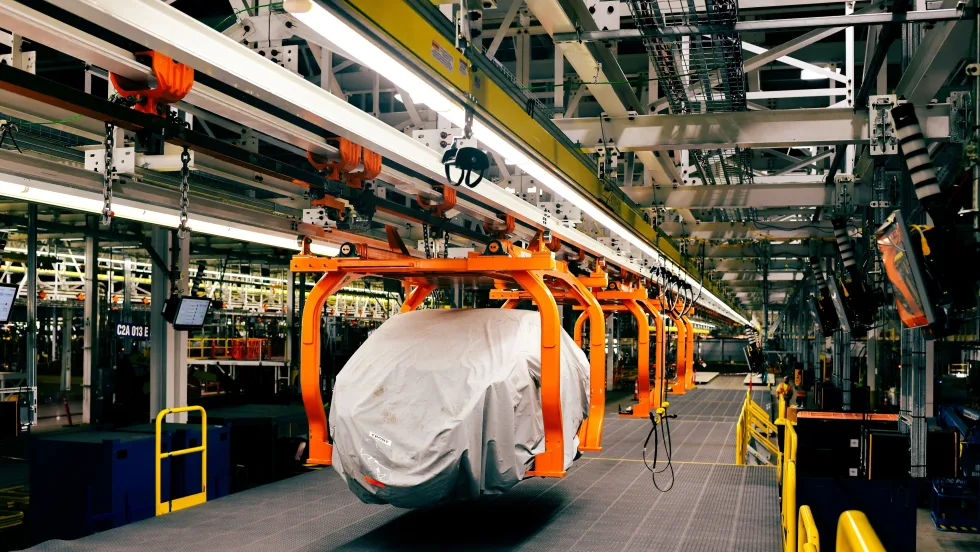
Ford Retools Louisville Plant for Fathom Electric Truck Production
Ford's $2 billion Louisville Assembly Plant overhaul introduces a three-part assembly process for the Fathom midsize electric truck, with production scheduled to begin in 2027.
Read More →
Merchants Fleet Reports 290M EV Miles as Fleets Navigate Changing Electrification Market
From millions in operating savings to hundreds of millions of EV miles, Merchants Fleet’s latest report reveals what’s working and what’s changing in fleet electrification.
Read More →
California District Commits to Electrify 25% of School Bus Fleet by 2028
One of the nation's largest school bus electrification projects to date demonstrates how grants, charging infrastructure, and public-private partnerships can help fleets transition to EVs at scale.
Read More →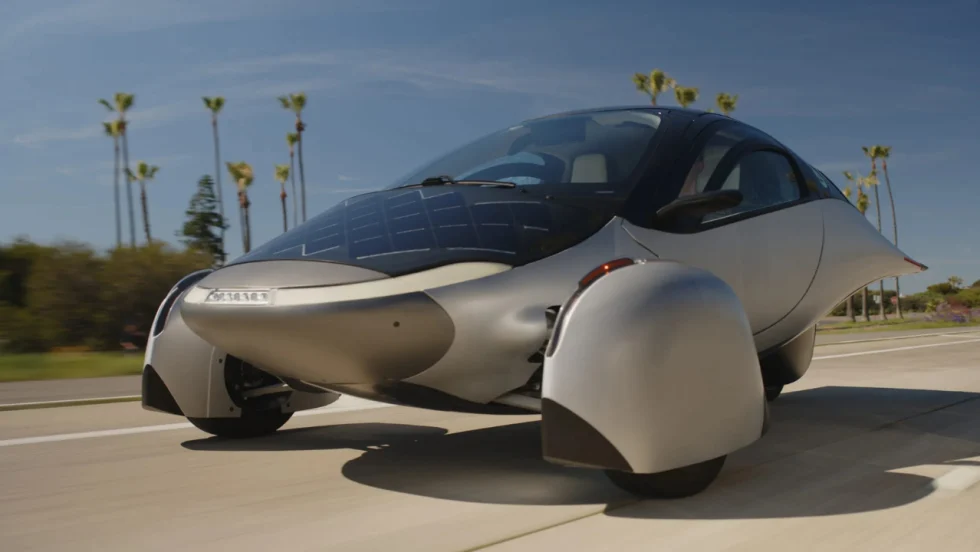
Aptera Orders Bodies and Chassis for Its First 40 Production Vehicles
Aptera Motors Corp. has issued purchase orders for the major structural components of its first 40 vehicles, and body and chassis components are expected to begin arriving in October.
Read More →