



Related: Increasing Safety Through Telematics
Transportation's Digital Transformation Still a Distant Reality
Although more fleets use technology than ever before, most organizations lack a data-driven approach to running their businesses, according to data from Teletrac Navman.
September 11, 2019
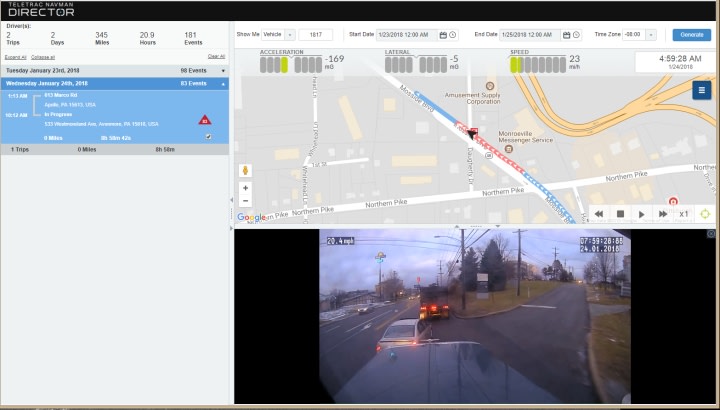
Only 23% of surveyed fleets use Big Data analytics to guide strategic decision-making, while 36% still rely on manual processes to forecast hiring needs.
Photo: Teletrac Navman
3 min to read
Teletrac Navman, a software-as-a-service provider that leverages location-based technology for GPS tracking solutions, announced findings from its 3rd Annual Telematics Benchmark Report: U.S. Edition.
The survey, which examined best practices, trends, and current issues influencing U.S. transportation organizations, found that although more fleets use technology than ever before (86% use telematics), most organizations lack a data-driven approach to running their businesses. Only 23% use Big Data analytics to guide strategic decision-making, while 36% still rely on manual processes to forecast hiring needs.
This echoes another major survey theme indicating that despite demonstrated telematics benefits – 55% saw reduced fuel costs – it continues to be grossly underutilized. On average, companies only use tree (of 12 most common) telematics features to measure general vehicle status metrics like vehicle and equipment location (74%), hours of service (66%), and speed (61%), while far fewer measure metrics that could positively impact their bottom line, such as idling (37%) and fuel usage (30%).
“One bright spot in the survey data was the positive safety outcomes attributed to telematics: 42% reported fewer safety incidents since implementing telematics. Notably, results also show more fleet managers are making the key connection between insights into dangerous driving behaviors telematics provides, and using that data as a means to inform driver coaching and reward safe driving," said Sid Nair, senior director of transport and compliance, Teletrac Navman. "Fifty-eight percent of respondents who reward safe driving have seen a drop in safety incidents and violations, showing how powerful a tool it can be. This echoes what we’ve been seeing among our customers, many of whom have been using our driver scorecard to organize and inform driver feedback, with excellent results.”
Other key insights from the survey include:
Electronic Logging Device (ELD) adoption is consistent with 2018, despite the rapidly approaching AOBRD transition deadline.
While 66% use ELDs to track Hours of Service (HOS), 24% admitted to still using paper logs despite it being law not to, and 19% are using AOBRDS.
ELDs continue to be fleets’ top compliance concern (58%), but the percentage is down significantly from 2018 (74%).
Nearly a third (29%) report there is no driver concern around ELDs.
Telematics’ impact on incident reduction is up, due to increased driver performance insight.
Forty-two percent have seen fewer safety incidents since using telematics to monitor driver behavior.
More than a quarter cite driver monitoring (32%), speed prevention (26%) and preventing driver fatigue/exhaustion (30%) as top telematics-related safety benefits.
Twenty-eight percent implement driver warning/alerting technology to further boost driver safety.
Fifty-seven percent reward safe driving, with the biggest benefit of this practice being reduced safety incidents and violations (58%).
Talent retention is a major business priority amid the continued driver shortage.
The top business challenge fleets face is finding, developing and retaining talent (30%).
Three of the top five driver retention tactics are monetarily linked: increasing pay (47%), driver appreciation programs (33%), and performance-based bonuses (30%).
Fifty-eight percent plan to increase drivers and equipment operators in the next year.
“This year’s survey results reveal there’s a big difference between being a tech-compliant organization and a tech-driven one,” said Sid Nair, senior director of transport and compliance, Teletrac Navman. “Putting ELDs in vehicles is not a silver bullet and, ultimately, won’t help fleets solve their business challenges as the transportation and logistics industry becomes ever more competitive. Using data effectively is the key to making your fleet work smarter, not harder, but managers can only reap these benefits if they look beyond using technology strictly for compliance and commit to using data to inform important business decisions – ones that can boost productivity and minimize expenses. That’s the true meaning of digital transformation,” Nair concluded.
Originally posted on Work Truck Online
More Suppliers

Slate Debuts Colorful, Unique EV Models
A recent media and client event, studded with electric vehicles dressed up on platforms, planted a new position for the manufacturer in the wider EV market. Fleets will find cost-saving advantages.
Read More →
Slate Electric SUV, Pickup Switchable Model Aims For Light-Duty Fleets
Everything about this EV is counterintuitive and understated, making it stand out from the crowd.
Read More →
Polestar Barred from U.S. Market Under Connected Vehicle Rule
The automaker loses its authorization to sell new vehicles in the U.S., starting with the 2027 model year. Polestar owners will retain access to the brand's service network.
Read More →
Uber, Nuro and Lucid Plan Houston Robotaxi Service in 2027
The tripartite venture brings out the combined advantages of electric vehicles, mobility, and autonomy into ground transportation.
Read More →
Electrify America Opens EV Fast Charging Station in Southern California
The large-format depot features 20 hyper-fast chargers capable of delivering 350 kilowatts and is backed by a powerful battery energy storage system.
Read More →
Inspiration Mobility Acquires Key Electrada Assets
Inspiration Mobility Group has acquired select assets of Electrada, adding the fleet electrification provider's team, technology, and charging infrastructure development capabilities to its energy management business.
Read More →
Lucid Adds Hands-Free Highway Driving, Software Updates To Gravity SUV
Hands-free drive assist makes highway driving more comfortable while keeping drivers attentive to the road.
Read More →
Harbinger Creates Hybrid-Electric Unmanned Vehicle Platform for Defense Use
The platform is based on the company's medium-duty plug-in hybrid chassis, which is also used in commercial vehicles.
Read More →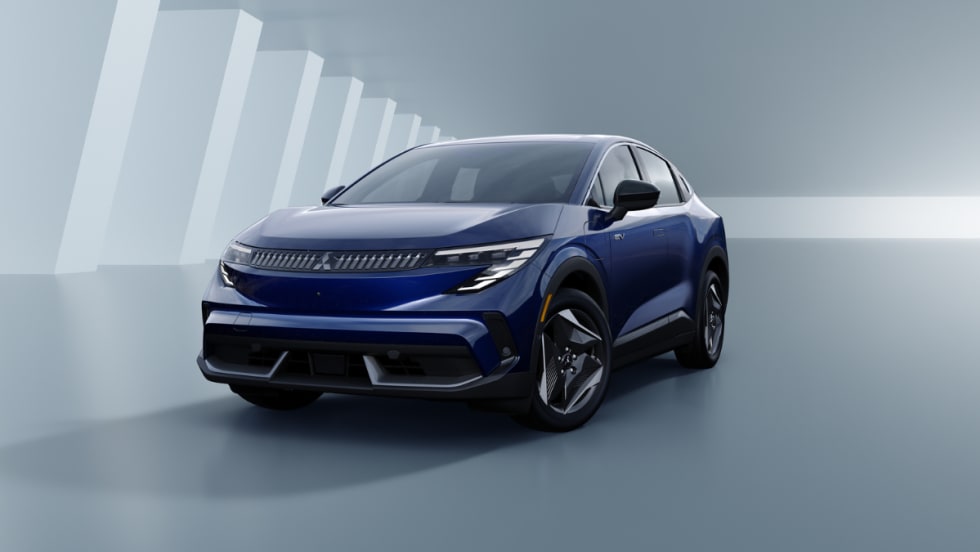
Mitsubishi To Debut All-Electric Eclipse Subcompact For North American Market
The 2027 Mitsubishi Eclipse Sportback is a small SUV that will go on sale by this fall.
Read More →
Stellantis To Build Smaller, Affordable EVs For European Market
Stellantis aims to expand access to urban EV mobility in Europe and address the decline in the smaller-vehicle segment.
Read More →