



Fleet Review:Mercedes-Benz EQB 250+
Tesla Superchargers Opening to Mercedes EVs: What You Need to Know
Starting February, Mercedes EV drivers can tap into Tesla's Supercharger network with a new adapter, bridging two charging standards.
January 27, 2025
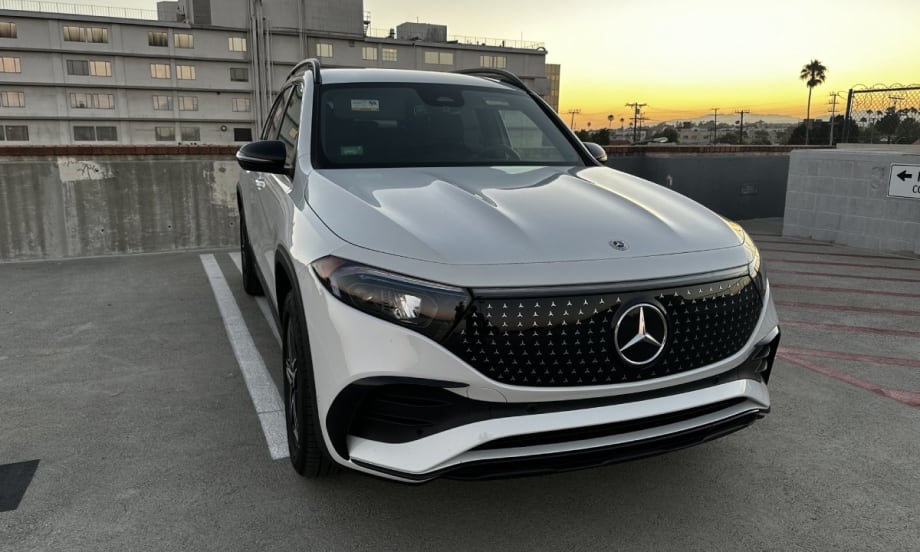
Access to the Tesla Supercharger network is available to battery-electric vehicles, such as the Mercedes-Benz EQB 250+ (pictured) and the eSprinter, but PHEVs are excluded.
Photo: Automotive Fleet / Chris Brown
2 min to read
Mercedes-Benz recently announced drivers of the company’s electric vehicles (EVs) will be able to use the Tesla Supercharger network starting February 4, 2025.
Mercedes drivers need a special adapter to use the networks, as Superchargers use the North American Charging Standard (NACS) port, and Mercedes EVs use the Combined Charging System (CCS1). With an adapter, they’ll have plug-and-charge capability at more than 20,000 DC fast charging stations (no destination chargers).
This integration will be part of the Mercedes me Charge network, allowing users access to more than 117,000 charging points through the native charging service.
Supercharger access is available to battery-electric vehicles and the eSprinter, but PHEVs are excluded. Mercedes drivers won’t need the Tesla app to charge or pay at Supercharger stations.
A setting in the Mercedes-Benz app will allow customers to toggle the adapter status, displaying Supercharger stations as available or not.
Are EV Charging Port Standards Changing?
Until this year, most other automakers have used the CCS1 port, and a few have used a third, called CHAdeMO. Several companies operate public charging networks equipped with CCS1 or CHAdeMO plugs (often both), but none have as many locations as Tesla.
In 2024, Tesla agreed to open its system for anyone’s use. One by one, nearly every automaker (including Mercedes) agreed to start building the NACS port into their cars. By the end of 2025, most new EVs sold will have the NACS port built in, according to Kelley Blue Book.
Other networks have begun building the NACS plug into their chargers. They’ll likely continue to offer CCS1 and CHAdeMO chargers alongside them for years to come since EVs bought before 2025 will have those plugs.
Tesla Opening to One Automaker at a Time
Tesla needs time to update its system to work with each automaker’s vehicle. When an EV connects to a public charger, the car and charger must communicate via software to ensure safe charging. According to Mercedes, that part of the process is complete.
The company says a NACS-to-CCS1 adapter for current CCS1-compatible electric vehicles will be available at authorized Mercedes-Benz dealerships. However, they haven’t said if it will be free or for sale. According to Kelley Blue Book, some automakers, like Ford, offer these adapters for free, while others, like General Motors, charge a fee.
The Mercedes-Benz Fast Charging Adapter is the only approved adapter.
Originally posted on Automotive Fleet
More Electric Vehicles
EV Charging Use Is Outpacing Infrastructure Growth
ChargePoint’s 2026 Charging Forward Report points to rising charger use, higher-powered charging, commercial vehicle electrification, and energy-management technology. Here’s what fleets should know.
Read More →
EV Realty Names Henrik Holland President as Charging Platform Expands
The former Prologis Mobility and Shell executive will help expand EV Realty’s truck charging business and move its power-first infrastructure model into autonomous vehicle depots and other fleet sectors.
Read More →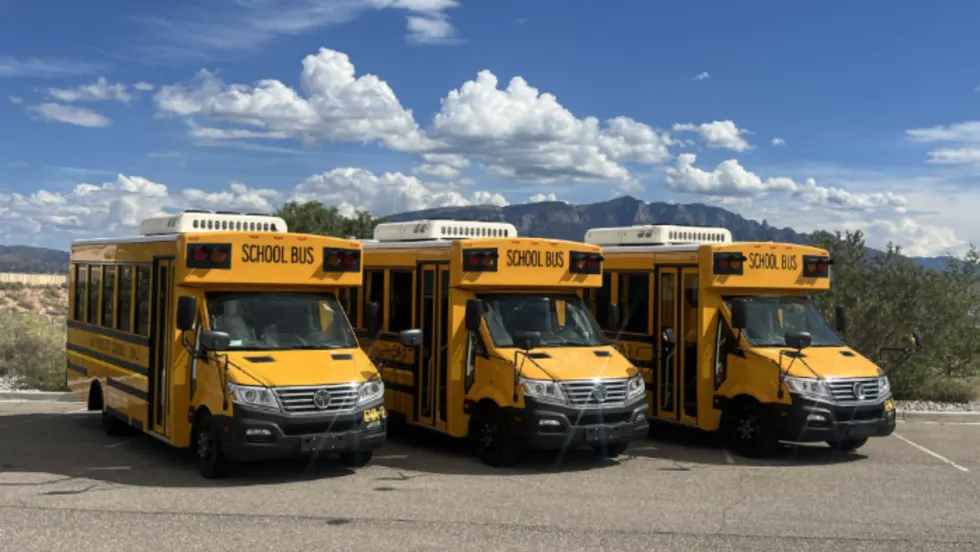
GreenPower Expands New Mexico EV Pilot With Larger Buses, V2G Testing
After logging more than 17,000 electric miles in the first year, New Mexico’s statewide pilot is moving into its second phase with larger vehicles, continued charging evaluations, and more.
Read More →
Can EV-as-a-Service Help Fleets Scale Electrification?
Sustainability Partners CEO Adam Cain explains how matching EVs, charging infrastructure, and duty cycles can help fleets scale electrification.
Read More →
How EV-as-a-Service Is Moving Fleets Beyond Pilots
Adam Cain, president and CEO of Sustainability Partners, explains how EV-as-a-service can help fleets scale deployments by addressing duty-cycle requirements and charging challenges.
Read More →
PowerFlex, The Mobility House Join Forces to Advance Fleet Electrification
Two EV charging providers are joining forces to deliver a broader portfolio of energy management and fleet electrification solutions.
Read More →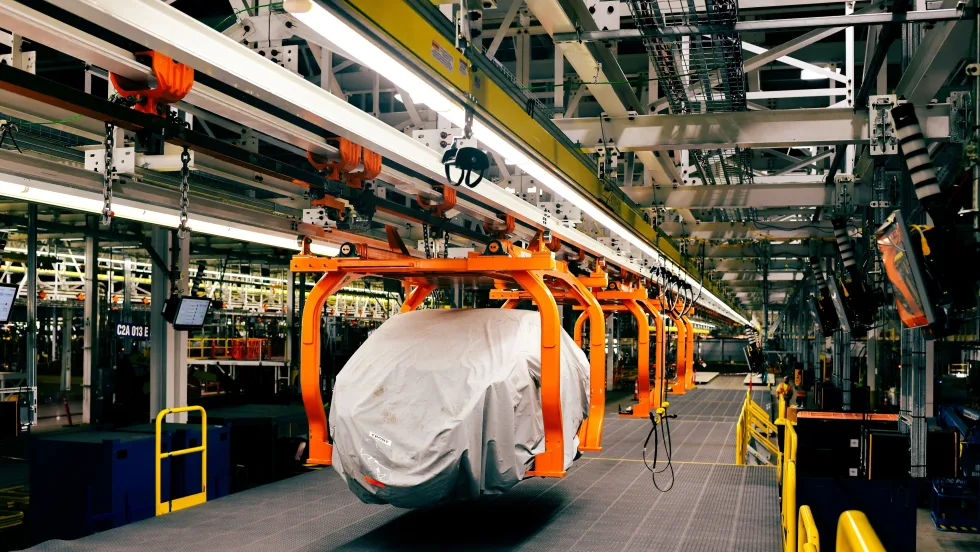
Ford Retools Louisville Plant for Fathom Electric Truck Production
Ford's $2 billion Louisville Assembly Plant overhaul introduces a three-part assembly process for the Fathom midsize electric truck, with production scheduled to begin in 2027.
Read More →
Merchants Fleet Reports 290M EV Miles as Fleets Navigate Changing Electrification Market
From millions in operating savings to hundreds of millions of EV miles, Merchants Fleet’s latest report reveals what’s working and what’s changing in fleet electrification.
Read More →
California District Commits to Electrify 25% of School Bus Fleet by 2028
One of the nation's largest school bus electrification projects to date demonstrates how grants, charging infrastructure, and public-private partnerships can help fleets transition to EVs at scale.
Read More →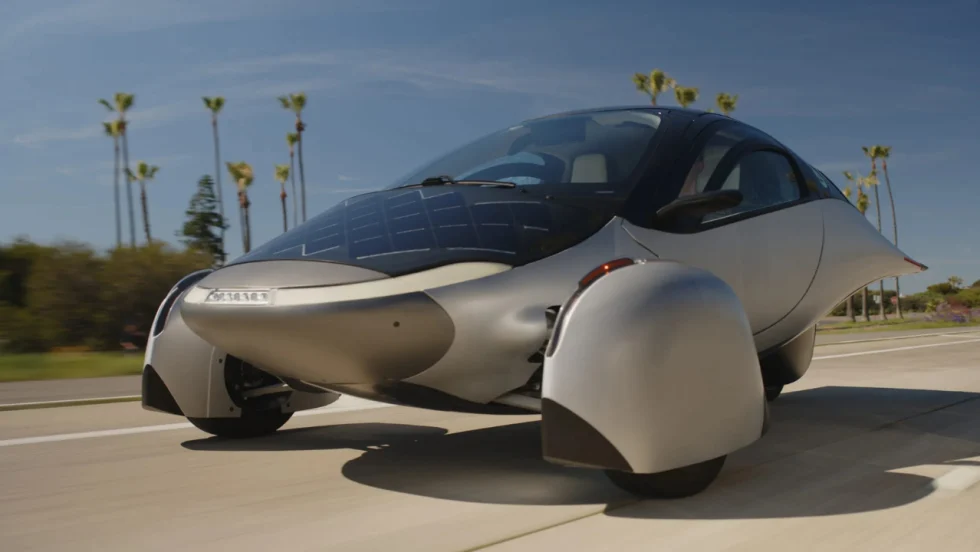
Aptera Orders Bodies and Chassis for Its First 40 Production Vehicles
Aptera Motors Corp. has issued purchase orders for the major structural components of its first 40 vehicles, and body and chassis components are expected to begin arriving in October.
Read More →